Social Video Strategy for Brands in Nepal: 2026 Guide
Strategic Convergence: Evaluating TikTok, Instagram Reels, and YouTube Shorts for Brand Dominance in Nepal’s Digital Ecosystem

Executive Overview
The digital landscape in Nepal has undergone a radical transformation, evolving from a market reliant on traditional print and broadcast media into a mobile-first, short-form video-dominated ecosystem. The proliferation of affordable smartphones and widespread 4G infrastructure has fundamentally altered consumer behavior, shifting attention spans toward hyper-consumable, vertical video formats. For domestic and international brands operating in Nepal, the marketing paradigm has shifted irreversibly. Static imagery and long-form copy are no longer sufficient to capture market share; dynamic, algorithmically optimized video is the prerequisite for consumer engagement.
Three platforms currently monopolize this vertical video arena: TikTok, Instagram Reels, and YouTube Shorts. Each platform commands a distinct demographic footprint, rewards fundamentally different content architectures, and serves unique stages of the consumer purchasing funnel. TikTok operates as the engine of democratic reach and viral discovery, favoring raw, user-generated authenticity. Instagram Reels functions as a premium conversion and brand-building conduit, deeply integrated with Meta’s sophisticated advertising infrastructure. YouTube Shorts acts as an evergreen, search-engine-optimized powerhouse, leveraging high-intent queries to build long-term brand authority.
This comprehensive report analyzes the comparative advantages, algorithmic mechanics, unit economics, and strategic deployment of TikTok, Instagram Reels, and YouTube Shorts for brands in Nepal. Furthermore, it examines the complex regulatory, taxation, and payment infrastructure governing digital advertising in the country, providing a holistic blueprint for navigating Nepal’s maturing digital economy.
Macroeconomic and Digital Infrastructure Context in Nepal
To effectively deploy capital across digital platforms, it is imperative to understand the foundational infrastructure, demographic realities, and economic constraints of the Nepalese market as of 2026.
Demographic and Connectivity Benchmarks
Nepal’s total population stands at approximately 29.6 million, with a predominantly rural distribution; 77% of the population resides in rural areas compared to 23% in urban centers. The gender distribution is relatively balanced, with 52.3% female and 47.7% male populations. The core targetable audience for digital marketers is distinctly youthful. Over half of the population falls under the age of 35, with critical digital consumer brackets including the 18 to 24 cohort (13.6%), the 25 to 34 cohort (16.7%), and the 35 to 44 cohort (12.6%).
Digital connectivity metrics present a complex picture. Cellular mobile connections have reached 32.4 million, representing 109% of the population. However, this inflated figure is primarily driven by multi-SIM ownership and the adoption of eSIM technologies. Actual internet penetration is lower, with 16.6 million unique individuals using the internet, representing a 56% online penetration rate. Consequently, approximately 13 million Nepalese citizens remain effectively offline.
Despite this digital divide, the connected population is highly engaged. Nepal hosts 14.8 million active social media user identities, equating to 50% of the total population and capturing 89.3% of the total internet user base. The average Nepalese internet user spends approximately 2.5 hours daily on social media platforms, a metric that continues to climb as content becomes increasingly localized. Vernacular content—specifically Nepali-language media—consistently generates higher engagement rates than English-language content, reflecting a maturing digital audience that values cultural resonance over imported aesthetics.
Regulatory, Taxation, and Compliance Architecture
The operational environment for digital advertising in Nepal is governed by strict central banking regulations and a newly formalized digital taxation framework, transitioning the digital advertising sector from an informal gray market into a highly regulated industry.
Nepal Rastra Bank (NRB) maintains capital controls that strictly regulate foreign currency outflows, historically impeding local businesses from paying for international digital advertising directly. Under the Unified Forex Directive, the NRB allows commercial and development banks to issue prepaid foreign currency “Dollar Cards”. For general individuals, the annual spending limit on these cards is strictly capped at USD 500. Recognizing the operational requirements of the digital economy, the NRB recently eased these limits for the IT and corporate sectors. IT and communication businesses can now obtain prepaid cards with a USD 3,000 annual limit for purchasing online services, which escalates to USD 5,000 for entities demonstrating verifiable foreign currency earnings through service exports. Furthermore, digital entrepreneurs earning foreign currency online are permitted payments up to USD 25,000 annually through banking channels for technology services.
Despite these relaxed limits, scaling enterprise-level advertising campaigns on platforms like Meta, Google, and TikTok remains challenging via direct foreign currency payments. To bypass the friction of Dollar Card quotas, global ad-tech conglomerates have established localized footprints through authorized reseller networks. Meta and TikTok have appointed Httpool by Aleph as their Authorized Sales Partner in Nepal, while Google has appointed Mediam by Aleph as its official media sales representative. This strategic localized presence allows Nepalese advertisers and agencies to procure digital media inventory using the local currency (Nepalese Rupee, NPR), thereby circumventing NRB foreign exchange restrictions, eliminating currency conversion fees, and facilitating scalable ad campaigns without hard currency constraints.
Simultaneously, the Nepalese government has implemented a stringent taxation regime for cross-border digital services. Foreign digital service providers generating more than NPR 3 million (approximately USD 20,000) in a 12-month period from Nepalese consumers are subject to a dual taxation mechanism. First, a 2% Digital Service Tax (DST) is levied directly on the total annual transaction value. Second, a mandatory 13% Value Added Tax (VAT) is applied to individual transactions. Providers exceeding the NPR 3 million threshold are legally obligated to register for a Permanent Account Number (PAN) within 30 days and collect VAT on supplies made to local consumers. This regulatory architecture ensures that both local digital agencies and international platforms operate within a formalized fiscal structure.
TikTok: The Viral Engine of Democratic Reach
With an estimated 7 to 8 million active users in Nepal, TikTok represents the fastest-growing and most culturally pervasive platform in the nation, effectively capturing the attention of the 16 to 30 age demographic.
Regulatory Resilience and The Ban
TikTok’s trajectory in Nepal was temporarily disrupted when the government imposed a nationwide ban in November 2023, citing concerns over the disruption of social harmony and the negative impact of unmoderated content on youth. The abrupt ban forced a temporary consumer migration to alternative platforms, heavily benefiting Instagram Reels and Facebook. However, user behavior data collected during the prohibition indicated high resilience; while 36% of users stopped using the platform entirely, nearly 14% continued to access TikTok by altering DNS settings or utilizing Virtual Private Networks (VPNs).
The ban was ultimately lifted in August 2024 following extensive negotiations between ByteDance and the Nepalese government. TikTok agreed to adhere to strict regulatory frameworks, implement real-time cybercrime monitoring, and establish designated channels for content-related requests from authorities. Furthermore, as part of its reentry strategy, TikTok signed a memorandum of understanding with the Nepal Tourism Board to actively promote Nepal’s landscapes, culture, and adventure tourism to a global audience, embedding itself into the country’s socio-economic development goals. Upon the ban’s lifting, 23% of dormant users immediately resumed usage, reaffirming the platform’s entrenched position in the Nepalese cultural zeitgeist.
Algorithmic Mechanics and Content Strategy
Unlike legacy social media platforms reliant on the social graph—where distribution is dictated by the volume of a user’s followers—TikTok operates on a pure content graph. The algorithm democratizes reach, meaning a newly created account with zero followers possesses the same viral potential as an established corporate brand, provided the content metrics align with algorithmic preferences.
The TikTok distribution system operates through a highly efficient, tiered evaluation mechanism:
- The Test Group: Upon publication, a new video is shown to a small cohort of 200 to 500 users to establish baseline performance metrics.
- Metric Evaluation: The algorithm evaluates user interaction based on weighted factors. Watch time (capturing initial attention) and completion rate (watching the entire video) carry the highest weight. These are followed closely by rewatches, shares, and comments, with likes carrying only medium algorithmic weight.
- Scaling and Virality: If the test group yields high completion and share rates, the video is escalated to a broader audience of 1,000 to 5,000 users. Sustained engagement velocity pushes the content to tiers of 10,000 to 50,000 users, eventually breaching the 100,000+ threshold of true virality.
For brands operating in Nepal, success on TikTok requires abandoning polished, highly produced corporate aesthetics.
The platform demands raw, authentic User-Generated Content (UGC). The “80/20 Rule” is critical for brand perception: 80% of a brand’s content must provide value through entertainment, education, behind-the-scenes access, or localized humor, while only 20% should feature direct promotional calls-to-action.
Content must be highly localized to resonate. Successful formats include leveraging trending Nepali audio, utilizing local slang, and demonstrating relatable cultural scenarios. The initial three seconds of a video are critical; if a creator fails to hook the viewer immediately, the algorithm registers a skip and suppresses further distribution. Posting consistency is equally vital, with optimal exposure requiring a publishing cadence of four to five times per week. Peak engagement times in Nepal track with daily routines: morning commutes (7:00 AM – 9:00 AM), lunch breaks (12:00 PM – 1:00 PM), and peak evening hours (7:00 PM – 10:00 PM).
Advertising Infrastructure and Unit Economics
TikTok advertising in Nepal remains highly cost-effective, offering underpriced attention relative to its massive user base. While global average Cost Per Mille (CPM) on TikTok hovers around USD 10, the Nepalese market experiences significantly lower costs, with CPMs ranging from NPR 30 to NPR 150 (approximately USD 0.22 to 1.10). Cost Per Click (CPC) is equally competitive, ranging from NPR 1 to NPR 10.
Brands can deploy various ad formats through TikTok Ads Manager, including In-Feed Ads, TopView (premium placement guaranteeing visibility upon app opening), Branded Hashtag Challenges, and Branded Effects. A particularly effective format in Nepal is Spark Ads, which allow brands to place paid media budgets behind high-performing organic UGC. Because Spark Ads leverage content that has already proven its algorithmic viability, they generate superior engagement at lower costs, often starting with minimum daily budgets between NPR 650 and NPR 1,300.
Instagram Reels: The Premium Conversion Engine
Instagram currently hosts an active user base of approximately 4.35 to 5.3 million individuals in Nepal. While structurally smaller than Facebook (which commands over 13 million users) and TikTok, Instagram represents a highly concentrated pool of urban, affluent, and aspirational consumers. The demographic is heavily skewed toward users aged 18 to 35, primarily located in major urban centers such as Kathmandu, Pokhara, and Lalitpur.
The Aspirational Algorithm and Aesthetic Expectations
Instagram Reels has emerged as the primary growth vector on the platform, yielding organic reach up to three times higher than traditional static image posts. Unlike TikTok’s pure content graph, the Reels algorithm utilizes a hybrid distribution model. It initially serves content to a creator’s existing followers. The algorithm then heavily weighs specific engagement metrics—primarily the “Save” and “Share” rates. If these metrics indicate high resonance within the core audience, the content is subsequently pushed to broader, lookalike audiences via the Explore page and dedicated Reels feed.
The psychological intent of the Instagram user differs significantly from the TikTok user. While TikTok audiences seek raw entertainment and humor, Instagram audiences seek aesthetic inspiration, lifestyle validation, and brand prestige. Consequently, shaky, unedited footage that might perform well on TikTok often fails on Reels. Reels requires a higher degree of visual fidelity, stylized editing, cohesive brand colors, and sophisticated typography. This makes the platform the undisputed channel of choice for visual-heavy industries in Nepal, including fashion, beauty, luxury retail, and premium hospitality.
Strategic E-Commerce and Meta Retargeting
The strategic advantage of Instagram Reels lies in its native integration with the broader Meta advertising ecosystem and its robust social commerce features. Features like Instagram Shopping allow brands to tag products directly within video content, creating a frictionless transition from product discovery to purchase.
Furthermore, Meta Ads Manager provides unparalleled targeting capabilities, referred to in the industry as “sniper targeting.” Advertisers can target highly specific demographics, life events, and behavioral patterns. A highly effective media buying strategy deployed by top-tier Nepalese agencies involves cross-platform arbitrage. Brands utilize the cheap, algorithmic virality of TikTok to generate massive top-of-funnel awareness. This traffic is directed to a brand website embedded with Meta tracking pixels. The brand then deploys precision retargeting campaigns on Instagram and Facebook, serving high-converting direct-response ads (e.g., dynamic product catalogs or limited-time discount codes) to users who have already exhibited brand familiarity.
Due to the affluent demographic and high purchase intent, advertising on Instagram is slightly more expensive than TikTok. Cost Per Click (CPC) ranges from NPR 3 to NPR 20, while CPMs range from NPR 60 to NPR 250.
YouTube Shorts: The Evergreen SEO Powerhouse
YouTube maintains a massive, deeply entrenched footprint in Nepal, reaching over 12 million active users spanning all demographic cohorts and age brackets. While traditionally recognized as the premier destination for long-form, educational, and entertainment content, the introduction of YouTube Shorts has drastically altered content consumption patterns, providing a vital third pillar in the short-form video ecosystem.
Search Intent and the Long-Tail Lifespan
The fundamental differentiator for YouTube Shorts compared to its competitors is the underlying user psychology: search intent. TikTok and Instagram Reels are passive discovery engines; users scroll through feeds, allowing algorithms to predict and serve content. Conversely, YouTube functions as the world’s second-largest search engine. Users actively input queries seeking solutions, tutorials, product comparisons, and detailed reviews.
This dynamic fundamentally alters the lifespan and ROI of video content. On TikTok or Instagram, a video’s relevance is hyper-transient; it typically experiences a viral spike and disappears into algorithmic obscurity within 48 to 72 hours. In stark contrast, a well-optimized YouTube Short—utilizing keyword-rich titles, targeted descriptions, and relevant tags—functions as a compounding digital asset. It can continue to rank in search results, generate views, and drive high-intent leads for months or even years after publication.
Industry Fit and High-Consideration Conversions
Due to its search-driven architecture and association with deep-dive, authoritative content, YouTube Shorts commands a high degree of consumer trust. This makes the platform exceptionally valuable for high-consideration industries where the consumer purchasing cycle is longer and requires extensive research. Sectors such as real estate, healthcare, B2B services, and education excel on this platform. For instance, a Kathmandu-based educational consultancy publishing a 60-second Short titled “Australia Student Visa Requirements 2026” will capture highly targeted, high-intent traffic consistently throughout the academic year.
Advertising on YouTube requires slightly higher capital outlay, but it captures users at the precise moment of active inquiry. Video campaigns, executed through Google Ads, offer advanced targeting and measurable ROI. The Cost Per View (CPV) metric on YouTube ranges from NPR 2 to NPR 8, allowing brands to optimize budgets by paying only when a user actively engages with the advertisement.
Comparative Platform Dynamics and Unit Economics
To optimize media mix models and allocate capital efficiently, brands must understand the comparative metrics governing each platform in the Nepalese market.
| Metric / Feature | TikTok | Instagram Reels | YouTube Shorts |
|---|---|---|---|
| Active Users (Nepal) | ~8 million | ~5 million | ~12 million |
| Primary Demographic | 16–30 years, nationwide spread | 18–35 years, highly urbanized | All age groups, broad intent |
| User Intent | Entertainment, Discovery, Impulse | Aspiration, Lifestyle, E-commerce | Information, Search, Learning |
| Content Lifespan | 48–72 hours (Viral spike) | 48–72 hours (Viral spike) | Months to Years (Evergreen/SEO) |
| Algorithmic Trigger | Watch Time & Completion Rate | Saves & Shares | Keyword Relevance & Retention |
| Production Value | Low (Raw, Authentic, UGC) | High (Polished, Aesthetic) | Moderate to High (Audio clarity critical) |
| Optimal Video Length | 15–60 seconds | 30–90 seconds | Up to 60 seconds |
| Estimated CPM (NPR) | NPR 30–150 | NPR 60–250 | NPR 100–400 |
| Estimated CPC (NPR) | NPR 1–10 | NPR 3–20 | NPR 2–8 (CPV) |
Cross-Platform Content Strategy: The Repurposing Matrix
Operating dedicated, isolated production pipelines for three distinct video platforms is resource-intensive and financially unviable for most Nepalese brands. However, posting the exact same unedited video file across all three platforms yields suboptimal results due to varying algorithmic preferences and user expectations. The optimal operational framework is the “Create Once, Optimize Three Times” methodology.
Under this framework, a brand records a single, high-quality vertical video asset. The core messaging and narrative (comprising 80% of the material) remain identical. The final 20% of the production process is dedicated to editing and optimizing the asset natively for the psychological expectations of each specific platform.
- TikTok Iteration: The edit is fast-paced, incorporating trending vernacular audio, quick jump cuts, and bold text hooks designed to arrest attention within the critical first three seconds.
-
Instagram Reels Iteration: The edit focuses on visual fidelity.
- The pacing is slightly relaxed to allow for aesthetic appreciation, utilizing high-end typography, brand colors, and sophisticated lo-fi or trending instrumental tracks.
- YouTube Shorts Iteration: The video is uploaded with a meticulously researched, keyword-dense title and description. It prioritizes clarity, educational value, and searchability over fleeting audio trends, ensuring it can be indexed effectively by Google and YouTube search algorithms.
By utilizing centralized editing software (such as CapCut) and maintaining a batch-production schedule—for example, dedicating one day a week to script and film five to seven videos—brands can maintain the high posting frequency required by algorithmic platforms without exhausting operational budgets or creative bandwidth.
The Creator Economy and Influencer Marketing in Nepal
[IMAGE-PLACE-HOLDER-2]
Influencer marketing has transitioned from an experimental digital tactic to a cornerstone of corporate strategy in Nepal. Nepalese consumers exhibit deep skepticism toward traditional, highly produced corporate advertising, instead placing immense trust in peer recommendations and authentic influencer endorsements.
The Shift from Celebrity to Micro-Influencer
Historically, the advertising industry in Nepal relied heavily on A-list celebrities and film actors for endorsements. However, performance data strongly indicates that Micro-influencers (creators with 10,000 to 50,000 followers) generate significantly higher Returns on Investment (ROI) than mega-celebrities. Micro-influencers possess highly engaged, niche-specific communities. Because their content feels authentic, relatable, and attainable, their audience exhibits higher trust levels, driving superior conversion rates at a fraction of the cost associated with macro-influencers. This shift is evident in the rapid rise of social media creators starring in major corporate campaigns over traditional actors.
Influencer Pricing Dynamics
The pricing architecture for influencer marketing in Nepal is segmented based on follower count, historical engagement rates, and platform dominance.
| Influencer Tier | Follower Count | Estimated Cost Per Post (NPR) | Strategic Application |
|---|---|---|---|
| Nano-Influencer | 1,000 – 10,000 | NPR 1,000 – 5,000 | Hyper-local targeting, authentic product reviews |
| Micro-Influencer | 10,000 – 50,000 | NPR 5,000 – 20,000 | High engagement, driving niche conversions |
| Mid-Tier Influencer | 50,000 – 200,000 | NPR 20,000 – 75,000 | Broad brand awareness, major product launches |
| Macro-Influencer | 200,000 – 1,000,000 | NPR 75,000 – 300,000 | Mass market reach, trend setting and viral challenges |
| Celebrity | 1,000,000+ | NPR 300,000 – 1,000,000+ | National prestige campaigns, brand endorsements |
Monetization Realities and Workarounds for Nepalese Creators
- TikTok: Direct platform monetization, such as the Creator Rewards Program, is geographically restricted and officially unavailable to accounts registered in Nepal. To circumvent this limitation, many local creators utilize Virtual Private Networks (VPNs) to create accounts registered in eligible regions, linking foreign payment gateways like Payoneer to access monetization programs. For standard Nepalese accounts, creators rely heavily on LIVE Gifts. Viewers purchase digital coins to send virtual gifts during live streams. Creators receive approximately 50% of the coin value converted into “Diamonds,” which can be cashed out once the balance reaches a USD 100 threshold.
- YouTube: The YouTube Partner Program (YPP) offers the most stable, transparent, and legally accessible monetization path for Nepalese creators. To qualify for ad revenue sharing, creators must achieve a threshold of 1,000 subscribers and either 4,000 valid public watch hours over a 12-month period or 10 million valid public Shorts views within a 90-day window. Once approved, creators earn a percentage of the revenue generated from ads displayed against their content.
- Instagram: Monetization on Instagram is evolving, with tools like the Reels Revenue Share program, Live Badges, and Instagram Subscriptions becoming increasingly prevalent. However, eligibility is stringent, requiring creators to maintain a Professional account, adhere strictly to Partner Monetization Policies, and typically surpass a 10,000-follower threshold to unlock advanced revenue-sharing models.
Because native platform payouts can be volatile, subject to policy changes, or geographically gated, the most financially successful Nepalese influencers operate as independent media businesses. They generate the vast majority of their revenue off-platform through direct brand sponsorships, affiliate marketing (driving traffic to platforms like Daraz), creating user-generated content (UGC) for corporate ad accounts, and selling proprietary digital products.
Sector-Specific Deployment Playbooks
A generalized, one-size-fits-all approach to short-form video inevitably leads to suboptimal capital allocation. Platform selection and content formatting must be dictated by specific industry dynamics and consumer purchasing behaviors.
Retail, Fashion, and Direct-to-Consumer (D2C)
- Primary Engine: Instagram Reels. The platform’s visual-first nature and direct integration with Instagram Shopping allow users to discover an aesthetic, view a product, and seamlessly transition to checkout without leaving the application.
- Secondary Engine: TikTok. Used specifically for trend-driven product launches and leveraging influencer reviews. Retailers should utilize raw UGC and unboxing videos to generate viral spikes, creating massive top-of-funnel awareness.
- Tactical Execution: Leading D2C brands in Nepal are implementing comment-to-DM automation on Instagram Reels. When viewers comment a specific keyword on a video, they automatically receive a purchase link or affiliate code in their direct messages, significantly reducing friction and increasing conversion rates. Case studies, such as the Daraz 11.11 campaigns, highlight how aggressive cross-platform video marketing, combined with limited-time offers, can exponentially multiply daily sales volume.
Travel, Tourism, and Hospitality
- Primary Engine: Instagram Reels and YouTube Shorts.
- Strategic Deployment: Tourism is an inherently visual and highly aspirational sector. High-quality Reels showcasing luxury resort views, trekking routes, and culinary experiences drive massive “Save” and “Share” metrics, positioning the brand perfectly in the minds of affluent domestic and international travelers. Simultaneously, YouTube Shorts should be utilized for searchable utility content. Videos titled “Top 5 Homestays in Chitwan” or “Mardi Himal Trek Itinerary” capture users actively planning their trips, providing a steady stream of highly qualified leads.
- The TikTok Factor: TikTok should be deployed to showcase the raw, unfiltered, and cultural aspects of the travel experience. Leveraging local sounds, rapid transitions, and authentic interactions appeals heavily to younger, domestic travelers seeking adventure. The strategic importance of this platform was underscored by the Nepal Tourism Board’s official partnership with TikTok to promote the nation’s landscapes and culture globally.
Real Estate, Education, and B2B Services
- Primary Engine: YouTube Shorts and LinkedIn.
- Strategic Deployment: High-ticket purchases or serious commitments (such as buying property or choosing a university) require established trust and authority. Educational institutes and real estate developers should prioritize YouTube Shorts, utilizing keyword optimization to capture high-intent search traffic. A short, informative walkthrough of a property or a quick explainer on corporate tax changes builds long-term authority and trust.
- Meta Integration: Facebook and Instagram lead-generation ads remain the gold standard for capturing B2B and real estate inquiries in Nepal, utilizing targeted video content to drive users toward friction-free lead forms. Conversely, TikTok is generally ineffective for high-ticket B2B conversions, as the user intent is purely entertainment-driven rather than transactional.
Food and Beverage (Restaurants and Cafes)
- Primary Engine: TikTok and Instagram Reels.
- Strategic Deployment: TikTok is unparalleled for local discovery and viral fame. A street food stall in Bhaktapur showcasing the raw skill of folding momos set to trending music can generate millions of views and massive foot traffic overnight. For high-end dining, brands like Trisara have successfully utilized Instagram to create a premium brand image. By encouraging patrons (and celebrities) to post high-quality UGC tagged with the restaurant’s location, they generate powerful social proof and organic brand awareness.
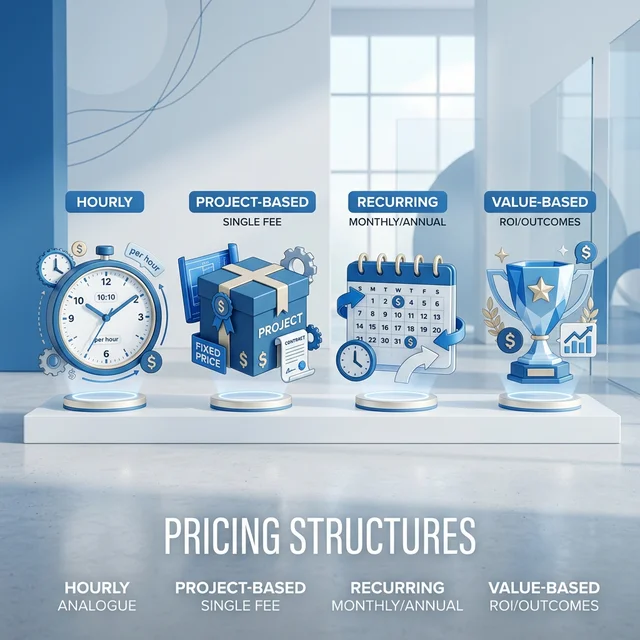
Navigating the Agency Ecosystem and Pricing Structures
For brands looking to scale their digital operations aggressively, relying solely on organic reach is insufficient. Paid media amplification and professional content management are required. However, the digital marketing agency landscape in Nepal presents a wide variance in service quality and pricing.
The historical bottleneck of the NRB’s USD 500 annual limit on prepaid Dollar Cards effectively prevented small to medium enterprises from scaling their ad budgets independently. While IT exporters can access higher limits, it remains restrictive for broad retail or service businesses. The critical solution has been the introduction of Authorized Sales Partners.
Top-tier agencies in Nepal partner with entities like Httpool by Aleph (for Meta and TikTok) and Mediam by Aleph (for Google) to bypass cross-border payment restrictions. This architecture enables brands to execute large-scale, omnichannel ad buys billed entirely in Nepalese Rupees (NPR). Partnering with localized digital marketing agencies that have established direct billing lines with these authorized representatives ensures compliance with the 2% DST and 13% VAT regulations, while granting access to premium ad formats and enterprise-level targeting.
Standard Agency Pricing Tiers
When engaging a digital marketing agency in Nepal (such as Digital Terai, Ads Bee Media, or SMP), pricing structures vary significantly based on the scope of content production, platform management, and strategic depth.
- Basic SMM (NPR 15,000 – 25,000): 12–15 graphic posts, 2 platforms, basic community management. Does not typically include video production.
- Standard SMM (NPR 30,000 – 60,000): 20–30 posts, 3 platforms, inclusion of short-form video/Reels editing, active engagement management.
- Premium SMM (NPR 60,000 – 150,000+): Daily content across all platforms, dedicated video production shoots, influencer coordination, and advanced analytics.
- Paid Ad Management (NPR 10,000 – 30,000 + Ad Spend): Campaign strategy, ad creative design, targeting optimization, pixel setup, and ROAS reporting.
- SEO Services (NPR 25,000 – 200,000+): Ranges from basic local SEO to Enterprise SEO involving intensive technical fixes, content creation, and aggressive link-building.
Brands are advised to avoid agencies that compete solely on price (e.g., offering full-service management for NPR 10,000), as these providers typically utilize automated, low-quality techniques that fail to generate meaningful ROI and can potentially damage brand reputation.
Strategic Conclusions
As Nepal moves deeper into 2026, the digital attention economy is entirely monopolized by short-form video. The era of brand building through static imagery and passive text updates has definitively concluded. The imperative for Nepalese brands is no longer whether to adopt vertical video, but how to architect a mathematically sound, cross-platform strategy that leverages the unique strengths of each network.
1. Embrace Multi-Platform Redundancy
The temporary ban on TikTok in 2023 served as a stark warning against platform monopolization. Brands must maintain a diversified, active presence across the Meta ecosystem (Reels), ByteDance (TikTok), and Alphabet (YouTube Shorts) to insulate their marketing funnels against regulatory shocks and sudden algorithmic volatility.
2. Align Content with Algorithmic Psychology
Brands must stop treating all vertical video platforms as identical distribution channels. TikTok demands rapid, trend-jacking UGC designed for instant, ephemeral virality. Instagram requires aesthetic polish and aspirational branding optimized to drive e-commerce conversions and retargeting. YouTube Shorts necessitates keyword-driven, highly informative content designed to dominate search rankings for years to come.
3. Invest in Micro-Influencer Ecosystems
Brands should shift promotional budgets away from high-cost, low-conversion celebrity endorsements toward decentralized networks of micro-influencers. The authenticity, cultural resonance, and high engagement rates of creators in the 10,000 to 50,000 follower tier provide superior unit economics and build stronger, long-term consumer trust.
4. Leverage Localized Ad-Tech Infrastructure for Scale
To scale digital advertising effectively without violating NRB foreign exchange controls or running afoul of local taxation laws, brands must utilize Authorized Sales Partners. Transitioning media buying to NPR-billed accounts via entities like Httpool by Aleph and Mediam by Aleph ensures operational continuity, seamless tax compliance (2% DST and 13% VAT), and unlocks unlimited scalability for ambitious campaigns.
Ultimately, brand dominance in Nepal’s digital ecosystem requires a sophisticated synthesis of creative agility and data-driven infrastructure. By engineering content that respects the unique psychological intent of TikTok, Instagram, and YouTube, and backing that content with strategic, compliant paid media distribution, brands can convert fleeting digital attention into sustained, measurable revenue.
Related reading
- Explore all blog articles
- Digital Marketing Services in Nepal
- Programmatic SEO for Affiliate Sites: Scaling Conversions
-
[Social Video Strategy for Brands in Nepal 2026 Guide](/blog/social-video-strategy-nepal-brands/)