Learning Objectives
By the end of this chapter, you will be able to:
- Define Descriptive Analytics and its primary purpose.
- Identify the key question that descriptive analytics answers.
- Describe the main techniques used in descriptive analytics, such as reporting, data aggregation, and visualization.
- Understand the role of dashboards in monitoring business performance.
Descriptive Analytics: The Foundation of Business Insight
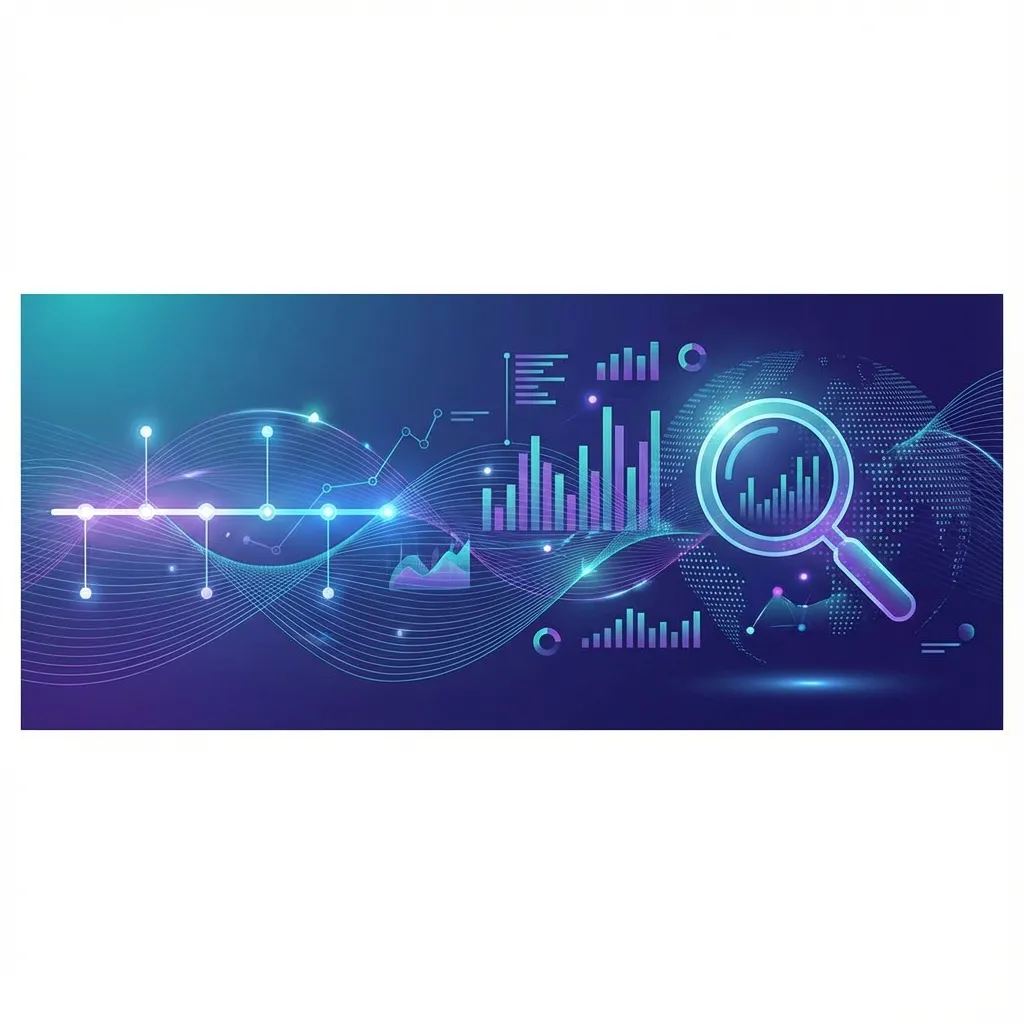
Descriptive Analytics is the most common and fundamental type of business analytics. It focuses on summarizing and analyzing historical data to understand what has happened in the past. It provides a retrospective view of business operations and performance.
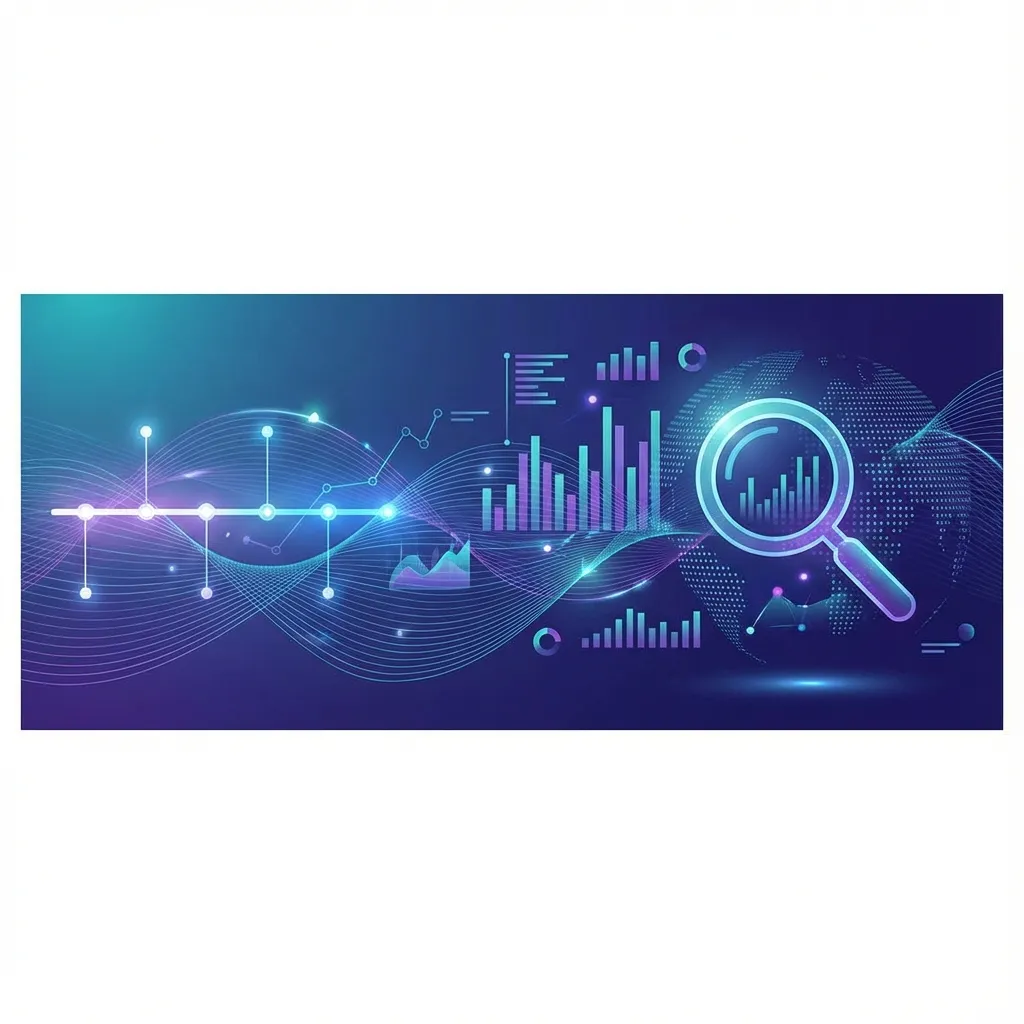 Figure 1: Descriptive Analytics Overview
Descriptive analytics is the foundation upon which the other types of analytics (predictive and prescriptive) are built. Before you can predict the future, you must first have a clear understanding of the past.
flowchart TB
    HIST["🗃️ Historical\nData"]

    HIST --> TECH

    subgraph TECH["Descriptive Techniques"]
        AGG["📊 Aggregation\nSum, Avg, Count"]
        VIZ["📈 Visualization\nCharts, Graphs"]
        RPT["📝 Reports\nScheduled Summaries"]
    end

    TECH --> DASH["📊 Dashboard\nKPIs at a Glance"]

    DASH --> ANS["❓ 'What Happened?'"]

    style DASH fill:#1565c0,color:#fff
    style ANS fill:#2e7d32,color:#fff
Figure 2: Descriptive Analytics Flow
The Question It Answers: “What happened?”
The primary goal of descriptive analytics is to answer questions about past events, such as:
- What were our total sales for the last quarter?
- Which of our products was the most profitable?
- How many customer complaints did we receive last month?
- What was our website traffic last week?
Key Techniques and Tools
Descriptive analytics uses a range of relatively simple statistical techniques and tools to summarize data:
-
Standard Reporting: This involves the creation of routine reports that provide a summary of key business metrics on a regular basis (e.g., daily, weekly, monthly). These reports are often delivered via email or through a corporate portal.
-
Data Aggregation: This is the process of gathering data and summarizing it in a simple, statistical format. Common aggregation techniques include calculating the sum, average (mean), median, count, and percentage.
-
Data Visualization: This is the practice of presenting data in a graphical format, such as charts, graphs, and maps. Data visualization makes it much easier to identify trends, patterns, and outliers in the data than looking at a raw table of numbers. Common visualization types include bar charts, line charts, pie charts, and heat maps.
-
Dashboards: A business intelligence dashboard is a data visualization tool that displays a real-time summary of Key Performance Indicators (KPIs) and other important business metrics on a single screen. Dashboards are a very common application of descriptive analytics, allowing managers to monitor the health of the business at a glance.
Business Examples
Descriptive analytics is used in every part of a modern business:
- Sales: A sales manager uses a dashboard to view total revenue by region, product, and salesperson for the previous quarter.
- Marketing: A marketing analyst creates a report showing the performance of a recent advertising campaign, including metrics like click-through rate and cost per acquisition.
- Web Analytics: A website manager looks at a Google Analytics report to understand the number of website visitors, the most popular pages, and the sources of the traffic.
- Human Resources: An HR manager reviews a report on the employee turnover rate for the past year, broken down by department.
While descriptive analytics is extremely useful for monitoring performance, its limitation is that it does not explain why something happened or what will happen in the future. That is the role of the more advanced types of analytics.
Summary
Descriptive Analytics is the essential first step in any data analysis journey, focused on summarizing historical data to answer the question, “What happened?” Through tools like reports, data aggregation, and visual dashboards, it provides a clear view of past business performance. While it doesn’t predict the future, it creates the foundational understanding necessary for more advanced predictive and prescriptive analytics.
Key Takeaways
- Descriptive analytics summarizes historical data to show what has happened.
- It is the foundation for all other types of analytics.
- Key tools include reports, data aggregation, data visualization, and dashboards.
- It is used to monitor Key Performance Indicators (KPIs).
Discussion Questions
- What is the difference between a report and a dashboard?
- Think of a business you are familiar with. What are three KPIs that its managers might want to see on a descriptive analytics dashboard?
- Why is data visualization often more effective than a simple table of numbers for communicating insights?