Only 56% of Nepal Is Online — The Stat Everyone Gets Wrong
You will hear two contradictory “facts” about Nepal’s internet: broadband penetration over 140% and only about half the country online. Both are true — and misunderstanding that gap is why many digital campaigns miss their audience.
Image: Arjan KC media library — internet governance in Nepal.
Two numbers, two stories
| Metric | Figure | Source | What it measures |
|---|---|---|---|
| Internet users | 16.6M (56%) | DataReportal Digital 2026: Nepal | People who actually use the internet |
| Still offline | ~13M (44%) | DataReportal | No internet use |
| Broadband subscriptions | 143–152% of population | NTA MIS | SIMs + lines sold, not unique people |
| Household internet | ~40% | NLSS 2022/23 via The Diplomat | Home access |
Marketing takeaway: Subscriptions measure capacity. User surveys measure reach. Plan campaigns on reach, not SIM counts.
The usage gap (ITU 2026)
Nepal re-entered the global ICT Development Index with a telling split: strong infrastructure scores vs weaker adoption scores — a pattern Kathmandu Post covered in July 2026. Fiber and 4G expanded; daily productive use lagged.
Digital literacy around 31% (The Diplomat) means many SIM owners do not use data-heavy apps for commerce.
What this means if you market in Nepal
Kathmandu Valley ≠ Nepal
Valley businesses can run Meta + Google + GBP-heavy playbooks. Provincial campaigns need:
- Nepali-language creative (not just translated English)
- Lighter pages (image compression, fewer scripts) — see Core Web Vitals fixes
- WhatsApp and phone as primary conversion paths outside urban cores
“Everyone is on Facebook” is overstated
DataReportal puts social identities at ~14.8M — not 30M. Facebook ad reach is real but not universal.
E-commerce optimism needs context
Electronic e-commerce payments grew 53% nationally — yet online retail share of total retail remains under 5% in most estimates. Digital payments ≠ digital shopping.
Three questions before you spend NPR 50,000 on ads
- Who is offline in my target district? (Age, gender, language)
- Do they buy through family in the Valley? (Proxy purchasers)
- Is my landing page usable on 4G with 720p screens?
If answer #3 is no, fix speed before scaling budget — PPC budgeting guide.
How to read conflicting internet statistics
You will see 48%, 56%, and 140% in the same week of news. Use this decoder:
| Stat | Usually means | Do not use it for |
|---|---|---|
| 140%+ broadband subscriptions | SIMs + lines sold | Unique human reach |
| 56% internet users | Survey-based active users | Ad impression forecasting alone |
| 40% household internet | Home Wi-Fi access | Mobile-only youth behavior |
| 14.8M social identities | Platform ad reach | “Everyone uses Facebook” |
When pitching a board or client, cite one user metric + one infrastructure metric — not the highest number in the press release.
Channel mix by region (practical defaults)
| Region focus | Primary channels | Secondary |
|---|---|---|
| Kathmandu Valley | Meta Reels, Google Search, GBP | TikTok tests |
| Pokhara / Chitwan tourism | Google + GBP + YouTube | |
| Provincial cities | Facebook Feed + phone/WhatsApp | Radio partnerships |
| Rural / low literacy | Agent network, SMS, print | Digital retargeting only after pixel data |
Our TikTok vs Reels split and hotel/trekking marketing guides expand channel choice by vertical.
Budget allocation when half the country is offline
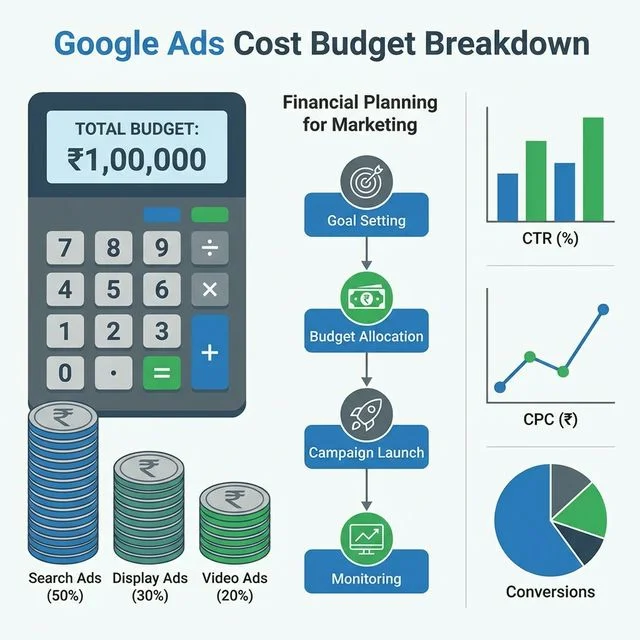
For a NPR 100,000/month SME marketing budget, a realistic connected-market split:
- 40–50% — performance ads (Meta/Google) targeting proven geos
- 20–30% — website speed, landing pages, payment UX
- 15–20% — content that answers local questions (AEO/GEO)
- 10–15% — offline bridge (SMS, event sponsorship, dealer training)
Cutting “offline bridge” entirely often wastes digital spend — family purchasers and proxy buyers still matter outside the Valley.
The optimistic read
Growth is real: +950k social users YoY (DataReportal), QR payments doubling, fiber to all 77 districts progressing. The opportunity is deepening use, not just selling SIMs.
Businesses that publish clear, local, mobile-fast answers — website cost tables, payment guides, GBP optimization — capture the growing connected middle. See AEO/GEO for Nepal.
Related reading
Arjan KC teaches digital marketing in Nepal and leads Gurkha Technology. Stats cited from public reports; user percentages vary by methodology.