Vibe Marketing Guide 2026: AI, Strategy & The Vibe Economy
Executive Summary
The year 2026 marks a definitive inflection point in the trajectory of global marketing communications. We have transitioned from the “Information Age” of marketing—characterized by feature-centric value propositions and rational persuasion—into the “Vibe Economy.” This new paradigm is not merely a stylistic shift but a fundamental restructuring of how brands create value, driven by the convergence of advanced generative artificial intelligence, a maturing Generation Z workforce, and the emergent consumer power of Generation Alpha.
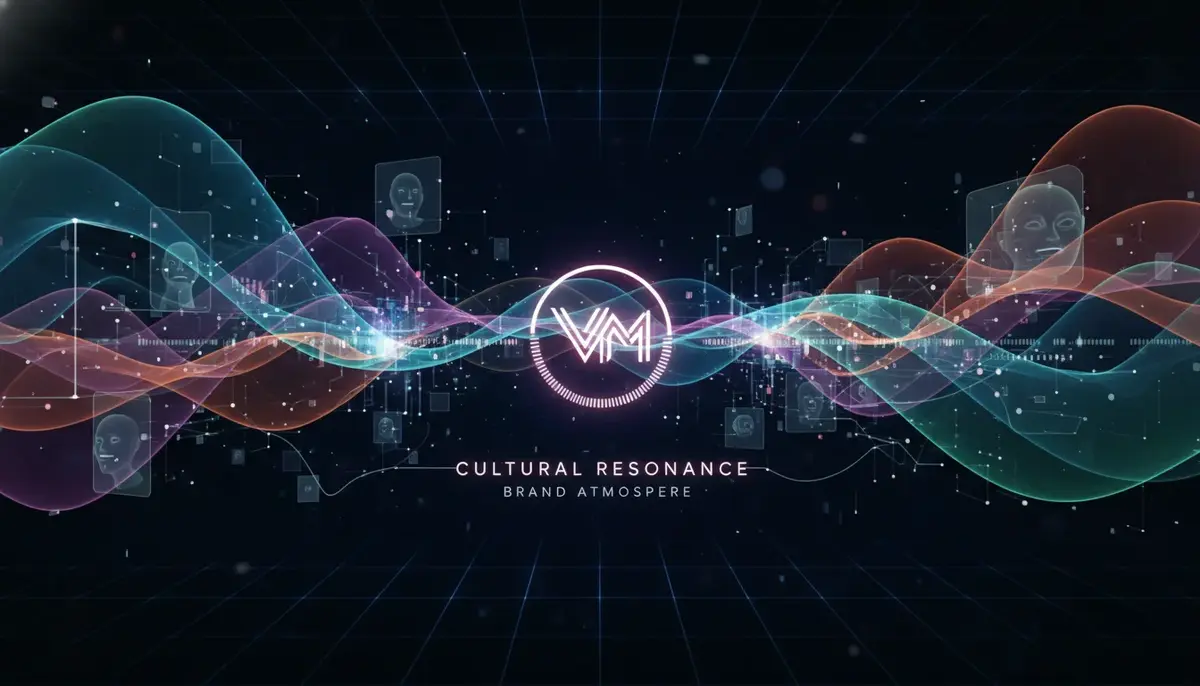
“Vibe Marketing,” a term that originated from the “vibe coding” phenomenon of early 2025, has crystallized into a rigorous discipline. It prioritizes the creation of specific emotional atmospheres (“vibes”) and cultural resonance over traditional demographic targeting or benefit-led messaging. This report, drawing on extensive market analysis and expert insights, argues that mastering vibe marketing is no longer optional for high-growth enterprises; it is the primary lever for sustainable differentiation in a saturated media landscape.
Key findings indicate that organizations adopting vibe-centric strategies are seeing revenue growth accelerate by up to 60% compared to traditional peers, while simultaneously reducing content production costs by nearly 80% through AI-driven automation. However, the successful execution of this strategy requires a radical reimagining of the marketing function—from the rise of the “Chief Vibe Officer” in the C-suite to the adoption of “agentic” AI workflows that allow single practitioners to replicate the output of entire departments.
This comprehensive guide dissects the theoretical underpinnings, technological infrastructures, aesthetic codes, and execution frameworks that define vibe marketing in 2026. It offers a roadmap for navigating the “authenticity imperative” of modern consumers and provides a rigorous methodology for quantifying the ROI of intangible assets like mood, sentiment, and cultural relevance.
Chapter 1: The Ontology of Vibe Marketing
To navigate the marketing landscape of 2026, one must first understand the etymological and philosophical roots of “vibe marketing.” It is a concept often misunderstood as synonymous with “cool” or “trendy,” but in practice, it represents a specific operational methodology derived from the world of software development.
1.1 The Etymological Roots: Vibe Coding & The Karpathy Pivot
The genesis of vibe marketing can be traced directly to February 2025, with a pivotal observation by Andrej Karpathy, a co-founder of OpenAI and former Director of AI at Tesla. Karpathy coined the term “vibe coding” to describe a new paradigm in computer programming where developers shifted their focus from writing syntax (the “how”) to describing the desired behavior and emotional “feel” of an application to an AI (the “what”). In vibe coding, the developer manages the high-level intent—the vibe of the software—while the AI handles the granular implementation details.
This philosophy migrated almost instantly to the marketing domain. Just as vibe coding democratized software creation by removing the barrier of syntax proficiency, vibe marketing democratizes high-level brand building by removing the friction of execution. In 2026, a “vibe marketer” operates much like a “vibe coder”: they function as a strategic architect who feeds “vibe” parameters—tone, aesthetic, emotional goal—into a stack of AI agents. The agents then generate the copy, visuals, and code required to manifest that vibe across omni-channel touchpoints.
This distinction is critical. Vibe marketing is not just “marketing with vibes”; it is a process of AI-mediated creation where the human role is elevated to that of a conductor or curator, rather than a solo instrumentalist. The core insight is that the value of a marketer in 2026 lies in “taste, positioning, and strategy,” while the “how” of production is increasingly commoditized by intelligence systems.
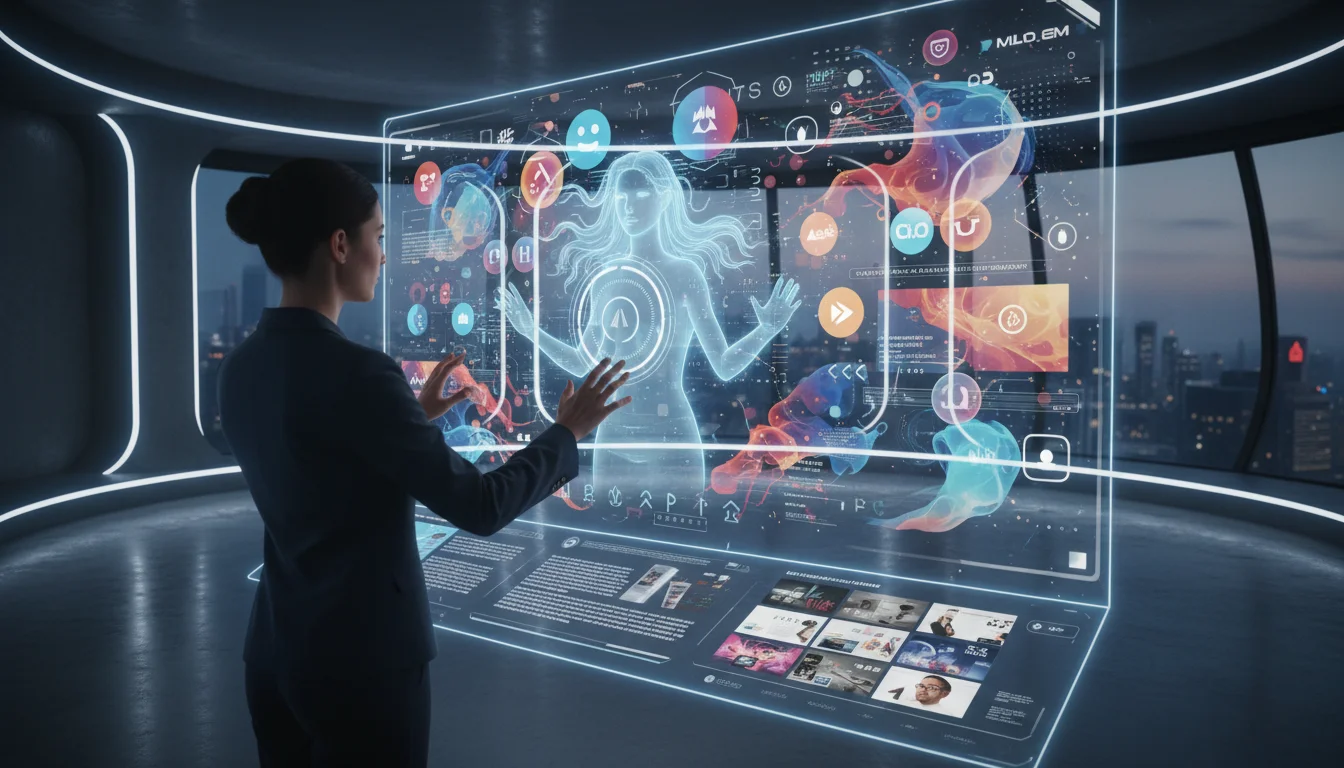
1.2 Defining the Undefinable: Vibe vs. Brand vs. Lifestyle
In the lexicon of 2026, precision is required to distinguish “vibe marketing” from its predecessors, particularly “lifestyle marketing.” While they share DNA, they operate on different psychological substrates.
- Lifestyle Marketing sells an identity or an aspiration. It says, “Buy this watch to be the kind of person who flies planes,” or “Drink this soda to be the kind of person who hangs out at the beach.” It is projective and often future-oriented.
- Vibe Marketing sells an emotion or an atmosphere. It says, “Engage with this content to feel this specific frequency of calm/chaos/nostalgia right now.” It is immediate, visceral, and sensory.
The distinction can be visualized through the “Boundaryless” concept. In traditional marketing, a brand might have a polished TV ad (lifestyle) that feels disconnected from a chaotic customer support interaction. In vibe marketing, the “vibe” is a unified field theory that governs every interaction. Whether a customer is watching a 15-second TikTok micro-drama, unboxing a product, or chatting with an AI support agent, the emotional texture—the “vibe”—must be consistent.
Table 1: Comparative Analysis of Marketing Paradigms
| Dimension | Traditional Marketing | Lifestyle Marketing | Vibe Marketing |
|---|---|---|---|
| Primary Objective | Awareness & Conversion | Aspirational Identity Alignment | Emotional Resonance & Cultural Relevance |
| Core Asset | Unique Selling Proposition (USP) | Brand Image & Narrative | “The Vibe” (Atmosphere/Mood) |
| Execution Speed | Quarterly/Annual Campaigns | Seasonal Collections | Real-Time / Hours |
| Aesthetic Value | Professional, Polished | Curated, Idealized | Lo-Fi, Ambient, Authentic |
| Technology Role | CRM & Analytics | Social Media Distribution | Generative AI & Agentic Workflows |
| Key Metric | ROI / CPA / Impressions | Brand Affinity / LTV | Sentiment Velocity / Cultural Impact |
1.3 The Socio-Economic Catalyst: The “Vibe Shift”
The ascendancy of vibe marketing cannot be separated from the macroeconomic context of 2026. Economists and cultural commentators have noted a pervasive “vibe shift” in the broader economy. While inflation metrics may have stabilized post-2024, the “vibes” of the economy remain “bad” in the public consciousness, driven primarily by a weak job market and stagnant income growth rather than price spikes.
This economic melancholia—or “frugal optimism“—has reshaped consumer priorities. The “Summer of Nothing” in 2025 signaled a retreat from conspicuous consumption. In this environment, high-ticket lifestyle promises feel out of reach or tone-deaf. Conversely, “vibes” are accessible. A consumer may not be able to afford the luxury lifestyle, but they can afford the vibe of a luxury experience through affordable indulgences—a trend seen in the explosion of “fancy sodas” like OLIPOP, which market a “wellness-inspired lifestyle movement” at a transaction price of a few dollars.
This economic reality fuels the “cozy aesthetic” trend. Consumers are seeking refuge from economic anxiety and digital overstimulation. Vibe marketing that delivers “calm,” “safety,” or “nostalgia” acts as a psychological balm. Brands that understand this shift are not just selling products; they are selling emotional regulation tools for a stressed populace.
1.4 The Philosophy of Boundaryless Experience
The final pillar of vibe marketing ontology is the concept of “Boundaryless” operations. In 2026, the silos between “product,” “brand,” “marketing,” and “sales” have collapsed. A “vibe” cannot exist solely in an ad; it must permeate the product design and the post-purchase experience.
This holistic approach is necessitated by the consumer’s ability to detect incoherence. A brand that projects a “chill, lo-fi” vibe on TikTok but delivers a bureaucratic, high-friction return process creates a “vibe clash” that destroys trust. Therefore, vibe marketing is an organizational imperative, requiring alignment from the supply chain to the social media manager. It treats the brand as a “living organism” rather than a static entity, requiring continuous, real-time attunement to cultural signals.
Chapter 2: The Psychological Terrain
The effectiveness of vibe marketing is rooted in its alignment with the specific psychological profiles of the dominant consumer cohorts in 2026: the mature Generation Z and the ascending Generation Alpha.
2.1 Gen Z: The Authenticity Imperative & Lo-Fi Culture
By 2026, Generation Z constitutes a massive portion of the workforce and consumer spending power. Having come of age during a global pandemic and a climate crisis, their consumer psychology is defined by “Ego + Ideology”. They are acutely aware of value for money due to the cost-of-living crisis, but they remain fiercely ideological in their consumption.
The Rejection of Polish: Gen Z has declared war on “polished” advertising. They view high-production-value commercials as inherently deceptive. This has given rise to the “Authenticity Imperative,” where “lo-fi” content—shaky camera work, natural lighting, unscripted dialogue—is perceived as more trustworthy than studio content. Vibe marketing capitalizes on this by prioritizing “messy, unpolished human content”.
Vulnerability as Currency: In 2026, “vulnerability is the new authenticity”. Brands that admit to failures, show the “behind-the-scenes” chaos, or engage in self-deprecating humor (a hallmark of the “surreal silliness” trend) build deeper intimacy. This generation does not want a brand to be a hero; they want it to be a peer.
The “micro-drama” trend—social-first content series that feel like reality TV—feeds this desire for raw, emotional narrative over feature lists.
2.2 Gen Alpha: The Identity Pivot & Phygital Nativism
Generation Alpha (ages 11–16 in 2026) is reshaping the market with a distinct set of behaviors that differ from their Gen Z predecessors.
The Identity Pivot
As Gen Alpha enters their teen years, their consumption shifts from “play-based” to “identity-based”. While they were raised on tablets, their teenage rebellion is manifesting as a desire for physical validation.
- Peer Influence: Influence from friends and classmates has doubled in impact for this cohort, overtaking parental influence. They use brands as tribal signifiers to establish “fit” and “style” hierarchy within their peer groups.
- Sophistication Seeking: There is a sharp pivot in categories like personal care. Gen Alpha rejects “kiddy” marketing (fun/gentle) in favor of products that promise “confidence,” “scent,” and “effectiveness”. They want to be taken seriously.
The Phygital Paradox
Despite being the most digital generation in history, 66% of Gen Alpha prefer in-store shopping. They view the physical store not as a utility for acquiring goods, but as a “fun” social destination—a place to hang out with family and friends. This drives the need for “hybrid retail strategies” where the store’s “vibe” (lighting, music, interactivity) is as curated as a video game level.
2.3 The Psychology of Trust in an AI World
The omnipresence of AI in 2026 has created a “Trust Paradox.” As AI-generated content floods the internet (“AI Slop”), the value of “human” signals has skyrocketed. However, consumers are also comfortable with AI when it is transparent.
Research indicates that 70% of Gen Z consumers are willing to pay more for brands they perceive as emotionally authentic. “Trust” has replaced “persuasion” as the primary marketing goal. Vibe marketing builds trust not through claims of superiority, but through consistency of feeling. If a brand consistently delivers a “vibe” that aligns with the consumer’s internal state, it creates a psychological bond that bypasses rational skepticism.
2.4 Emotional Resonance vs. Rational Persuasion
The core psychological shift in 2026 is from the “Head” to the “Heart.” Traditional marketing assumes a rational consumer who weighs features and benefits. Vibe marketing assumes an emotional consumer who seeks resonance.
Neuroscientific principles applied in 2026 marketing suggest that “emotion drives attention, and attention drives loyalty”. In an attention economy where consumers are bombarded with thousands of messages daily, the brain filters out “information” but retains “feeling.” Vibe marketing hacks this filter. A campaign that makes a user feel “seen” or “understood” (e.g., a meme about Monday morning anxiety) logs a permanent emotional marker in the brain, whereas a discount code is forgotten instantly.
Chapter 3: The Technological Engine
While psychology provides the “why” of vibe marketing, technology provides the “how.” The leap in productivity and capability in 2026 is driven by an advanced stack of AI tools that have moved beyond simple chatbots to become autonomous creative agents.
3.1 The AI-Human Symbiosis: From Prompt to Product
The operational model of 2026 is “AI-Enhanced Speed.” Statistics show that 68% of vibe marketing practitioners use AI tools for content generation, shrinking concept-to-launch cycles from months to days.
The relationship is symbiotic. The human marketer acts as the “Vibe Architect,” defining the parameters. The AI acts as the “Vibe Coder,” generating the assets. This has solved the “blank page problem.” A marketer no longer writes a blog post from scratch; they review 10 AI-generated variations and curate the best one, or blend elements from several.
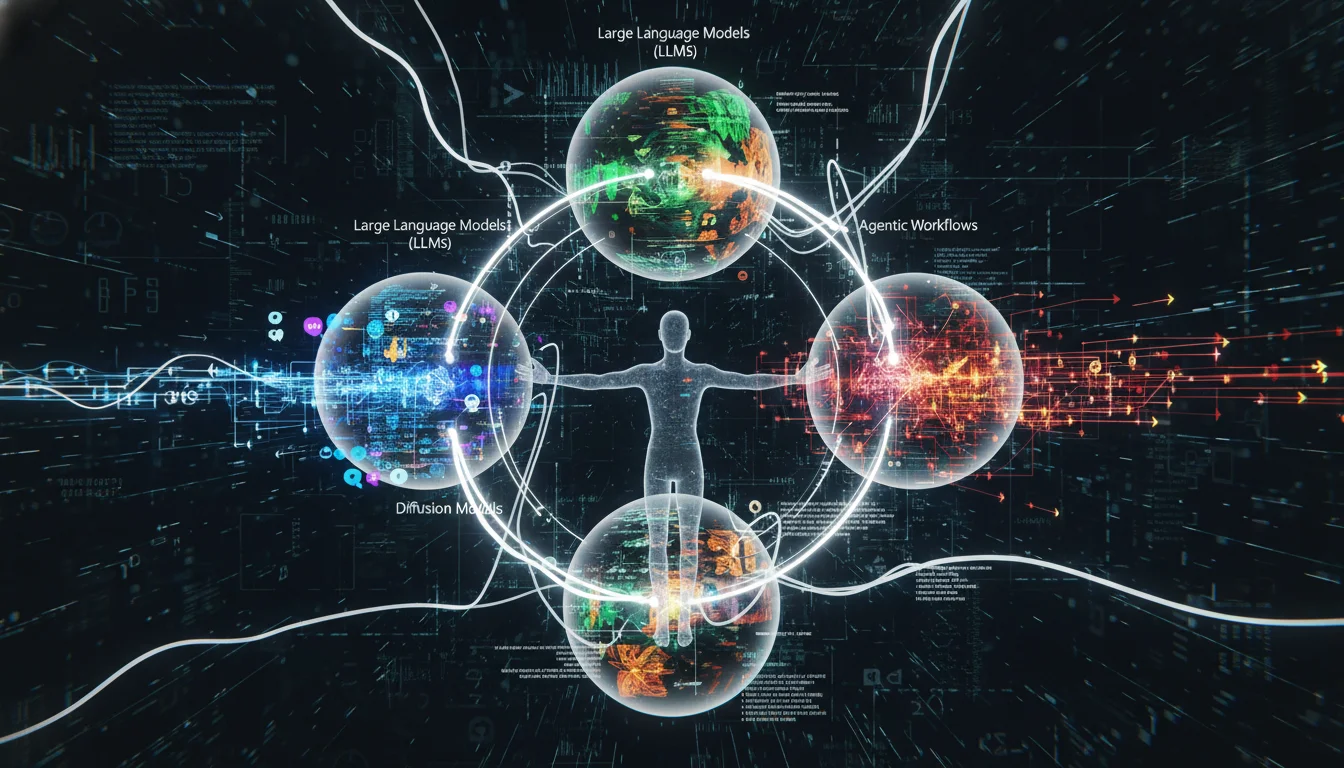
3.2 The Vibe Stack: LLMs, Diffusion Models, and Vibe Coders
The technological stack powering vibe marketing is diverse and specialized:
- Text & Tone (LLMs): Advanced models (iterations of GPT-5, Claude, etc.) serve as “brand voice twins.” These are not generic models but fine-tuned instances trained specifically on a brand’s historical content. They can switch tones instantly—from “professional white paper” to “unhinged Twitter thread”—while maintaining the core brand identity.
- Visual Generation (Diffusion Models): Tools like Midjourney and Adobe’s enterprise solutions have solved the consistency problem. In 2026, “character consistency” is a standard feature. Brands can generate a consistent mascot or ambassador in thousands of different scenarios without a photoshoot. Features like “Style Reference” allow marketers to upload a “mood board” and have the AI generate imagery that matches that specific aesthetic (e.g., “70s Kodak Portra 400”) perfectly.
- Video Vibe Coding: Platforms like Descript, Opus Clip, and emerging generative video tools (like LTX Studio) allow for “vibe coding” of video. Marketers can take a single long-form asset (a webinar or podcast) and instruct an AI to “create 10 TikTok clips that feel chaotic and high-energy.” The AI analyzes the transcript, sentiment, and audio levels to cut clips that match that specific emotional instruction.
3.3 Automated Brand Guardianship
A critical innovation in 2026 is “Automated Brand Guardianship”. As the volume of content explodes, maintaining consistency is impossible for humans alone. Brands now employ “Guardian Agents”—AI systems that sit between the content generator and the publishing platform.
These agents analyze every piece of content against the “Vibe Guidelines.” They check for tonal accuracy, visual consistency, and safety. If a generated post is “too aggressive” or “too corporate,” the Guardian Agent flags it or auto-corrects it before a human ever sees it. This ensures that the “vibe” remains pure even at infinite scale.
3.4 Agentic Workflows & The 10x Marketer
The result of this stack is the emergence of the “10x Marketer.” One marketer in 2026 can execute at the level of five 2020-era marketers.
This is achieved through “Agentic Workflows.” Instead of using AI as a tool (e.g., “write this email”), marketers use AI as a team (e.g., “Plan a campaign for this product launch, generate the assets, schedule the posts, and monitor the sentiment”).
- Ideation Agents brainstorm concepts based on real-time cultural data.
- Production Agents generate the copy and visuals.
- Optimization Agents test the variations and adjust spend in real-time.
This allows the human marketer to focus entirely on “Attunement”—listening to the cultural frequency and adjusting the dials.
Chapter 4: Aesthetic Architectures of 2026
The “vibe” is ultimately communicated through sensory channels. In 2026, the aesthetic landscape is defined by a tension between digital surrealism and grounding realism, alongside a sonic revolution.
4.1 Visual Semiotics: Ambient Realism
“Ambient Realism” is the dominant visual trend of 2026, acting as a visual antidote to the “metaverse hype” of previous years. It prioritizes “presence over performance”.
- The Look: Soft lighting, natural gradients, lived-in textures, and “imperfect” spaces. It avoids the stark, bright studio lighting of the early 2020s.
- The Feeling: Calm, grounded, intimate. It suggests a moment of pause.
- Execution: Brands use AI to generate visuals that simulate “candid photos taken on an iPhone” with slight motion blur or grain.
This aesthetic is heavily used by wellness, home, and CPG brands to evoke comfort.
4.2 Visual Semiotics: Hyper-Chromaticism & Surreal Silliness
Contrasting with Ambient Realism is “Surreal Silliness,” a trend driven by Gen Z’s love for “chaos” and the absurd.
- The Look: Bright, saturated, “hyper-chromatic” color palettes. It mixes realistic textures with impossible elements—e.g., a photorealistic cat piloting a spaceship made of fruit.
- The Strategy: This aesthetic is designed to “stop the scroll.” It leverages the AI’s ability to hallucinate creative combinations to produce imagery that captures attention through sheer novelty and playfulness. It signals that a brand doesn’t take itself too seriously.
4.3 Visual Semiotics: The Nostalgic Remix & Retro-Futurism
Nostalgia remains a potent force, but in 2026 it has evolved into a high-fidelity “Remix.”
- Technique: It is no longer just about a sepia filter. Creators use specific “film stock aesthetics” (e.g., Kodak Portra, Fujifilm) and “retro-futurist” design languages (e.g., 80s sci-fi interfaces).
- The Vibe: It evokes a “better time” while remaining firmly modern. It connects with the highest-spending generations (Millennials and Gen Z) by triggering deep-seated cultural memories.
4.4 Auditory Branding: The Rise of Sonic Systems
Audio has graduated from an afterthought to a core branding pillar. Brands in 2026 develop “Sonic Systems”—cohesive, flexible musical frameworks that adapt across platforms.
- Beyond the Jingle: It’s not about a 3-second sound logo. It’s about a “sonic identity” that includes UI sounds, background ambience for retail, and adaptive music for video content.
- Human vs. AI: While AI music is ubiquitous, premium brands use “Purpose-Driven Sound” created by human composers to signal quality and authenticity. Audio Network’s 2026 report highlights that “authentic, global sounds” are a key differentiator against generic AI background noise.
4.5 Spatial Audio & The Phygital Soundscape
Driven by advancements shown at CES 2026, “Spatial Audio” (3D sound) is now a standard marketing tool.
- Retail Application: In physical stores, spatial audio systems create “soundscapes” that shift as the customer moves through the aisle.
A swimwear section might sound like a beach (with spatial accuracy of waves), while the evening wear section sounds like a jazz club.
- Gaming: For the gaming demographic, spatial audio provides competitive advantages and immersion. Brands sponsoring games now demand spatial audio assets to ensure their ads don’t break the player’s immersion.
Chapter 5: Immersive & Experiential Frontiers
The “boundaryless” nature of vibe marketing extends into immersive digital and physical spaces.
5.1 AR Filters: From Gimmick to Identity Layer
Augmented Reality (AR) filters have evolved from “dog ears” to sophisticated “Vibe Layers.”
- Identity Projection: Brands create filters that allow users to project the brand’s aesthetic onto their own world. “Chaos packaging” filters or “retro film” lenses allow users to co-create content that aligns with the brand.
- Utility & Try-On: Gucci and Ray-Ban continue to lead with high-fidelity virtual try-ons, but the shift is toward “environmental” filters that change the lighting and mood of a user’s room, not just their face.
5.2 The Metaverse Archipelago: Roblox, Fortnite, & Beyond
The monolithic “Metaverse” concept has died; the “Metaverse Archipelago” has risen. This consists of distinct, thriving virtual worlds like Roblox, Fortnite Creative, and VRChat.
- Roblox: With over 151 million daily active users in 2026, Roblox is a primary channel. The new “Homepage Feature” allows brands to place portals directly on the user’s start screen, leading to immersive brand experiences.
- Fortnite: Brands like Nike (“Airphoria”) and Verizon have moved from simple skins to building entire “islands” and game modes. These are not ads; they are playable brand experiences. The focus is on “time spent” and “engagement payout”.
- Strategy: The goal is participation. Brands don’t just display logos; they provide utility (game items, levels) that enhances the player’s experience.
5.3 Retail Renaissance: Vibe-Based Brick & Mortar
Physical retail is experiencing a renaissance driven by Gen Alpha’s desire for social spaces.
- The Vibe Curator in Retail: Store staff are evolving into “Vibe Curators.” Their role is to manage the energy of the space—adjusting lighting, music playlists, and even scents to match the time of day and crowd energy.
- Modular Activations: Stores use “modular home theater” concepts and “sound showers” to create micro-experiences within the larger store. A customer can step into a “sound booth” to experience a product’s vibe in isolation.
Chapter 6: Strategic Execution Frameworks
To operationalize these concepts, successful brands employ rigorous strategic frameworks. The most prevalent in 2026 is the “Spot, Build, Test, Scale” model.
6.1 The “Spot, Build, Test, Scale” Methodology
This framework mimics agile software development.
- Spot: Use AI “social listening” tools (like Brandwatch or intense trend scrapers) to identify a rising cultural “micro-vibe” or friction point. E.g., “People are complaining about ‘Sunday Scaries’ using 80s horror movie memes.”
- Build: Rapidly prototype content to address this. Use generative AI to create 20 variations of a “Monday Motivation” post using 80s horror aesthetics.
- Test: Deploy these variations on low-stakes channels (Instagram Stories, TikTok). Measure “engagement velocity”—how fast do people react?
- Scale: If a specific variation hits a velocity threshold, immediately allocate paid media budget and spin up “derivative” content to flood the zone.
The Vibe Strategy Flywheel
This iterative process ensures that brand sentiment remains aligned with real-time cultural shifts:
graph TD
    A["<b>SPOT</b><br/>Identify Cultural Micro-Vibe"] --> B["<b>BUILD</b><br/>AI-Driven Multi-Variant Prototype"]
    B --> C["<b>TEST</b><br/>Deploy & Measure Engagement Velocity"]
    C --> D["<b>SCALE</b><br/>Paid Media Push & Derivative Content"]
    D --> A

    style A fill:#e1f5fe,stroke:#01579b
    style B fill:#fff3cd,stroke:#ffc107
    style C fill:#d4f1f9,stroke:#007bff
    style D fill:#f8d7da,stroke:#dc3545
6.2 Real-Time Cultural Participation
Vibe marketing requires brands to participate in culture as it happens. The 18-month campaign planning cycle is dead.
- Newsjacking 2.0: Brands use AI to monitor trending sounds and memes. If a specific song goes viral on TikTok, a brand can generate a vibe-aligned video using that sound within hours, not weeks.
- The Reactive Loop: Marketers use “continuous experimentation loops.” Every campaign is a learning loop. Feedback from today’s post informs the prompt for tomorrow’s AI generation.
6.3 Community Co-Creation & The Death of the Funnel
The traditional marketing funnel (Awareness -> Consideration -> Conversion) is replaced by the “Community Flywheel.”
- Co-Creation: Brands provide the tools for the community to market for them. “Remixable” assets, AR filters, and “open source” brand IP allow users to create UGC.
- Duets and Stitches: Marketing strategies explicitly design content to be “dueted” or “stitched” on TikTok. The brand starts a conversation; the community finishes it. This authentic UGC is far more potent than brand-owned content.
Chapter 7: Organizational Transformation
Implementing vibe marketing requires a new organizational chart. The siloed structures of the 2010s are obsolete.
7.1 The Rise of the Chief Vibe Officer (CVO)
The “Chief Vibe Officer” (CVO) has emerged as a critical executive role.
- Role Definition: The CVO is the custodian of the brand’s “soul.” They sit at the intersection of HR, Marketing, and Product. Their job is to ensure that the “internal vibe” (culture) matches the “external vibe” (marketing).
-
Examples:
- Troye Sivan x Smirnoff: Smirnoff appointed pop star Troye Sivan as “Chief Vibes Officer” to channel his “Go OFF” energy into the brand. This was not just a spokesperson role; he consulted on creative direction and cultural positioning.
- Atlassian: Internally, Atlassian uses rotating “Chief Vibes Officers” within teams to curate the mood of the work week, proving the role’s value in employee engagement.
7.2 The Marketer as Product Manager
In 2026, the distinction between “marketer” and “builder” is blurring. Marketers are becoming “Product Managers” of experiences.
- No-Code Building: Using tools like Vercel’s v0, marketers can “vibe code” simple apps, quizzes, or interactive microsites. Marketing is no longer just “messaging”; it is “utility.” A marketer might build a “Vibe Check” app for a campaign launch without writing a line of code.
7.3 Cross-Functional Vibe Squads
Organizations are moving to “Lean Team Structures”. Small squads of 2-4 people—comprising a strategist (human), a creative director (human), and several AI agents—can execute global campaigns. These squads operate with autonomy, guided by the “Vibe Guidelines” set by the CVO.
Chapter 8: Measurement & Econometrics
The skepticism surrounding vibe marketing often centers on measurement. “How do you measure a vibe?” In 2026, the industry has developed robust “Vibe Econometrics.”
8.1 The ROI of Vibe: Hard Metrics
Vibe marketing is not just about “soft” feelings; it drives hard cash.
- Revenue Growth: Brands prioritizing vibe strategies see 60% faster revenue growth.
- Cost Reduction: Content production costs drop by 70-80% due to AI automation.
- Stock Price: Cultural relevance drives valuation. Ocean Spray’s viral moment doubled its stock price. This “Vibe Premium” is now recognized by financial analysts.
8.2 Quantifying the Intangible: Sentiment & Cultural Relevance
AI tools allow for the quantification of sentiment with extreme precision.
- Sentiment Velocity: How fast does a positive sentiment spread? High velocity correlates with viral breakouts.
- Emotional Retention: Does the audience remember the feeling of the ad a week later? Neuro-analytics and sentiment tracking (using tools like Chattermill) measure this.
8.3 The CIIM & Trust Metrics
- CIIM (Cultural Insights and Impact Measure): Developed by the Alliance for Inclusive and Multicultural Marketing, this metric scores ads on their cultural relevance. High CIIM scores correlate with a 300% increase in purchase intent. It turns “cultural relevance” from a buzzword into a KPI.
- Trust Index: In the era of AI skepticism, “Trust” is tracked as a primary metric. Brands with rising trust scores outperform peers by 2x.
Table 2: The Vibe Marketing Scorecard
| Metric Category | Key Performance Indicator (KPI) | Measurement Tool | Target Outcome |
|---|---|---|---|
| Financial | Revenue Velocity | CRM / Attribution Models | +60% Growth Rate |
| Operational | Content Production Cost | ERP / Finance Systems | -70% Cost Reduction |
| Cultural | CIIM Score | Panel Surveys / AI Analysis | Top Quartile Relevance |
| Emotional | Sentiment Velocity | Brandwatch / Lexalytics | High-Speed Propagation |
| Brand Health | Trust Index | Longitudinal Studies | Double-Digit Lift |
Chapter 9: Case Studies in Vibe Excellence
The theory of vibe marketing is best understood through the lens of the brands that mastered it in 2025/2026.
9.1 Liquid Death x Ozzy Osbourne
- The Vibe: “Rebellious / Shock / Metal”
- The Execution: Liquid Death infused a batch of iced tea cans with Ozzy Osbourne’s actual DNA. This was a masterclass in “Shock Marketing” and “Vibe Alignment.”
- The Insight: It wasn’t about the tea; it was about buying a piece of the “Prince of Darkness.” It reinforced the brand’s “Death to Plastic” and “Murder Your Thirst” ethos with physical proof.
9.2 Heinz: “Looks Familiar”
- The Vibe: “Iconic / Nostalgic / Minimalist”
- The Execution: Heinz ran a campaign featuring their bottle shape and red color without the logo.
- The Insight: A strong vibe is recognizable without explicit branding. They leaned into “Universal Shape Association.” The vibe of the bottle is the brand. This signaled supreme confidence, which is a vibe in itself.
9.3 Dunkin’ x Sabrina Carpenter
- The Vibe: “Pop-Culture / Tongue-in-Cheek / Youthful”
- The Execution: Leveraging Sabrina Carpenter’s hit song “Espresso,” Dunkin’ launched a campaign full of puns (“Shake That Ess”) and music-video aesthetics.
- The Insight: Instead of trying to be cool, Dunkin’ borrowed cool. They identified a cultural wave (Sabrina’s rise) and surfed it.
This is “Cultural Parasitism” in the best way—aligning with a rising vibe to refresh a legacy brand.
9.4 KFC: “All Hail Gravy”
- The Vibe: “Cult-Like / Absurdist”
- The Execution: A campaign that treated gravy consumption as a religious/cult experience.
- The Insight: Embracing the “weirdness” of fan devotion. It acknowledged that for some, KFC is a guilty, almost spiritual pleasure. It validated the fans’ obsession.
9.5 IKEA: “Life in Stitches”
- The Vibe: “Relatable / Domestic / Humorous”
- The Execution: A social media content series focusing on the small, funny frustrations of domestic life.
- The Insight: By focusing on “micro-dramas,” IKEA tapped into the “Cozy/Messy” trend. It wasn’t about the furniture; it was about the life lived around the furniture.
9.6 ChatGPT: Brand Campaign 2025
- The Vibe: “Warm / Human / Helpful”
- The Execution: OpenAI avoided sci-fi tropes. They showed AI helping with mundane tasks—planning a trip, fixing a recipe.
- The Insight: To drive mass adoption, they had to “de-risk” the vibe of AI. They shifted the vibe from “Terminator” to “Helpful Neighbor.” This was a strategic “Vibe Pivot”.
Chapter 10: Conclusion & Future Outlook
10.1 The State of Vibe Marketing in 2026
Vibe marketing has matured from a niche experiment into the operating system of modern business. It is the natural response to a world where:
- Production is free: AI has driven the cost of content to zero.
- Attention is scarce: Consumers ignore information but respond to emotion.
- Trust is broken: “Polished” corporate messaging is rejected in favor of “authentic” vibes.
Brands that succeed in 2026 are those that have accepted they are no longer just manufacturers of goods, but “curators of atmospheres.” They have empowered their teams with AI to move at the speed of culture, and they have instituted the metrics to prove that “vibes” pay the bills.
10.2 Outlook: 2027 and Beyond
Looking ahead, we can anticipate:
- Bio-Feedback Vibes: As wearables (smart glasses, neural interfaces) advance, vibe marketing will begin to respond to the biometric state of the user. An ad might change its color palette if it detects the user is stressed.
- The Premium Human Tier: “100% Human Made” will become a luxury certification, much like “Organic” is for food. Brands will charge a premium for “artisanal vibes” created without AI.
- Algorithm-to-Algorithm Marketing: We will see the rise of marketing designed for AI agents. If consumers use AI shopping assistants, brands will need to “vibe code” their metadata to appeal to the purchasing algorithms, creating a layer of “Machine Vibe Optimization” (MVO).
In the final analysis, the definitive guide to marketing in 2026 is simple: Don’t just sell the product. Code the vibe.
Related Resources
- Digital Marketing Strategy Template for Nepali Businesses
- Google Ads Cost in Nepal: Complete Breakdown
- Facebook Ads vs TikTok Ads for Local Businesses
- Content Marketing Services in Nepal
Need Strategic Support?
If you want help turning these insights into an actionable growth plan, contact Arjan KC for consulting, campaign strategy, and team training.
Related Posts and Resources
- Digital Marketing in Nepal (Complete Guide)
- Google Ads in Nepal: Practical Strategy
- SEO Analytics for Nepali Businesses
- eCommerce Analytics Setup in Nepal
- eCommerce Metrics That Matter
- Email Marketing Guide for Nepal
- Email Marketing ROI in Nepal
- Facebook Ads Budget Guide (Nepal)
- Cultural PPC Strategy for Nepal
- Competitor Analysis Framework for Nepal