Parental Burnout: Understanding General, Single & Default Types
Introduction to the Parental Burnout Spectrum
The transition to parenthood has long been recognized as a profound psychological and systemic shift, characterized by immense joy, developmental milestones, and, inevitably, significant stress. However, when the chronic stress of parenting exceeds the psychological, systemic, and relational resources available to an individual, it precipitates a specific psychological condition known as parental burnout. Defined as a unique and context-specific syndrome that lies on a continuum between normative parenting stress and clinical depression, parental burnout represents a profound collapse of parental efficacy and emotional resilience. In 2019, the World Health Organization formally recognized occupational burnout syndrome in its International Classification of Diseases as a condition linked to fatigue, changing sleep habits, and substance use. While occupational burnout allows individuals the possibility of taking paid leave, changing careers, or physically distancing themselves from the workplace, the parental role is inescapable. This inescapable nature traps the individual in an emotionally draining environment without standard avenues for respite, significantly compounding the psychological toll.
The phenomenon of parental burnout is not merely a transient state of fatigue but a severe, multifactorial syndrome that fundamentally alters the parent-child dynamic. It is the result of a persistent, chronic imbalance between stress-enhancing demands and stress-alleviating resources. As modern parenting expectations have intensified, the prevalence of this syndrome has reached critical levels. Data from the American Psychological Association (APA) reveals that in 2023, thirty-three percent of parents reported high levels of stress in the past month, compared to twenty percent of other adults. Alarmingly, forty-one percent of parents indicated that on most days, they are so stressed they cannot function, and forty-eight percent described their stress as completely overwhelming. It is estimated that up to five million parents in the United States alone experience full-blown parental burnout each year.
Internationally, the footprint of this syndrome varies significantly based on cultural contexts. Research surveying over 17,000 parents across forty-two countries indicates that parental burnout affects five to eight percent of parents in individualistic, Western cultures. Individualistic cultures, which prioritize universalism, personal achievement, and nuclear family self-reliance, exhibit substantially higher rates of parental burnout compared to collectivistic cultures, which naturally integrate extended family support, tradition, and communal child-rearing practices.
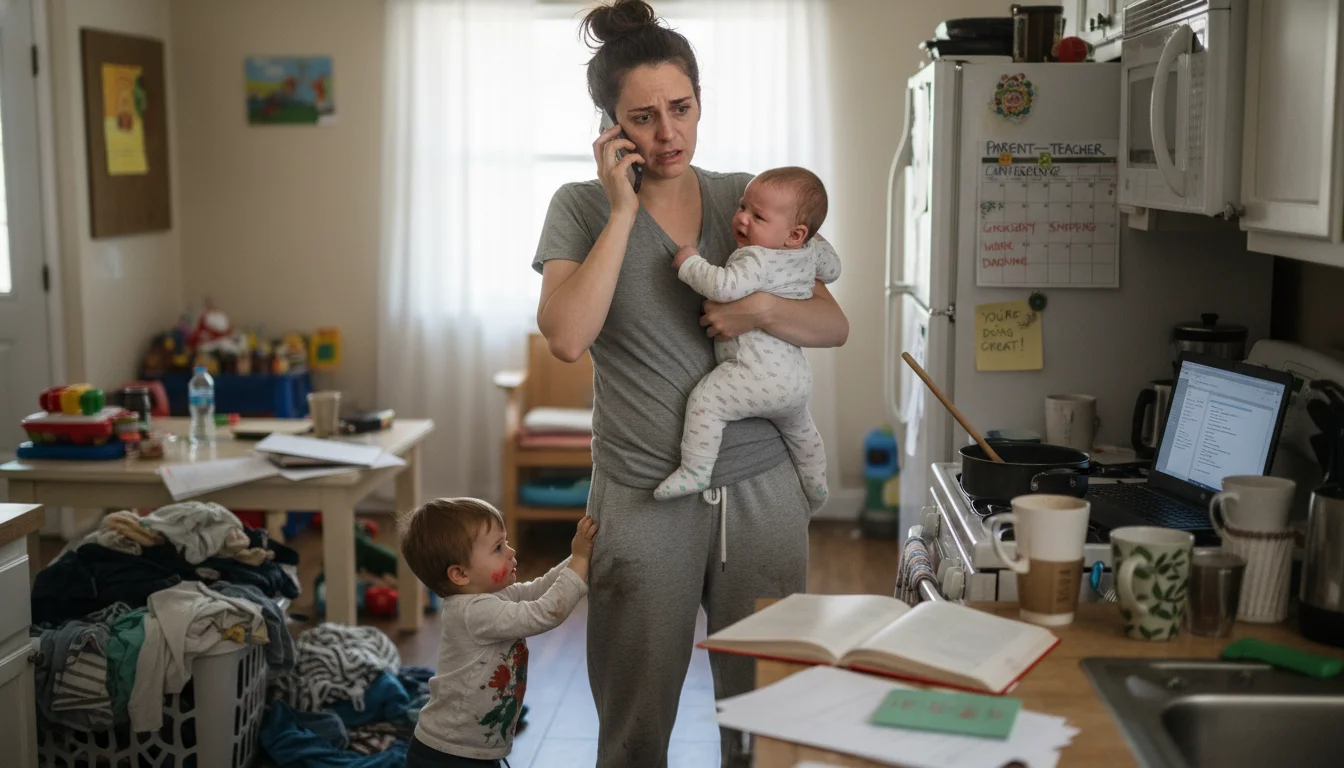
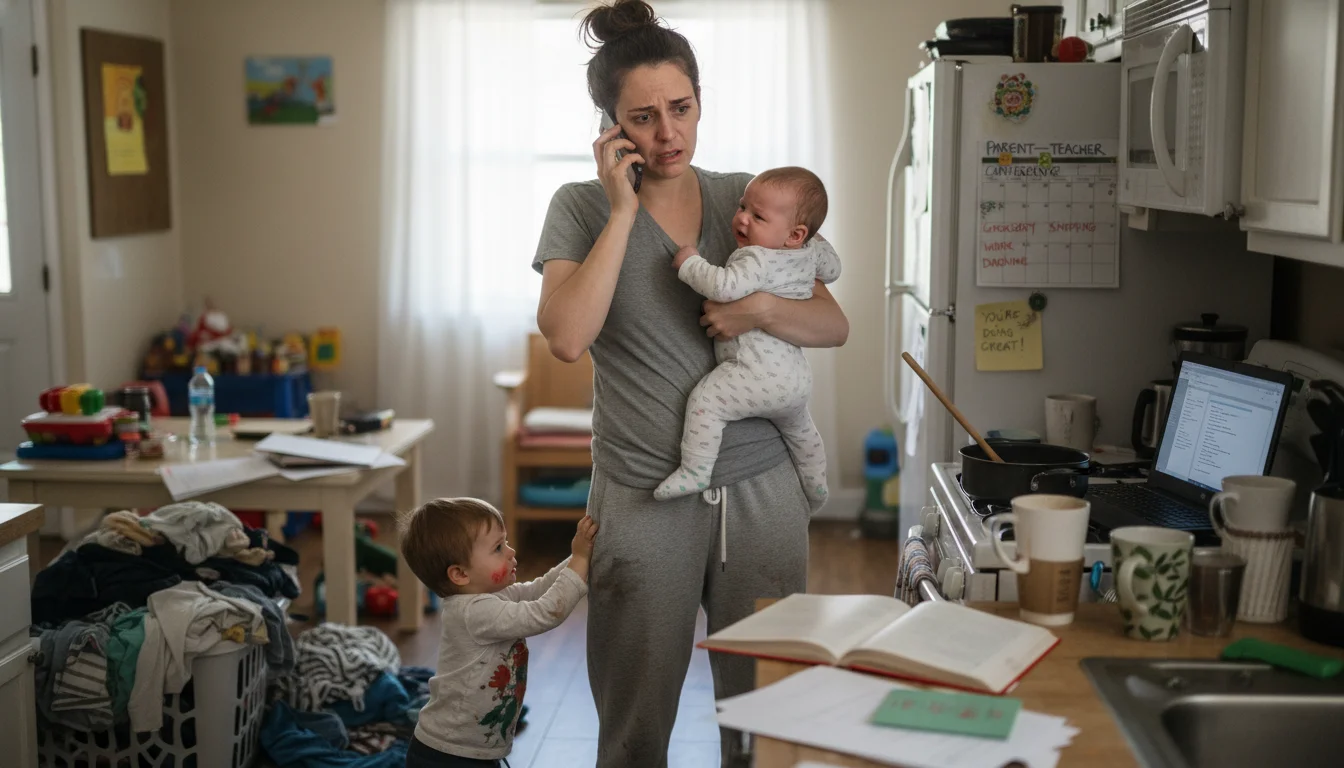
While the general syndrome of parental burnout shares a core diagnostic presentation, the pathways to emotional exhaustion are highly differentiated based on family structure and relational dynamics. A nuanced clinical and sociological understanding of this crisis requires delineating the phenomenon into three distinct but overlapping typologies: general parental burnout, single parent burnout, and default parent burnout. General parental burnout often arises from internalized pressures, perfectionism, child-specific challenges, or a sudden loss of support networks. Single parent burnout is primarily driven by absolute resource depletion, where the sheer volume of logistical, financial, and emotional demands falls entirely on one unpartnered individual. Conversely, default parent burnout occurs within two-parent households where systemic, often gendered, inequities result in one partner shouldering the vast majority of the invisible cognitive, managerial, and emotional labor. By examining the distinct etiologies, manifestations, and systemic consequences of these three typologies, this analysis provides a comprehensive framework for identifying, understanding, and treating the modern crisis of parental exhaustion.
Theoretical Foundations and the Clinical Assessment of Burnout
The conceptualization and diagnosis of parental burnout rely on robust theoretical frameworks that map the complex interplay of individual, relational, and societal factors. The dominant paradigm for understanding this condition is the Balance between Risks and Resources (BR2) model, which posits that burnout materializes only when a parent’s stress-enhancing factors drastically and chronically outweigh their stress-alleviating factors. Stress-enhancing factors include systemic demands such as family disorganization, restrictive parenting roles, child behavioral problems, and internalized vulnerabilities. Psychological theories surrounding coping and cognition heavily inform this model. For instance, Early Maladaptive Schemas (EMS)—defined as foundational mental beliefs that serve as filters through which individuals interpret life events—can predispose a parent to interpret normative child non-compliance as a catastrophic personal failure. Furthermore, an individual’s coping mechanisms, defined by Lazarus and Folkman as the set of cognitive and behavioral efforts made to manage stress, dictate whether a stressor is neutralized or allowed to compound into burnout.
To operationalize the assessment of this imbalance, clinical researchers developed the Parental Burnout Assessment (PBA), a validated twenty-three-item psychometric instrument that captures the multidimensional nature of the syndrome. Derived from an initial fifty-item pool through exploratory and confirmatory factor analysis (accounting for 66.59 percent of the variance), the PBA is considered the premier quality instrument for assessing parental burnout globally, having been translated and validated across numerous languages and populations, including Latin American and Chinese demographics. The assessment utilizes a seven-point Likert scale ranging from “never” to “every day,” allowing clinicians to map the severity of the psychological deterioration.
| PBA Subscale Dimension | Item Count | Clinical Presentation and Psychological Manifestation |
|---|---|---|
| Emotional Exhaustion in Parental Role | 9 items | The profound depletion of emotional and physical energy specifically related to the parenting role. Parents report feeling completely run down, drained, and lacking the energy to engage in basic parenting tasks. It is often the primary dimension to manifest. |
| Contrast in Parental Self | 6 items | The painful realization of the disparity between the parent one used to be (or aspired to be) and the parent one has become. This contrast generates inescapable distress, shame, and guilt, as the parent recognizes their own deterioration and uncharacteristic hostility. |
| Feelings of Being Fed Up | 5 items | A profound loss of fulfillment in the parenting role, leading to resentment and a desire to escape. Parents express that they can no longer stand their role, finding no joy or satisfaction in interactions with their children. |
| Emotional Distancing | 3 items | A psychological defense mechanism where the parent withdraws emotional investment to preserve remaining energy. The parent meets practical needs but becomes emotionally unavailable, cold, or disengaged, severely impacting child attachment. |
The diagnostic utility of the PBA is predicated on specific scoring thresholds. A clinical diagnosis of full parental burnout is indicated by a score of eighty-six or higher, which signifies that the parent experiences at least fifteen of the twenty-three symptoms every single day, or eighty percent of the symptoms several times a week. A risk or preliminary stage of parental burnout is identified at a score of fifty-three, indicating the parent experiences nine of the twenty-three symptoms daily.
Beyond individual psychometrics, the etiology of parental burnout is optimally understood through the lens of Ecological Systems Theory (EST), which maps risk factors across multiple strata of human experience based on extensive systematic literature reviews spanning from 2010 to 2023.
- At the microsystem level, individual vulnerabilities such as educational background, income, alexithymia (the inability to recognize or describe one’s own emotions), anxiety, depressive symptoms, and an unmitigated need for control serve as primary catalysts for burnout.
- The mesosystem level highlights the protective or destructive power of interpersonal relationships, particularly marital satisfaction, coparental support, and the quality of the parent-child bond.
- The exosystem encompasses broader organizational factors, including the number of children in the household, neighborhood support, child illness, and access to external social networks.
- Finally, the macrosystem level accounts for cultural and societal values, reinforcing why highly individualistic societies frequently report the highest incidence rates.
General Parental Burnout: Perfectionism and Systemic Overload
General parental burnout can affect any caregiver, regardless of marital status or the explicit division of household labor, as it often stems from a collision between high internal standards and overwhelming external realities. A primary psychological driver of general parental burnout is parental perfectionism, a condition exacerbated by the contemporary ethos of intensive parenting. In modern society, parenting has been elevated from a normative life stage to a highly scrutinized, performance-based endeavor. Parents are frequently inundated with conflicting, high-stakes information regarding child development, nutrition, passive screen exposure, psychological well-being, and academic success.
This creates a cultural environment where the baseline for “good parenting” is set impossibly high, leading developmental psychologists to note that the anxiety surrounding perfect parenting actually makes it substantially harder to simply be a good parent.

Perfectionistic parents engage in rigid, dichotomous thinking, viewing their parenting efforts as either complete successes or total failures. Because the unrealistic goals of perfectionism are rarely met, these parents suffer from chronic deficits in parenting self-efficacy—defined by Bandura as the belief in one’s capability to successfully execute parenting tasks. Over time, the anxiety associated with failing to meet these self-imposed or societally mandated standards drains the parent’s cognitive and emotional reserves. The pursuit of perfection ultimately undermines the parent’s ability to function, funneling them directly into the emotional exhaustion dimension of the PBA framework.
Furthermore, general parental burnout is highly susceptible to child-specific exosystem factors, most notably the presence of complex care needs. Parents raising children with intellectual disabilities, physical disabilities, or severe emotional and behavioral disorders face a disproportionate risk. These parents encounter chronic, unyielding stress that far exceeds normative developmental challenges. A comprehensive study conducted during the initial lockdowns of the COVID-19 pandemic utilizing Self-Determination Theory evaluated over five hundred parents in Belgium. The structural equation models demonstrated that parents of children with complex care needs reported substantially higher mean levels of both parenting stress and parental burnout compared to the general population. The chronic vigilance required to manage a child’s medical or behavioral crises rapidly depletes the parent’s psychological capital, forcing them into a state of survival where emotional distancing becomes a necessary, albeit damaging, coping mechanism.
The pandemic notably functioned as a universal stress-enhancer, dramatically shifting the baseline for general parental burnout worldwide. Between 2016 and 2019, the percentage of parents reporting they were coping “very well” with the demands of raising children decreased from 67.2 percent to 62.2 percent in the United States. The onset of COVID-19 precipitated a collapse of exosystem resources—such as safe daycare and in-person schooling—while exponentially increasing demands, locking millions of parents into an inescapable cycle of high-stress vigilance without the possibility of recuperation. This shared global trauma fundamentally altered the landscape of general parental burnout, demonstrating how quickly psychological resilience can fail when systemic scaffolding is removed.
The Brutal Mathematics of Single Parent Burnout
While general parental burnout is often driven by a mismatch between expectations and psychological capacity, single parent burnout is characterized by a fundamental, absolute deficit in structural, financial, and systemic resources. The prevalence of single-parent households is vast and expanding. Data indicates that twenty-three percent of children under the age of eighteen in the United States live with one parent and no other adults, a figure starkly contrasting with the global average of seven percent. In the U.S. in 2020, approximately 15.21 million children lived with a single mother, while roughly 3.27 million children lived with a single father. These families emerge through diverse pathways, including divorce, the death of a spouse, incarceration, or solo-parenting by choice, yet they share a unified vulnerability to profound resource depletion.
The primary catalyst for single parent burnout is the sheer volume of logistical and financial responsibility consolidated entirely onto one individual. Single parents must execute the dual roles of primary breadwinner and primary caregiver simultaneously, leaving absolutely no margin for error or rest. The daily demands of running errands, maintaining a household, managing finances, and facilitating childcare frequently spiral out of control, resulting in the parent feeling perpetually stretched to their breaking point. This operational overload prevents the single parent from engaging in adequate self-care, sleep, or decompression, causing stress to build insidiously until systemic burnout is reached.
Financial instability acts as a profound exacerbating factor in single parent burnout, distinguishing it sharply from the burnout experienced by middle-class, dual-income households struggling with perfectionism. The absence of a dual income stream, compounded by the exorbitant costs of single-handed childcare, places immense economic strain on these households. In developing contexts, such as among single mothers in India, the lack of financial resources and educational opportunities directly degrades the mother’s emotional and social well-being, increasing her vulnerability to severe mental health crises. This financial precarity transforms normative parenting stressors—such as a child’s minor illness requiring a day off work, or a broken household appliance—into existential threats, keeping the single parent’s nervous system in a state of chronic hyperarousal.
The psychological landscape of single parent burnout is heavily characterized by isolation, social exclusion, and a high risk of comorbid mood disorders. Without a partner to share the immediate emotional burden or provide real-time validation, single parents often internalize their struggles. Research demonstrates a complex interplay between lone parenthood, social exclusion, and clinical depression; single mothers with young children exhibit significantly higher rates of depression, anxiety, and stress compared to their partnered counterparts. Furthermore, single fathers face unique systemic hurdles that precipitate burnout. These include societal assumptions that actively undermine their role as primary caregivers, lower average incomes compared to partnered men, and a pronounced, gender-driven reluctance to seek formal assistance. Single fathers frequently rely entirely on informal support networks, making them highly vulnerable to rapid psychological collapse if those informal networks fail or become strained. Ultimately, single parent burnout is an exercise in survival, driven by the absolute deprivation of shared logistical and emotional support.
Default Parent Burnout and the Crushing Weight of Invisible Labor
In stark contrast to the absolute resource deprivation of single parenthood, default parent burnout occurs within two-parent households where resources theoretically exist but are highly inequitably distributed.
The “default parent” is the individual—overwhelmingly the mother, due to entrenched patriarchal norms, societal conditioning, and historical precedent—who automatically assumes the primary responsibility for the children and the logistical management of the household. Even in modern households where male partners consider themselves highly engaged, supportive, and active in child-rearing, the default parent dynamic frequently persists, leading to chronic exhaustion, intense marital conflict, and profound resentment.
The core mechanism driving default parent burnout is the accumulation of the “mental load,” also referred to in sociological literature as invisible labor. While physical household tasks (such as washing dishes, folding laundry, or bathing a child) are highly visible and theoretically easy to divide, the mental load encompasses the continuous, unseen cognitive background processing required to keep a family functioning. Research categorizes this invisible labor into three distinct, highly demanding domains: managerial, cognitive, and emotional.
Domain of Invisible Labor
| Domain of Invisible Labor | Definition and Scope | Practical Examples |
|---|---|---|
| Managerial Labor | The planning, organizing, supervising, and scheduling required to run a family unit. | Booking medical and dental appointments, arranging after-school activities, planning holidays, and coordinating childcare logistics. |
| Cognitive Labor | Anticipating the family’s future needs, researching various options, and remembering critical deadlines and details. | Knowing when a child will outgrow their clothing, researching the safest car seats or healthiest snacks, and remembering vaccination schedules. |
| Emotional Labor | The worry and concern associated with setting goals for the family, maintaining the well-being of all members, and managing social dynamics. | Comforting distressed children, monitoring the psychological health of the household, and ensuring the partner’s emotional needs are met. |
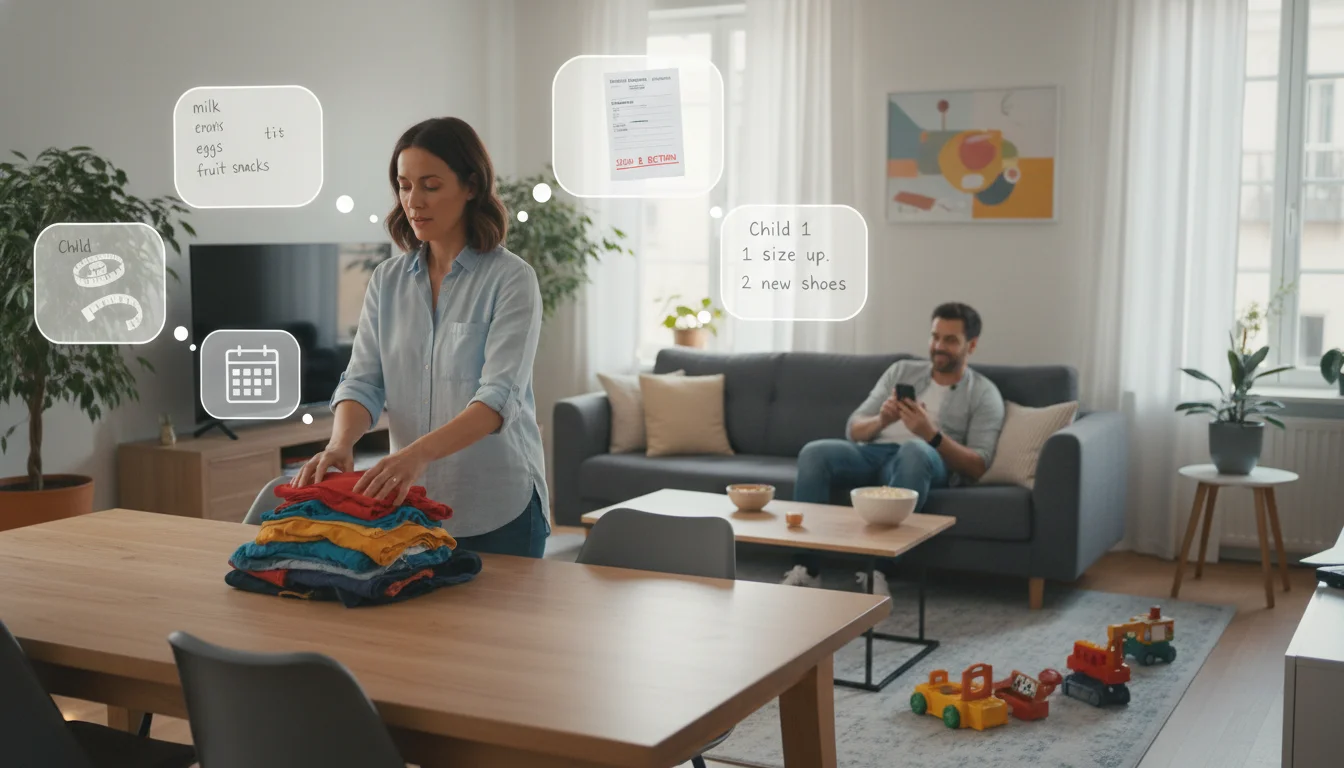
Because this labor is invisible, it is frequently unacknowledged, unvalued, and entirely misunderstood by the non-default partner, leading to a severe breakdown in communication and relational satisfaction. The default parent is left with a brain that is “running a high-stakes mental Olympics,” constantly tracking permission slips, outgrown clothing, meal planning, and emotional undercurrents, precluding any genuine psychological rest. The exhaustion stems not merely from doing more physical tasks, but from the immense cognitive burden of holding the entirety of the household’s emotional and logistical framework in one’s mind. A poignant example frequently cited in therapeutic and community forums highlights this disparity: a non-default partner may return from a three-hour leisure activity (e.g., the driving range) and immediately request an hour to “relax and regroup” from a busy weekend, entirely oblivious to the fact that the default parent experienced the exact same weekend while simultaneously managing the baby’s feeding schedule, researching and preparing solid foods, packing snacks, tracking water intake, managing nap transitions, and selecting outfits.
When default parents attempt to delegate tasks to alleviate their burnout, they often encounter the infuriating barrier of having to act as the project manager for their own household. If the non-default partner executes a physical task but requires the default parent to conceptualize the task, plan its execution, remind them to do it, and monitor the outcome, the mental load has not been relieved; it has simply been transformed into supervisory labor. The COVID-19 pandemic severely exacerbated this unequal distribution of unpaid domestic work and childcare. Extensive research demonstrates that during global lockdowns, families were heavily burdened with increased domestic tasks, and these tasks were consistently distributed to women’s detriment, impeding gender equality in workforce participation and income, and driving an epidemic of maternal burnout. This specific dynamic breeds a burnout characterized by intense marital resentment and a sense of feeling utterly unseen. The non-default parent may develop entirely unrealistic expectations of the default parent’s infinite capacity, further entrenching the imbalance and ultimately rupturing the familial system.
Systemic and Psychological Consequences on the Family Unit
The consequences of parental burnout extend far beyond the internal, private suffering of the individual caregiver; they permeate the entire family system, actively degrading the developmental and emotional environment of the children. The most immediate and observable consequence is the deterioration of the parent-child relationship. Driven by severe emotional exhaustion, the burned-out parent instinctively utilizes emotional distancing to conserve their rapidly dwindling energy reserves. This manifests clinically as a withdrawal of physical affection, a lack of active listening, and a general emotional coldness. The parent essentially ceases to be a source of co-regulation for the child, which is a vital component for the child’s neurological and emotional development.
As the condition deepens into the “feelings of being fed up” phase, the parent may increasingly rely on externalizing behaviors, such as neglect or outright hostility. This can include an increase in yelling, snapping over minor infractions, or utilizing passive avoidance strategies, such as leaving children in front of televisions or tablets for excessive periods simply to escape the demands of interaction. While the impact of these externalizing behaviors on child neglect and physical discipline is well documented, recent advanced longitudinal research has illuminated the insidious effect of parental burnout on a child’s internalizing difficulties. A comprehensive structural equation modeling study analyzing dyadic reports from over 2,200 parent-adolescent pairs demonstrated that parental burnout is strongly and positively correlated with adolescent internalizing symptoms, such as severe anxiety and clinical depression. This transmission of psychological distress is partially mediated by psychologically controlling parenting practices. An exhausted parent lacks the patience and cognitive bandwidth for autonomy-supportive parenting; instead, they utilize manipulation, guilt induction, or love withdrawal to force immediate compliance from the child.
Furthermore, parental burnout has a direct and measurable impact on a child’s academic trajectory. Research indicates a distinct correlation between the presence of parental burnout and the subsequent development of academic burnout in adolescents—a reaction caused by students’ failure to cope with academic stress—ultimately degrading long-term academic achievement. It is important to note, however, that adolescents possessing high Psychological Capital (PsyCap)—a higher-order psychological construct encompassing hope, optimism, resilience, and self-efficacy—are significantly buffered against these negative pathways. The indirect effect of parental burnout via psychological control is substantially weaker among adolescents with higher PsyCap, highlighting the critical importance of strengthening adolescents’ internal psychological resources through school-based interventions, particularly in high-stress family contexts.
Beyond the child, parental burnout has profound demographic, societal, and relational implications. The severe distress associated with the condition negatively impacts the willingness of couples to have more children, directly contributing to declining birth rates in regions where intensive parenting norms collide with insufficient systemic support. Within the home, the constant, unpredictable cycle of exhaustion, outburst, and subsequent parental shame creates a highly volatile emotional environment. Children raised in these environments may adopt parentified roles, attempting to manage the parent’s fragile emotional state or taking on adult household responsibilities prematurely in a desperate bid to alleviate the parent’s burden. This parentification severely interrupts the child’s normal developmental trajectory and plants the seeds for future codependency, hyper-independence, and systemic relational dysfunction in their own adult lives.
Evidence-Based Therapeutic Interventions and Coping Modalities
Cognitive Behavioral Therapy (CBT) and Cognitive Restructuring
For parents suffering from general burnout fueled by perfectionism, rigid expectations, and Early Maladaptive Schemas, Cognitive Behavioral Therapy (CBT) serves as a primary, highly effective intervention.
CBT operates on the principle that our thoughts directly influence our feelings and behaviors. Therapists utilize cognitive restructuring to help parents identify and challenge dichotomous thinking and internalized “shoulds”. By identifying cognitive distortions—such as catastrophic thinking regarding a child’s minor developmental delay, or the deeply held belief that a messy house equates to fundamental failure as a mother—parents learn to critically evaluate these thoughts rather than accepting them as absolute truths. Through brief CBT models, parents build the foundational skills to adopt a more flexible, realistic standard of parenting, utilizing problem-focused coping to direct their cognitive efforts toward recognizing the actual source of a problem and implementing practical solutions. This reduction in critical self-talk directly alleviates the intense psychological pressure that drives the emotional exhaustion component of burnout.
Acceptance and Commitment Therapy (ACT)
Acceptance and Commitment Therapy (ACT), a “third-wave” cognitive behavioral intervention, provides a profoundly effective framework for addressing the guilt, shame, and overwhelming anxiety inherent in all forms of parental burnout. Rather than attempting to suppress, fight, or eliminate negative emotions—which often exacerbates stress—ACT focuses on enhancing psychological flexibility through mindfulness and radical acceptance.
A core therapeutic technique utilized in ACT is cognitive defusion. When a parent is fused with a negative thought—such as “I am a terrible mother” or “I can’t keep up”—they experience it as a literal, defining truth, which paralyzes their ability to act effectively and reduces psychological flexibility. Defusion exercises create necessary psychological distance. For example, therapists guide parents to reframe the thought to, “I am having the thought that I am a terrible mother,” or to utilize mindfulness techniques like imagining their thoughts as “leaves on a stream,” simply observing them float by without engaging. This allows the parent to recognize that a feeling is present without letting it define their identity or control their behavior.
Furthermore, ACT emphasizes the “observing self” and values-based committed action. When a parent is trapped in the cycle of burnout, their actions are often dictated purely by avoidance or sheer survival. ACT guides parents to reconnect with their core parenting values (e.g., kindness, connection, patience, growth) and commit to small, manageable actions aligned with those values, even while experiencing the acute discomfort of exhaustion. Mindfulness practices integrated into ACT—such as the Stop -> Notice -> Choose formula during everyday stress, or brief grounding breathing exercises during a child’s prolonged tantrum—allow the parent to respond deliberately rather than reacting impulsively out of stress. Randomized controlled trials have demonstrated that ACT-based interventions significantly reduce parental burnout, decrease stress, and increase unconditional self-compassion, with positive effects maintained well beyond the intervention period.
Structural Equity: The Fair Play Method
To specifically combat default parent burnout, psychological interventions must be paired with tangible, structural household changes. The Fair Play method, developed by Eve Rodsky, provides an evidence-based, highly practical system for neutralizing the unequal distribution of the mental load and eliminating the default parent dynamic. The system operates by rendering invisible labor visible through a metaphorical (and physical) card deck consisting of one hundred cards, where each card represents a specific household or parenting responsibility—ranging from “Diaper Bag Packing” to “Medical Appointments”.
The critical innovation of the Fair Play method is the absolute enforcement of “full ownership.” Rather than the default parent holding the mental load and delegating the execution, the partner who holds a specific card must own the task across its entire lifecycle: Conception (noticing the task needs to be done), Planning (figuring out the logistics and parameters), and Execution (completing the task entirely without supervision, reminders, or rescue from the other partner). By transferring the entire cognitive, managerial, and emotional sequence of a task to the non-default partner, the method effectively dismantles the concept of a “default” parent and restores structural equity to the relationship. Certified Fair Play facilitators often integrate this method into couples therapy, guiding partners to deal the cards, track progress, and continuously adjust the division of labor as life circumstances change, thereby addressing the profound resentment and communication breakdowns that characterize default parent burnout.
Boundary Setting and Relational Preservation
For single parents and default parents alike, the establishment of rigorous psychological and systemic boundaries is a critical survival mechanism and a core component of therapeutic recovery. Single parents, in particular, often face intrusive advice, judgment, or a lack of systemic respect from extended family members, which drastically exacerbates their stress and triggers feelings of inadequacy. Psychologists recommend equipping parents with specific, rehearsed scripts to manage these interactions, halt parentification dynamics, and protect their limited energy reserves.
Effective boundary setting requires consistency, clear and direct communication, and a steadfast refusal to engage in defensive debates or over-explain one’s position. For example, when dealing with emotionally immature relatives who offer unsolicited, critical parenting advice, a parent might utilize a script such as, “I know you mean well, and I’ve got this covered. If I need input, I will definitely ask,” effectively acknowledging the intent while firmly and unequivocally closing the conversation. Alternatively, setting expectations upfront can mitigate stress: “I am working on trusting my own intuition and I would love it if you could listen with kindness and refrain from offering solutions”.
Furthermore, exhausted parents must practice setting limits with their own children to preserve their sanity and prevent externalizing behaviors. Clinical psychologists recommend utilizing empathetic but entirely immovable statements during conflicts to clearly define the boundary without escalation. For instance, getting to eye level and stating calmly, “I understand you are disappointed. Look at my eyes, I am not changing my mind”. Establishing and maintaining these firm limits prevents the parent from over-functioning, reduces the cognitive load of constant negotiation, and protects the family unit from external toxicity and internal volatility.
Global and Localized Support Infrastructures: A Focus on Nepal
While parental burnout is heavily researched in Western contexts, the rapid proliferation of single-parent households, economic volatility, and shifting socio-economic realities globally necessitate both digital support networks and localized, culturally competent physical infrastructure. Globally, digital communities provide immediate, low-barrier support for parents facing extreme isolation. Platforms like the Solo Parent app offer daily, scheduled online groups accessible via Zoom, providing specialized support such as “PALS: Parenting After Losing a Spouse” or “My Chapel” for faith-based community encouragement, proving that digital villages can effectively mitigate the severe isolation of single parent burnout. Similarly, anonymous platforms like Reddit host highly active communities (e.g., r/SingleParents, r/singlemoms) where parents can express the darkest realities of their exhaustion—including feelings of hating the parenting role and wanting to escape—without facing the devastating social stigma that prevents them from seeking help in their physical communities.
In developing nations, the infrastructure required to combat parental burnout must address both extreme psychological distress and severe economic deprivation. In regions like Nepal, particularly the Kathmandu Valley and remote mountainous districts, the traditional collectivistic family structure is undergoing massive transformation due to rapid urbanization, male labor migration to cities or neighboring India, and profound economic hardship. This exodus leaves many women functioning as de facto single mothers, bearing the absolute, crushing burden of agricultural labor, household management, and child-rearing in highly remote or resource-deprived settings.
To combat this extreme vulnerability, a robust network of non-governmental organizations (NGOs) and clinical facilities has emerged in Nepal, providing essential exosystem resources to stabilize families. Organizations such as the Centre for Mental Health and Counselling - Nepal (CMC-Nepal), established in 2003 in Thapathali, actively promote the psychosocial well-being of women and children, offering critical training and direct counseling services to communities. For the most vulnerable single-mother households, NGOs like the Bahini Educare Foundation, Forward Looking, and AAROH provide targeted economic interventions, vocational training, and educational support to prevent the worst forms of exploitation and alleviate the crushing financial stress that drives single parent burnout. Similarly, the Ama Foundation operates Ama Ghar, functioning as a permanent care home and educational safety net for at-risk children of single or destitute parents, thereby removing a catastrophic stressor from the struggling family system.
Early childhood intervention is also critical in these high-stress environments.
Programs like Save the Children’s “Early Start,” implemented with the Everest Club Dailekh, target pregnant women and mothers of children under three in remote villages, teaching early stimulation, positive parenting, and vital nutrition to prevent severe child malnutrition and support maternal mental health when the father is absent due to labor migration. Other organizations, such as Planete Enfants & Developpement and Children-Nepal, facilitate parent groups and family support programs that encourage income generation and self-management.
Category of Support in Nepal
| Category of Support in Nepal | Example Organizations / Entities | Primary Function / Intervention |
|---|---|---|
| Mental Health NGOs & Training | CMC-Nepal, Jaya Mental Health | Psychosocial counseling, art/play therapy for trauma, mental health human resource development. |
| Single Parent & Child Protection | Bahini Educare, Ama Ghar, Forward Looking, The Small World | Shelters, formal education funding, vocational training for single mothers, agricultural aid. |
| Early Childhood & Family Support | Save the Children (Early Start), Children-Nepal, Parents Selfhelp Group (Cerebral Palsy) | Nutrition, positive parenting workshops, self-help groups for parents of children with complex care needs. |
| Clinical Psychiatric Infrastructure | Rhythm Neuropsychiatry Hospital, Nepal Mediciti, Dr. Purushottam Adhikari | 25-bed psychiatric care, rTMS, Ketamine therapy, clinical psychology, child behavioral management. |
| Digital Peer Communities | Mommy A-Z, Preloved Baby Goods SG/Nepal variants | Exclusive peer support, sharing of maternal knowledge, trading of baby goods to alleviate financial strain. |
At the community level, parent self-help groups act as vital buffers against isolation. The “Parents Selfhelp Group” in Nepal specifically targets families of children with cerebral palsy and other severe disabilities, activating parents to advocate for their children while providing mutual emotional support and physiotherapy coordination—a critical intervention for mitigating the severe burnout associated with complex care needs. Furthermore, digital support networks have gained immense traction among urban populations in Nepal. Facebook groups such as “Mommy A-Z,” which carefully screens members to ensure a focused, supportive environment, provide an exclusive peer-supported space for mothers to discuss health, nutrition, and parenting challenges without judgment, effectively simulating the traditional community support structures that are increasingly disrupted by modern urbanization.
In terms of clinical psychiatric support for severe burnout, depression, and anxiety, facilities in Kathmandu have significantly expanded their capabilities to meet international medical standards. Institutions like the Rhythm Neuropsychiatry Hospital and Research Center offer comprehensive adult, adolescent, and child psychological services, including highly advanced, evidence-based interventions like rTMS (repetitive transcranial magnetic stimulation), Ketamine therapy, and family counseling within a specialized 25-bed facility. The Mind Clinic of Dr. Purushottam Adhikari and the clinical psychology departments at Nepal Mediciti provide specialized behavioral management, psychotherapy, and telepsychology services for families struggling with the profound psychological fallout of parental exhaustion. These institutions reflect a critical, growing recognition within Nepal that parental mental health is fundamentally foundational to community stability, shifting the societal paradigm from silent suffering toward proactive, structured psychiatric care.
Conclusion
Parental burnout represents a profound and accelerating crisis of the modern family system, manifesting when the relentless, inescapable demands of caregiving entirely eclipse the psychological, financial, and relational resources available to the parent. As this comprehensive analysis demonstrates, effectively diagnosing and treating this severe syndrome requires a precise, nuanced understanding of its distinct etiologies and typologies. General parental burnout, driven by the toxic combination of societal perfectionism, intensive parenting culture, and specific child vulnerabilities like complex care needs, demands deep cognitive restructuring. Through modalities like Cognitive Behavioral Therapy and Acceptance and Commitment Therapy, parents must cultivate psychological flexibility, dismantle unrealistic internal standards, and defuse from the catastrophic thinking that drives emotional exhaustion.
Single parent burnout, defined by absolute resource deprivation, profound social isolation, and severe economic precarity, necessitates urgent, tangible systemic interventions. Recovery for these parents relies on financial stabilization, the establishment of rigorous personal boundaries to protect limited energy, and the integration into robust community support networks—ranging from global digital platforms to localized NGOs that provide vital educational and vocational lifelines. Conversely, default parent burnout, rooted deeply in gendered inequities and the crushing, invisible weight of cognitive, emotional, and managerial labor, requires a fundamental, structural dismantling of the household dynamic. Frameworks such as the Fair Play method are essential to transition the mental load from the default parent, enforcing full ownership of tasks to distribute the burden equitably and heal the marital resentment that fuels this specific burnout typology.
The consequences of failing to address this vast spectrum of burnout are unequivocally dire, resulting in severe emotional distancing, the transmission of internalizing disorders and academic burnout to adolescents, the parentification of young children, and the fundamental destabilization of the family unit. However, through the rigorous application of evidence-based psychological modalities, the unapologetic establishment of firm systemic boundaries, and the robust fortification of community and clinical support structures, the devastating trajectory of exhaustion can be reversed. Mitigating the modern crisis of parental burnout requires a monumental societal and clinical paradigm shift: recognizing that healthy, sustainable parenting is not achieved through relentless, isolated self-sacrifice, but through the equitable distribution of labor, the absolute relinquishment of perfectionism, and the active, unapologetic preservation of the parent’s psychological capital.