Teaching Internet Governance in Classrooms: What Worked and What Did Not
Following my call to action for educators, I want to share my own report card. I’ve tried to teach Internet Governance concepts in my workshops.
Here is the honest breakdown of my experiments.
❌ What Failed: The History Lecture
I tried starting with the history of the internet (ARPANET, 1969, etc.). Result: Glazed eyes. Boring. Lesson: Students don’t care about how the internet was built. They care about how it works now. History is important, but it’s a bad hook.
❌ What Failed: The Acronym Soup
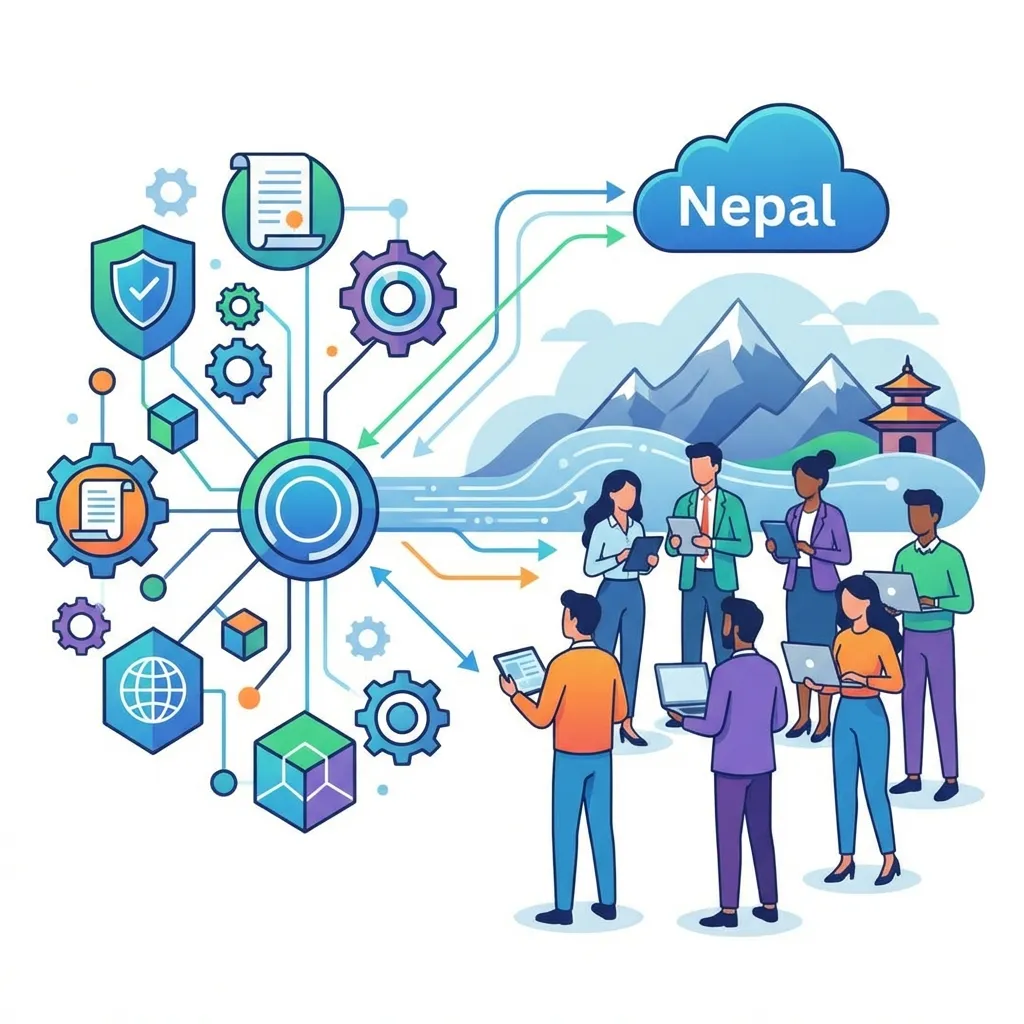
I tried explaining the “IG Ecosystem” chart (ICANN, ISOC, IETF, W3C, ITU…). Result: Confusion. Lesson: Structure is abstract. Focus on Issues first, then introduce the organizations as the players solving those issues.
graph TD
    A[Teaching Internet Governance] --> B{Approach?};
    B -- Failed --> C[History Lecture];
    C --> D("Glazed Eyes & Boredom");
    B -- Failed --> E[Acronym Soup];
    E --> F("Confusion & Abstraction");
    B -- Worked --> G["Issue-Based Learning"];
    G --> H("Relevance & Engagement");
    B -- Worked --> I[Experiential Methods];
    I --> J("Empathy & Understanding");

    style C fill:#FFDDDD,stroke:#CC0000,stroke-width:2px
    style D fill:#FFEEEE,stroke:#CC0000,stroke-dasharray: 5 5
    style E fill:#FFDDDD,stroke:#CC0000,stroke-width:2px
    style F fill:#FFEEEE,stroke:#CC0000,stroke-dasharray: 5 5
    style G fill:#DDFFDD,stroke:#00AA00,stroke-width:2px
    style H fill:#EEFFEE,stroke:#00AA00,stroke-dasharray: 5 5
    style I fill:#DDFFDD,stroke:#00AA00,stroke-width:2px
    style J fill:#EEFFEE,stroke:#00AA00,stroke-dasharray: 5 5
Figure 1: Contrasting Failed vs. Worked Approaches to Teaching IG
✅ What Worked: The Roleplay (The “Shutdown” Scenario)
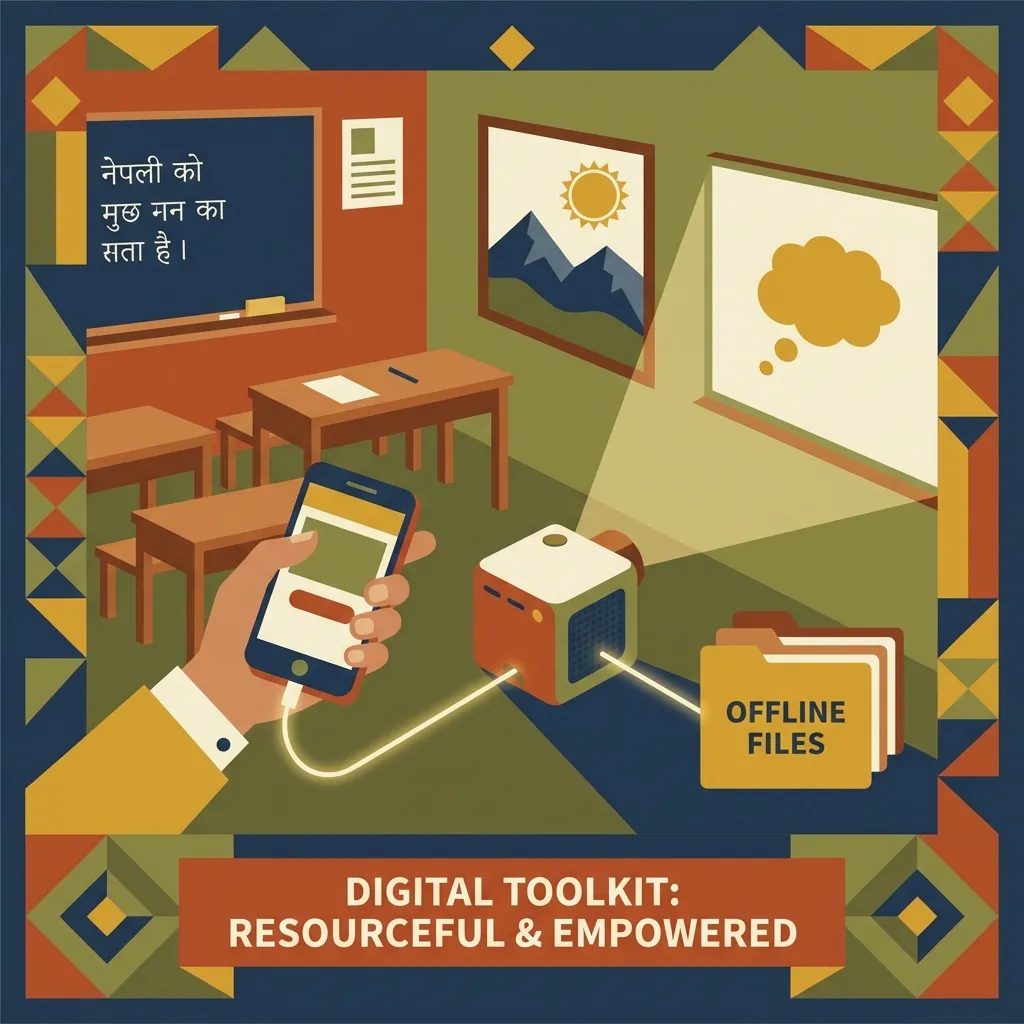
I divided the class into groups: Government, ISP, and Student Union. I gave them a scenario: “There are riots in the city. The Government wants to shut down the internet to stop rumors. Debat.” Result: Explosion of engagement. The “Government” group instantly invented arguments about safety. The “Students” argued for innovative ways to bypass blocks. Lesson: Gamification forces empathy and understanding of complex trade-offs.
✅ What Worked: The ‘Trace Route’ Activity
We ran a traceroute command to a popular site (like TikTok). We looked at the path.
“Why did our data go through India?”
“Why did it jump to Singapore?”
Result: Technical curiosity turned into geopolitical discussion.
Lesson: Anchor the abstract in the physical reality of the network.
Teaching IG isn’t about memorizing the names of Geneva conventions. It’s about sparking the realization that the internet is a human construct, and therefore, humans (like them) can change it.
Related Posts and Resources
- What is Internet Governance?
- Inside ICANN: Why It Matters
- Names and Numbers in Internet Governance
- The Multistakeholder Model Explained
- APNIC Internet Policy Basics
- Internet Governance in Nepal
- Why Nepalese Voices Matter Globally
- Consensus, Conflict, and Collaboration
- How to Engage in Internet Governance
- Model ICANN Lessons Learned \n\n## Visual Summaries\n
mindmap
  root((Effective IG Teaching))
    Start with Issues
      Current Relevance
      Student Interest
    Gamification & Roleplay
      Empathy
      Complex Trade-offs
      High Engagement
    Anchor Abstract in Physical
      Trace Route Activity
      Geopolitical Discussion
    Spark Realization
      Internet is Human Construct
      Students Can Influence
      Empowerment
Figure 2: Key Principles of Effective Internet Governance Pedagogy