Starting a Pressure Washing Business: 2026 Guide & Blueprint
The Evolution and Maturation of the Exterior Surface Cleaning Industry
The commercial and residential pressure washing sector has undergone a profound and irreversible transformation leading into the 2026 fiscal year. Historically characterized by low barriers to entry, highly fragmented competition, and an over-reliance on brute mechanical force, the industry has matured into a sophisticated, technology-driven service market. This rapid evolution is being propelled by several converging macroeconomic and technological factors, most notably the implementation of stringent environmental regulations, the advent of artificial intelligence in operational workflows, and shifting consumer expectations that prioritize ecological sustainability alongside aesthetic property restoration.
The modern pressure washing enterprise can no longer rely solely on the application of highly pressurized water. The discipline has elevated into an applied science, requiring a nuanced understanding of chemical substrates, algorithmic client acquisition, and rigorous environmental liability management. Operating a highly profitable exterior cleaning business in this decade demands a strategic synthesis of high-performance equipment procurement, precise economic modeling for service pricing, and hyper-local digital marketing architectures.
Furthermore, the globalization of service standards dictates that emerging markets, such as those in South Asia, are rapidly adopting the commercial frameworks, digital marketing strategies, and environmental compliances traditionally seen in mature Western economies. To provide a comprehensive analysis, this report synthesizes global industry benchmarks with a highly detailed, localized operational case study focused on establishing an enterprise within the rapidly developing jurisdiction of Kathmandu, Nepal. This exhaustive analysis delineates the capital requirements, technological infrastructure, chemical methodologies, pricing strategies, and marketing frameworks necessary to establish, operate, and aggressively scale a dominant pressure washing enterprise in 2026.
Strategic Business Formation, Planning, and Capitalization
The genesis of a scalable pressure washing entity begins with strategic capitalization and the formulation of a rigorous corporate architecture. A well-crafted business plan serves as the foundational document, outlining the executive summary, defining the specific target market (e.g., residential homeowners, commercial property managers, or industrial fleet operators), detailing the services offered, and establishing a rigid marketing and financial strategy. Before deploying capital, enterprise founders must conduct exhaustive market research to analyze regional competitors, identify gaps in local service offerings, and determine an optimal pricing strategy that balances market penetration with sustainable profit margins.
Capital Expenditure and Operating Expense Benchmarks
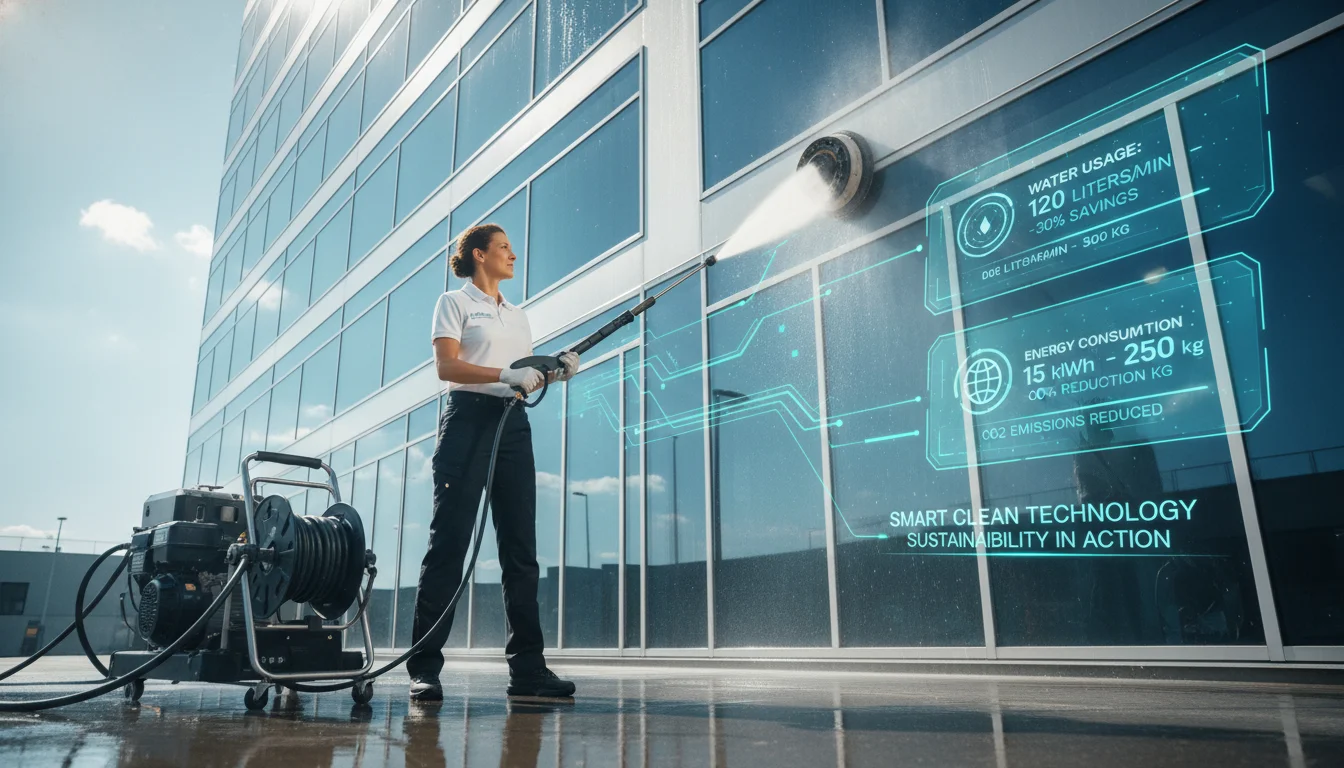
Financial projections for a foundational startup in 2026 indicate that the initial capitalization phase requires a highly calibrated allocation of resources across equipment acquisition, legal compliance, and initial customer acquisition channels. Market data suggests that core equipment and tooling demand a baseline investment ranging from $1,500 to $4,000. This capital allocation assumes the procurement of commercial-grade machinery capable of sustained daily operation, rather than consumer-grade alternatives that suffer rapid thermal degradation under commercial workloads.
Beyond hardware, the establishment of the legal entity, including business registration and municipal licensing, typically consumes between $100 and $500, depending heavily on the jurisdictional bureaucracy and the complexity of the corporate structure chosen. Risk transfer mechanisms, primarily in the form of commercial liability insurance policies, represent a critical and recurring operational expense that ranges from $500 to $1,500 annually for baseline industry coverage. Finally, the deployment of initial digital infrastructure—encompassing localized marketing materials, graphic design for brand identity, website development, and secure cloud hosting—necessitates an initial allocation of $300 to $1,300 in the first year to establish a credible and authoritative digital footprint.

Corporate Structuring and Jurisdictional Compliance
The selection of a corporate entity is a permanent strategic decision that dictates the future scalability, taxation liability, and personal asset protection of the enterprise’s founders. To understand the complexities of legal establishment, it is highly instructive to examine the registration protocols in rapidly formalizing economies, such as Nepal, where bureaucratic frameworks require meticulous compliance and documentation.
In such jurisdictions, establishing a limited liability vehicle, specifically a Private Limited Company, is universally recommended by legal consultants to shield personal assets from corporate operational liabilities. This corporate structure is highly efficient for non-regulated sectors like general supply and cleaning services, offering significant operational flexibility while allowing the capitalization table to expand up to a maximum of 101 founder shareholders.
The regulatory pathway mandates several sequential steps. Initially, the founders must reserve a unique corporate nomenclature through the central database of the Office of the Company Registrar (OCR), ensuring compliance with national naming conventions. Following name clearance, the enterprise must draft and submit its core constitutional documents: the Memorandum of Association (MOA), which defines the company’s objectives, and the Articles of Association (AOA), which dictate internal governance. The submission must be accompanied by the citizenship certificates of all directors, passport-sized photographs, and formally drafted resolution documents.
The financial cost of establishing this legal framework is intrinsically linked to the declared authorized capital of the firm. Registration fees for a standard private limited company generally span from NPR 9,500 for entities with minimal capital up to NPR 45,000 or higher for heavily capitalized commercial enterprises. Specialized legal and accounting firms within Kathmandu offer streamlined incorporation packages for approximately Rs. 11,300, which encompass name reservation, document preparation, and OCR filing.
Subsequent to central OCR registration, the enterprise must secure a Permanent Account Number (PAN) or Value Added Tax (VAT) certificate from the Inland Revenue Department (IRD). VAT registration becomes legally mandatory in Nepal if the service-based enterprise’s annual turnover exceeds NPR 2 million. Finally, localized operations mandate registration at the municipal ward office to secure specific operating licenses. To obtain a business license within the Kathmandu Metropolitan City (KMC), for instance, founders must present a comprehensive business plan, proof of property ownership or a notarized commercial lease agreement, verified business bank account details including the IFSC code, and localized address proofs such as utility bills.
For enterprises utilizing foreign capital injections, the regulatory friction increases substantially. Foreign investors must obtain prior investment approvals from the Department of Industry (DOI) or the Investment Board Nepal (IBN), secure specialized business visas from the Department of Immigration, and officially record the capital injection with the central bank, the Nepal Rastra Bank (NRB). Furthermore, these ventures are typically subject to a minimum foreign investment threshold of NPR 50 million. This rigorous, multi-tiered establishment process ensures that the enterprise is legally insulated, fully compliant with national taxation protocols, and properly positioned to secure high-value commercial contracts that require strict vendor vetting.
Technological Infrastructure and Hardware Procurement
Primary High-Pressure Systems and Flow Dynamics
The mechanical core of the operational matrix is the pressure washing base unit. In 2026, the absolute baseline industry standard for commercial viability requires machines capable of delivering a minimum flow rate of 4 Gallons Per Minute (GPM). Novice operators often mistakenly prioritize maximum pressure, measured in Pounds per Square Inch (PSI). However, flow rate is the superior and critical metric for surface cleaning efficiency. High GPM dictates the sheer volume of water available to flush and transport displaced contaminants away from the substrate once the pressure has broken the chemical bonds of the dirt. Without adequate flow, technicians waste countless hours manually rinsing dirty water from expansive concrete surfaces. Furthermore, to ensure longevity under grueling daily usage, these 4 GPM units must be powered by direct drive or belt-driven pump mechanisms, rather than the inferior axial cam pumps found in retail models.
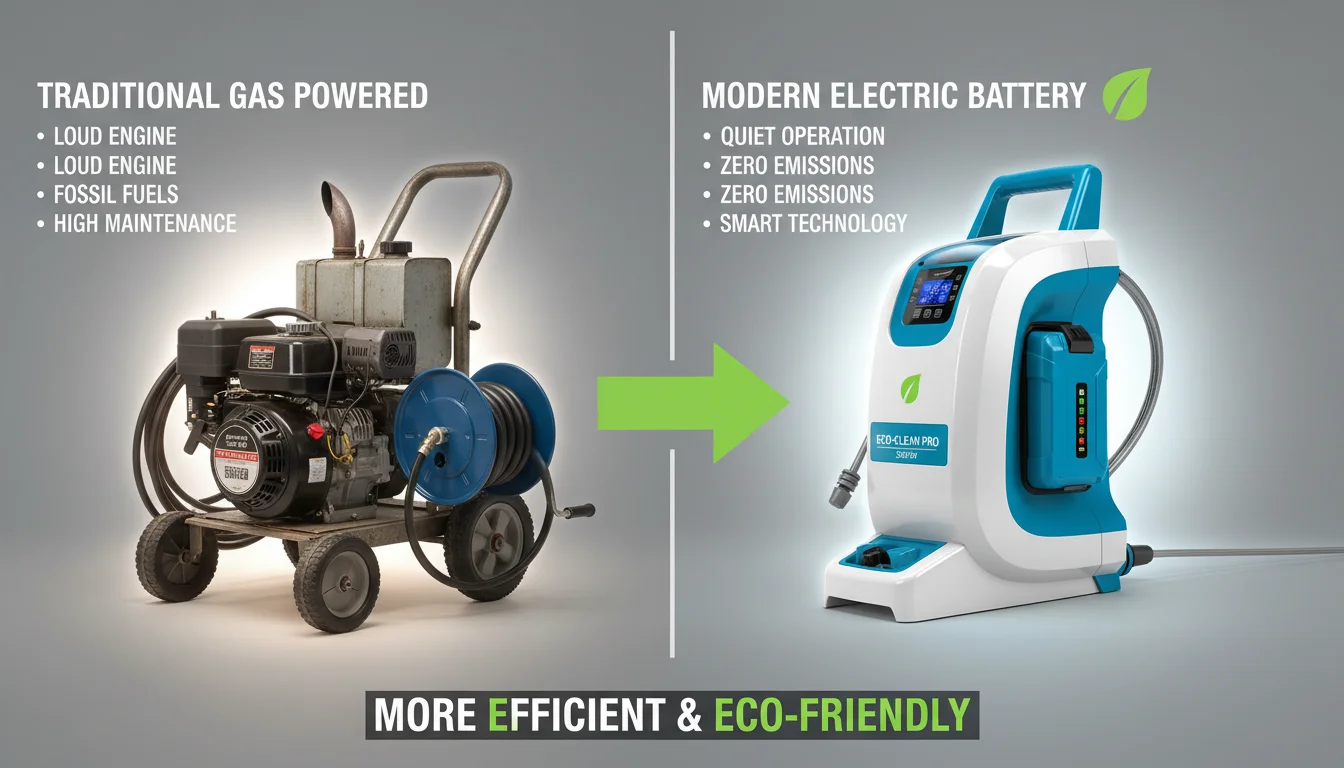
The global market presents a fascinating technological dichotomy between traditional internal combustion models and rapidly emerging electric variants.
While gas and diesel-powered units maintain supremacy in remote commercial and industrial applications due to their high output and untethered power delivery, electric pressure washers are aggressively capturing global market share. This systemic shift is catalyzed by international sustainability mandates, strict noise ordinances in high-density residential zones, and the desire to reduce direct carbon emissions. Furthermore, profound advancements in high-capacity lithium-ion battery technology have introduced viable cordless models, enhancing portability and positioning electric washers as a versatile, eco-friendly solution for diverse cleaning applications.
Procurement costs for these base units vary drastically based on geographic location, import tariffs, and specific motor technology. An analysis of the hardware market in Nepal provides a comprehensive view of the capital required to equip a commercial fleet in an emerging market.
Equipment Manufacturer and Model Specification
- Assur Cordless Battery Pressure Washer: 21V, NPR 10,000 – NPR 13,500
- Dingqi High Pressure Washer: 1400W, NPR 8,400 – NPR 9,375
- Total High Pressure Car Washer: 1400W (130 Bar), NPR 9,290
- Ingco Multipurpose Pressure Washer: 1400W (with 400ml foam lance), NPR 9,990
- FIXTEC High Pressure Cleaner: 1400W, NPR 11,990 – NPR 13,500
- BlackMax Electric Pressure Washer: 1500W (110 Bar, 6L/min), NPR 13,000
- Total Portable High Pressure Washer: 1800W (150 Bar), NPR 14,899 – NPR 17,800
- Ingco High Pressure Washer: 1800W, NPR 14,000 – NPR 15,572
- Black+Decker Pressure Washer: 1300W – 1800W, NPR 17,320 – NPR 31,000
- Bosch High Pressure Washer: 1500W, NPR 19,000 – NPR 21,000
- Karcher High Pressure Washer: 1400W, NPR 20,000
- Ingco Heavy Duty Washer: 2400W, NPR 40,000
- Total Commercial Induction Motor Washer: 3000W (1850 PSI, 14L/min), NPR 94,000 – NPR 106,000
As evidenced by the procurement data, establishing a true commercial-grade capability requires strategic purchasing. While entry-level 1400W models can be acquired for under NPR 10,000, investing in a commercial 3000W induction motor capable of outputting 14 liters per minute (approximately 3.7 GPM) requires a capital expenditure nearing NPR 100,000. This higher upfront investment yields exponential returns in hardware longevity, sustained operational pressure, and radically reduced labor times on site.
Auxiliary Tooling and Specialized Attachments
The base machine is only the power source; the application of that power requires specialized peripheral attachments. High pressure is inherently destructive to delicate architectural substrates such as asphalt roofing shingles, stucco, aged wood decking, and vinyl siding. Consequently, the modern enterprise must possess a highly diversified arsenal of nozzles and applicators.
Standardization of these auxiliary attachments is critical for operational efficiency. Technicians must be equipped with commercial surface cleaners—large, rotary hover-tools that attach to the pressure washer wand. These tools utilize twin rotating nozzles to clean flatwork (such as driveways and concrete parking lots) rapidly and uniformly, completely eliminating the “zebra striping” patterns and inconsistent cleaning lines characteristic of manual wand application. High-quality patio and horizontal brush attachments constructed from durable PP and PA66 materials are also vital for controlled scrubbing.
Additional mandatory inventory includes J-rods, which allow technicians to quickly switch between various spray patterns for multi-story chemical application without changing lances. Downstream chemical injectors are fundamentally essential; these devices introduce cleaning chemicals into the water stream after the high-pressure pump, ensuring that highly corrosive oxidizing agents never pass through and destroy the expensive internal pump manifolds. Furthermore, extensive commercial-grade hosing—typically consisting of at least one 100-foot industrial garden hose for supply and one 100-foot high-pressure wire-braided hose, mounted on durable hose reels—is required to minimize the necessity of constantly repositioning the heavy base unit during a deployment. Personal protective equipment, including heavy-duty rubber boots and dedicated eye and ear protection, is also a non-negotiable requirement for occupational safety.
Water Logistics and High-Capacity Storage Infrastructure
A profound operational bottleneck frequently encountered in municipal environments with inconsistent water pressure, or at remote commercial construction sites lacking utility hookups, is the availability of a continuous, high-volume water supply. Commercial pressure washers drawing 4 to 8 GPM will rapidly outpace the supply capabilities of standard residential or commercial spigots. If a machine demands more water than the supply hose can provide, it leads to pump cavitation—a destructive phenomenon where vacuum bubbles implode inside the pump manifold, causing catastrophic and irreversible equipment failure.
To systematically mitigate this risk, sophisticated commercial enterprises deploy large-scale buffer tanks. These high-capacity polymer or stainless steel storage tanks are permanently integrated into the transport vehicle or flatbed trailer. An analysis of the commercial storage market in Nepal provides specific pricing for these critical logistical assets.
Tank Manufacturer and Material
- Jagdamba Extra Heavy Polymer: 1000 Liters, NPR 8,500 – NPR 10,000
- Hilltake NEXT Water Tank: 1000 Liters, NPR 13,000 – NPR 16,000
- Panchakanya Stainless Steel: 1000 Liters, NPR 28,000
- Hilltake Extra Heavy Polymer: 3000 Liters, NPR 39,000 – NPR 43,000
- Nepatop Extra Heavy Polymer: 5000 Liters, NPR 64,000 – NPR 71,500
- Jagdamba Water Tank: 5000 Liters, NPR 65,000 – NPR 69,000
- Hilltake Extra Heavy Polymer: 5000 Liters, NPR 65,000 – NPR 70,000
- Shree Shine Vertical Stainless Steel: 5000 Liters, NPR 103,950 – NPR 115,500
- Hilltake NEXT Water Tank: 5000 Liters, NPR 137,000 – NPR 142,000
For extensive commercial operations, a 5,000-liter capacity is often required. The integration of these massive reservoirs ensures absolute operational autonomy, allowing cleaning crews to execute massive commercial flatwork, multi-story facade cleaning, or heavy industrial fleet washing contracts seamlessly, without relying on the client to provide adequate site utilities.
Automation, AI Integration, and Next-Generation Capabilities
Looking toward the vanguard of the industry in 2026, automation and artificial intelligence are aggressively transitioning from theoretical concepts to deployable, revenue-generating assets. The most highly capitalized commercial firms are beginning to integrate automated, drone-based pressure washing systems and autonomous robotic wall-crawlers. These systems are designed to service sheer high-rise facades and dangerous, hard-to-reach industrial infrastructure. By utilizing AI optimization, these systems mathematically plot the most efficient cleaning paths, dynamically adjust pressure settings based on surface feedback, and minimize resource usage. Crucially, the deployment of robotic systems entirely eliminates the severe occupational safety liabilities and massive insurance premiums associated with traditional scaffolding and human rope-access techniques, representing a paradigm shift in commercial exterior maintenance.
Chemical Methodologies and Ecological Sustainability
The efficacy of modern exterior cleaning is fundamentally driven by a complex chemical equation, rather than a purely mechanical one. The 2026 global regulatory landscape and shifting consumer conscience heavily penalize the indiscriminate use of toxic compounds, forcing a permanent industry pivot toward biodegradable surfactants, specialized degreasers, and highly calibrated oxidative processes.
The Science of Soft Washing
The most significant methodological advancement in the industry is the universal adoption of “Soft Washing”. Soft washing is a specialized, low-pressure cleaning method that completely eschews the destructive mechanical force of traditional pressure washers. Instead, it utilizes dedicated, low-voltage delivery mechanisms (often powered by 12-volt diaphragm agricultural pumps) to apply proprietary chemical solutions to delicate surfaces.
This methodology is absolutely critical for cleaning residential roofs, vinyl siding, historic stucco, painted surfaces, and wood fencing. Applying high pressure to an asphalt shingle roof will immediately dislodge the protective limestone granules, destroying the roof’s lifespan and exposing the contractor to catastrophic liability. Soft washing applies a chemical mixture that neutralizes biological contaminants—such as algae, lichen, moss, and toxic mold—at the cellular level. This approach not only prevents structural damage but provides a vastly superior, longer-lasting clean by chemically eliminating the root spores of the biological growth, rather than simply shearing off the top layer.
Oxidizers, Degreasers, and Industrial Formulations
The chemical cornerstone of biological stain removal and soft washing remains Sodium Hypochlorite (NaClO). This powerful oxidizer denatures the proteins in biological growth, rendering them inert and easily rinsable.
In markets like Nepal, industrial-grade Sodium Hypochlorite is a highly trusted and widely utilized commodity, sourced in bulk liquid concentrations (often 40KG to 60KG drums) from specialized industrial chemical distributors such as Royal Cleaning Services, Steelman Gases, and Nepal Chemical. Technicians utilize advanced proportioner valves on their rigs to dynamically mix this bulk oxidizer with water and specialized surfactants on-site, perfectly calibrating the chemical strength to match the specific severity of the biological growth on the target substrate.
For commercial applications involving heavy petroleum-based contaminants—such as motor oil on parking garage concrete or saturated grease in restaurant drive-thru lanes—oxidizers are ineffective. Instead, operators must deploy heavy-duty alkaline degreasers. These specialized agents are designed to break the resilient hydrocarbon bonds of the oil before the technician extracts the residue using high-pressure, thermal (hot water) washing systems. To mask the harsh odors of these industrial chemicals and provide a pleasant post-service environment for the client, operators often blend in specialized chemical perfumes. Distributors like Nepal Chemical provide a variety of these masking agents, such as “MGC Rose & Jasmine” or “Exotic Strawberry,” with wholesale prices ranging from NPR 1,600 to NPR 4,600 per unit, allowing for customized olfactory branding of the cleaning service.
The Shift Toward Biodegradable and Eco-Friendly Solutions
Environmental awareness has catalyzed a massive surge in the formulation of eco-friendly detergents that maintain industrial efficacy while rapidly degrading into harmless, non-toxic byproducts. Corporate facility managers, government entities, and environmentally conscious homeowners increasingly mandate the use of “green” chemicals to protect surrounding landscaping, safeguard aquatic ecosystems, and prevent the contamination of municipal water tables.
This demand has fostered the exponential growth of localized, sustainable chemical manufacturing sectors globally. In regions prioritizing sustainable enterprise, local manufacturers are producing specialized housekeeping and industrial cleaning agents utilizing completely biodegradable surfactants. Brands such as Safari Soap & Chemicals and Innovacorp Hygiene Solutions develop heavy-duty formulations specifically engineered to target local soil compositions—such as severe lime scale or industrial grease—without utilizing banned toxic additives or damaging the underlying substrate.
Furthermore, niche domestic companies are entirely focused on plant-based, non-toxic household and exterior cleaning products, reflecting a deep systemic shift in consumer purchasing behavior toward environmentally responsible brands. For example, Nepalese brands like Nilo Nadee specialize in biodegradable household products designed to be non-toxic to the local river systems, while companies like Rajdhani Trade Hub supply bulk Eco Multi-Purpose Cleaners designed to replace multiple toxic chemicals with a single, environmentally responsible, grease-cutting formula.
Service enterprises that build their supply chains exclusively around these eco-conscious manufacturers, such as Namaste Nepal Cleaning Services, utilize this as a core marketing pillar. By committing to eco-friendly, recyclable solutions that are gentle on physical assets and safe for the environment, these companies drastically differentiate themselves from legacy competitors, insulate themselves from environmental fines, and secure highly lucrative contracts with heavily regulated multinational corporations.
Environmental Law, Effluent Management, and Water Reclamation
The intersection of exterior chemical cleaning and stringent environmental law represents the most perilous liability zone for a modern pressure washing enterprise. The effluent—or wastewater runoff—generated during the commercial cleaning process is a highly toxic slurry. It contains suspended heavy metals, petroleum hydrocarbons, oxidized biological matter, and highly concentrated chemical surfactants. This toxic runoff can no longer be indiscriminately swept or discharged into municipal storm drains, which typically empty directly into local waterways without passing through treatment facilities.
Regulatory Frameworks and Strict Effluent Standards
Governments globally are enforcing draconian penalties for wastewater violations in a desperate bid to protect fragile aquatic ecosystems and prevent the overwhelming of municipal water treatment infrastructure. Analyzing the legal architecture of a rapidly developing urban center like Kathmandu provides a stark and clear illustration of this global regulatory tightening.
Nepal is actively grappling with severe water pollution crises, most notably the degradation of the sacred Bagmati River, which has been heavily compromised by the direct discharge of untreated domestic and industrial waste. In response to this ecological crisis, and to meet international Sustainable Development Goals (SDG-6), local jurisdictions have enacted severe legal frameworks. The Kathmandu Metropolitan City (KMC) has issued the ‘KMC Environment and Natural Resources Protection Act-2021’, which explicitly prohibits any person, vehicle, industrial enterprise, or commercial operation from discharging waste or wastewater that exceeds the strict limits prescribed by the Government of Nepal. The metropolis retains the legal authority to deploy environmental inspectors to monitor commercial activities and initiate immediate legal action against polluters. Any commercial enterprise found guilty of unauthorized wastewater discharge faces immediate financial penalties ranging from NPR 30,000 to NPR 50,000 per offense.
The scientific parameters for legal wastewater discharge are rigid and non-negotiable. Under established national guidelines for effluent standards in Nepal, wastewater must meet specific biochemical and physical criteria before it can be legally introduced to inland surface waters or centralized sewage networks. Crucially, the hydrogen ion concentration (pH) of the effluent must be carefully neutralized to fall strictly within the 5.5 to 9.0 range (or 6.5 to 9.0 depending on the specific municipal zoning), ensuring the chemical runoff is neither highly acidic nor highly caustic. Furthermore, the Total Suspended Solids (TSS)—which represents the physical particulate matter suspended in the water column—cannot exceed a strict maximum concentration limit of 50 milligrams per liter, and the particle sizes must be small enough to pass through an 850-micron sieve. The temperature of the discharged water is also regulated, typically prohibited from exceeding 40 degrees Celsius.
Water Reclamation and Filtration Technologies
To achieve compliance with these severe parameters, commercial pressure washing operators must invest heavily in advanced water reclamation and filtration technology. These sophisticated systems represent a significant capital expenditure but are absolutely vital for survival in the 2026 market.
The reclamation process begins at the site of cleaning. Technicians deploy physical vacuum berms and weighted suction booms to contain the chemical runoff at the lowest geographical point of the concrete substrate. High-powered vacuum recovery systems, often mounted on the service vehicle, suction this contained effluent into a mobile, multi-stage filtration unit. Inside the unit, the wastewater undergoes rigorous processing: primary settling tanks remove heavy suspended solids (bringing the TSS within legal limits), specialized oleophilic filters strip away petroleum hydrocarbons and greases, and automated chemical dosers inject neutralizing agents to bring the pH level back to a safe, neutral baseline.
In the most advanced commercial setups, this meticulously filtered water is not discharged at all; it is recycled directly back into the pressure washer’s supply tank. This closed-loop system drastically reduces total municipal water consumption—a massive operational and public relations advantage in regions facing severe water scarcity or drought restrictions. While the initial capital expenditure for water reclamation hardware is substantial, it acts as an absolute, impenetrable defense against environmental litigation. Furthermore, possessing this technology is often a strict prerequisite for bidding on highly lucrative, large-scale commercial contracts with heavily regulated entities, such as multinational corporate campuses, government facilities, and industrial ports.
Risk Management and Comprehensive Commercial Liability
The highly physical nature of exterior cleaning, combined with the continuous deployment of highly pressurized water streams and caustic industrial chemicals on third-party property, creates a uniquely high-risk operational environment. Comprehensive insurance coverage is not merely a defensive, reactive mechanism; it is a foundational prerequisite for entering the commercial market. Institutional clients, property management firms, and municipal governments will strictly prohibit site access without a verified and robust certificate of insurance.
Baseline Liability Portfolios in Mature Markets
In mature markets like the United States, the foundational risk transfer mechanism is General Liability Insurance.
This critical policy indemnifies the business against third-party claims of bodily injury—such as a pedestrian sustaining injuries after slipping on chemical runoff left on a public sidewalk—or accidental property damage, such as a technician accidentally stripping automotive paint, shattering thermal windows, or destroying delicate structural siding through improper pressure calibration.
A legally compliant and comprehensive risk portfolio must also include Workers’ Compensation Insurance, which covers exorbitant medical expenses and lost wages for technicians injured in the line of duty (e.g., severe chemical burns, high-pressure injection injuries, or catastrophic falls from ladders), carrying an average monthly cost of $116 to $136. Commercial Auto Insurance is absolutely mandatory for protecting the enterprise’s fleet of heavily modified, expensive transport vehicles and trailers, averaging $138 to $173 monthly. Many astute operators optimize their premium expenditures by securing a Business Owner’s Policy (BOP), which intelligently bundles general liability with commercial property insurance at a discounted median monthly rate of $69 to $76, protecting both the client’s assets and the enterprise’s own physical infrastructure and equipment.
Specialized Commercial Risk Transfer in Emerging Markets
In emerging commercial markets, the terminology and structural requirements of these policies adapt to conform to local legal and financial frameworks. A close examination of the insurance sector in Nepal, featuring major providers like Shikhar Insurance, Prabhu Insurance, and IGI Prudential, reveals a highly sophisticated risk management ecosystem available to service contractors.
Public Liability Insurance remains the fundamental standard for indemnifying the enterprise against third-party personal injury and property damage resulting from business operations. This coverage is explicitly designed for operations interacting directly with the public, such as cleaning hospitals, retail malls, educational institutions, and corporate administration premises.
However, for large-scale industrial cleaning, heavy post-construction debris removal, or massive infrastructure projects involving significant structural interaction, standard public liability is insufficient. Enterprises operating at this scale must secure Contractors’ All Risk (CAR) or specialized Engineering Insurance policies. These highly sophisticated financial instruments protect the contractor against a much broader spectrum of catastrophic operational disasters, including the catastrophic electrical or mechanical breakdown of highly expensive pressure washing machinery, damages caused by natural disasters (Acts of God), and severe structural damage inflicted upon the surrounding property during the execution of the contract.
The premium calculations for such comprehensive commercial coverage are highly variable and customized. They are determined by the cumulative sum insured (which must equal the full value of the contract works including materials and labor), the specific cubic capacity and value of the machinery deployed, and the unique geographical and operational risks assessed by regional underwriters through advanced premium calculators. Furthermore, robust cleaning enterprises often secure Fidelity Guarantee Insurance to protect the business from internal financial risks related to employee dishonesty or the theft of client assets during residential cleaning operations, ensuring total holistic protection of the enterprise’s reputation and capital.
Economic Modeling and Revenue Optimization Strategies
The ultimate survival, scalability, and market dominance of a pressure washing enterprise are dictated by the mathematical precision of its pricing models. The industry has entirely shifted away from arbitrary quoting and “guesstimation” toward rigid, data-driven financial algorithms that guarantee profitability regardless of substrate complexity, building height, or labor duration.
The foundational architecture of any accurate quote relies on establishing a precise “break-even cost”. This calculation aggregates the hourly labor rate of the technicians, meticulous overhead amortization (factoring in insurance premiums, marketing spend, software subscriptions, and vehicle depreciation), exact chemical consumption costs (down to the per-gallon cost of degreasers and oxidizers), and the calculated wear-and-tear allocation for the expensive pumping equipment. Once this absolute break-even floor is established, a target profit margin—typically ranging from an aggressive 20% to a highly lucrative 40%—is applied using the standardized industry formula: Final Price = Break-even Cost ÷ (1 − Target Margin).
To standardize rapid client acquisition and ensure transparency, the industry utilizes three primary pricing structures: Per-Square-Foot, Flat-Rate (Project-Based), and Hourly Pricing.
Per-Square-Foot Pricing Frameworks
The per-square-foot model is the dominant and most scientifically accurate paradigm for expansive, uniform surfaces such as concrete flatwork, commercial parking lots, vast warehouse floors, and large building facades. It offers absolute mathematical transparency to commercial clients and scales perfectly with the massive volume of the project. Due to the undeniable economies of scale, the rate per square foot inversely correlates with the total area; massive commercial properties command a lower unit price than small, fragmented residential driveways.
| US Market Service Category | Typical Rate (Per Square Foot) | Primary Application |
|---|---|---|
| Residential Flatwork | $0.15 – $0.75 | Driveways, Patios, Walkways |
| Commercial Flatwork | $0.08 – $0.40 | Retail exteriors, Plazas |
| Parking Lots / Garages | $0.03 – $0.25 | Expansive municipal concrete |
| Warehouse Floors | $0.10 – $0.25 | Interior commercial cleaning |
| Roofs (Chemical Soft Wash) | $0.20 – $0.90 | Delicate shingle or tile biological removal |
In international and emerging markets, these square-footage metrics translate uniquely based on local labor costs, economic purchasing power, and equipment availability. For instance, analyzing the market data in Kathmandu, Nepal, specific high-level exterior cleaning services (such as outdoor glass or specialized facade maintenance requiring safety tools) are billed at approximately NPR 22.00 to NPR 23.00 per square foot for standard applications. However, this scales up to NPR 35.00 per square foot for highly complex, high-level structural cleaning that requires specialized expert teams and heavy safety apparatus.
Flat-Rate and Comprehensive Project-Based Pricing
Consumers and residential homeowners highly prefer flat-rate pricing due to its upfront financial predictability and the elimination of surprise costs. In this model, the contractor utilizes historical job data, advanced property size estimation tools (such as high-resolution satellite imagery via Google Earth or Zillow), and sophisticated software algorithms to assign a fixed, non-negotiable price to a specific physical asset before arriving on site.
| US Market Job Category | Typical Flat-Rate Range |
|---|---|
| Driveway Cleaning | $100 – $300 |
| Deck and Fence Restoration | $150 – $500 |
| Single-Story House Wash | $250 – $500 |
| Two-Story House Wash | $400 – $800 |
| Commercial Storefront | $200 – $600 |
This comprehensive flat-rate methodology is universally applicable globally.
In South Asian markets, whole-property deep cleaning (which incorporates both interior sanitization and exterior high-pressure/soft-wash elements like balcony, terrace, and parking area cleaning) is intelligently structured in pricing tiers based on the precise architectural footprint and the severity of the contamination (e.g., standard continuous habitation versus the severe debris load of a new post-construction site).
| Nepal Market: Residential Structure Size | Standard Habitation Cost (NPR) | New Post-Construction Cost (NPR) |
|---|---|---|
| 1 Floor | 15,000 | 20,000 |
| 2 Floors | 20,000 | 25,000 |
| 2.5 Floors (Standard Bungalow) | 25,000 – 35,000 | 30,000 – 50,000 |
| 3 Floors | 25,000 – 35,000 | 35,000 – 60,000 |
| 4 Floors | 30,000 – 40,000 | 50,000 – 80,000 |
| 5 Floors | 35,000 | 60,000 |
These holistic, flat-rate packages maximize the average ticket value per residential deployment, ensuring that a fully mobilized crew generates absolute maximum revenue before demobilizing the heavy equipment and transiting to the next geographical site.
Hourly Rates, Minimum Constraints, and Algorithmic Add-ons
Hourly pricing is generally deprecated in modern service workflows because it inherently penalizes operational efficiency and equipment investment; a faster, better-equipped technician using a 3000W induction motor finishes the job in half the time, thus earning the enterprise less money under an hourly model. However, hourly billing remains a necessary contingency for highly unpredictable, unquantifiable commercial projects, such as historic masonry restoration, severe graffiti removal, or heavy industrial degreasing, where the necessary chemical dwell times and physical mechanical resistance are completely unknown. When utilized, national US averages hover between $50 and $78 per hour for standard labor, escalating aggressively to $200 to $500 per hour for complex commercial deployments requiring heavy machinery or environmental reclamation.
To fiercely protect the margin floor, sophisticated operators institute rigid minimum service fees—typically ranging from $100 to $250 (or Rs. 3,500 in markets like Nepal)—to ensure that the massive overhead of dispatching a multi-ton transport vehicle and a highly trained technician is completely covered regardless of the project’s diminutive size. Furthermore, modern pricing software automatically injects add-on multipliers to the base quote to account for operational friction: heavy oil removal, multi-story access requiring dangerous mechanical lifts or rope-access, and emergency or after-hours commercial scheduling (which often incurs a 1.5x to 2x labor multiplier).
To seamlessly manage this complex financial matrix, industry leaders utilize integrated field service management software, such as Housecall Pro. These robust platforms deploy digital price books, automate chemical and labor allocations, process digital signature approvals via SMS, and provide real-time geographic revenue benchmarking, allowing the enterprise owner to continuously calibrate their pricing against hyper-local market constraints and competitor data.
Algorithmic Marketing, Lead Generation, and the 2026 Advertising Paradigm
The architecture of customer acquisition and brand visibility has experienced a seismic and permanent paradigm shift by 2026. The traditional, linear marketing funnel—relying on broad, expensive awareness campaigns driving untargeted traffic to static website landing pages—is functionally obsolete. This old model has been fractured by severe consumer digital fatigue, rising ad costs, and the absolute dominance of algorithmic platforms. Successful market penetration now requires an infrastructure-level approach to marketing, heavily augmented by artificial intelligence and absolute localized dominance.
Artificial Intelligence as the Central Operating System
In the modern 2026 enterprise, AI is no longer utilized merely as a peripheral tool for generating basic copywriting; it functions as the central operating system for the entire marketing and acquisition apparatus. Powerful AI agents autonomously conduct deep audience research, generate dynamic and highly targeted creative video assets, execute continuous A/B multivariate testing on ad copy, and optimize financial bidding strategies in real time based on live conversion data.
This automation allows lean, agile operations to outmaneuver larger, slower corporate competitors who are still relying on human-led manual bidding. The human element in 2026 marketing is highly restricted to top-level strategic oversight—defining the core brand voice, establishing ethical AI constraints, managing high-level positioning, and setting strict margin parameters—while the algorithmic agents flawlessly execute the tactical, high-volume production and digital distribution.
Hyper-Local Digital Insulation and Conversion Optimization
For a physical service business strictly restricted by a geographical driving radius, the most financially effective strategy is “Hyper-Local Insulation”. The objective is not to advertise globally or even nationally, but to achieve absolute digital ubiquity within a specific municipal radius. The Google Business Profile serves as the critical nexus for this strategy; it is the absolute primary interface for high-intent “near me” search queries. By consistently updating this profile with geo-tagged images and leveraging local service ads, businesses capture desperate, high-intent customers at the exact moment of need.
Concurrently, the metric of success has shifted permanently from top-of-funnel traffic (vanity metrics) to rigorous Conversion Rate Optimization (CRO). Directing thousands of impressions to a poorly constructed digital interface represents a catastrophic waste of capital. Elite digital agencies, such as Clicks Geek, focus relentlessly on analyzing user flows, eliminating friction points, and optimizing landing page psychology to maximize the ratio of paying customers generated from every single dollar of ad spend.
The Primacy of “Video Trust” and Authenticity
As AI-generated content completely saturates the digital ecosystem, consumers have developed a profound, innate skepticism toward polished, corporate advertising. Consequently, raw authenticity has emerged as the primary driver of digital performance. To build necessary consumer confidence, service businesses must deploy “Video Trust” strategies. This involves disseminating raw, unpolished, behind-the-scenes video content on high-engagement platforms like TikTok and Instagram Reels, heavily utilizing location tags. Showcasing the physical reality of the hard work—such as time-lapse footage of a severely oxidized driveway being chemically restored, or a technician calmly explaining the ecological safety of a new soft-wash chemical—establishes a human connection and absolute technical authority that static, highly produced advertisements simply cannot replicate.
Social Media Dominance and Digital Strategy in Emerging Markets
The mechanics of digital acquisition adjust significantly based on the geopolitical, cultural, and technological landscape of the target market. In burgeoning digital economies like Nepal, the Meta ecosystem (specifically Facebook) remains the undisputed epicenter of all consumer interaction. Unlike Western markets where search intent dominates, in Nepal, Facebook acts as both the primary search engine for local services and the dominant e-commerce interface for transactions.
In these regions, market capture relies heavily on precise geographical and demographic targeting within the Facebook Ads manager. This capability allows a local pressure washing entity operating in Kathmandu to deliver tailored, hyper-local messaging exclusively to specific wealthy neighborhoods, commercial districts, or newly constructed housing developments, drastically reducing customer acquisition costs and eliminating wasted ad spend.
Furthermore, the strategic utilization of localized Facebook Groups and the Facebook Marketplace serves as a high-conversion, low-friction environment for disseminating promotional offers, engaging in community-led growth, and building profound local trust. Regional digital marketing agencies that specialize exclusively in optimizing these specific platforms—such as Ads Bee Media, Makura Creations, Iron Roots, and JO Marketing—are absolutely critical partners in scaling commercial operations. These agencies possess the localized cultural knowledge and technical expertise required to build performance-driven, trust-focused advertising systems that cut through the digital noise, effectively transforming disparate social media attention into predictable, measurable, and highly lucrative revenue streams.
Conclusion
The establishment, operation, and scaling of a pressure washing enterprise in 2026 represents a venture into a highly systematized, technologically advanced, and strictly regulated service sector. Success is no longer guaranteed by the sheer application of unskilled labor and highly pressurized water. Scalability, profitability, and corporate longevity require a deep, integrated understanding of multiple, highly complex disciplines.
Operationally, the firm must meticulously balance the intense mechanical power of commercial-grade induction machinery with the delicate, highly calibrated chemical precision of soft-washing systems. Ecologically, it must navigate an increasingly hostile global regulatory environment by proactively adopting biodegradable chemical substrates and investing heavily in sophisticated water reclamation and filtration hardware. This turns strict environmental compliance from a catastrophic legal liability into a potent, marketable competitive advantage.
Economically, arbitrary pricing and guesswork must be entirely abandoned in favor of rigid, algorithmically driven mathematical models.
These models must protect the absolute profit margins against unpredictable variables, ensuring the enterprise remains highly capitalized. Finally, the aggressive acquisition of market share demands an advanced digital infrastructure where artificial intelligence seamlessly optimizes tactical outreach and bidding, while raw, authentic human video content builds the necessary consumer trust. By synthesizing these elements—capital, hardware, chemistry, law, mathematics, and digital psychology—an exterior cleaning enterprise can achieve sustained market dominance and exponential revenue growth in the highly competitive 2026 economic landscape.