2026 Smart Hub Comparison: Echo, Nest, HomePod Ecosystems
Introduction: The Paradigm Shift in Smart Home Orchestration
The conceptual framework of the smart home has undergone a fundamental architectural evolution over the past half-decade. What originated as a fragmented collection of networked appliances controlled by rigid, command-based voice assistants has matured into a cohesive, ambient computing environment orchestrated by highly advanced Large Language Models (LLMs). At the geographic and computational center of this transformation is the whole-home smart hub. Once merely a rudimentary speaker equipped with an integrated microphone array, the 2026 iteration of the smart hub serves as a multiprotocol network bridge, a localized edge-computing node for generative artificial intelligence, and a multimodal interface that aggregates environmental data, security feeds, and media consumption.
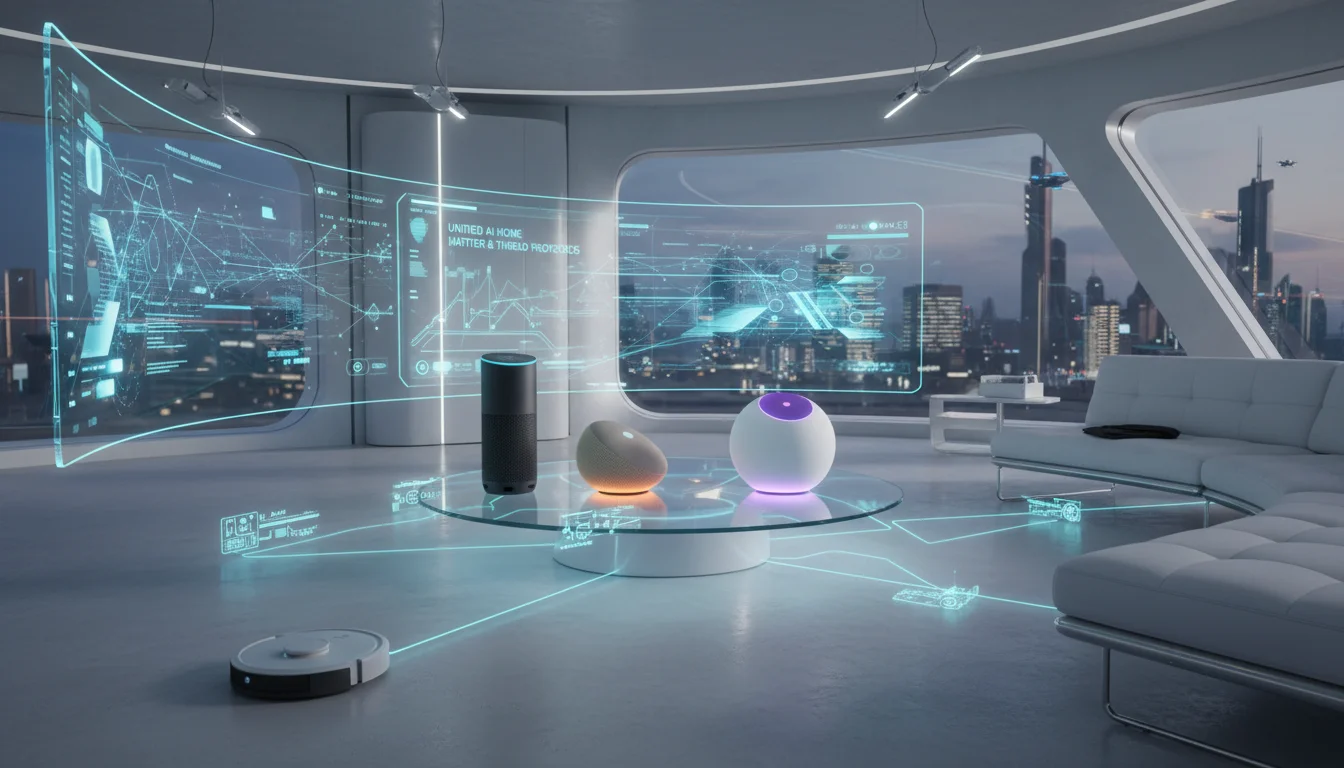
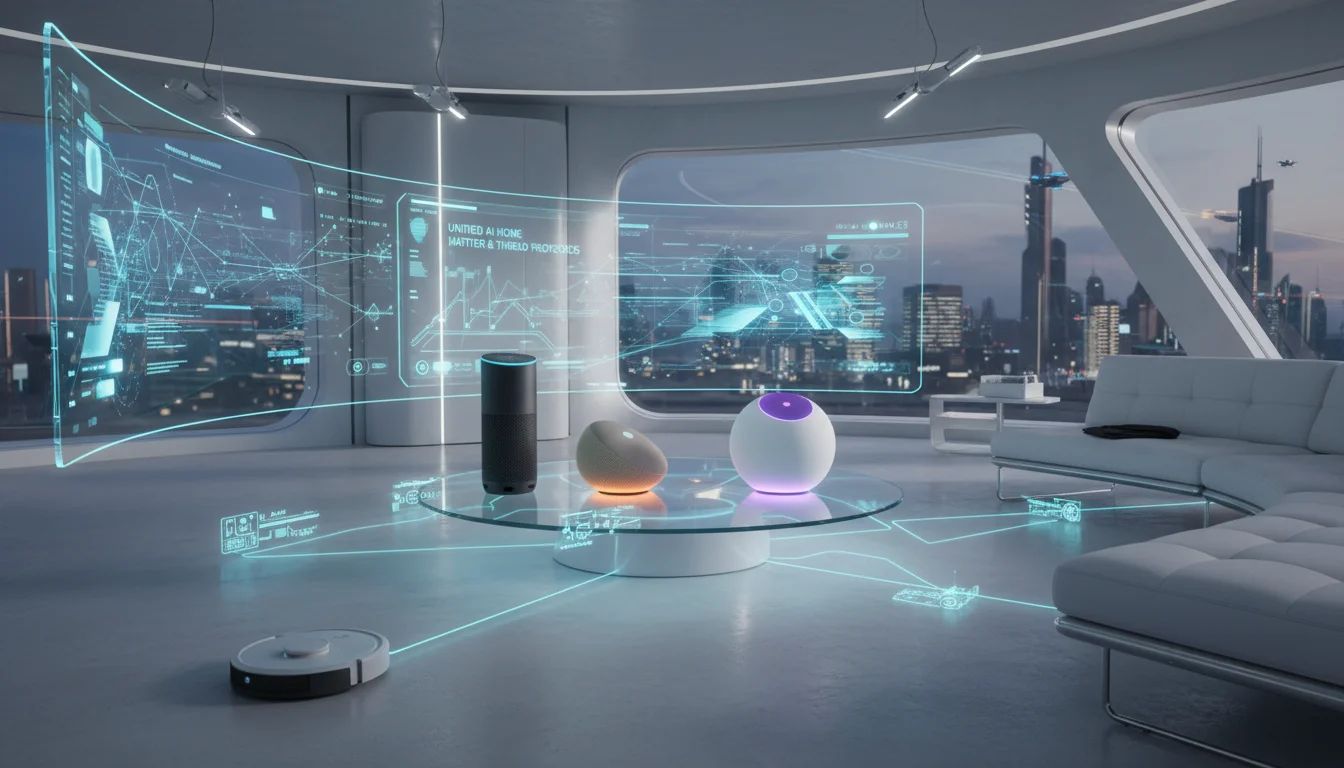
As the industry enters the second quarter of 2026, the market remains dominated by three primary technological conglomerates: Amazon, Google, and Apple. Each entity approaches the smart home hub from a distinct strategic vantage point, balancing hardware deployment, artificial intelligence architecture, subscription economics, and stringent data governance protocols. The decision to invest in an Amazon Echo, a Google Nest, or an Apple HomePod is no longer a simple hardware preference based on acoustic fidelity or aesthetic design. Rather, it represents a deep commitment to a specific infrastructural ecosystem that will dictate domestic automation capabilities, privacy paradigms, and recurring financial costs for years to come.
This comprehensive report evaluates the state of the whole-home smart hub market in 2026. It dissects the underlying communication protocols that have standardized device interoperability, analyzes the integration of generative AI into daily home management, provides an exhaustive comparative assessment of the flagship hardware offerings, and explores the economic and geographical deployment challenges of these systems. Furthermore, this analysis specifically examines the asymmetrical global deployment of these technologies, utilizing the emerging market of Kathmandu, Nepal, as a critical case study in geopolitical software restrictions and gray-market hardware economics. Through this exhaustive analysis, clear strategic trajectories emerge, outlining how consumers, systems integrators, and enterprise architects should navigate the complex matrix of the 2026 smart home landscape.
The Connectivity Backbone: Matter, Thread, and Multiprotocol Convergence
For years, the smart home industry was plagued by extreme fragmentation and ecosystem lock-in. Consumers were forced to meticulously check packaging for “Works with Alexa,” “Works with Google Assistant,” or “Apple HomeKit” designations, leading to siloed environments and significant consumer friction. This paradigm has been entirely dismantled by the widespread adoption of the Matter protocol and the Thread wireless networking standard, which have fundamentally altered the value proposition and underlying architecture of modern smart hubs.
Thread, Zigbee, and the Mesh Network Paradigm
Historically, smart home devices communicated via local Wi-Fi networks or proprietary sub-gigahertz radio frequencies. Wi-Fi, while ubiquitous and capable of high bandwidth, requires substantial power consumption and is highly susceptible to network congestion, making it fundamentally unsuitable for battery-operated sensors and micro-devices. Bluetooth Low Energy (BLE) temporarily solved the power consumption issue but suffered from severely limited range and a lack of robust mesh networking capabilities.
In 2026, Thread and Zigbee represent the industry standards for low-power, localized device communication. Both are mesh network protocols operating on the IEEE 802.15.4 standard. In a mesh network, every continuously powered device connected to the network—such as a smart plug or a hardwired light switch—acts as a repeater node, actively routing data packets and strengthening the overall signal coverage, thereby eliminating dead zones without the need for standalone wireless extenders.
Thread, however, represents a critical evolutionary step beyond Zigbee. It is an IPv6-based protocol, which assigns each device on the network a direct, routable IP address. This architectural distinction allows Thread devices to communicate directly with the broader internet and other IP-based networks without requiring a proprietary translation bridge. To facilitate this, a highly capable smart hub must function as a “Thread Border Router,” bridging the low-power Thread network with the home’s high-bandwidth Wi-Fi and Ethernet networks.
The Amazon Echo Show 8 and the acoustic-focused Amazon Echo (4th Gen) feature exhaustive internal antenna arrays supporting Wi-Fi, Bluetooth, Thread, Zigbee, and Amazon’s proprietary long-range Sidewalk network. This exhaustive inclusion of legacy and modern radios allows Amazon hardware to act as a universal translator for older smart home devices while seamlessly adopting newer IP-based standards. Conversely, the Google Nest Hub (2nd Gen) and Apple HomePod Mini identically support Wi-Fi, Bluetooth, and Thread, acting as highly efficient Border Routers, though they notably lack native Zigbee support. This omission indicates a strategic, forced-march decision by Apple and Google to push the consumer market aggressively toward the IP-based Thread standard, abandoning legacy Zigbee hardware to third-party bridges.
The Matter Protocol and the Era of Multi-Admin
If Thread and Wi-Fi represent the physical infrastructure and roads of the smart home network, Matter is the universal language spoken by the data packets traveling upon those roads. Hosted and maintained by the Connectivity Standards Alliance (CSA), Matter is an open-source, IP-based application layer protocol that guarantees interoperability across different manufacturers, brands, and competing ecosystems.
The most revolutionary and disruptive aspect of the Matter specification in 2026 is the “Multi-Admin” feature. Prior to Matter, connecting a device to Apple HomeKit generally precluded it from being simultaneously controlled via Google Assistant without complex, cloud-to-cloud API integrations that introduced severe latency. Multi-Admin empowers users to connect a single Matter-certified device—such as a smart lock, an ambient thermostat, or a motorized blind—to multiple smart home platforms simultaneously over the local area network (LAN). A household can contain members who prefer Apple Siri on their iPhones, others who utilize Android devices with Google Assistant, and shared living spaces controlled by Amazon Alexa displays. A Matter-certified light bulb from an independent manufacturer can be controlled concurrently by an Apple HomePod, a Google Nest Hub, and an Amazon Echo without requiring third-party cloud integrations, redundant setups, or brand loyalty.
The ubiquitous implementation of Matter signifies a critical strategic shift in the smart home industry. Because basic hardware interoperability is now commoditized—meaning any Matter-certified peripheral works with any certified hub—the competitive battlefield has shifted entirely away from device compatibility. The primary differentiators are now the generative intelligence, the multimodal user interface, and the predictive automation logic of the orchestrating artificial intelligence. Consumers no longer purchase an Amazon Echo because it is the only device that supports their specific brand of smart plugs; they purchase an Echo because they prefer the conversational capabilities of Alexa over Google Gemini or Apple Siri.
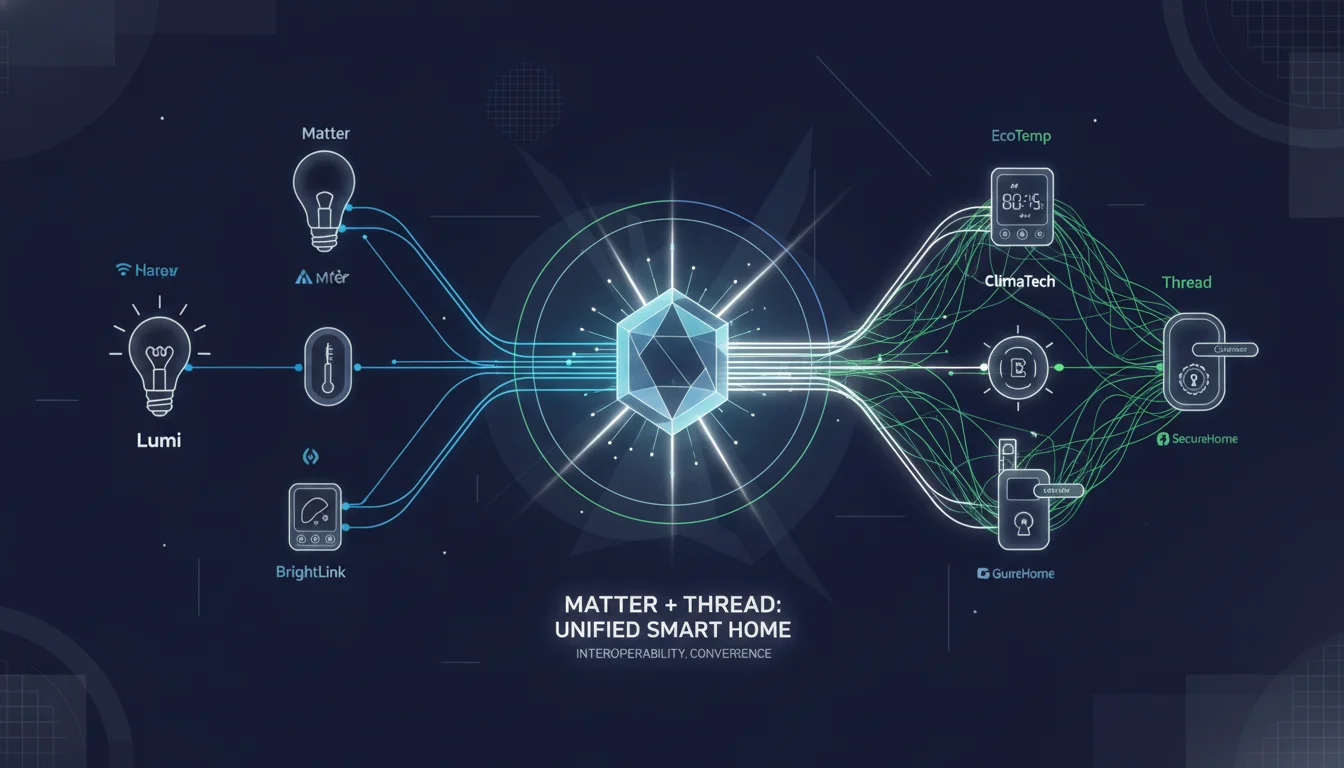
Table 1 outlines the localized protocol support natively integrated into the flagship smart home hubs in the 2026 market.
| Smart Hub Model | Wi-Fi / Bluetooth | Thread Border Router | Zigbee Native | Matter Controller | Proprietary Protocols |
|---|---|---|---|---|---|
| Amazon Echo Show 8 | Yes | Yes | Yes | Yes | Sidewalk |
| Google Nest Hub (2nd Gen) | Yes | Yes | No | Yes | Nest Weave (Legacy) |
| Apple HomePod (2nd Gen) | Yes | Yes | No | Yes | AirPlay 2, UWB |
| Apple HomePod Mini | Yes | Yes | No | Yes | AirPlay 2, UWB |
| Amazon Echo (4th Gen) | Yes | Yes | Yes | Yes | Sidewalk |
| Samsung SmartThings Hub | Yes | Yes | Yes | Yes | Z-Wave |
| Homey Pro | Yes | Yes | Yes | Yes | Z-Wave, 433MHz, IR |
The Generative AI Revolution in Domestic Orchestration
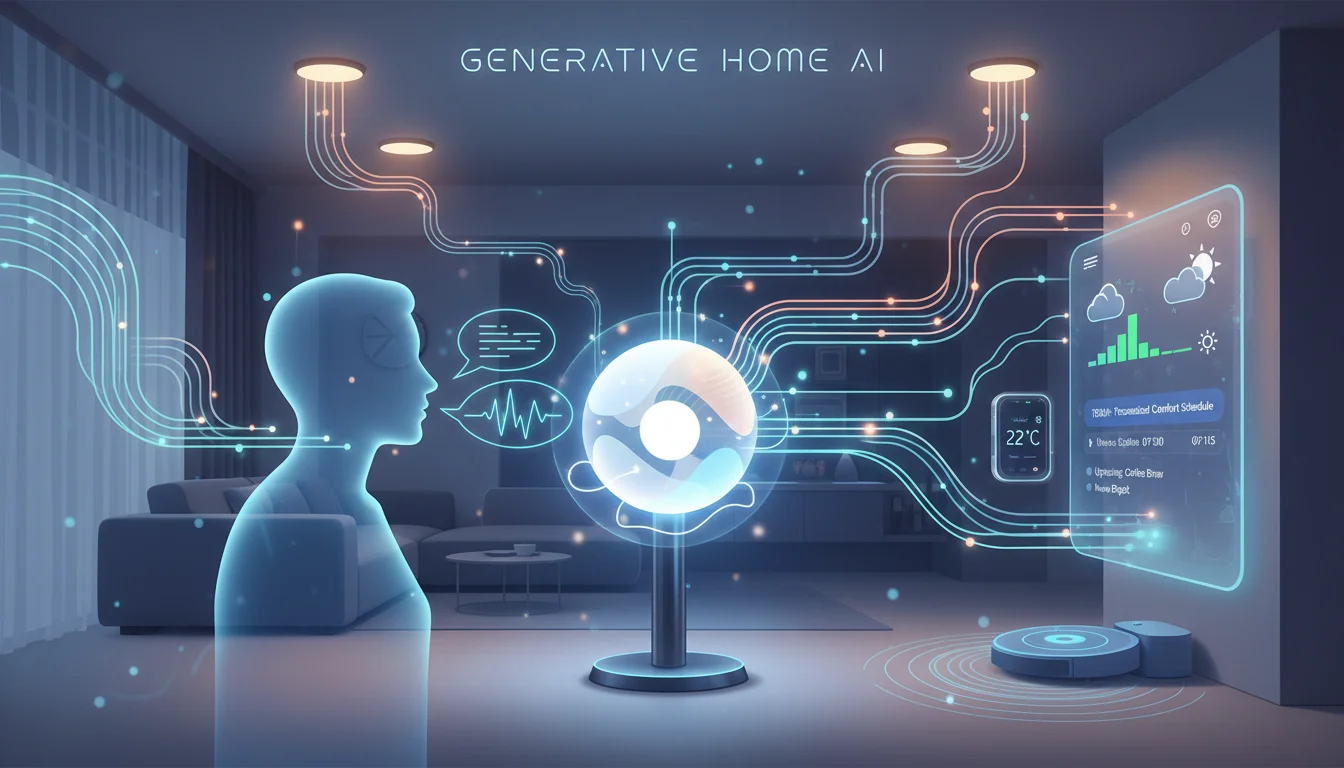
The most significant technological leap in the 2026 smart home market is the systemic deprecation of legacy Natural Language Processing (NLP) voice assistants in favor of generative Large Language Models (LLMs). Earlier iterations of voice assistants operated on rigid, intent-based programming matrices. If a user’s verbal phrasing did not perfectly match a pre-programmed intent, the assistant would fail to execute the command, resulting in a highly frustrating user experience characterized by repetitive, robotic syntax. The integration of generative AI fundamentally alters this dynamic, allowing for semantic understanding, extensive contextual memory, and proactive automation logic, thereby drastically reducing conversational latency and operational friction. By early 2026, voice recognition accuracy across the major platforms has hit an unprecedented 98% threshold, allowing the technology to finally deliver on its initial promises.
Amazon Alexa+: Conversational Fluidity and Web-Based Ubiquity
Amazon has aggressively updated its domestic ecosystem with the deployment of Alexa+, an LLM-powered iteration of its assistant designed specifically to handle complex, multi-intent queries and engage in highly natural, free-flowing conversation. By transitioning to a generative architecture, Amazon has eliminated the need for users to memorize specific syntactic commands.
Users can combine multiple disparate requests into a single, naturally phrased sentence, such as, “Alexa, lock the front door, turn off the kitchen lights, set a timer for fifteen minutes, and tell me what the traffic looks like for my morning commute.” Initial testing by industry analysts confirms that Alexa+ remains the most naturally conversational and highly responsive assistant currently available, excelling specifically in executing multi-layered third-party automations.
A fascinating operational shift with the Alexa+ rollout is Amazon’s strategic move to uncouple the assistant from dedicated physical hardware. In a direct bid to compete with general-purpose chatbots like ChatGPT and Google Gemini, Amazon launched Alexa.com at the Consumer Electronics Show (CES) in 2026, allowing users to interact with Alexa+ via any standard web browser. This web integration retains persistent contextual memory of conversations initiated on physical Echo devices. Therefore, a user can initiate a complex task—such as planning a multi-day vacation itinerary—via voice on an Echo Show 8 in the kitchen, and seamlessly continue finalizing the reservations via a text-based chat on a desktop browser using Alexa.com.
Furthermore, Amazon has heavily invested in the humanization of its LLM, introducing customizable personality styles for Alexa+ that adjust expressiveness, directness, emotional openness, and humor. These dynamic styles range from “Brief” and “Sweet” to a highly publicized “Sassy” mode that incorporates censored profanity (provided Amazon Kids mode is disabled), demonstrating Amazon’s push to make interactions feel highly individualized rather than strictly utilitarian.
Google Gemini for Home: Spatial Awareness and Multimodal Vision
Google’s approach to the LLM transition relies heavily on Gemini for Home, a tailored, localized deployment of its flagship generative AI models optimized specifically for domestic orchestration and spatial awareness. The legacy Google Assistant, while previously the undisputed industry leader in raw search query accuracy, is actively being replaced across Android mobile devices and Nest hardware hubs by Gemini, though this transition has experienced significant timeline adjustments. Originally slated for completion in 2025, Google has extended the migration into late 2026 to ensure a seamless transition for legacy hardware users.
Gemini for Home excels specifically in contextual memory and inferred spatial awareness. The AI is engineered to remember specific, granular details disclosed by the user over extended periods—such as severe dietary restrictions, favorite sports teams, or preferred ambient lighting levels for specific times of day—and proactively adjusts its responses, recipe suggestions, and environmental automations accordingly. Furthermore, Google’s newly deployed “Ask Home” feature allows users to query the aggregate state of their home using natural language, leveraging the LLM to interpret complex data from dozens of disparate sensors.
The most advanced and highly differentiated capability of Google’s AI implementation is the “Live Search” feature explicitly designed for Nest cameras. Integrated exclusively into the Google Home Premium tier, this feature leverages multimodal LLM vision capabilities to allow users to ask specific contextual questions about their live and recorded video feeds. Rather than merely pushing a binary notification indicating motion detection, a user can verbally ask Gemini, “Is there a red car in the driveway?” or “Did the delivery driver leave a package by the side door, or is it on the porch?” The system interprets the live video feed semantically and provides a natural language update, representing a monumental architectural leap in domestic security intelligence.
Apple Intelligence: Privacy-First Edge Computing and the Hybrid LLM Strategy
Apple’s strategic trajectory in the smart home AI race has been characterized by meticulous privacy standards, local processing mandates, and significant developmental friction. The company’s overarching framework, branded as Apple Intelligence, utilizes a sophisticated hybrid processing architecture designed to maintain its stringent data privacy ethos at all costs. Most AI inferences, context analyses, and natural language translations are executed locally on the device (edge computing), ensuring that ambient audio data and personal domestic requests never leave the user’s localized local area network.
When computational requirements exceed the capabilities of the local hardware silicon, Apple employs its proprietary “Private Cloud Compute” infrastructure. This system extends the cryptographic security parameters of Apple hardware into the cloud, executing complex LLM requests using end-to-end encryption, and mathematically ensuring that Apple cannot access, retain, or train commercial models on user data.
However, Apple’s internal development of a conversational, LLM-based Siri has encountered severe, highly publicized friction. The complete systemic overhaul of Siri, transitioning it from a legacy command parser to an LLM-based chatbot capable of deep onscreen awareness and contextual home automation, has been delayed multiple times. Originally slated for early 2025, the advanced Siri capabilities are not present in the current iOS 26.4 betas and are now expected to debut alongside a massive iOS 27 update in the fall of 2026.
In a highly strategic, industry-shifting concession, Apple confirmed a partnership allowing Google Gemini to handle complex reasoning, general world knowledge, and broad language understanding tasks that surpass the capabilities of local Apple Intelligence models. This hybrid architecture—local processing by Apple silicon for speed and absolute privacy, with a seamless fallback to Google Gemini for deep internet reasoning—highlights the extreme computational and financial difficulties of running massive parameter models exclusively on local smart speakers.
Table 2 contrasts the advanced artificial intelligence capabilities of the major platforms.
| Feature Category | Amazon Alexa+ | Google Gemini for Home | Apple Intelligence (Siri) |
|---|---|---|---|
| Core Architecture | Cloud-based LLM | Cloud-based Multimodal LLM | Edge-computing + Private Cloud |
| Conversational Memory | Persistent across devices & web | Deep contextual & user history | Session-based & context-aware |
| Web Interface Access | Yes (Alexa.com) | Yes (Gemini Web App) | No (Device/OS restricted) |
| Multimodal Video Analysis | Limited to Ring event triggers | Yes (Live Search on Nest Cams) | Rumored for Fall 2026 (iOS 27) |
| Primary Limitation | Subscription cost for full access | Regional geofencing & delays | Severe developmental delays |
Hardware Architectures and Flagship Hub Capabilities
The physical hardware designs of smart hubs directly reflect the distinct operational philosophies and monetization strategies of their parent companies. The integration of advanced high-resolution displays, specialized environmental sensor arrays, and high-fidelity acoustic drivers dictates the ultimate utility of the hub within specific household environments, from the kitchen counter to the bedroom nightstand.
The Amazon Ecosystem: Form Factor Diversity and Display Dominance
Amazon’s hardware strategy is predicated on aggressive market saturation, offering highly specific form factors tailored to nearly every conceivable domestic use case. The Amazon Echo Show 8 serves as the optimal, highly versatile middle ground in their display lineup. Retailing at $179.99, it features a vibrant 8-inch touchscreen, a physical camera shutter for absolute visual privacy, and native hardware support for the Alexa+ assistant. The device operates as a highly visual command center, equipped with an intuitive, upgraded interface that aggregates smart home controls, customizable widgets, and streaming media capabilities. Amazon’s inclusion of spatial audio significantly improves the acoustic performance over previous generations, making it a viable primary speaker for smaller living spaces.
Moving up the product stack, the Amazon Echo Show 11 has emerged as the premier overall smart display in 2026, offering a larger canvas for algorithmic media recommendations and serving as a more robust centerpiece for open-concept kitchens. For consumers seeking a purely control-oriented interface without the distraction of media recommendations, the Amazon Echo Hub ($180) represents a highly specialized architectural approach. Designed to be wall-mounted, it features localized proximity sensors that instantly wake the display as a user approaches, immediately providing access to lighting scenes, live camera feeds, and thermostat controls. However, its distinct lack of entertainment options makes it a niche product tailored for automation enthusiasts rather than the general consumer market.
For audio-centric deployments lacking a screen, the Amazon Echo (4th Gen) remains a highly recommended smart speaker, providing excellent omnidirectional sound while retaining a built-in Zigbee and Matter hub, ensuring robust network connectivity. Additionally, the newly introduced Echo Dot Max provides an entry-level, highly cheerful aesthetic combined with impressive spatial audio for budget-conscious consumers.
The Google Ecosystem: Transitional Hardware and Soli Radar Integration
Google’s hardware portfolio in early 2026 occupies a distinctly transitional, somewhat stagnant space.
Google’s Smart Displays
The Google Nest Hub (2nd Gen) remains the company’s primary smart display, retailing at a highly aggressive $99.99. Featuring a 7-inch display, the device serves as an unparalleled digital photo frame—due to its deep integration with Google Photos algorithms—and a seamless interface for Google Assistant and Gemini automations. Notably, the 2nd Gen Nest Hub deliberately lacks a front-facing camera, easing privacy concerns for users placing the device in bedrooms. Instead, it utilizes Google’s proprietary Soli radar technology for Sleep Sensing, monitoring a user’s respiration, movement, and sleep disturbances without utilizing visual recording mechanisms. The larger Nest Hub Max features a 10-inch screen, stereo speaker drivers, and a camera supporting Google Meet, though neither device includes a native web browser.
Despite its affordability and software prowess, the Nest Hub hardware is objectively aging. Google is aggressively replacing its core operating software with advanced Gemini capabilities, but the physical hardware remains rooted in 2021 engineering. The lack of a front-facing camera on the base model eliminates the possibility of video conferencing, a feature standard on Amazon’s corresponding models. Consumers investing in Google hardware in early 2026 are largely doing so for the superiority of the software ecosystem—specifically the conversational intelligence of Gemini and the integration with Google Calendar and YouTube—rather than cutting-edge hardware specifications. A major hardware refresh is highly anticipated later in the year to properly showcase the Gemini architecture.
The Apple Ecosystem: Acoustic Supremacy and Impending 2026 Architectural Leaps
Apple’s hardware philosophy prioritizes uncompromised acoustic excellence, premium build quality, and extreme ecosystem exclusivity. The Apple HomePod (2nd Gen), priced at $299, is an acoustic powerhouse. It features advanced computational audio, sophisticated room-sensing technology that dynamically adjusts sound profiles based on wall proximity and acoustic reflections, and deep integration with Apple Music’s lossless Spatial Audio. While it notably lacks a display, it features built-in temperature and humidity sensors that can trigger complex HomeKit automations—such as activating a Matter-certified smart fan when a room reaches a specific temperature threshold.
The Apple HomePod Mini ($99) serves as the entry-level hub for Apple users. Its compact, spherical design houses impressive 360-degree audio capabilities for its size, and it functions perfectly as a Thread Border Router and a highly stable Matter controller.
However, the most critical analysis of Apple’s hardware concerns the impending 2026 product launches, which are heavily influenced by the demands of Apple Intelligence. Supply chain leaks confirm the late-stage development of the HomePod Mini 2 (codenamed B525), slated for a 2026 launch. This device is rumored to feature a massive internal overhaul, including a “brain transplant” to the powerful S10 chip, integration of Wi-Fi 6E, and the new U2 Ultra Wideband chip for seamless Handoff functionality. The inclusion of the S10 processor is highly strategic and necessary; it provides the massive computational bandwidth required to execute Apple Intelligence LLM processing directly on the device with near-zero latency, avoiding the cloud entirely.
Furthermore, Apple is aggressively developing a completely new product category—a hybrid smart display tentatively referred to as the “HomePad.” Expected in the fall of 2026 to coincide with the rollout of the LLM-powered Siri in iOS 27, the device is rumored to feature a 7-inch square screen, a built-in camera, proximity sensors, and a highly intuitive interface heavily inspired by watchOS. High-end prototypes of this hardware include robotic motorized arms designed to automatically track users during FaceTime calls and seamlessly rotate the screen across a workspace, though this advanced mechanical technology pushes the expected retail price significantly higher than competitor models, estimated at $350 or more.
Table 3 provides a hardware comparison of the flagship models.
| Specification | Amazon Echo Show 8 | Google Nest Hub (2nd Gen) | Apple HomePod (2nd Gen) |
|---|---|---|---|
| Retail Price (USD) | $179.99 | $99.99 | $299.00 |
| Display Interface | 8-inch Touchscreen | 7-inch Touchscreen | Backlit Touch Surface |
| Camera Integration | Yes (With physical shutter) | No (Soli Radar instead) | No |
| Audio Architecture | Spatial Audio + Upward firing | Single speaker driver | High-excursion woofer + tweeters |
| Built-in Sensors | Proximity | Temperature, Sleep Sensing | Temperature, Humidity |
Third-Party Integration and the Commoditization of End-Devices
The foundational utility of a smart hub is intrinsically linked to the broader ecosystem of connected end-devices it can orchestrate—smart lights, localized plugs, environmental sensors, and security cameras. As previously established, the Matter protocol was explicitly designed to alleviate the massive integration headaches of the past decade. In practice, however, the ecosystem a consumer chooses to anchor their home around still subtly dictates the user experience and feature availability of these third-party devices.
If a consumer purchases highly popular, cost-effective smart devices—such as TP-Link Tapo smart plugs, Meross Wi-Fi bulbs, or Govee lighting strips—the Matter protocol guarantees flawless basic functionality across all platforms. A user can seamlessly utilize the advanced TP-Link Tapo Hubs (specifically models H200 and H500) to bridge proprietary sub-GHz environmental sensors and battery-powered cameras to a Matter-certified Amazon Echo or Apple HomePod. The Tapo ecosystem further illustrates the power of local integration by offering “Wi-Fi Backup” and “Hub Storage” capabilities. When connected to a central hub on the local area network, Tapo cameras can continuously record footage directly to the local hub, circumventing cloud subscriptions and ensuring data security even if the physical camera is stolen.
However, highly advanced device functionalities are often siloed behind proprietary ecosystem walls. For example, the Eve Energy smart plug is a premium device highly optimized for the Apple HomeKit environment. While Eve has admirably opened its devices to Amazon and Google ecosystems via Matter compatibility, technical reports indicate that users experience distinct “limited features” when relying strictly on the universal Matter standard rather than the native HomeKit API integration.
Amazon currently leads the industry in the sheer breadth of legacy third-party integrations, functioning effectively as the ultimate, highly reliable “dumb trigger” for thousands of disparate devices. If an obscure piece of automated hardware exists, it is overwhelmingly likely to feature native Alexa compatibility. Conversely, Apple’s strict MFi (Made for iPhone/HomeKit) certification requirements historically limited device selection and drove up peripheral costs. However, the integration of Matter has rapidly closed this gap in 2026, allowing Apple users to access affordable, highly capable third-party hardware from global brands like Sonoff, Moes, and Linkind that were previously exclusive to the Amazon and Google ecosystems.
Subscription Economics: The Transition to Smart Home SaaS
Historically, technology conglomerates sold smart home hardware at a loss or at incredibly minimal margins, banking on the ubiquitous devices to drive core business metrics elsewhere (e.g., Amazon e-commerce retail sales, Google targeted ad-search volume). In 2026, the sheer computational cost, server infrastructure, and energy consumption required to run continuous LLM inferences has forced a dramatic industry pivot toward a Software-as-a-Service (SaaS) subscription model for premium smart home features.
Amazon has monetized Alexa+ at a tier of $19.99 per month for standalone users, representing a massive premium over basic voice controls. However, this subscription is crucially included for free for users who possess an active Amazon Prime membership (priced at $139 annually or $14.99 per month). This pricing structure heavily incentivizes consumers to remain enveloped within the broader Amazon commercial ecosystem, utilizing the Echo to add items to Whole Foods carts and stream Prime Video. Furthermore, highly advanced physical safety features—such as Alexa Emergency Assist, which utilizes the Echo’s microphone arrays to detect the specific acoustic signatures of breaking glass or carbon monoxide alarms and subsequently contact emergency services—require an additional standalone fee of $6 per month or $59 per year.
Conversely, Google operates the consolidated Google Home Premium subscription (formerly Nest Aware), priced highly competitively at $10 per month or $100 annually. This single subscription tier encapsulates access to the conversational Gemini Live, advanced automation creation using natural language, and the highly advanced Live Search feature for Nest cameras. Notably, Google includes premium security alerts—such as sophisticated smoke alarm detection and familiar face recognition via camera feeds—within this baseline premium tier, making it significantly more cost-effective for security-conscious consumers than Amazon’s fragmented subscription add-ons.
Apple’s economic model remains fundamentally hardware-centric, bucking the SaaS trend. Apple does not charge a recurring monthly fee for access to Siri, HomeKit routing, or Apple Intelligence processing. Instead, Apple extracts its profit margin upfront through premium hardware pricing ($299 for the full-size HomePod versus Google’s $99 Nest Hub) and relies on the stickiness of its broader ecosystem (Apple Music subscriptions, iCloud storage tiers) to generate recurring revenue.
For consumers heavily averse to subscription fatigue, Apple’s high-initial-cost, zero-smart-home-subscription model presents a highly attractive, transparent long-term proposition.
Table 4 highlights the diverging subscription economics of the big three platforms in 2026.
| Ecosystem | AI Assistant | Base Subscription Cost | Advanced Security Add-on | Cloud Infrastructure |
|---|---|---|---|---|
| Amazon | Alexa+ | Free w/ Prime, or $19.99/mo | $6/mo (Emergency Assist) | AWS |
| Gemini for Home | $10/mo (Google Home Premium) | Included in Premium | Google Cloud | |
| Apple | Apple Intelligence | $0 (Free on-device) | Dependent on iCloud storage | Private Cloud Compute |
Data Governance, Privacy, and Acoustic Surveillance
As smart hubs transition from simple voice command receivers into proactive, always-listening, camera-equipped LLM agents, consumer anxiety regarding continuous audio recording, data retention policies, and corporate surveillance has exponentially intensified across the globe.
Apple continues to wield uncompromising privacy as its primary competitive weapon in the smart home sector. The architecture of Apple Intelligence is fundamentally decentralized by design. By defaulting to edge computing, audio data, ambient conversations, and visual inputs are processed directly on the internal S-series silicon of the HomePod or connected iOS device. When off-device processing is mandatory for complex requests, Apple’s Private Cloud Compute executes the request using end-to-end encryption. The company has submitted this architecture to independent security audits to mathematically ensure that Apple cannot access, retain, or utilize user data to train commercial AI models. Furthermore, Apple’s hardware designs, such as the rumored HomePad, integrate physical proximity sensors and watchOS-style interfaces to limit the need for continuous acoustic monitoring.
Google and Amazon approach data governance from a distinctly cloud-centric perspective, as continuous, massive data ingestion is vital for training and refining their respective large language models. Both Google Assistant and Gemini offer transparent, user-facing privacy controls, allowing individuals to easily delete voice history by issuing verbal commands such as, “Hey Google, delete my last conversation”. However, the free tiers of Google’s AI models historically reserve the right to collect user prompts, related code, and generated responses to train future iterations of the software, according to their explicitly stated privacy policies.
Amazon has faced significant historical regulatory scrutiny regarding its audio retention practices and human review processes. With the launch of Alexa+, Amazon has provided more robust options to disable audio storage entirely. However, the intricate, deep integration of Alexa+ into third-party services—such as making OpenTable reservations or querying external databases—and its proactive, conversational nature require immense, continuous data processing. This paradigm necessitates that consumers meticulously configure their privacy settings to prevent inadvertent data harvesting, as the default state of these assistants leans heavily toward data collection to improve functionality.
Global Deployment Constraints: A Case Study of the Nepalese Market
While the architectural advancements in smart home technology, LLMs, and Matter networking are profound, the global deployment of these systems remains highly asymmetrical. Evaluating the hardware availability, software geofencing, and economic realities in a developing market such as Kathmandu, Nepal, exposes the stark regional limitations of modern smart home ecosystems and the inherent inequalities of cloud-based AI.
Gray Market Dynamics and Economic Disparities
None of the three major technology companies—Amazon, Google, or Apple—maintain an official, direct-to-consumer retail presence for smart home hardware in Nepal. Consequently, the domestic market is entirely dictated by unofficial corporate importers and consumer-to-consumer gray-market online platforms such as Hamrobazar, Daraz, and Oliz Store.
This distinct lack of an official supply chain creates severe pricing disparities, intense inflation, and significant consumer risk. For example, the Amazon Echo Show 8, which retails for approximately $179.99 in the United States, is listed on import platforms like Ubuy for upwards of NPR 60,548 (approximately $450 USD), representing an exorbitant markup of over 150%. The Google Nest Hub (2nd Gen) experiences similar artificial inflation, with expected local retail prices hovering between NPR 15,000 and NPR 18,500 for brand-new units. Apple products face similar premiums, with the entry-level HomePod Mini retailing for NPR 16,499 through third-party vendors.
Furthermore, purchasing complex IoT hardware through these gray-market channels entirely eliminates standard consumer buyer protections. Local community technology forums on Reddit frequently report instances of consumers paying massive digital advances for imported hardware (such as laptops and smart hubs) that never arrives, or receiving defective, open-box units with no viable path to warranty claims, firmware support, or corporate RMA (Return Merchandise Authorization) processes.
Geofencing, VPN Workarounds, and Linguistic Barriers
The extreme hardware hurdles in Nepal are severely compounded by strict software limitations. The advanced generative AI models that define the 2026 smart home experience are heavily geofenced by corporate compliance algorithms, local data regulations, and localized server deployments.
While the web-based, text-only version of Google Gemini is officially available in Nepal, the localized deployment of Gemini for Home on physical Nest speakers is restricted to specific North American and European markets. Google utilizes deep, backend “identity signals” anchored to a user’s Google Payments Profile to determine absolute eligibility for premium smart home features. Therefore, simply utilizing a standard router-level VPN to route traffic through an American server node is insufficient. A user in Kathmandu attempting to unlock Gemini Live on a Nest Hub must create an entirely new US-based Google account, attach a US billing profile, ensure their PC system region is set to the United States, and actively run a network-level VPN with DNS leak protection. Failure to align the account’s internal residency with a supported region results in the outright blocking of all advanced AI features, rendering the hardware functionally identical to its 2021 state.
Amazon’s Alexa+ imposes identical, highly restrictive measures. While the hardware functions globally as a basic, command-and-control voice assistant, access to the advanced generative capabilities and web-browser integration often requires an active US Amazon Prime account or a US-based subscription billing profile.
A final, critical barrier to adoption in Nepal—and similar emerging markets—is linguistics. Despite the immense computational sophistication of Large Language Models, neither Amazon Alexa+ nor Google Gemini natively supports the Nepali language for smart speaker voice commands. While the systems support Hindi, Spanish, Mandarin, and an extensive list of global languages, a Nepali user must interface with their smart home entirely in a secondary language. This linguistic barrier severely impacts the fluidity of the “natural conversation” features that Amazon and Google heavily market, as users must cognitively translate complex domestic requests into English or Hindi before speaking, thereby negating the seamless, ambient intelligence that the hardware promises.
Table 5 illustrates the extreme socio-economic and technical disparities between the US and Nepalese markets.
| Metric | United States Market | Nepalese Market (Kathmandu) |
|---|---|---|
| Google Nest Hub 2nd Gen Price | ~$99.99 | NPR 15,000 - 18,500 (~$115-$140) |
| Amazon Echo Show 8 Price | ~$179.99 | Up to NPR 60,548 (~$450) |
| Official Hardware Warranty | Yes (Direct from manufacturer) | No (Dependent on local gray-market sellers) |
| Advanced LLM Features (Gemini/Alexa+) | Native, out-of-the-box | Requires VPNs, US Payment Profiles |
| Local Language Voice Support | Yes (US English) | No (Nepali unsupported; requires English/Hindi) |
Strategic Conclusions and Ecosystem Recommendations
Navigating the 2026 smart home landscape requires consumers, technologists, and systems integrators to critically assess their overarching priorities regarding artificial intelligence capabilities, hardware aesthetics, data privacy concerns, and recurring financial commitments.
The deployment of a whole-home smart hub is no longer a peripheral technology purchase; it is a foundational infrastructural decision that will deeply influence the technological friction and ambient intelligence of daily domestic life.
The Automator’s Choice: The Amazon Ecosystem
For consumers who prioritize maximal device compatibility, highly granular automation routines, and rich visual interfaces, the Amazon Echo Show 8, the expansive Echo Show 11, and the broader Alexa ecosystem represent the optimal, industry-leading choice. Amazon’s strategic inclusion of nearly every localized wireless protocol (Matter, Thread, Zigbee, Sidewalk) guarantees that the hub will seamlessly interface with virtually any smart peripheral on the global market. The systemic integration of Alexa+ fundamentally improves conversational interaction, transforming the Echo from a rigid command-taker into a highly intuitive, multi-tasking home manager. Furthermore, the introduction of the assistant untethers the assistant from the hardware, providing unprecedented ubiquity. However, consumers must be comfortable residing within the Amazon commerce ecosystem and actively accept the $19.99 monthly cost (or Prime membership requirement) to access the zenith of its capabilities.
The Contextual Analyst’s Choice: The Google Ecosystem
The Google Nest Hub (2nd Gen) remains the premier choice for users deeply embedded in Google’s sprawling software services (Calendar, Maps, Photos, Gmail). While the physical hardware is undeniably aging compared to its peers, the software injection of Gemini for Home provides unparalleled contextual awareness and longitudinal memory. Google’s unique ability to semantically analyze live video feeds from Nest cameras via LLM multimodal vision processing is a highly sophisticated security application that competitors currently cannot match. At a consolidated flat rate of $10 per month for the Premium tier—which includes all security alerts and advanced AI access—Google offers a highly compelling, cost-effective subscription model. Consumers adopting Google must be patient regarding hardware updates, as the physical devices are slated for necessary overhauls later in 2026.
The Privacy and Acoustic Purist’s Choice: The Apple Ecosystem
For individuals who view data privacy as an uncompromisable metric, and who prioritize high-fidelity acoustic reproduction over built-in touchscreen interfaces, the Apple HomePod (2nd Gen) or HomePod Mini is the definitive, unquestionable selection. Apple’s hardware-centric business model eliminates the subscription fatigue associated with advanced AI features, relying instead on localized silicon and the highly secure Private Cloud Compute architecture to process Apple Intelligence requests without harvesting user data. While Apple’s AI deployment timeline has been subject to highly publicized, frustrating delays—pushing advanced Siri capabilities to late 2026—the impending launch of the S10-equipped HomePod Mini 2 and the highly rumored HomePad display signify a massive architectural leap that will future-proof the ecosystem for the remainder of the decade.
Strategic Considerations for Emerging Markets
For consumers residing outside of officially supported, Tier-1 regions, such as Nepal, the decision matrix must heavily factor in geopolitical software restrictions, linguistic limitations, and volatile gray-market pricing. The Apple ecosystem presents a distinct, highly practical advantage in these environments; because Apple’s core value proposition lies in its uncompromised hardware capabilities (acoustic quality) and local processing (Apple Intelligence via the S10 chip), it is vastly less susceptible to the aggressive cloud-based geofencing that cripples the advanced conversational features of Google Gemini and Amazon Alexa+. Consumers in these regions must rigorously weigh the high import premiums against the reality that many heavily advertised generative AI features on competing platforms may require complex VPN workarounds, dedicated foreign billing profiles, and linguistic compromises to function effectively.
In summation, the smart home of 2026 is no longer defined by the rudimentary ability to turn a connected lightbulb on with a voice command. It is defined by the underlying contextual intelligence of the network, the seamless interoperability of the Matter standard, and the profound, industry-wide transition from rigid algorithmic programming to fluid generative reasoning. Selecting a smart hub is ultimately the selection of a domestic operating system, requiring a careful, strategic balancing of technological capability, financial recurring costs, and personal privacy philosophy.