Week 4: SEM & Paid Search
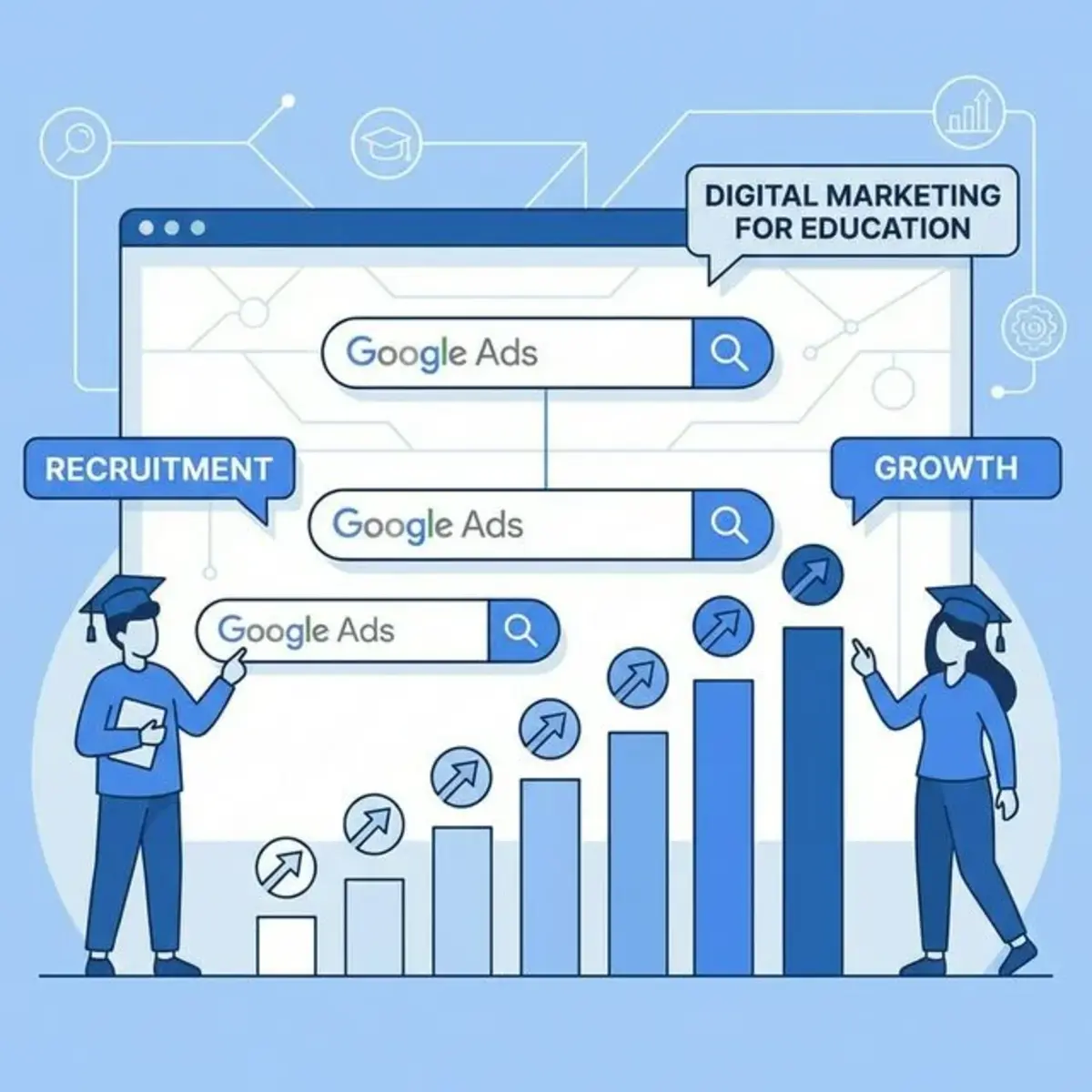
While SEO is a long-term strategy, Search Engine Marketing (SEM)—specifically Google Ads—allows you to buy your way to the top of the search results immediately. Today we focus on Pay-Per-Click (PPC) advertising on the search network.
View lecture slides: Week 4 Slides
1. Pre-Work: PPC Mechanics & Quality Score
In PPC, you only pay when someone clicks your ad. However, Google doesn’t just show the ad of the person who bids the highest. They use a metric called Ad Rank.
Ad Rank = Maximum Bid × Quality Score
The Quality Score
Google assigns a Quality Score (1-10) to your keywords based on three factors:
- Expected Click-Through Rate (CTR): How likely are people to click your ad?
- Ad Relevance: Does your ad copy match the user’s search intent?
- Landing Page Experience: When they click, does your sandbox website deliver what the ad promised? Is it fast and mobile-friendly?
High Quality Score = Lower Cost Per Click (CPC) and Better Ad Positions.
Keyword Match Types
To control who sees your ads, you use match types:
- Broad Match (
keyword): Reaches the widest audience, but lowest intent. (e.g., searches for “free shoes” might trigger your ad for “buy running shoes”). - Phrase Match (
"keyword"): Searches that include the meaning of your keyword. - Exact Match (
[keyword]): Searches that are exactly your keyword or close variants. Highest intent, highest cost. - Negative Keywords: Terms you don’t want to show up for (e.g.,
-free,-cheap).
2. Lab Session: Structuring a Google Ads Campaign
Today, we will navigate the Google Ads interface and build a mock campaign structure for your sandbox. (Note: No real money will be spent. This is a structural exercise).
Campaign Structure
A well-organized account is crucial for success.
mindmap
  root((Google Ads Account))
    Campaign 1 Brand Terms
      Ad Group Brand Name
        Keywords
        Ad Copy A
        Ad Copy B
    Campaign 2 Non-Brand Commercial
      Ad Group Product A
        Keywords
        Ad Copy A
        Ad Copy B
      Ad Group Product B
        Keywords
        Ad Copy A
        Ad Copy B
Writing Effective Ad Copy (A/B Testing)
You should never write just one ad. Always write at least two variations to see which performs better (A/B testing).
- Ad A: Focus on features/price.
- Ad B: Focus on emotional benefits/urgency.
Budget Allocation & Bidding
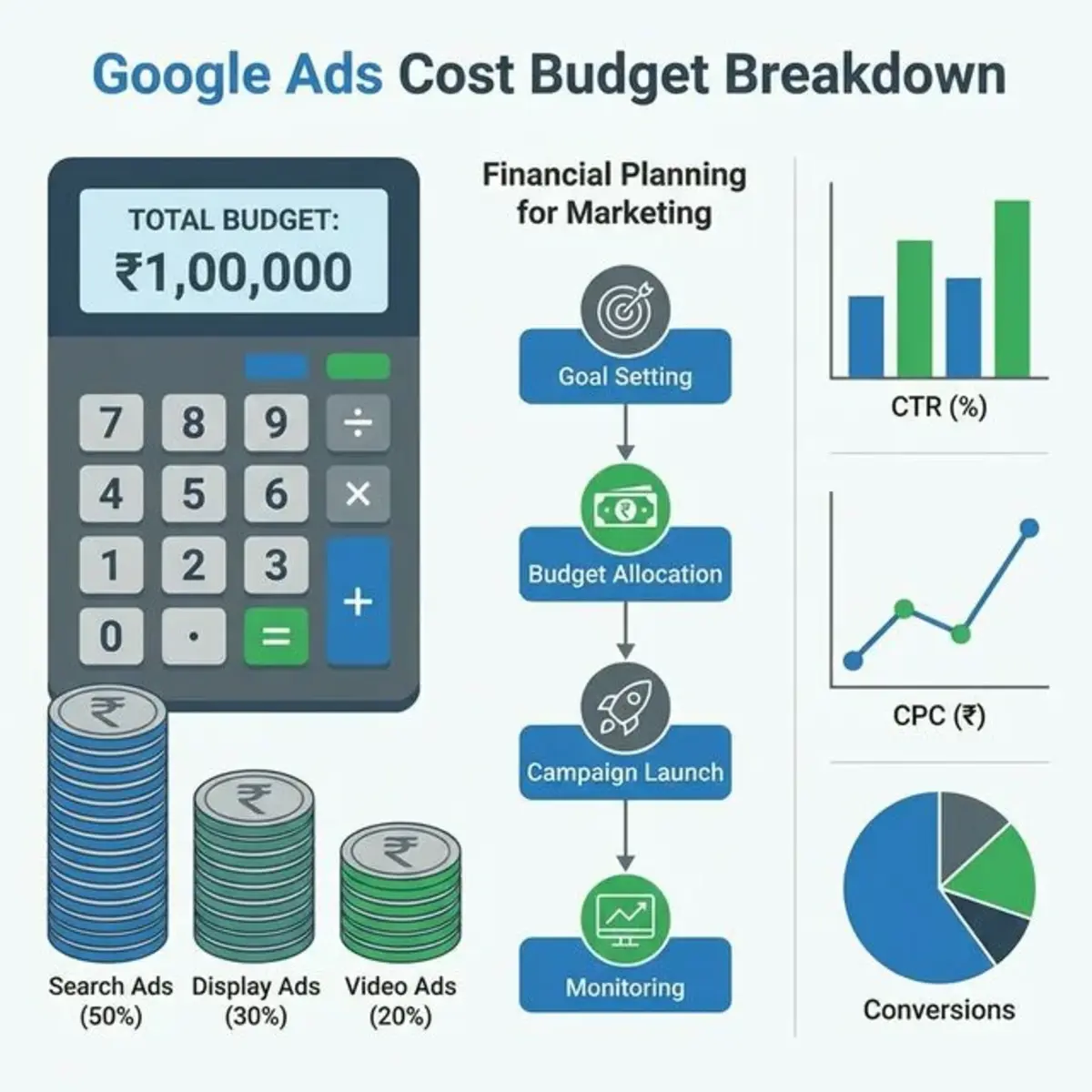
How much should you bid? This ties back to Week 1: If your customer LTV is $500, and your website converts at 5%, how much can you afford to pay for a single click (CPC) to maintain a profitable CAC? We will run this calculation in the lab.
3. Deliverable
Use the MBA DM Deliverable Toolkit (Templates + Samples) before submitting.
A documented campaign structure with ad variations and a brief rationale.
- Outline 1 mock Campaign and 2 Ad Groups.
- List 5-10 keywords (with match types) and at least 5 Negative keywords.
- Write two text ad variations (A/B test) for one of the ad groups.
- Provide a short explanation of your proposed budget and bid strategy.
Submit the document before the start of Week 5.