Internet Governance Is Not Just for Policy Experts. It Is for Educators Too
If you teach IT, Computer Science, or even Social Studies, you have a responsibility.
We spend years teaching students Coding (how to build) and Digital Marketing (how to sell). But we spend almost zero time teaching Governance (how to rule).
This is a dangerous gap.
The “User” Mindset vs The “Citizen” Mindset
Currently, our education system churns out “Users.” Users accept the Terms of Service without reading. Users complain when the internet is slow but don’t know why. Users are passive.
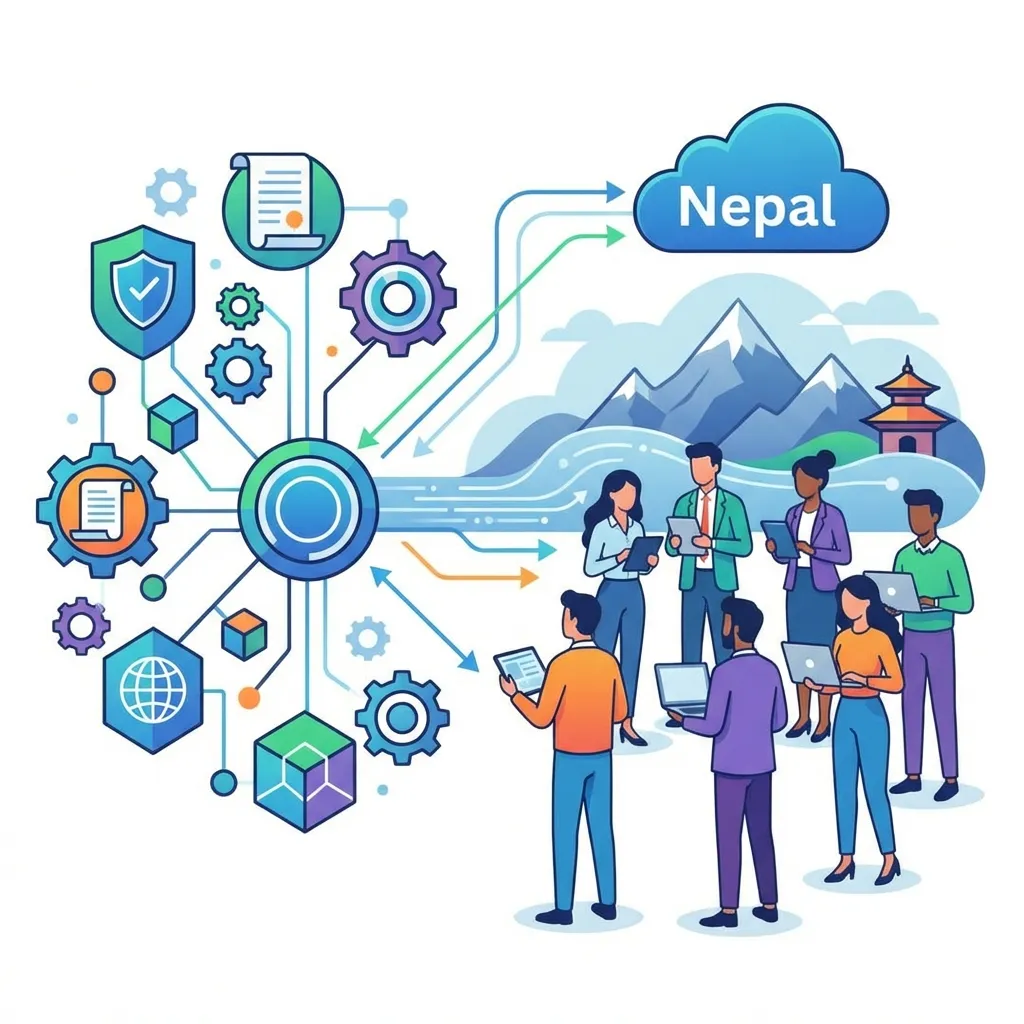
We need to create “Digital Citizens.” Citizens understand their rights. Citizens know who to hold accountable. Citizens participate in the system.
mindmap
  root((Digital Mindset))
      User Mindset
          Accepts ToS blindly
          Complains without understanding
          Passive consumer
      Citizen Mindset
          Understands rights
          Holds accountable
          Participates in system
Figure 1: User vs. Digital Citizen Mindset
Why Educators are the Key

Policy experts sit in ivory towers. Educators sit in classrooms with the next generation every day. We are the bridge. If an educator explains Net Neutrality to a batch of High School students, that concept stops being abstract legal jargon and becomes about “why my Netflix is slow.”
It Fits Everywhere
You don’t need a separate “IG Course.” You can integrate it:
- In CS Class: When teaching DNS, spend 10 minutes on ICANN and censorship.
- In Business Class: When teaching E-commerce, talk about cross-border data laws.
- In Social Studies: Talk about the Digital Divide as a modern inequality issue.
As educators, we prepare students for the future. A future where understanding who owns the internet is just as important as knowing how to code in Python.
graph TD
    A[Educators Integrate IG] --> B{Existing Subjects};
    B --> C[CS Class];
    B --> D[Business Class];
    B --> E[Social Studies];

    C --> C1["DNS & ICANN, Censorship"];
    D --> D1["E-commerce, Cross-border Data Laws"];
    E --> E1[Digital Divide, Inequality];

    C1 & D1 & E1 --> F[Informed Digital Citizens];
Figure 2: Integrating Internet Governance into Curriculum
Related Posts and Resources
- What is Internet Governance?
- Inside ICANN: Why It Matters
- Names and Numbers in Internet Governance
- The Multistakeholder Model Explained
- APNIC Internet Policy Basics
- Internet Governance in Nepal
- Why Nepalese Voices Matter Globally
- Consensus, Conflict, and Collaboration
- How to Engage in Internet Governance
- Model ICANN Lessons Learned