India Food Delivery: Digital Marketing for Cloud Kitchens
Industry Overview
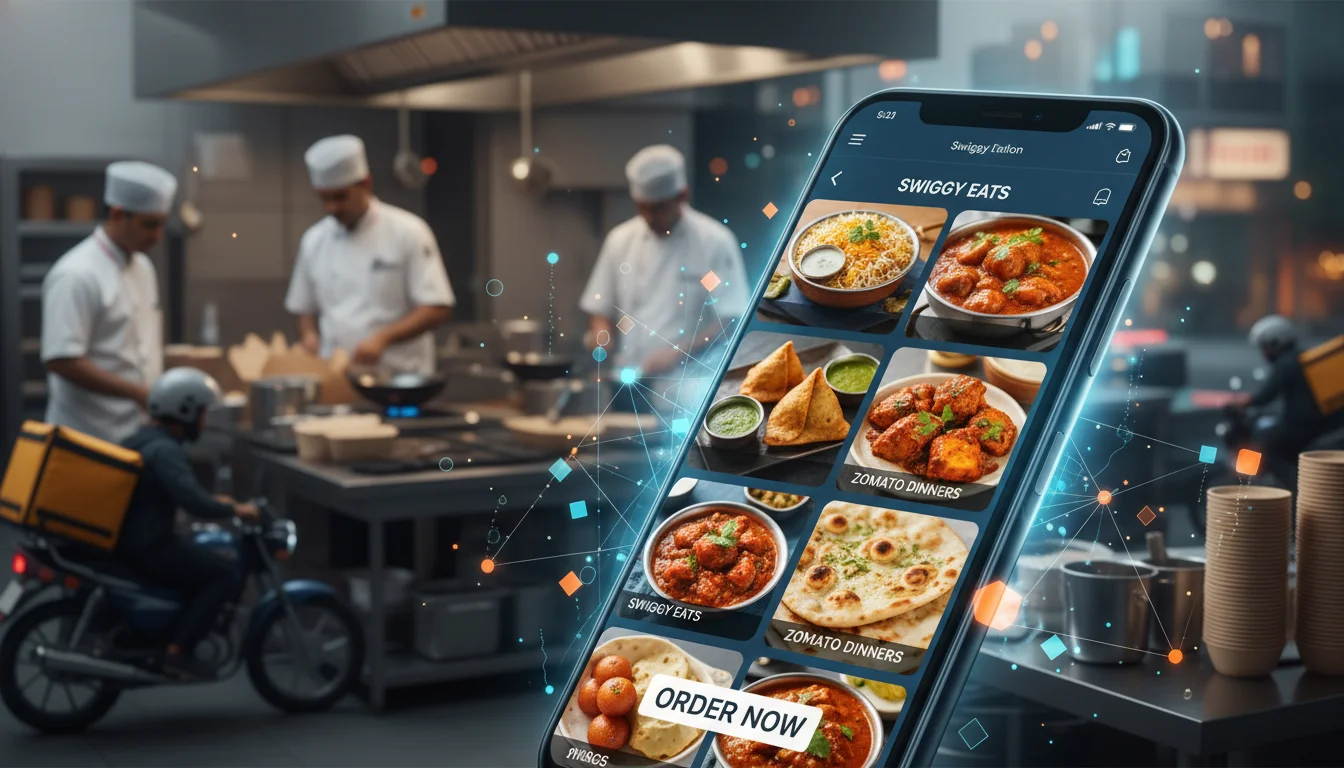
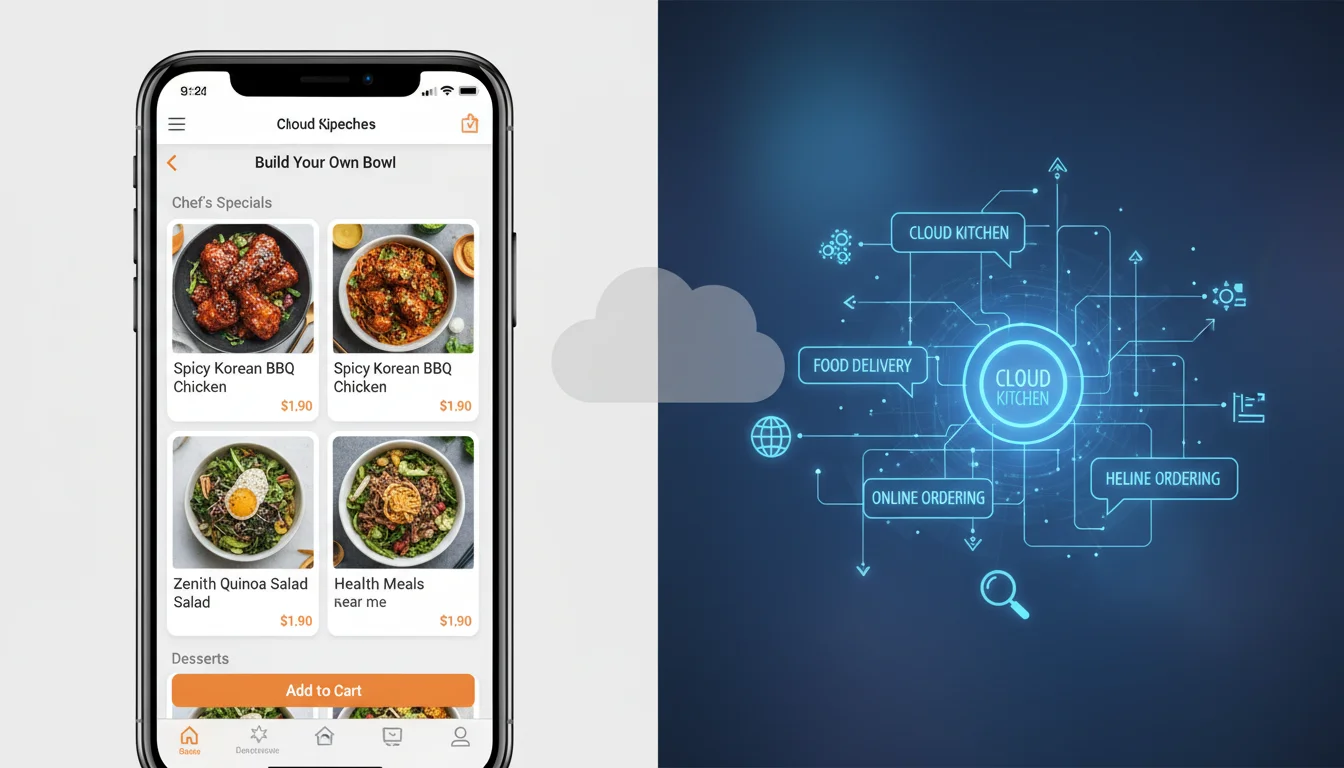
The food and beverage sector in India has undergone a profound and irreversible structural transformation, catalyzed by the rapid proliferation of high-speed internet, ubiquitous smartphone penetration, and evolving socio-cultural paradigms regarding dining out versus dining in. At the absolute epicenter of this paradigm shift is the cloud kitchen—alternatively referred to as a ghost kitchen, dark kitchen, or virtual restaurant. The fundamental value proposition of the cloud kitchen business model lies in extreme real estate arbitrage combined with operational decoupling. By actively separating the point of food production from the point of consumption, operators successfully eliminate the need for premium high-street real estate, expensive front-of-house staff, and elaborate interior decor. Instead, these establishments operate in highly optimized, delivery-only fulfillment centers, frequently leveraging a sophisticated “hub-and-spoke” model wherein a central mega-kitchen supplies semi-prepared ingredients to satellite locations to ensure rapid final mile delivery.
The food delivery ecosystem that facilitates the distribution for these kitchens is powered almost entirely by marketplace aggregators—primarily the duopoly of Swiggy and Zomato, which collectively control the vast majority of platform-to-consumer deliveries. This platform-driven model allows single operational facilities to host multiple virtual brands simultaneously, a strategy known as the “House of Brands” approach. This maximizes asset utilization, allowing a single commercial kitchen to capture diverse consumer cravings—ranging from biryani to vegan health bowls—from a unified rent and utility footprint.
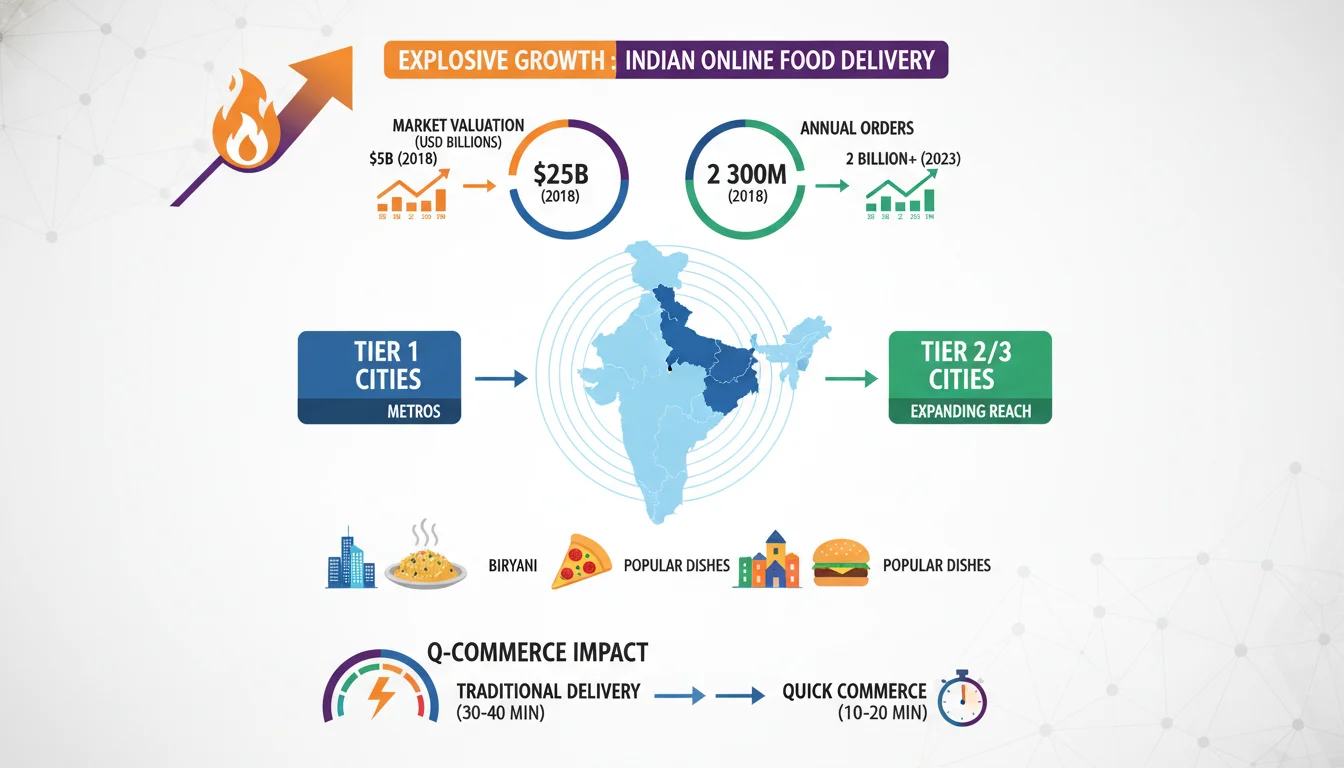
The financial trajectory of the Indian cloud kitchen and broader online food delivery market indicates an aggressive, sustained expansion phase. The current market size and future projections underscore the sheer magnitude of the opportunity, though the estimates vary slightly based on the segmentation parameters applied by different economic researchers.
- Economic Metric: 2024 Market Valuation, Projected Valuation, Compound Annual Growth Rate (CAGR)
- India Cloud Kitchen Market: 2024 Valuation: USD 1.13 Billion - USD 1.3 Billion; Projected Valuation: USD 2.84 Billion - USD 4.4 Billion; CAGR: 16.63% - 16.7%
- India Online Food Delivery Market: 2024 Valuation: USD 26.19 Billion - USD 31.77 Billion; Projected Valuation: USD 59.55 Billion - USD 140.85 Billion; CAGR: 14.2% - 29.5%
Several macroeconomic and consumer trends underpin this explosive growth. While metropolitan clusters such as Delhi-NCR, Mumbai, and Bengaluru historically drove the vast majority of revenue, market saturation and high operational costs are prompting operators to aggressively expand into Tier 2 and Tier 3 cities. Furthermore, the rapid rise of Quick Commerce (Q-Commerce) platforms like Blinkit, Swiggy Instamart, and Zepto has conditioned the Indian consumer to expect sub-30-minute delivery times, which is forcing cloud kitchens to optimize their preparation times drastically. Additionally, there is a pronounced demographic shift toward hyper-specialized, premium offerings, with the biryani segment dominating national consumption; platforms recorded over 93 million biryani orders in 2025 alone, translating to roughly 194 orders every single minute.
Despite these promising macroeconomic indicators, the microeconomics of the cloud kitchen sector remain notoriously fragile. The industry faces several existential challenges that threaten long-term viability. The most pressing issue is an overwhelming structural dependency on aggregators. Independent kitchens rely almost entirely on platforms like Zomato and Swiggy for customer discovery, subjecting themselves to exorbitant commission rates ranging from 25% to 30%, which severely erodes already thin profit margins. This dependency leads to highly fragile unit economics. High initial assumptions of profitability frequently clash with operational reality, resulting in nearly 50% of metro operations struggling to remain profitable, and an estimated 25% to 30% of cloud kitchens closing completely within their first year of operation.
Furthermore, the absence of a physical storefront creates an issue of brand anonymity. Trust and loyalty are exceedingly difficult to establish in a purely digital environment, leading to high customer churn and forcing brands to compete solely on discounts rather than culinary merit. This is compounded by data blindness, as aggregators purposefully mask user identities and purchasing behaviors, preventing kitchens from executing personalized customer relationship management (CRM) or direct retargeting campaigns. Finally, maintaining stringent quality control across a decentralized delivery network is complex; any degradation in food integrity during transit immediately results in negative reviews, which algorithmically punishes the kitchen’s visibility on the platform.
Digital Landscape in India (Contextual to the Industry)
India’s digital landscape has been irrevocably altered by the democratization of affordable mobile data, the widespread availability of budget smartphones, and the seamless integration of the Unified Payments Interface (UPI). These technological pillars form the essential infrastructure for the cloud kitchen model, which is entirely reliant on digital touchpoints for both customer acquisition and transaction fulfillment. Current tracking indicates that India boasts over 820 million active internet users, with a staggering 442 million residing in rural areas, demonstrating the deep penetration of digital connectivity.
Social media usage in India has evolved to become highly visual, interactive, and community-driven, creating a fertile environment for food and beverage marketing. Platforms within the Meta ecosystem—specifically Instagram, Facebook, and WhatsApp—dominate daily screen time. For the modern Indian consumer, particularly among Generation Z and Millennials, these platforms serve not merely as entertainment hubs but as primary search engines for local discovery, lifestyle validation, and dining recommendations. The integration of artificial intelligence within these platforms, as well as on food delivery apps, has further refined user experiences, with AI-powered recommendation engines now achieving a 28% upsell success rate by analyzing historical ordering patterns, local weather, and regional events.
Understanding the popular platforms among the target audience requires segmenting digital behavior into discovery, transaction, and retention phases. Food aggregator apps like Swiggy and Zomato act as the ultimate high-intent transaction engines. They are the primary marketplaces, capturing users at the exact moment a purchasing decision is made. Conversely, Instagram serves as the visual discovery storefront for cloud kitchens, crucial for building brand aesthetics, sharing user-generated content, and inducing immediate culinary cravings. For retention and direct communication, WhatsApp has emerged as an unprecedented powerhouse in the Indian market. With 535 million monthly active users in India, a 98% message open rate, and over 57% of messages receiving a reply within a single minute, it vastly outperforms traditional email marketing for customer relationship management. Furthermore, Google My Business (GMB) and Google Search remain critical for users exploring broad categories or seeking to validate a brand they discovered on an aggregator, capturing high-intent local queries.
Consumer online behavior related to food delivery in India exhibits distinct temporal, demographic, and psychological patterns that digital marketers must intimately understand. Recent granular data from Zomato’s 2025 “How India Ordered” report reveals highly concentrated temporal ordering spikes. Dinner hours unequivocally dominate the landscape, with the platform recording single-minute spikes of up to 1.87 million orders nationwide occurring precisely at 8:25 PM, alongside similar massive surges at 8:22 PM and 8:24 PM. A secondary ordering peak exists between 3:00 PM and 7:00 PM, heavily driven by the urban corporate snacking culture. Furthermore, the late-night ordering segment—occurring post-midnight—is a rapidly expanding niche, heavily serviced by cloud kitchens when traditional brick-and-mortar restaurants are closed.
Demographically, the data highlights specific demand epicenters.
Delhi-NCR emerged as the most active market, recording a staggering 4.22 crore orders in a single year, narrowly edging out Bengaluru. Generation Z is leading the adoption curve, utilizing food delivery apps an average of 2.3 times per week, a rate significantly higher than the 1.1 times per week observed in older demographics. Educational hubs and university campuses represent massive, highly concentrated demand clusters; for example, students at IIT Kharagpur placed nearly 2.4 lakh orders in 2025 alone, underscoring the scale of adoption among campus populations. Interestingly, ordering behavior is also expanding beyond traditional residential and corporate locations into transit hubs, with Vijayawada Junction topping the list of railway stations by logging 1.14 lakh food delivery orders.
Psychologically, the act of ordering food has transitioned from a celebratory luxury to a routine, instinctive behavior aimed at maximizing convenience and time-saving for busy urban professionals and dual-income households. Consequently, users exhibit exceptionally low patience for complex ordering interfaces, demanding frictionless user interfaces, one-click reordering capabilities, and seamless cashless transactions, with online payments dominating 90% of the market volume. In the absence of physical ambiance, this consumer decision-making process relies heavily on peer reviews and visual cues. A kitchen’s average rating on an aggregator platform, where the threshold for premium status is generally considered to be 4.3 stars and above, directly correlates with algorithmic visibility and conversion rates.
Digital Marketing Opportunities
Digital marketing represents the singular, indispensable mechanism through which cloud kitchens can survive the brutal unit economics of the modern food delivery industry. By strategically deploying comprehensive digital campaigns, kitchens can systematically build Direct-to-Consumer (D2C) channels, thereby reclaiming data sovereignty, actively bypassing predatory aggregator commissions, and fostering genuine, long-term brand loyalty.
The structural dependency on third-party aggregators can be systematically dismantled by building a parallel, brand-owned digital ecosystem. While platforms like Swiggy and Zomato should absolutely be utilized for initial top-of-funnel customer acquisition, digital marketing efforts must focus on capturing those users and migrating them to a proprietary ordering platform. Hyper-local Search Engine Optimization (SEO), precision-targeted social media advertising, and automated conversational commerce via WhatsApp solve the “brand anonymity” problem by seamlessly inserting the brand directly into the consumer’s daily digital feed, establishing multiple high-value touchpoints entirely outside the aggregator ecosystem.
To capitalize on these opportunities, cloud kitchens must deploy a multi-layered strategic approach. The foundational layer begins with menu engineering and aggregator algorithmic optimization. Before external digital marketing expenditures commence, a brand’s presence on delivery aggregators must be flawlessly optimized, as these platforms function essentially as closed-loop search engines that rank restaurants based on specific operational and textual parameters. Converting generic dish names to high-intent, SEO-friendly phrases—for instance, changing a standard “Butter Chicken” to “Smoked Butter Chicken - Bestseller“—dramatically improves organic click-through rates. Furthermore, maintaining modular, tight menus with reduced SKU counts ensures faster preparation times ( ideally 20-25 minutes), which directly feeds into the platform’s ranking algorithm that heavily prioritizes speed, pickup success rates, and overall reliability.
Beyond aggregator optimization, establishing dominance in local search via hyper-local SEO and Google My Business (GMB) is paramount. Because cloud kitchens do not rely on physical foot traffic, their GMB profile acts as their definitive digital address. By rigorously optimizing GMB with high-resolution images, accurate geographical service radii, embedded menu schema markup, and actively responding to consumer reviews, a kitchen can successfully intercept the massive daily volume of “food delivery near me” search queries.
For retention, WhatsApp marketing represents the most potent weapon in the Indian context. Cloud kitchens must utilize the WhatsApp Business API to bypass the low engagement rates of traditional email marketing. By segmenting past customers, kitchens can send highly personalized, multimedia-rich broadcast messages featuring limited-time festive offers, new menu item drops, and automated cart-recovery prompts. Integrating double-sided referral programs natively into WhatsApp leverages Indian social dynamics to drive viral customer acquisition. Offering rewards such as “Give ₹100, Get ₹100 via UPI” reframes the referral from a transactional sales pitch to a social gift, significantly outperforming generic discount coupons while requiring strict anti-abuse checks to prevent device-farming fraud.
Simultaneously, visual storytelling through social media and influencer partnerships bridges the trust deficit caused by the lack of a physical kitchen space. Content strategies should pivot toward radical transparency, highlighting food hygiene standards, behind-the-scenes culinary preparation, ingredient sourcing, and the use of eco-friendly packaging. Partnering with hyper-local micro-influencers—creators with 10k to 50k followers—provides exceptional Return on Investment (ROI), as these individuals possess highly engaged, geographically concentrated audiences that provide authentic social proof. This organic effort must be amplified by performance marketing utilizing the Meta and Google Ads ecosystems. Running heavily geo-targeted digital advertisements strictly during peak consumption windows ensures high ad-to-order conversion, utilizing compelling first-order discounts to offset the initial customer acquisition cost and driving traffic directly to the brand’s proprietary D2C channels.
Analyzing local and global case studies provides crucial validation for these strategies. Locally, Rebel Foods—the parent company behind dominant brands like Faasos and Behrouz Biryani—serves as the quintessential success model. Rebel Foods utilized deep, algorithmic data analytics derived from delivery apps to identify precise, localized culinary gaps. By operating a complex “House of Brands,” they run multiple specialized menus from a single kitchen footprint. Their digital strategy relies on meticulous performance marketing, where customer acquisition costs are rigorously measured against lifetime value, allowing them to rapidly scale winning ad creatives while ruthlessly shutting down underperforming virtual brands. Financial modeling for medium-scale cloud kitchens also supports this approach, demonstrating that with aggressive digital marketing and delivery platform partnerships, a kitchen can achieve an ROI of 35% to 40% in its first year, hitting a break-even point at approximately 41 orders per day.
Conversely, the global phenomenon of MrBeast Burger highlights the absolute necessity of aligning digital marketing scale with operational reality. Leveraging the unprecedented reach of the creator economy, YouTuber Jimmy Donaldson launched a massive network of ghost kitchens through Virtual Dining Concepts. The top-of-funnel digital marketing strategy was arguably flawless, utilizing highly viral stunts and an audience of hundreds of millions to generate record-breaking day-one order volumes. However, the immense, artificially induced digital demand vastly outstripped the physical operational capacity of the partner kitchens. This severe mismatch resulted in catastrophic quality control issues, highly inconsistent food standards across different geographical nodes, and ultimately, a high-profile legal dispute. The critical insight from this case study is that while aggressive digital marketing can drive infinite initial awareness, sustainable retention is impossible without impeccable, standardized operational fulfillment.
Competitive Analysis
The Indian cloud kitchen and food delivery landscape is characterized by severe consolidation at the top, yet remains highly fragmented at the grassroots level.
Conducting a rigorous competitive analysis of the current digital posture of market leaders provides an invaluable strategic benchmark for emerging players seeking to carve out market share.
The digital presence of top cloud kitchen businesses in India is dominated by a few exceptionally well-funded corporate entities that have successfully married culinary operations with deep technology stacks.
Rebel Foods
Key Operational Brands: Faasos, Behrouz Biryani, Oven Story, Lunch Box
Estimated FY 2024-25 Revenue: ₹1,420 Crore
Core Strategic Positioning: Multi-cuisine “House of Brands” dominating diverse craving verticals
Digital Marketing & Operational Strengths: Unmatched mastery of programmatic advertising, highly optimized aggregator algorithmic ranking, and massive investment in proprietary food-tech applications for D2C sales.
Curefoods
Key Operational Brands: EatFit, Nomad Pizza, CakeZone, Sharief Bhai
Estimated FY 2024-25 Revenue: ₹121 Crore
Core Strategic Positioning: Health, wellness, and premium dietary niches
Digital Marketing & Operational Strengths: Strong community-building tactics around fitness culture, leveraging high-profile celebrity endorsements, distinct visual branding on Instagram, and strategic cross-selling.
Biryani By Kilo (BBK)
Key Operational Brands: Biryani By Kilo
Estimated FY 2024-25 Revenue: ₹450 Crore (FY25)
Core Strategic Positioning: Premiumization, regional authenticity, “masstige” dining
Digital Marketing & Operational Strengths: Exceptional organic search engine dominance for high-intent biryani queries, brilliant packaging branding (delivering in authentic clay handis) that drives viral user-generated content, and a commanding 22% market share in the premium biryani segment.
Analyzing what these market leaders are doing well reveals a consistent pattern: they treat food fundamentally as a technology product. They excel at relentless menu optimization, utilizing strict SKU management to ensure rapid preparation times, which aggregator algorithms inherently reward with higher organic visibility and preferential ranking. Furthermore, these entities invest heavily in premium, tamper-proof, and highly branded packaging. Biryani By Kilo’s strategy of delivering in traditional clay pots transforms a standard delivery into an experiential marketing touchpoint, actively encouraging consumers to record unboxing videos for social media, thereby driving organic digital reach. Financially, this premium positioning allows them to command higher Average Order Values (AOV)—BBK operates with an AOV of approximately ₹750 compared to the industry average of ₹350-₹400, securing EBITDA margins of roughly 12% despite elevated ingredient costs.
However, despite their massive operational scale, these large operators suffer from inherent bureaucratic inertia and a distinct lack of personalized, hyper-local community engagement, presenting clear gaps and opportunities for agile competitors to outperform them.
The first major opportunity lies in community-led D2C engagement. Large corporate brands generally possess highly polished, generic social media feeds that lack distinct personality. Smaller, independent cloud kitchens can aggressively leverage authentic, founder-led storytelling and raw, behind-the-scenes content to build a localized cult following that feels personal and intimate.
Secondly, there is a significant gap in hyper-personalized CRM. While massive players rely heavily on automated mass SMS blasts and generic push notifications, emerging kitchens can utilize advanced conversational commerce via WhatsApp. Sending highly personalized, context-aware culinary recommendations based on a user’s specific past order history via WhatsApp bots provides a bespoke, boutique experience that corporate giants operating at a national scale struggle to authentically replicate.
Thirdly, large brands bid aggressively on highly competitive head terms (e.g., “order pizza” or “biryani delivery”). Smaller players can entirely circumvent this expensive bidding war by dominating niche long-tail SEO. By targeting highly specific, low-competition queries (e.g., “vegan keto meal delivery in Koramangala”), agile kitchens can capture high-intent traffic with minimal advertising expenditure. Finally, independent kitchens possess the operational agility to pivot their menus based on emerging micro-trends—such as a viral TikTok recipe—within days, whereas massive multi-brand kitchens require months to restructure complex national supply chains.
Recommended Strategy for Cloud Kitchens and Food Delivery Services in India
To successfully navigate this fiercely competitive digital environment, an Indian cloud kitchen must deploy a holistic, omnichannel marketing strategy that pragmatically balances the immediate revenue generation capabilities of third-party aggregators with the long-term profitability and sustainability of owned D2C channels.
The foundation of this strategy requires defining precise target audience personas to ensure marketing expenditures are highly efficient.
The Corporate Millennial (Age 25-35, Tier-1 & Metros)
This demographic is chronically time-poor but possesses a high disposable income. They frequently order individual meals to corporate offices during lunch hours, or rely on late-night deliveries after extended working hours. They prioritize delivery speed, transparent nutritional information, high-protein options, and reliable, spill-proof packaging. They are most effectively reached via targeted LinkedIn advertisements, mid-day Instagram stories, and strategic B2B corporate catering tie-ups.
The Gen Z Student/Young Professional (Age 18-24, Campus Hubs)
This segment is highly social, incredibly active online, and slightly more price-sensitive, yet they order with astonishing frequency (averaging 2.3+ times a week). Their purchasing decisions are heavily driven by visual aesthetics, micro-influencer recommendations, and viral social media food trends. They engage deeply with short-form video content such as Instagram Reels and YouTube Shorts, and are highly motivated by peer-to-peer referral codes and gamified discounts.
The Nuclear Family (Age 30-45, Tier-1 & Tier-2 Expansion Markets)
This persona seeks culinary variety, stringent hygiene standards, and perceived value for weekend family dinners. They are prone to ordering larger portion sizes and combo meals. They are highly receptive to localized WhatsApp broadcast deals, community-focused Facebook groups, and bundled promotional offers designed for family sharing.
To effectively reach these personas, the brand must deploy recommended channels and campaign types tailored to different stages of the consumer funnel. For bottom-of-funnel acquisition, aggregator optimization is non-negotiable. Kitchens must treat Swiggy and Zomato as highly specialized search engines, running cost-per-click (CPC) ads specifically time-gated during peak consumption hours (12:00 PM - 2:00 PM for lunch; 7:00 PM - 9:00 PM for dinner). Utilizing targeted, algorithm-boosting discounts (e.g., “₹100 off on orders above ₹299”) captures high-intent users actively searching for immediate sustenance.
For middle and top-of-funnel awareness, the Meta ad ecosystem is paramount. Kitchens should utilize Facebook and Instagram carousel advertisements showcasing high-definition, visually arresting imagery of their best-selling dishes. Crucially, strict geo-fencing must be implemented to ensure advertising budgets are only expended on users physically located within the kitchen’s achievable 5-to-7-kilometer delivery radius. For long-term retention, a robust WhatsApp conversational marketing strategy must be deployed. Utilizing the WhatsApp Business API allows for automated cart abandonment reminders, weekend combo promotions, and frictionless post-delivery feedback collection. Furthermore, integrating a viral referral engine natively into WhatsApp is highly recommended. A double-sided program—where both the referrer and the referee receive tangible value—vastly outperforms single-sided models. In India, offering UPI cash rewards (e.g., “Give ₹100, Get ₹100 directly to your bank”) converts at three times the rate of generic app coupons, though it requires sophisticated backend systems to prevent widespread device-farming fraud.
Content ideas specific to cloud kitchens must strategically replace the sensory experience traditionally provided by a physical restaurant’s ambiance.
- “The Transparent Kitchen Tour”: Producing high-quality video content that continuously demonstrates stringent hygiene protocols, immaculately clean stainless steel setups, and fresh ingredient sourcing serves to actively alleviate consumer anxieties regarding unregulated or “dirty” dark kitchens.
- ASMR Food Preparation: Short-form vertical videos (Reels/Shorts) that focus entirely on the auditory and visual elements of food preparation—the sizzling of spices, the rhythmic chopping of vegetables, the careful plating of a dish—are scientifically proven to induce immediate psychological cravings and drive impulse orders.
- Packaging Showcases: Content that explicitly highlights the brand’s investment in eco-friendly, heat-retaining, and spill-proof packaging assures customers of a premium, intact delivery experience, directly addressing a primary consumer pain point.
For independent operations lacking massive venture capital backing, deploying budget-friendly digital marketing approaches is essential for survival. Rather than paying exorbitant fees to mega-influencers, brands should execute micro-influencer barter deals. Collaborating with hyper-local food bloggers offering free, high-quality meals in exchange for authentic Instagram Reels and detailed reviews provides excellent geographic penetration at zero media cost. Additionally, incentivizing User-Generated Content (UGC) turns the existing customer base into a decentralized marketing team.
Printing a highly visible QR code on delivery packaging that offers a 10% discount on the subsequent order if the customer uploads a photo and tags the brand on Instagram ensures continuous, organic social media visibility. Finally, achieving dominance on Google My Business requires only time, not capital. Regular updates, uploading fresh menu photography, and maintaining a rapid response rate to all customer reviews yields exceptional local SEO returns entirely free of charge.
6. Keywords & SEO Opportunities
A scientifically structured Search Engine Optimization (SEO) strategy ensures sustained organic digital visibility, drastically reducing a cloud kitchen’s long-term reliance on expensive paid aggregator advertisements. By deeply understanding search intent dynamics and the underlying mechanics of Latent Semantic Indexing (LSI), cloud kitchens can capture users at the exact psychological moment of hunger.
Understanding the search demand curve is vital. It dictates that search queries generally fall into either the “fat head” or the “long tail.” High-intent keywords for ranking generally reside in the fat head or mid-tail. These are commercial or transactional queries representing users who have high purchasing intent and are actively seeking to make an immediate order. While these terms are highly competitive and often require paid search support or exceptional domain authority to rank organically, they are absolutely critical for driving immediate revenue.
Keyword Categorization
-
Location-Based Queries: “food delivery near me”, “cloud kitchen near me”, “delivery restaurants in [Neighborhood]”
Represents an immediate transactional need that is strictly geographically bound. Essential for capturing local market share.
-
Cuisine-Specific Queries: “best momos delivery”, “tandoori chicken near me”, “order Chinese food online”
Indicates a specific culinary craving. Users searching these terms have already decided what to eat, and are now deciding where to buy it. High conversion probability.
-
Branded Queries: “ delivery”, “ discount code”
Reflects direct brand recall or validation. Crucial for ensuring competitors do not intercept traffic from existing loyal customers.
Conversely, long-tail keyword opportunities provide the highest Return on Investment for content marketing and organic growth. Long-tail keywords are highly specific, multi-word phrases. While they attract significantly lower individual search volumes, aggregated together they account for over 91% of all web searches. More importantly, they face drastically lower competition and exhibit exceptionally high conversion rates, as they mirror natural, conversational language often used in voice searches.
Targeting India-specific long-tail keywords requires identifying granular consumer needs that mega-brands overlook. In the dietary and health segment, optimizing for phrases like “best healthy meal delivery in Bangalore 2025” or “keto diet meal plan delivery Delhi” allows a brand to capture highly lucrative, retention-heavy corporate users. In the occasion and temporal segment, terms like “late night food delivery in Hyderabad” or “bulk biryani order for office party in Noida” capture entirely underserved market segments where price sensitivity is low and average order values are exceptionally high. For hyper-local specialties, creating content around “authentic Lucknowi biryani delivery in Gurgaon” or “wood fired margherita pizza delivery Chennai” establishes deep niche authority, allowing a single-location kitchen to outrank national chains through sheer relevance.
To maximize the efficacy of these keywords, technical SEO implementation is imperative. Kitchens must integrate Menu Schema Markup into their website architecture. This highly specific structured data code communicates directly with search engine crawlers, explicitly detailing the dishes offered, real-time pricing, and even caloric counts. This allows the kitchen’s specific menu items to appear directly in Google’s rich search results, intercepting consumer traffic before the user even clicks a link. Furthermore, advanced SEO strategies must employ Neural Matching techniques. Because consumers frequently use conversational language or misspell complex regional dish names during mobile searches, optimizing content to understand the underlying semantic intent rather than just exact keyword matching ensures the brand captures a broader footprint of organic traffic.
7. Implementation Roadmap
Achieving dominant market share and sustainable profitability in the digital food landscape requires rigorous, disciplined execution. The following phased implementation roadmap is designed to transition a cloud kitchen from total aggregator reliance to sustained, highly profitable D2C independence over a 12-month period.
Phase 1: Short-Term Quick Wins (Months 1–3)
The primary objective of the initial phase is to maximize the efficiency of existing infrastructure, stabilize immediate cash flow through aggregators, and establish a foundational, highly professional digital presence.
-
Month 1: Aggregator & Local SEO Optimization
- Conduct an exhaustive audit and complete overhaul of the brand’s Swiggy and Zomato profiles. Implement SEO-friendly dish naming conventions, upload highly saturated, professionally styled food photography, and modularize the menu structure to guarantee faster, more reliable preparation times to appease platform algorithms.
- Claim, verify, and comprehensively populate the Google My Business profile. Ensure strict Name, Address, and Phone number (NAP) consistency across all online directories to build local search authority.
-
Month 2: Social Proof Generation & Micro-Influencer Activation
- Officially launch the brand’s Meta presence (Instagram and Facebook). Establish a cohesive visual aesthetic heavily focused on the “Transparent Kitchen Tour” concept, emphasizing hygiene, speed, and premium packaging.
- Execute a systematic, barter-based micro-influencer campaign. Onboard 10 to 15 local food bloggers (targeting those with 10k to 50k highly engaged followers) to generate foundational User-Generated Content and localized social buzz.
-
Month 3: Performance Marketing & Foundational CRM
- Initiate targeted, hyper-local Meta Ads restricted strictly to a 5-kilometer radius. Run these campaigns exclusively during peak lunch and dinner hours, offering a highly compelling “First Order” financial discount to drive immediate trial.
- Integrate the WhatsApp Business API. Begin aggressively collecting customer opt-ins via QR codes placed on all outbound delivery packaging. Set up automated welcome sequences and immediate cart abandonment recovery flows.
Phase 2: Long-Term Strategy (Months 6–12)
The objective of the secondary phase is to systematically transition acquired users from third-party platforms to owned D2C channels, scale proprietary revenue, and build highly defensible brand equity.
-
Months 4-6: D2C Channel Launch & Content Dominance
- Launch a proprietary, aggressively mobile-optimized D2C ordering website or dedicated web application to permanently bypass aggregator commission fees.
- Initiate a localized content marketing strategy. Publish comprehensive blog posts and dedicated landing pages specifically targeting high-volume, long-tail queries (e.g., creating a page dedicated to “Best late-night biryani delivery in”).
- Deploy the highly engineered, double-sided WhatsApp referral program, explicitly incentivizing existing customers with direct UPI cashback for successfully acquiring new users within their personal networks.
-
Months 7-9: Advanced Data Analytics & Retention Engineering
- Implement rigorous cohort analysis to precisely track Customer Lifetime Value (LTV) against the Customer Acquisition Cost (CAC) across different digital channels.
- Utilize granular purchasing data from the newly launched D2C platform to engineer the menu—aggressively promoting high-margin items while ruthlessly eliminating poor-performing or logistically complex SKUs.
- Launch a tiered, gamified digital loyalty program integrated into the D2C app, rewarding high-frequency repeat purchases with exclusive, off-menu items or priority, expedited delivery delivery status.
-
Months 10-12: Strategic Expansion & Brand Authority Solidification
- Evaluate geographical heat maps derived from 12 months of aggregated delivery data to scientifically identify optimal, low-risk locations for launching a second “spoke” kitchen or decentralized dark store.
- Scale the most financially successful Meta ad creatives vertically with increased budget, and begin exploring programmatic advertising or highly targeted YouTube pre-roll ads running exclusively on local foodie channels.
- Firmly establish the brand as the undisputed market leader in its specific culinary niche through consistent, high-quality digital engagement and impeccable, error-free operational fulfillment.
8. Conclusion
The Indian cloud kitchen and food delivery sector represents one of the most dynamic, fiercely contested, and high-growth consumer verticals in the modern digital economy. With market valuations projected to surge into the tens of billions of dollars by the end of the decade, the macroeconomic opportunity is undeniable. However, the microeconomic and structural realities of the industry dictate that exceptional culinary skills alone are entirely insufficient for business survival.
The intense, systemic reliance on heavily commissioned third-party aggregators creates a highly volatile, low-margin business environment where independent operators frequently struggle to achieve sustainable unit economics, leading to severe attrition rates across the sector.
In this context, digital marketing ceases to be merely a promotional tool; it is an absolute, existential requirement for survival and growth. Comprehensive digital marketing provides the sole mechanism for cloud kitchens to break free from predatory algorithmic dependency, establish a powerful, proprietary brand identity entirely devoid of a physical storefront, and build highly profitable Direct-to-Consumer ordering channels. By mastering the nuances of hyper-local SEO, leveraging the unparalleled open and engagement rates of WhatsApp conversational commerce, continuously optimizing menus based on predictive data analytics, and executing mathematically precise performance marketing campaigns, cloud kitchens can secure deep customer loyalty, drive massive order volumes, and ensure long-term profitability.
Navigating this highly intricate, rapidly evolving digital ecosystem requires highly specialized expertise, relentless technological optimization, and a profound, data-backed understanding of shifting local consumer behaviors. For ambitious cloud kitchens and food-tech startups looking to implement these complex, multi-layered strategies and scale operations efficiently without exhausting their working capital, partnering with a dedicated expert agency is a strategic imperative. Gurkha Technology, recognized as a leading digital marketing company in Nepal, provides the exact analytical rigor, cutting-edge creative execution, and robust technical infrastructure required to seamlessly transform invisible, struggling ghost kitchens into dominant, high-revenue digital food brands.