Restaurant & Hospitality Digital Marketing Guide for Nepal: Fill Tables & Book Rooms
The restaurant and hospitality industry in Nepal is booming, but competition is fiercer than ever. With over 5,000 restaurants in Kathmandu Valley alone and new hotels opening regularly, standing out requires more than just good food or comfortable rooms—it requires a strategic digital presence.
This comprehensive guide covers everything restaurants, cafes, hotels, and other hospitality businesses in Nepal need to know about digital marketing to fill tables, book rooms, and build lasting customer relationships.
Why Digital Marketing is Essential for Hospitality Businesses
The Modern Customer Journey
Today’s diners and travelers in Nepal follow a digital-first journey:
For Restaurants:
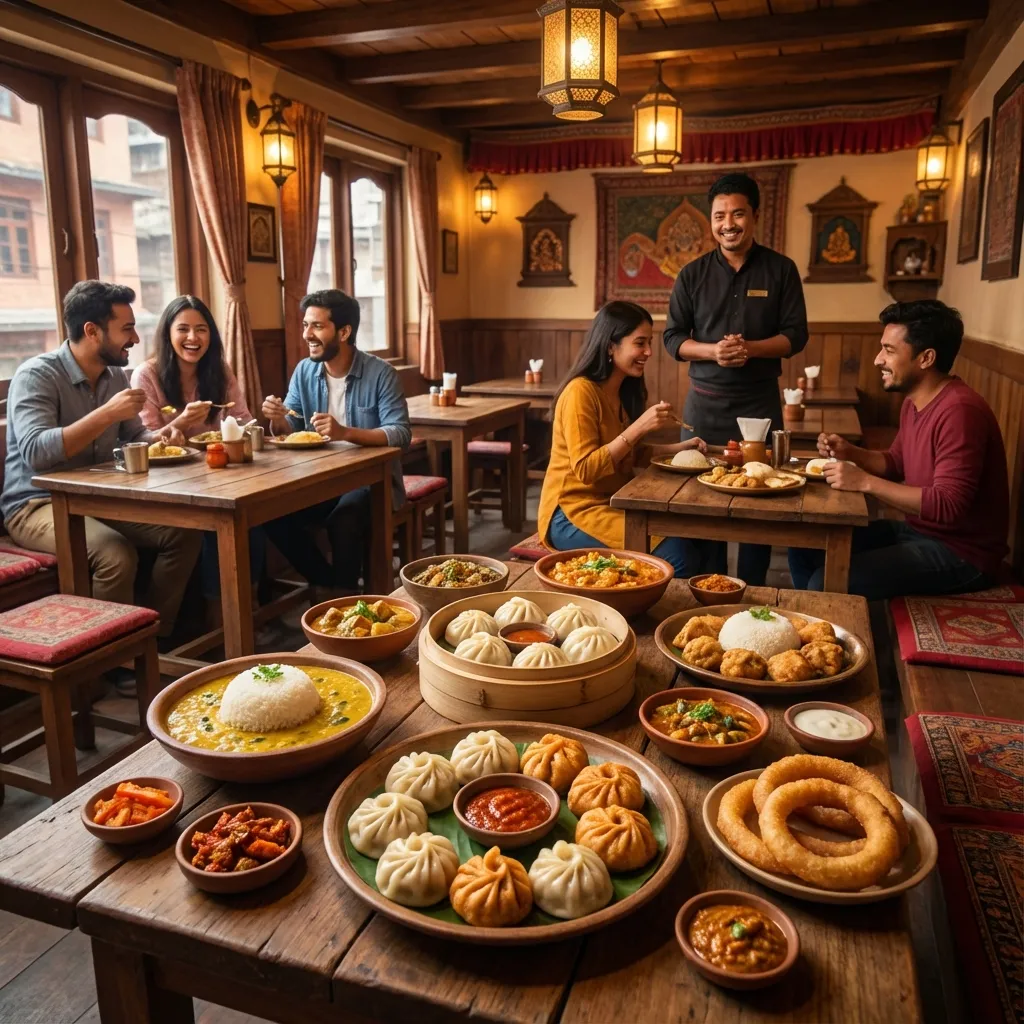
- Search “best momos in Kathmandu” or “romantic dinner Thamel”
- Check Google Maps and reviews
- Look at food photos on Instagram and Facebook
- Read recent reviews and ratings
- Check location and make reservation
- Share experience on social media
For Hotels:
- Search “budget hotel Pokhara” or “luxury resort Chitwan”
- Compare options on Google, Booking.com, TripAdvisor
- Check photos, amenities, and reviews
- Visit hotel website for deals
- Book directly or through OTA
- Leave review after stay
If your business isn’t visible and appealing at each stage, customers choose competitors.
graph TD
    A["Customer Needs/Search"] --> B{Online Discovery};
    B --> C{"Review & Compare Options"};
    C --> D{"Visit Website/Social Media"};
    D --> E{"Decision: Book/Visit"};
    E --> F["Experience & Feedback"];
    F --> G{"Share/Review Online"};
    G --> H["Loyalty/Repeat"];
    style A fill:#f9f,stroke:#333,stroke-width:2px;
    style H fill:#f9f,stroke:#333,stroke-width:2px;
Figure 1: The Modern Hospitality Customer Journey
The Statistics
- 89% of Nepali customers check online reviews before visiting a restaurant
- 73% discover new restaurants through social media
- 92% of travelers read reviews before booking accommodation
- Food businesses with strong Instagram presence see 35% more walk-ins
- Hotels with professional websites get 45% more direct bookings
Core Digital Marketing Strategies
1. Google Business Profile: Your Most Powerful Free Tool
Your Google Business Profile (GBP) is often the first thing potential customers see when searching for restaurants or hotels in Nepal.
Essential GBP Optimization:
For Restaurants:
- Photos: High-quality images of signature dishes, ambiance, exterior
- Menu: Upload complete menu with prices (update regularly)
- Attributes: “Outdoor seating,” “Takeout,” “Delivery,” “WiFi,” “Parking”
- Services: List cuisines, dining options (breakfast, lunch, dinner, brunch)
- Products: Feature popular dishes with photos and prices
- Posts: Daily specials, new menu items, events
- Booking integration: Enable reservations through Google
- Questions & Answers: Proactively answer common questions
For Hotels:
- Photos: Rooms, facilities, amenities, location, views, lobby
- Attributes: “Free WiFi,” “Parking,” “Pet-friendly,” “Airport shuttle”
- Amenities: Pool, gym, spa, restaurant, room service
- Room types: List different room categories with photos
- Booking integration: Link to booking engine
- Posts: Special packages, seasonal offers, local events
- Virtual tour: 360-degree photos of key areas
Managing Reviews:
Reviews make or break hospitality businesses. Here’s how to manage them:
Getting More Reviews:
- Train staff to politely request reviews from satisfied customers
- Include review request on bills/checkout forms
- Send post-visit SMS/email with direct review link
- Offer WiFi password cards with review reminder
- Create QR code for easy review access
Responding to Reviews:
Positive Reviews:
"Thank you Rajesh for the wonderful review! We're thrilled you
enjoyed our chicken momo and dal bhat. Your kind words mean
everything to our team. Can't wait to serve you again soon!"
Negative Reviews:
"We sincerely apologize for the long wait time, Srijana. That's
not the experience we want for our guests. We've addressed this
with our team to ensure it doesn't happen again. We'd love the
chance to make it right - please contact us at [phone]. Thank you
for your feedback."
2. Social Media Marketing: Where Food Businesses Thrive
Social media is critical for hospitality businesses—people eat with their eyes first.
Instagram Strategy (Most Important for F&B):
Content Types:
- Food photography: Professional shots of dishes (invest in good lighting)
- Behind-the-scenes: Kitchen prep, chef at work, sourcing ingredients
- Staff spotlights: Introduce your team
- Customer photos: Repost tagged photos (with permission)
- Stories: Daily specials, what’s cooking now, ambiance shots
- Reels: Quick recipe tips, food preparation, time-lapses
- User-generated content: Encourage customers to tag you
Posting Strategy:
- 1-2 feed posts daily
- 3-5 stories daily
- 2-3 reels per week
- Post when your audience is most active (lunch and dinner times)
- Use relevant hashtags: #KathmanduFood #NepalRestaurant #ThaMelEats
- Tag location on every post
- Engage with comments within 1 hour
Facebook Strategy:
Content Mix:
- Menu updates and new items
- Special offers and promotions
- Events and live music
- Customer testimonials
- Milestone celebrations
- Behind-the-scenes content
- Food preparation videos
- Seasonal menus
Facebook-Specific Tactics:
- Create events for special occasions
- Use Facebook Live for kitchen tours or special announcements
- Share customer reviews from Google to Facebook
- Run engagement contests (photo contests, caption contests)
- Join and engage in local food groups
- Use Facebook Marketplace for catering services
TikTok for F&B (Growing Opportunity):
TikTok is exploding in Nepal for food content:
- Quick recipe videos
- Food challenges
- Chef tips and tricks
- Satisfying food preparation videos
- Trendy food presentations
- Behind-the-scenes humor
- Collaborations with food influencers
3. Food Photography: Invest in Quality Visuals
In hospitality, visuals are everything. Poor photos lose customers; great photos create cravings.
DIY Photography Tips:
- Natural light is best (near windows)
- Use simple, clean backgrounds
- Style the dish (garnish, proper plating)
- Shoot from multiple angles (45-degree angle works best for most dishes)
- Include context (table setting, restaurant ambiance)
- Edit for consistency (use same filters across photos)
When to Hire a Professional:
- Menu launch photos
- Signature dish photography
- Website and marketing materials
- Seasonal campaigns
- Hotel room and facility photos
Investment: NPR 10,000-30,000 for professional restaurant photography session, NPR 40,000-80,000 for hotel photo shoot
4. Website & Online Ordering
Your website serves multiple purposes: showcase your business, provide information, and facilitate bookings/orders.
Essential Website Features for Restaurants:
- Menu: Complete menu with prices, descriptions, dietary information
- Online ordering: Integration with delivery platforms or own system
- Reservation system: Allow customers to book tables online
- Photo gallery: Mouthwatering food and ambiance photos
- Contact & location: Embedded Google Maps, phone, WhatsApp
- Operating hours: Clearly displayed
- Special offers: Prominent display of promotions
- About section: Your story, chef profile, sourcing practices
- Mobile optimization: 70% of visitors will be on mobile
Essential Website Features for Hotels:
- Booking engine: Direct booking capability with real-time availability
- Room showcase: Detailed photos and descriptions of each room type
- Amenities: Clear list of facilities and services
- Location information: Maps, nearby attractions, transportation
- Special packages: Seasonal offers, honeymoon packages, event packages
- Photo gallery: Professional images of rooms, facilities, views
- Reviews: Display TripAdvisor, Google, Booking.com reviews
- Contact information: Phone, email, WhatsApp, booking form
Online Ordering Integration:
Partner with or optimize for:
- Foodmandu: Largest food delivery platform in Nepal
- Pathao Food: Growing delivery service
- Bhoj Deals: Food deals platform
- Your own system: Consider building direct ordering to avoid commissions
5. Influencer Marketing: Leverage Food Bloggers
Influencer marketing is particularly effective for hospitality businesses in Nepal.
Finding the Right Influencers:
Food Bloggers & Reviewers:
- Look for authentic food reviewers with engaged followers
- Check their previous restaurant content quality
- Verify engagement rate (5-8% is good)
- Ensure their audience matches your target demographic
Influencer Tiers:
- Micro (10K-50K): NPR 5,000-15,000, high engagement, authentic
- Mid-tier (50K-100K): NPR 15,000-40,000, good reach and credibility
- Macro (100K+): NPR 40,000-100,000+, massive reach
Collaboration Models:
- Complimentary meal for honest review
- Paid partnership with specific deliverables
- Event invitations (soft openings, menu launches)
- Long-term brand ambassadorships
- Influencer takeovers for special events
Best Practices:
- Let influencers create authentic content (don’t over-control)
- Provide great experience (quality matters more than freebies)
- Request stories + feed posts for maximum reach
- Use their content on your own channels (with permission)
- Track results with promo codes or reservation mentions
6. Local SEO: Dominate “Near Me” Searches
When someone searches “restaurant near me” or “hotel in [location],” you want to appear.
On-Page SEO Tactics:
Optimize for Location-Based Keywords:
Primary Keywords:
- [Cuisine] restaurant in [Area]
- Best [Type] restaurant [City]
- [Amenity] hotel [Location]

Examples:
- "Italian restaurant in Thamel"
- "Best Newari cuisine Patan"
- "Budget hotel Pokhara Lakeside"
- "Rooftop restaurant Kathmandu"
Content Ideas:
- Neighborhood guides (“Best Things to Do Near Our Restaurant”)
- Local ingredient sourcing stories
- Area event coverage
- Partnership highlights with local businesses
- Community involvement stories
Schema Markup:
- Restaurant schema (menu, price range, cuisine type)
- Hotel schema (room types, amenities, star rating)
- Review schema
- Event schema
- LocalBusiness schema
Citations & Directories:
List your business on:
- TripAdvisor (critical for hotels)
- Zomato
- Foodmandu
- Nepal Tourism Board
- Booking.com, Agoda, Hotels.com (for hotels)
- Travel blogs and local guides
- Local business directories
7. Email Marketing: Build Customer Loyalty
Email marketing keeps customers coming back and increases lifetime value.
Building Your Email List:
- WiFi access in exchange for email
- Loyalty program sign-ups
- Birthday club registration
- Special offers for subscribers
- Reservation confirmations
Email Campaign Types:
Welcome Series:
- Thank you for subscribing
- Here’s what makes us special
- Special offer for first-time customers
Regular Newsletters:
- New menu items
- Seasonal specials
- Events and live music
- Chef’s recommendations
- Recipe sharing
Promotional Emails:
- Birthday discounts
- Anniversary specials
- Holiday offers
- Off-peak hour discounts
- Referral rewards
Re-engagement:
- “We miss you” offers for inactive customers
- Seasonal comeback campaigns
- New menu launch announcements
8. Paid Advertising: Facebook & Google Ads
Strategic advertising accelerates growth and fills seats/rooms during slow periods.
Facebook & Instagram Ads for F&B:
Campaign Types:
- Awareness: Reach new customers with appetizing photos
- Engagement: Boost posts with special offers
- Traffic: Drive to online ordering or reservations
- Conversions: Track actual bookings/orders
Targeting:
- Location: 5-10km radius around restaurant
- Demographics: Age, income level matching your target customer
- Interests: Foodies, dining out, specific cuisines, nightlife
- Behaviors: Frequent travelers, food delivery users
- Custom audiences: Website visitors, email list
- Lookalike audiences: People similar to best customers
Ad Creative:
- High-quality food photos or videos
- Clear offer (20% off, free appetizer, etc.)
- Strong call-to-action
- Time-limited offers create urgency
Budget: Start with NPR 20,000-40,000/month
Google Ads for Restaurants:
Search Campaigns:
- Target high-intent keywords: “restaurant Thamel,” “dinner reservation Kathmandu”
- Use location extensions
- Include call extensions
- Promote special offers
- Link to menu or reservation page
Display Campaigns:
- Remarketing to website visitors
- Target food enthusiasts
- Promote special events
YouTube Ads:
- Restaurant ambiance videos
- Chef introduction
- Food preparation videos
- Customer testimonials
Budget: NPR 30,000-60,000/month for competitive markets
Google Ads for Hotels:
Search Campaigns:
- Target booking-intent keywords: “hotel in Pokhara,” “Chitwan resort booking”
- Use sitelink extensions (rooms, amenities, offers)
- Highlight unique selling points
- Include call extensions for direct bookings
- Bid higher during peak seasons
Display/Remarketing:
- Show ads to people who visited but didn’t book
- Target travelers researching Nepal
- Promote special packages
YouTube Ads:
- Virtual hotel tours
- Destination promotion
- Guest testimonials
- Facility showcases
Budget: NPR 50,000-150,000/month depending on hotel size
9. Online Reputation Management
Your online reputation directly impacts revenue—a one-star increase can boost revenue by 5-9%.
Multi-Platform Review Strategy:
Monitor and manage reviews on:
- Google (most important)
- TripAdvisor (for hotels)
- Zomato (for restaurants)
- Booking.com, Agoda (for hotels)
Handling Negative Reviews:
Do:
- Respond within 24 hours
- Apologize sincerely
- Take responsibility
- Offer to make it right
- Take the conversation offline
- Learn and improve
Don’t:
- Argue or become defensive
- Make excuses
- Blame the customer
- Leave fake positive reviews
- Ask friends/family to write reviews
- Offer incentives for positive reviews
Example Response:
"We're truly sorry to hear about your experience. This isn't the
standard we hold ourselves to. We'd love the opportunity to make
this right. Please contact our manager directly at [phone].
We value your feedback and are committed to improving."
10. Loyalty Programs & Repeat Customer Strategies
Acquiring new customers costs 5x more than retaining existing ones. Build loyalty.
mindmap
  root((Hospitality Digital Marketing))
    Google Business Profile
    Social Media Marketing
      Instagram
      Facebook
      TikTok
    Food Photography
    Website & Online Ordering
      Online Booking
      Online Menu
    Influencer Marketing
      Micro-influencers
      Collaboration Models
    Local SEO
      Keywords
      Schema Markup
    Email Marketing
      List Building
      Campaign Types
    Paid Advertising
      Facebook/Instagram Ads
      Google Ads
    Online Reputation Management
      Monitor Reviews
      Respond Effectively
    Loyalty Programs
      Points/Punch Card
      VIP Clubs
Figure 2: Core Digital Marketing Strategies
Digital Loyalty Programs:
- Points-based: Earn points per visit/spend, redeem for rewards
- Punch card: Digital version (via app or mobile number)
- Tiered programs: Silver, Gold, Platinum with escalating benefits
- VIP club: Exclusive access to new items, events, discounts
Implementation Tools:
- Custom mobile app (investment: NPR 200,000-500,000)
- Third-party loyalty platforms
- Simple SMS-based system
- WhatsApp Business with customer database
Rewards Ideas:
- Free appetizer/dessert after X visits
- Birthday month discount
- Anniversary celebration package
- Exclusive menu previews
- Priority reservations
- Members-only events
Measuring Success: Key Metrics
Track these KPIs to measure your marketing ROI:
Digital Metrics:
- Website traffic and mobile responsiveness
- Social media follower growth and engagement rate
- Google Business Profile views and actions
- Online ordering/booking conversion rate
- Email open and click-through rates
- Ad campaign ROAS (return on ad spend)
Business Metrics:
- Table turnover rate
- Occupancy rate (hotels)
- Average check size
- New vs repeat customer ratio
- Customer acquisition cost
- Customer lifetime value
Reputation Metrics:
- Average review rating (target: 4.5+)
- Number of reviews (more is better)
- Review response rate (target: 100%)
- Sentiment analysis across platforms
Common Mistakes to Avoid
- Inconsistent posting: Social media requires regular, consistent content
- Poor food photography: Bad photos turn customers away
- Ignoring reviews: Every review deserves a response
- No online ordering: Customers expect this convenience
- Slow website: Mobile users won’t wait for slow sites
- Complicated menus: Make it easy to find what they want
- No clear location: Embed Google Maps prominently
- Outdated information: Update hours, menu, prices regularly
- Missing contact options: Offer multiple ways to reach you
- Generic content: Show your unique personality and story
90-Day Quick-Start Plan
Month 1: Foundation
- Optimize Google Business Profile completely
- Take professional photos of food/facilities
- Set up social media business accounts
- Create basic website with menu/booking
- Install analytics tracking
Month 2: Content & Engagement
- Post daily on Instagram/Facebook
- Respond to all reviews within 24 hours
- Start collecting customer emails
- Launch one promotional campaign
- Engage with local food/travel communities
Month 3: Amplification
- Partner with 2-3 micro-influencers
- Launch Facebook/Instagram ads
- Start email marketing to customer list
- Run special event or promotion
- Analyze results and refine strategy
Ready to Fill More Tables and Book More Rooms?
Digital marketing for hospitality businesses requires a blend of beautiful visuals, strategic positioning, and consistent customer engagement. At Gurkha Technology, we’ve helped restaurants go from empty tables to fully booked weekends, and hotels increase direct bookings while reducing OTA dependency.
Our team understands the unique challenges of the Nepali hospitality market—from seasonal fluctuations to competitive local dynamics. We create customized strategies that drive real business results.
Ready to grow your hospitality business? Contact us for a free consultation and customized marketing strategy.
Related Resources:
- Local SEO Guide for Nepal
- Restaurant SEO Complete Guide
- Tourism SEO in Nepal
- Influencer Marketing Services
- Social Media Marketing
- Facebook Ads Guide
Related Posts and Resources
- Digital Marketing in Nepal (Complete Guide)
- Google Ads in Nepal: Practical Strategy
- SEO Analytics for Nepali Businesses
- eCommerce Analytics Setup in Nepal
- eCommerce Metrics That Matter
- Email Marketing Guide for Nepal
- Email Marketing ROI in Nepal
- Facebook Ads Budget Guide (Nepal)
- Cultural PPC Strategy for Nepal
- Competitor Analysis Framework for Nepal