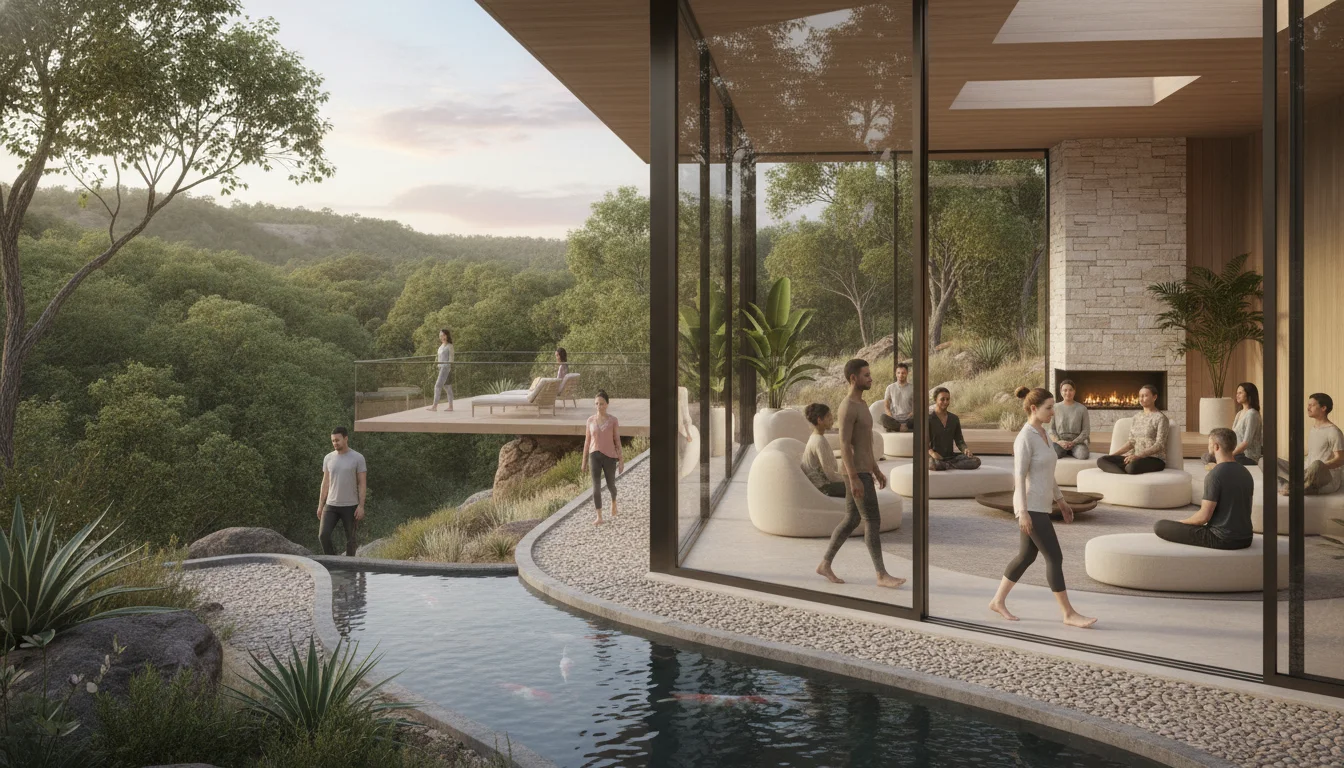
Eco-Resort Social Media Playbook: Visual Storytelling Guide
Introduction: The Paradigm Shift in Experiential Hospitality
The global hospitality sector is currently undergoing a profound structural and psychological evolution. The traditional metrics of luxury—historically characterized by opulence, standardization, and conspicuous consumption—are rapidly being supplanted by a new paradigm focused on experiential authenticity, ecological harmony, and off-grid isolation. In a hyper-connected, digitized world where the average consumer spends upwards of two hours and twenty-four minutes on social media daily, the ultimate luxury has become intentional disconnection. Travelers are increasingly seeking remote environments that offer not just a physical retreat, but a psychological reset, prioritizing destinations that operate in symbiotic balance with their natural surroundings rather than dominating them.
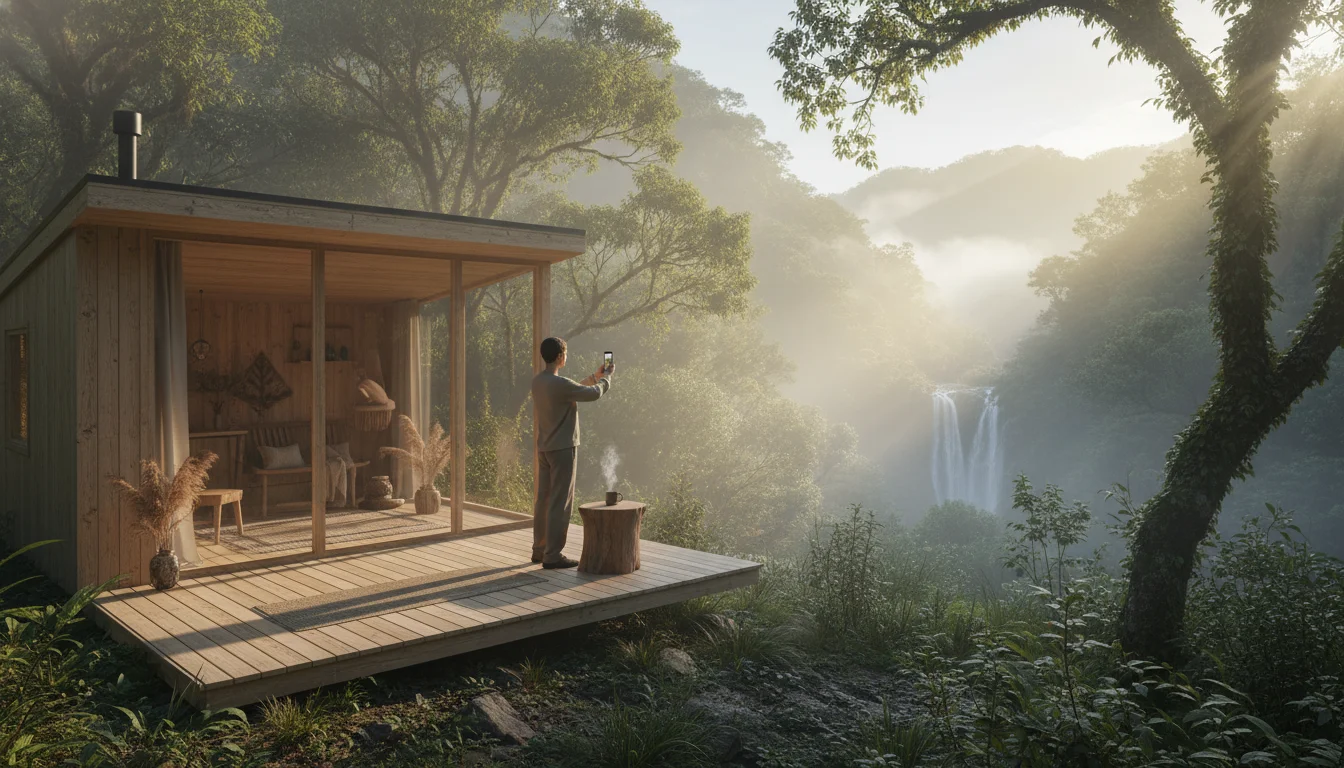
This paradigm shift presents a unique challenge for destination marketing organizations (DMOs) and eco-resort operators. The very attributes that make off-grid hospitality desirable—geographic isolation, the absence of traditional urban infrastructure, and deep integration with raw nature—are notoriously difficult to communicate through conventional advertising mechanisms. Standardized brochures, overly polished commercial photography, and generic marketing copy fail to capture the nuanced, sensory experience of waking up in a solar-powered cabin in the misty mountains, or traversing an untouched rainforest canopy. For the modern traveler, traditional advertising formats lack the authenticity required to trigger a booking decision.
Consequently, visual storytelling on social media has emerged as the most critical vector for customer acquisition, brand positioning, and consumer education in the sustainable tourism sector. According to the World Travel and Tourism Council, travel accounts for roughly 10.6 percent of the total global GDP, highlighting the massive economic engine that tourism represents, particularly for developing regions utilizing tourism to attract foreign investment. To capture a segment of this market, off-grid operators must deploy strategies that differ fundamentally from those used for traditional urban hospitality. This comprehensive playbook deconstructs the mechanisms of effective visual storytelling for off-grid hospitality, providing a strategic framework for navigating psychographic segmentation, anti-greenwashing communication protocols, the aestheticization of utilitarian infrastructure, spatial cinematography, local community integration, and algorithmic platform distribution for the 2024-2025 digital landscape.
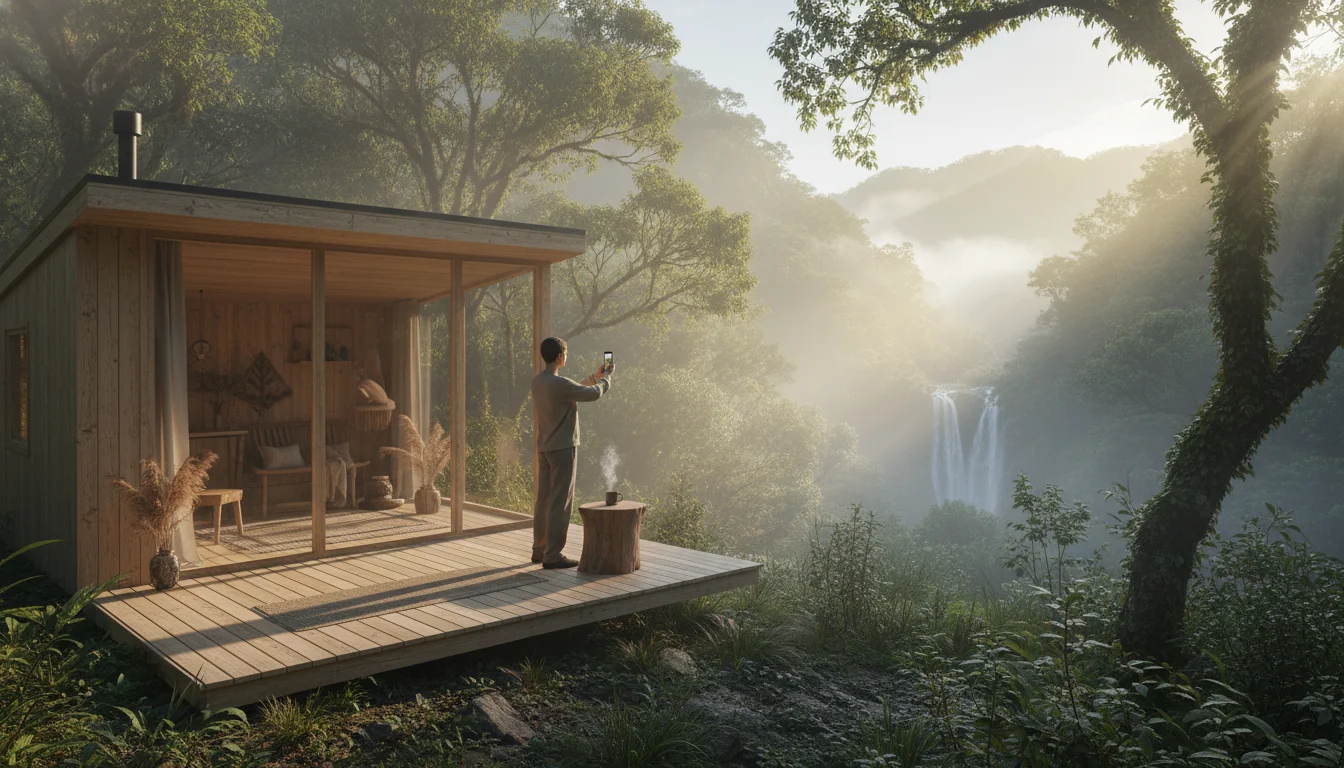
The Psychodynamics of the Off-Grid Traveler
Before developing a visual storytelling strategy or establishing content pillars, it is imperative to deeply analyze the psychographics of the target audience. Psychographic segmentation transcends basic demographic data—such as age, income, and geographic location—by categorizing consumers based on their Activities, Interests, and Opinions (AIO), alongside their personality traits, lifestyles, and core ethical values. In the context of adventure and off-grid travel, this sophisticated segmentation is critical because the decision to book a remote eco-lodge is fundamentally driven by emotional resonance and ideological alignment rather than mere geographical convenience or price competitiveness.
The contemporary off-grid traveler operates on a complex spectrum of motivations. Recent industry trends indicate that 85 percent of modern travelers prioritize experiences over physical amenities, and 81 percent possess a strong desire to explore the unknown, moving away from mass-produced tourist itineraries. Furthermore, global consumer sentiment toward sustainability has reached a definitive tipping point. Approximately 81 percent of travelers worldwide state that sustainable travel is a priority, and over 75 percent expect businesses to actively reduce their carbon footprint and take responsibility for climate change mitigation.
This demographic is characterized by a high degree of skepticism toward corporate marketing. Having been inundated with misleading claims, they are highly attuned to authenticity and quickly dismiss content that appears manufactured, overly curated, or traditionally “salesy”. Instead, the off-grid traveler seeks personal growth, deeper self-understanding, and a tangible, respectful connection to local cultures and fragile ecosystems.

The Conscious Minimalist
Core Motivations and Ideological Drivers: Reducing personal carbon footprint, supporting local circular economies, practicing zero-waste living.
Visual Content Preferences and Triggers: Unfiltered behind-the-scenes footage, deep-dive infrastructure tours (solar arrays, water catchments), transparent data visualization.
Strategic Marketing and Storytelling Approach: Emphasize the resort’s operational sustainability, zero-waste initiatives, and measurable ecological impact using hard data.
The Experiential Adventurer
Core Motivations and Ideological Drivers: Pushing physical and mental boundaries, seeking the most remote environments, engaging in immersive physical activities.
Visual Content Preferences and Triggers: Fast-paced First Person View (FPV) drone footage, user-generated action shots, sweeping views of rugged, unforgiving landscapes.
Strategic Marketing and Storytelling Approach: Focus on the physical journey, the exclusivity of access to untouched nature, and adrenaline-focused local activities.
The Wellness Escapist
Core Motivations and Ideological Drivers: Disconnecting from digital noise, mental health restoration, embracing slow living and mindfulness.
Visual Content Preferences and Triggers: Symmetrical compositions, biophilic architectural details, soft natural lighting, ASMR audio of natural environments.
Strategic Marketing and Storytelling Approach: Highlight silent spaces, spa treatments integrated into the raw environment, and the profound psychological benefits of isolation.
The Cultural Immersionist
Core Motivations and Ideological Drivers: Authentic, non-extractive interactions with indigenous populations, supporting local artisans and preserving heritage.
Visual Content Preferences and Triggers: Long-form mini-documentaries on local staff, artisan workshops, traditional culinary preparation and sourcing.
Strategic Marketing and Storytelling Approach: Showcase community-based tourism (CBT) initiatives, respectful indigenous partnerships, and localized supply chains.
Understanding these specific psychographics dictates that visual storytelling must move far beyond simply showcasing the physical assets of the property. A photograph of a beautifully designed room with luxury linens is insufficient; the image must communicate exactly how it feels to inhabit that room, utilizing visual cues to trigger emotional resonance and allow the prospective guest to vividly project themselves into the narrative. For instance, capturing the expression of awe on a guest’s face as they reach a summit is exponentially more effective than simply showing the trail itself, as emotion is the mechanism that transforms an image from a travel snapshot into an invitation to dream.
Navigating the Authenticity Imperative: Anti-Greenwashing Frameworks
As sustainability becomes a primary driver of consumer choice and purchasing intent, the prevalence of “greenwashing”—the dissemination of misleading, vague, or exaggerated claims regarding a company’s environmental practices—has surged across the hospitality sector. Eco-resorts that fail to substantiate their sustainability claims risk severe reputational damage, diminished consumer trust, and potential legal repercussions under emerging regulatory frameworks such as the European Union’s Green Claims Directive, which sets strict standards for environmental marketing.
Visual storytelling on social media must, therefore, be anchored in a philosophy of radical transparency. The use of vague buzzwords like “eco-friendly,” “green,” or “conscious” without accompanying empirical evidence is actively counterproductive and triggers immediate skepticism among sophisticated travelers. Instead, resorts must utilize structured communication models to construct narratives that are informative, emotionally resonant, and highly actionable. One of the most effective frameworks for this is the “Know, Feel, Do” communication model.
The “Know” stage requires the dissemination of explicit, verifiable facts. Rather than claiming a property is “green,” the storytelling must state that the property operates on “90% renewable energy generated by a 5kW solar array and a lithium battery bank”. The “Feel” stage addresses the emotional response the content is designed to elicit. For a sustainable resort, this often involves fostering a sense of harmony, relief that one’s luxury vacation is not contributing to ecological degradation, or awe at human ingenuity in remote environments. Finally, the “Do” stage provides a clear call to action, prompting the user to book a stay, adopt a similar sustainable practice in their own home, or read the resort’s comprehensive annual impact report.
To operationalize this transparent storytelling, eco-resorts should adopt structural pillars similar to those utilized by leading sustainable organizations. For example, the Beyond Green Global Impact Report categorizes its storytelling into three core pillars: Nature, Culture, and Community. By strictly aligning social media content with these pillars, resorts can systematically demonstrate their commitment to the United Nations Sustainable Development Goals, ensuring a holistic representation of their impact. Furthermore, storytelling should be checked against the 10 Principles of Sustainable Communication to ensure messaging remains inclusive, culturally sensitive, progressive, and ethical.
Crucially, transparency demands that resorts do not hide their operational challenges. The journey of sustainability is inherently fraught with difficulties, particularly in off-grid environments.
Sharing the real-world challenges of maintaining off-grid systems in extreme winter conditions, the complexities of trenching conduit through rocky terrain, or the mistakes made during initial equipment installations humanizes the brand and builds immense credibility. Documenting this journey—including the failures, the iterative design processes, and the subsequent improvements—proves that the commitment to sustainability is genuine, ongoing, and deeply embedded in the resort’s operational DNA, rather than serving as a mere marketing veneer.
Deconstructing the Visual Infrastructure: Aestheticizing the Utilitarian
In traditional luxury urban hospitality, the infrastructure that sustains the resort—HVAC systems, complex plumbing networks, waste management facilities, and power generation plants—is deliberately hidden from the guest. The illusion of effortless luxury relies entirely on rendering the mechanics of the operation invisible. However, in the off-grid and eco-resort sector, this paradigm is completely inverted. The infrastructure itself is a core component of the experience. The mechanisms of survival and sustainability are points of immense pride and serve as powerful, differentiating tools for visual storytelling.
The Visual Narrative of Renewable Energy and Water Management
The modern off-grid traveler is inherently curious about self-sufficiency and the mechanics of decentralized living. Documenting the intricate details of solar arrays, rainwater catchment systems, and high-capacity battery banks satisfies this intellectual curiosity while simultaneously proving the resort’s sustainable claims with visual evidence. Content that meticulously details the construction and operation of a solar-powered pressurized water pump house, for example, transforms a mundane utility into a fascinating narrative of engineering resilience. Sharing the evolution of these systems—from a “quick and dirty” version one to a highly complicated, permanent version three with freeze protection and temperature monitoring—creates a compelling narrative arc that audiences follow with high engagement.
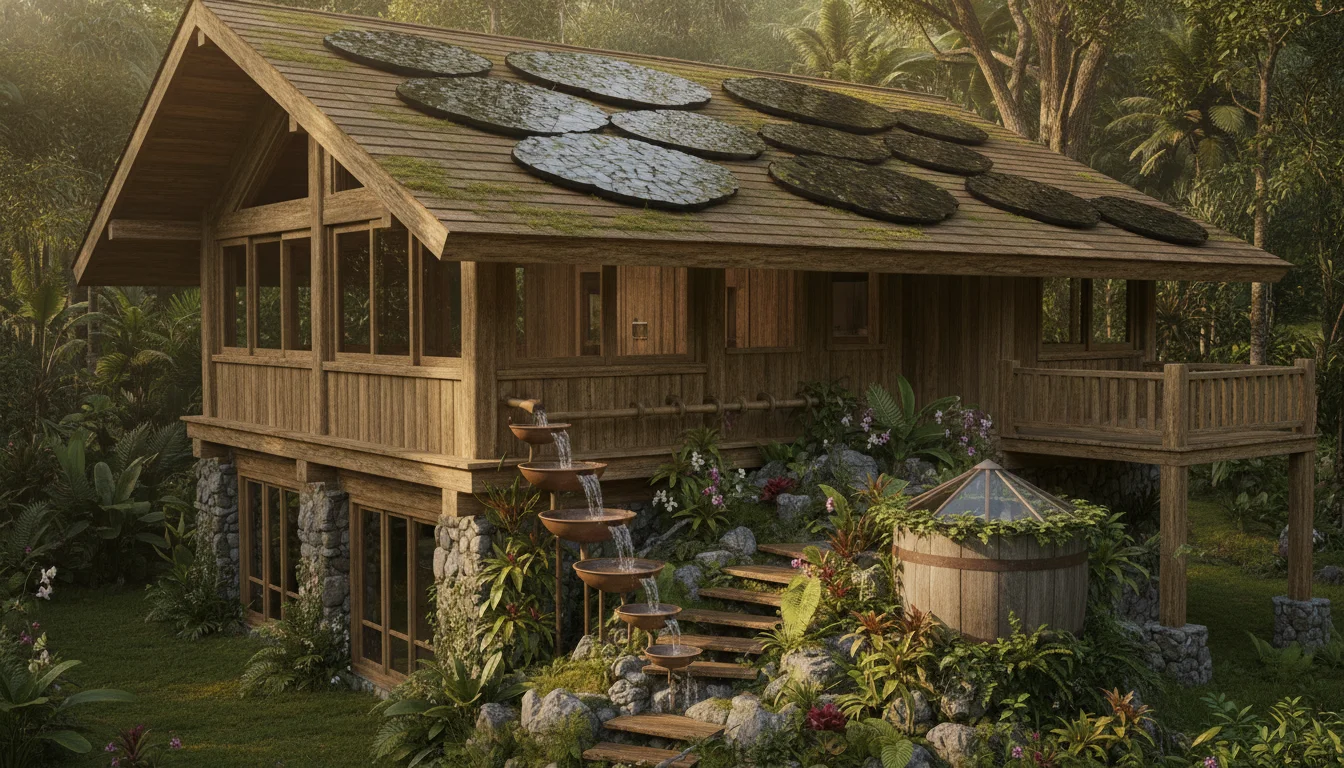
Visualizing these systems requires a specific, nuanced aesthetic approach. Rather than presenting sterile, highly technical diagrams, successful social media content integrates these technological systems into the broader, untamed landscape. A photograph of a rustic, wooden cabin with a green metal roof surrounded by ancient Sitka spruce trees, which subtly features roof-mounted solar panels, communicates architectural harmony with the coastal environment. The visual juxtaposition of high-tech renewable solutions against rugged, untouched wilderness creates a compelling tension that defines the modern off-grid aesthetic, demonstrating that human habitation can exist in total harmony with a powerful wild environment. Content can also leverage technology comparison charts to educate the consumer, visually breaking down the environmental impact of traditional fossil fuel systems versus the property’s clean energy solutions.
The Evolution and Destigmatization of Waste Management Imagery
Perhaps the most challenging aspect of off-grid visual storytelling lies in waste management. Systems such as composting toilets, greywater recycling, and blackwater processing are absolutely essential for remote eco-lodges, yet they carry heavy historical stigmas associated with discomfort, foul odors, or unsanitary conditions. Overcoming this deeply ingrained consumer hesitation requires deliberate, highly aestheticized, and sophisticated visual communication.
The industry has seen a massive evolution in the design and functionality of these systems. The aesthetic has moved far beyond rudimentary dug-hole outhouses to luxurious, split-system composting models that effectively separate liquids from solids, completely eliminate odors, and provide a premium user experience comparable to high-end urban plumbing. Social media content must focus intensely on this evolution, using high-quality video tours to demystify the process and alleviate guest anxiety.
Videos showcasing the clean, modern interiors of off-grid bathrooms play a crucial role. By highlighting expansive windows that offer sweeping nature views right from the facility, utilizing polycarbonate roofs to flood the space with natural light, and featuring bespoke aesthetic woodwork, marketers reframe the composting toilet from a necessary inconvenience into a unique element of sustainable luxury. Furthermore, showing the backend servicing—how modern systems allow for waste removal from the exterior without bringing raw sewage through the living space—reassures guests of the pristine hygiene maintained on-site. Finally, showcasing the complete lifecycle of the waste—how it is safely converted into rich compost over time to nourish the surrounding gardens—completes the narrative loop of a localized circular economy, deeply satisfying the ideological requirements of the “Conscious Minimalist” traveler.
Strategic Visual Aesthetics: Color Palettes, Brand Identity, and the Golden Ratio
The visual identity of an eco-resort on social media must be meticulously curated to evoke the precise psychological state the destination offers. This requires a rigorous application of color theory, brand consistency, and mathematical design principles to ensure visual harmony and immediate brand recognition. In a highly saturated visual market, the careful curation of these elements ensures that a brand’s social media grid feels cohesive, intentional, and intrinsically linked to its physical location.
Establishing the Brand Voice and Visual Parameters
Before applying specific colors, the overarching brand persona must be defined. A comprehensive social media playbook, such as the framework utilized by Visit Duluth, establishes strict guidelines for how the brand should “feel.” For off-grid hospitality, the tone should typically be welcoming, authentic, and engaging, strictly avoiding language or imagery that feels cocky, overly glamorous, or artificially quaint. The visual strategy must align with this voice. If the brand voice emphasizes raw nature, the visual parameters must eschew heavy filters or artificial lighting in favor of natural, ambient light and user-generated realism.
Biophilic Color Palettes for Emotional Grounding
The most effective social media feeds for off-grid properties utilize color palettes directly extracted from their surrounding physical environments, fostering an immediate sense of groundedness and authenticity. These biophilic palettes bypass conscious processing and directly trigger deep emotional associations with nature, signaling to the viewer exactly what type of ecosystem they are about to step into.
| Palette Archetype | Core Hex Code Examples | Psychological Resonance and Energy | Ideal Hospitality Application |
|---|---|---|---|
| Mountain Air (Forest/Woodland) | #254B5A (Deep Navy), #7F9A83 (Sage), #778C58 (Moss) | Growth, tranquility, stability, and renewal. Evokes quiet strength and ancient wisdom. | Temperate rainforest lodges, remote alpine cabins, and wellness retreats heavily focused on forest bathing. |
| Coastal-Luxe (Ethereal) | #C9B98F (Champagne), #88856A (Sage Taupe), #474747 (Charcoal) | Sophistication, approachability, organic authenticity, and a dreamy, romantic minimalism. | High-end beachfront eco-resorts, remote island sanctuaries, and luxury glamping situated near water. |
| Desert Dunes (Earthy) | #E9DECE (Sand), #9D5F1B (Rust), #6C3C0C (Rich Brown) | Rootedness, traditional craftsmanship, sacredness, and deep, enveloping warmth. | Desert glamping sites, arid safari lodges, and properties emphasizing indigenous, earth-based architecture. |
| Home Truths (Optimistic Brights) | Bright Corals, Acid Pastels, Clear Aquas | Urgency, innovation, technological optimism, and an energetic push against greenwashing. | Resorts focusing heavily on active marine conservation (e.g., coral restoration) or avant-garde sustainable design. |
By strictly adhering to a defined palette—ensuring that all typography, graphic overlays, and curated photography fall within these hex codes—an eco-resort creates a highly cohesive grid on platforms like Instagram. This transforms their profile from a disjointed, chaotic collection of images into a unified, high-end visual experience that commands immediate respect and trust.
The Golden Ratio in Content Composition
In spatial and graphic design, the Golden Ratio (1.618, also known as the Divine Proportion) provides a mathematical foundation for aesthetics, creating a profound sense of harmony and proportion that the human brain is evolutionarily hard-wired to prefer. This ratio has been utilized for centuries, from ancient architecture to Renaissance painting, to create visual perfection.
When applied to the architectural photography of off-grid cabins, or the framing of vast, empty landscapes, the Golden Ratio—often simplified in standard photography as the Rule of Thirds—ensures that the visual weight of the image is perfectly balanced. This is particularly crucial when displaying the juxtaposition of small human dwellings against massive natural backdrops. When designing social media graphics, such as infographics detailing the property’s sustainability metrics or custom video thumbnails, utilizing the rectangle of harmonious proportions ensures that text and imagery do not compete. This subconscious attraction leads to higher engagement rates, longer viewing times, and a perception of premium quality.
Immersive Spatial Cinematography: FPV vs. Traditional Drones
The inherent remoteness and sheer geographic scale of off-grid resorts demand the use of aerial cinematography. Ground-level photography alone cannot adequately convey the total isolation of a property nestled deep in a sprawling rainforest, or the dramatic positioning of a lodge perched on a secluded cliffside.
However, the application of drone technology in social media marketing has bifurcated into two highly distinct styles, each serving a unique, critical narrative purpose: Traditional Cinematic Drones and First Person View (FPV) Drones.
Traditional Cinematic Drones: Macro Context and Majestic Scale
Cinematic drones (such as the DJI Mavic series) utilize highly stabilized mechanical gimbals and high-resolution sensors to capture incredibly smooth, sweeping, and majestic footage. This technology is paramount for establishing the macro context of the resort. It is the ideal tool to capture static top-down shots, slow, deliberate reveals of the surrounding landscape, and the exact architectural footprint of the property from a great distance.
The strategic application of cinematic drone footage lies primarily in top-of-funnel marketing designed to instill a profound sense of awe. A slow time-lapse of the sun setting over a vast, empty landscape, captured via a perfectly stable aerial platform, instantly transports potential guests and establishes the sheer grandeur of the destination. It effectively communicates the where of the experience, satisfying the viewer’s need to understand the geography and isolation of the site before committing to a journey.
FPV Drones: Micro Immersion and Lifestyle Dynamism
Conversely, FPV drones represent a completely different cinematic language. Flown manually via video goggles by highly skilled pilots, these drones allow for incredibly fast, precise, and acrobatic movements. Crucially, FPV footage does not seek to artificially stabilize the horizon; instead, it leans heavily into the dynamic motion of flight, creating a visceral, highly immersive visual experience. FPV drones have the capability to dive rapidly down the face of a mountain, weave aggressively through dense forest canopies, and seamlessly transition from the outdoor wilderness straight through the open doors or windows of a luxury cabin, all in a single, uninterrupted take.
The strategic application of FPV video is profoundly effective for lifestyle content because it perfectly captures the essence of freedom, speed, and adventure. By placing the viewer in an immediate, first-person perspective, FPV footage bypasses the passive observation typical of traditional video, making the viewer feel as though they are actively participating in the environment. This heightened emotional engagement makes FPV content highly shareable and uniquely suited for short-form, vertically oriented platforms like TikTok and Instagram Reels, where fast-paced visual hooks are required to stop users from scrolling.
The most sophisticated eco-resort social media playbooks do not choose one over the other; they combine both technologies. A masterclass in visual storytelling involves utilizing cinematic aerials to establish the majestic, quiet surroundings, before transitioning abruptly into a high-energy, dynamic FPV sequence that tours the granular details of the living spaces and the immediate proximity to the raw nature outside. This provides a comprehensive, high-quality video experience that works across websites, social media platforms, and paid advertisements.
Community and Cultural Integration in Visual Narratives
A truly sustainable off-grid resort does not exist in a vacuum; it functions as an active, integrated node within a broader socio-ecological network. High-performing eco-resorts recognize that ecological preservation must be inextricably coupled with social and economic empowerment for local communities. Visual storytelling that highlights these authentic relationships is not merely an act of corporate social responsibility or a compliance checkbox; it is a potent marketing strategy that appeals directly to the high-value “Cultural Immersionist” demographic, who actively seek to avoid exacerbating existing social inequalities through their travel.
Integrating local culture deeply into the social media narrative transforms the property from a mere physical location into a vital cultural conduit. This is achieved through several highly strategic visual applications:
- Artisan Spotlights and Co-Marketing Ecosystems: Showcasing the specific local artisans who contributed to the resort’s architecture or interior design establishes immediate authenticity. For example, featuring a multimedia profile of a local potter whose ceramics are used exclusively in the resort’s dining room, or highlighting traditional weavers whose textiles decorate the off-grid cabins, demonstrates a tangible, financial commitment to the local economy. By utilizing QR codes linking to artisan biographies, or running joint social media campaigns, resorts expand their reach while positioning themselves as dedicated curators of local heritage. The Albergo Diffuso concept, which involves restoring scattered family homes in a village to immerse guests in the history and culture of the location, is a prime example of this deep integration.
- Staff Narratives and Community-Based Tourism (CBT): Moving far beyond generic, staged hospitality imagery, resorts must highlight the specific individuals who operate the property. Sharing the deeply personal stories of staff members recruited from nearby villages, or documenting community-based tourism initiatives, vividly illustrates the socio-economic benefits of the resort’s presence. Facilities like EcoCamp Patagonia, which sell local crafts through their original brand “Man-Kai,” use these narratives to prove their seamless integration into the economic fabric of the region. Demonstrating that community-based businesses in networks like the Brazilian Amazon generated over $20 million in gross revenues provides powerful, verifiable context to these stories.
- Culinary Sourcing and Agricultural Partnerships: The farm-to-table journey is a visually rich, highly engaging narrative. Following the precise path of an ingredient from a neighboring organic farm, or a local fisherman, directly to the resort’s kitchen provides compelling video content that emphasizes incredibly low carbon footprints, regional flavors, and mutual economic support. Highlighting these local supply chains proves that the resort is not importing unsustainable goods at the expense of the local ecosystem.
By masterfully weaving these community narratives into the social media grid, the eco-resort actively avoids the perception of being an invasive, extractive enterprise, positioning itself instead as a trusted guardian of local culture and a powerful catalyst for sustainable rural development.
Algorithmic Distribution and Platform Strategies for 2024-2025
Creating exceptional, high-quality visual content is only the first half of the marketing equation; distributing it effectively requires a deep, technical understanding of algorithmic trends and platform-specific user behaviors. The social media landscape in the 2024-2025 cycle is defined by several major structural shifts: the absolute decline of hashtag efficacy, the massive dominance of user-generated content (UGC), the rapid integration of Generative AI for hyper-personalization, and the critical distinction between discovery platforms and engagement platforms.
Pinterest: The High-Intent Discovery Engine for Sustainable Travel
While often completely overlooked by traditional hoteliers in favor of the immediate gratification of Instagram, Pinterest is arguably the most powerful, long-term platform for off-grid hospitality marketing. Pinterest is not fundamentally a social network; it is a visual search engine designed specifically for high-intent discovery. Users utilize Pinterest during the earliest “dreaming and planning” phases of the travel lifecycle, actively searching for inspiration with a clear intent to eventually make a purchase or booking.
Crucially, sustainability is a massive, accelerating driver of engagement on Pinterest. Users in major markets are actively seeking eco-friendly brands to align with their changing lifestyles, and Pinterest campaigns featuring sustainable messaging are mathematically proven to be 2.4 times more likely to drive action intent compared to non-sustainable campaigns. Over 50% of Gen Z and Millennial users indicate a willingness to pay a premium for eco-friendly products and experiences discovered on the platform.
To dominate Pinterest, eco-resorts must adopt a high-frequency, SEO-driven strategy rather than treating it like a standard photo feed.
Digital Platform Strategies
Top-performing automated accounts generate massive, compounding traffic by pinning between 15 to 30 times daily. Every single pin must be hyper-optimized, featuring a high-quality vertical image, a punchy, click-inducing title, and a keyword-rich description (100-150 words) that perfectly aligns with user search intent (e.g., “10 Stunning Off-Grid Cabin Designs in the Wilderness” or “Sustainable Eco-Resorts in the Amazon Rainforest”). Because Pinterest relies heavily on semantic search rather than chronological feeds, content has a much longer lifespan—often generating traffic years after posting—acting as a continuously compounding asset for website traffic and direct bookings.
YouTube: Long-Form Narrative and Deep Education
While short-form video dominates fleeting attention spans, YouTube remains the absolute premier destination for deep, narrative-driven storytelling and education. For off-grid properties, YouTube is the ideal platform to thoroughly explain the complex engineering of sustainable infrastructure, the rich history of the local community, or the intricate, step-by-step details of a DIY off-grid cabin build.
Eco-resorts should invest heavily in producing high-production-value mini-documentaries or episodic series. Formats that perform exceptionally well in this space include “Off-Grid Build” series detailing the rigorous construction of eco-tents or sustainable bamboo structures in remote jungles, or “Day in the Life” vlogs that transparently showcase the extreme logistical realities of running a completely self-sufficient island eco-resort. This long-form content builds immense, unshakeable brand loyalty, as viewers invest significant time in understanding the property’s ethos, operations, and challenges long before making a high-ticket booking decision.
Short-Form Platforms (Instagram/TikTok): The UGC Shift
On platforms like Instagram and TikTok, the prevailing visual aesthetic has shifted violently away from highly curated, overly polished commercial photography toward raw, authentic, short-form video (Reels and Shorts). Over 79 percent of users state that User-Generated Content (UGC) highly impacts their purchasing decisions, as modern travelers have developed a highly sensitive radar for detecting inauthentic, staged advertising. Social commerce is also booming on these platforms, turning posts into instant shopping or booking moments.
Furthermore, algorithms on Instagram are actively deprioritizing hashtags for reach, rendering old strategies obsolete. Discovery is now primarily driven by precise location tags, highly relevant keyword-optimized captions, and outbound engagement strategies, such as actively commenting on relevant creators’ content to put the brand in front of established audiences. Interestingly, Facebook is experiencing a resurgence in relevance for hotel marketers, driven by Meta’s commitment to AI and VR innovations, making it a critical platform for reaching an older, higher-net-worth demographic with disposable income for luxury eco-travel.
Platform Strategy Summary
Primary Marketing Function: High-Intent Discovery & Planning
Optimal Content Formatting: Vertical Pins (2:3 ratio), Idea Pins, Highly structured Listicle Graphics.
2024-2025 Strategic Focus: High-volume pinning (15-30/day), heavy semantic SEO keyword optimization, creating distinct boards for sustainable living and off-grid aesthetics.
YouTube
Primary Marketing Function: Deep Education, Narrative Building & SEO
Optimal Content Formatting: Mini-Documentaries, Detailed Infrastructure Tours, Long-form Vlogs, YouTube Shorts.
2024-2025 Strategic Focus: Highlighting extreme off-grid systems (water, solar, waste) and community integration to build deep trust and educate the market.
Instagram / TikTok
Primary Marketing Function: Viral Reach, Engagement & Social Commerce
Optimal Content Formatting: FPV Drone Reels, Raw UGC, Behind-the-scenes iPhone footage, trending audio.
2024-2025 Strategic Focus: Leveraging short-form video exclusively for growth, ditching broad hashtags for semantic SEO captions, utilizing direct social commerce integrations.
Primary Marketing Function: Demographic Targeting, Retargeting & Community Management
Optimal Content Formatting: Repurposed high-quality Video, Direct Links, VR previews.
2024-2025 Strategic Focus: Updating brand assets, leveraging Facebook Groups for highly niche adventure travel communities, targeting older, high-spending demographics.
Cultivating Radical Authenticity: The Content Creator Residency Model
The traditional, transactional model of influencer marketing—which typically involves paying a creator a flat fee for a predetermined number of highly staged posts during a brief, complimentary 48-hour stay—is becoming increasingly ineffective, particularly in the sustainable hospitality space. This superficial approach almost always yields content that fails to capture the necessary depth, serenity, and operational reality of an off-grid experience, resulting in audience skepticism. To generate truly compelling, authentic visual narratives, leading eco-resorts are completely pivoting their strategies toward establishing robust Content Creator Residency Programs.
A comprehensive residency program involves inviting carefully vetted creators—ranging from environmental filmmakers and conservation photographers to nature writers and sustainability advocates—for significantly extended stays, typically ranging from one to four weeks. During this extended period, the creator is deeply integrated into the daily life of the resort. They are provided with a private workspace, access to all facilities, and are heavily encouraged to develop self-led, passion-driven projects that naturally align with the property’s ecological and cultural ethos.
This residency model produces vastly superior visual storytelling for several critical reasons:
- Deep Environmental Immersion: Extended time allows the creator to move far past the superficial aesthetics of the property’s facade. They have the time to uncover deeper, more subtle narratives—such as the way the morning light changes through the dense forest canopy, the seasonal nuances of the local wildlife migrations, or the daily rhythms and operational challenges of the maintenance staff.
- Symbiotic Value Creation: High-quality programs often require the creator to “leave a trace” as part of the exchange. This could involve contributing physical artwork to the property, hosting an educational workshop for guests, or providing a comprehensive, high-resolution media library for the resort’s exclusive, perpetual marketing use.
- Alignment with Mega-Tier and Mid-Tier Eco-Advocates: By strategically selecting influencers who have built their audiences strictly around slow travel, zero-waste living, or active wildlife conservation, the resort taps into highly engaged, hyper-niche audiences whose core values perfectly align with the destination. Partnering with top-tier advocates like Lexie Alford or Eva Zu Beck (who focus on sustainable tourism with millions of followers), or mid-tier eco-educators like Renzo Maano and Cha Ocampo (who focus on zero-waste and local low-impact destinations), ensures that the user-generated content feels like a natural extension of the creator’s activism rather than a paid advertisement.
Structuring a successful, professional residency requires establishing crystal-clear expectations, defined deliverables, and a mutual, contractual understanding that the primary goal is authentic, long-form storytelling and cultural exchange, rather than direct, aggressive sales pitches.
Overcoming Operational Bottlenecks: Content Execution in Low-Connectivity Environments
A unique, often debilitating paradox of marketing off-grid hospitality is that the very geographic isolation that attracts high-paying guests also creates severe operational bottlenecks for daily social media management. Rugged terrains, deep canyons, dense jungles, and remote atolls create massive natural dead zones where standard mobile network coverage is completely nonexistent. This renders standard cloud-based social media management tools and instantaneous posting strategies entirely useless.
When frontline staff—such as wilderness guides, maintenance crews, or local chefs—experience a perfect, highly spontaneous moment of visual storytelling, the inability to capture and immediately upload it results in permanently lost marketing opportunities.
To overcome this significant hurdle, off-grid resorts must implement rigorous, asynchronous content capture protocols.
Firstly, the implementation of localized, offline capture ecosystems is mandatory. Staff must be equipped with dedicated digital tools, robust mobile devices, and high-capacity local storage solutions that allow for high-resolution video and photo capture without any reliance on internet access. This content is banked locally on the device and is configured to sync automatically to a central local server when the device finally enters a designated, limited connectivity zone within the resort.
Secondly, the integration of advanced satellite infrastructure has become non-negotiable. Low-earth-orbit satellite internet networks, such as Starlink for Business, have completely revolutionized remote hospitality operations. Providing stable, high-speed, encrypted internet not only meets modern guest expectations for safety and basic communication but crucially empowers marketing teams to upload massive, high-bitrate 4K video files, stream live virtual tours, and maintain a highly consistent social media presence regardless of their extreme geographic isolation.
Finally, given that connectivity may still be centralized to a single specific administrative building or available only during certain generator-powered hours, social media managers must adopt a rigid batch-creation and scheduling methodology.
To manage hundreds of accounts globally, as seen with massive hospitality conglomerates like Meliá Hotels, content must be captured dynamically in the field, processed in massive bulk batches during connected hours, and scheduled out weeks in advance across all platforms using enterprise management software (e.g., Hootsuite). This ensures a steady, uninterrupted stream of content even when the on-site marketing team is completely offline or dealing with operational emergencies.
Performance Measurement: Harmonizing Digital and Sustainable KPIs
To justify the significant capital investment in high-end visual storytelling, drone cinematography, and social media management, eco-resorts must rigorously and accurately track performance. However, traditional urban hospitality metrics, such as RevPAR (Revenue Per Available Room) or standard occupancy rates, are wholly insufficient when the core value proposition of the business involves long-term environmental stewardship and community uplift. A sophisticated, modern measurement framework must seamlessly blend standard digital marketing metrics with Universal Sustainability Key Performance Indicators (KPIs).
Evaluating Digital Marketing Efficacy
At the very top of the marketing funnel, metrics such as Reach (the total number of unique users who are exposed to the content) and Impressions dictate overall brand awareness in the marketplace. However, as repeatedly noted by industry analysts, generating millions of impressions is ultimately meaningless without concurrent Engagement (the aggregate of likes, comments, shares, saves, and watch time). Engagement remains the truest barometer of content resonance, particularly for UGC and immersive FPV video, indicating that the audience is not just scrolling past, but actively consuming the narrative. Moving further down the funnel, tracking direct Lead Generation (such as newsletter sign-ups or specific inquiry forms) and hard Conversions (confirmed bookings directly attributed to tracked social media links) accurately determines the financial Return on Investment (ROI) of the social strategy.
Integrating Universal Sustainability KPIs
To combat greenwashing and provide empirical backing to visual claims, the World Sustainable Hospitality Alliance has introduced a standardized, global framework for measuring ESG (Environmental, Social, and Governance) performance specifically tailored for the hospitality industry. By integrating these precise metrics directly into the marketing narrative, resorts transform vague promises into verifiable proof.
- Environmental Efficiency: Water Consumption Per Guest Night Publishing beautifully designed infographics showing a year-over-year reduction; producing videos detailing the mechanical efficiency of newly installed low-flow or greywater recycling systems.
- Resource Usage Rate: Percentage of Total Renewable Energy Utilized Pairing sweeping drone footage of the property’s solar arrays with clean data overlays demonstrating the resort’s progression toward total energy independence and carbon neutrality.
- Marketing Spend Efficiency: Customer Acquisition Cost (CAC) Ratio Utilizing analytics to measure the cost-effectiveness of high-volume, organic Pinterest traffic versus highly targeted, paid Facebook advertising in acquiring high-value, eco-conscious guests.
- Socio-Economic Community Impact: Total Revenue Generated for Local Artisans & Supply Chains Releasing visually stunning annual impact reports detailing the direct economic injection into the surrounding indigenous community, heavily supported by intimate video interviews with the local partners and farmers.
By dynamically presenting these complex KPIs on social media—transforming dry, academic statistics into visually compelling, easy-to-digest graphics using accessible design platforms like Canva—resorts effectively bridge the gap between emotional, narrative storytelling and rigorous empirical data. This synthesis of emotion and data is the ultimate key to unlocking the modern sustainable traveler.
Conclusion
The visual storytelling landscape for off-grid and sustainable hospitality is fundamentally, structurally distinct from traditional hotel marketing. It demands a highly sophisticated synthesis of deep psychological insight, rapid technological adoption, and an unyielding commitment to operational transparency. As the luxury traveler rapidly evolves from a passive consumer of standard amenities into an active, highly educated participant in ecological and cultural preservation, the digital marketing playbook must evolve in tandem to meet their elevated expectations.
Sustained success in this rapidly expanding sector requires completely abandoning the highly polished, artificial facade of conventional advertising. Instead, eco-resorts must fiercely embrace the raw authenticity of their daily operations. This involves aestheticizing their essential water, energy, and waste infrastructure, utilizing cutting-edge FPV cinematography to convey true spatial immersion, and deeply integrating the authentic narratives of local communities and artisans into their brand identity. By strategically distributing this rich, verifiable content across high-intent discovery engines like Pinterest and narrative-driven platforms like YouTube, and by rigorously measuring success through a blended matrix of social engagement metrics and Universal Sustainability KPIs, off-grid properties can transcend the overwhelming noise of the modern digital landscape.
Ultimately, the most effective social media strategy for an eco-resort is not simply about selling a room or filling a calendar; it is about visually and empirically proving that the destination is a dedicated steward of the environment, offering a profoundly transformative experience that aligns perfectly with the deeply held ethical values of the modern, conscious traveler. Through disciplined execution of this playbook, off-grid hospitality brands can secure not only market share but also secure their role in defining the sustainable future of global tourism.