Indian Tea & Coffee Digital Marketing Report 2024: Insights
Industry Overview
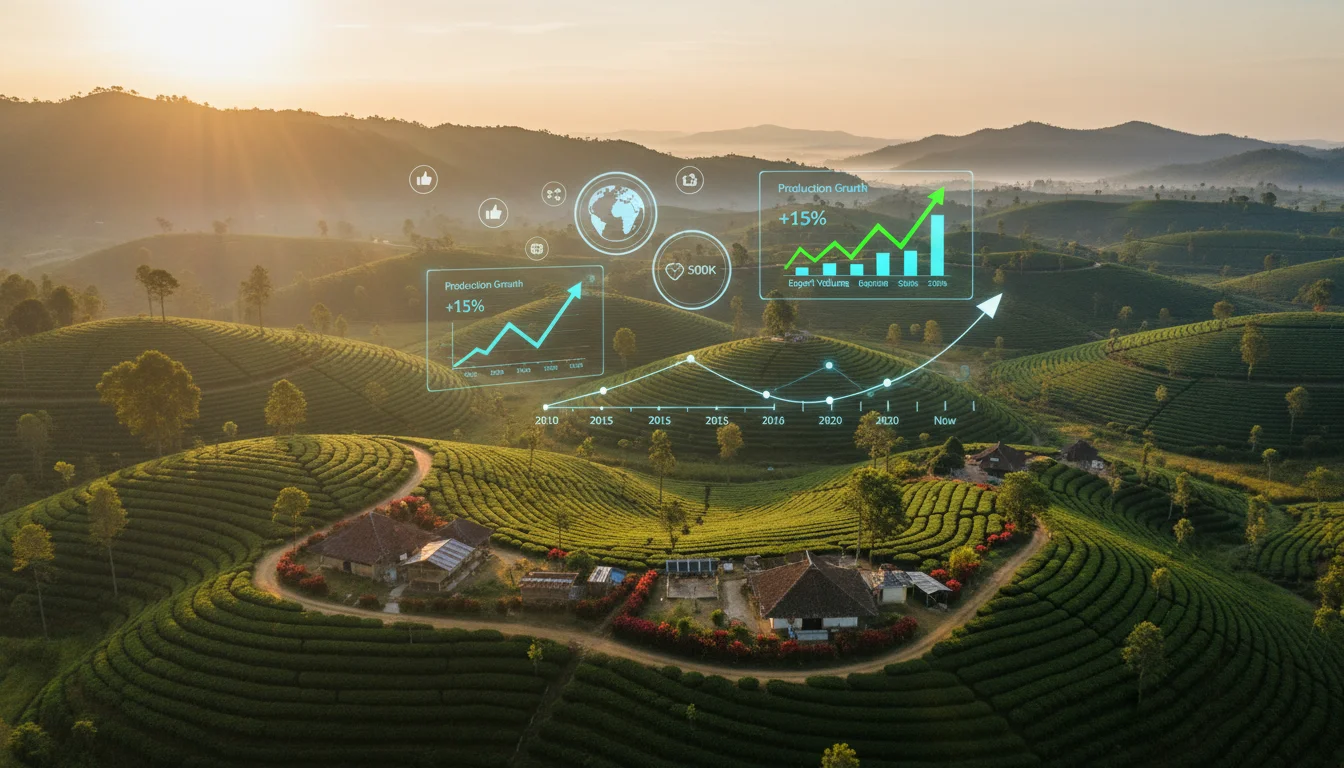
The Indian beverage sector, defined historically by its monumental tea cultivation and increasingly by its dynamic coffee production, stands at a critical juncture of transformation. The intricate tapestry of this agricultural and commercial domain weaves together centuries of tradition with the rapidly evolving demands of a modern, digitized consumer base. The cultivation of tea in India, initiated commercially in the 1820s within the fertile Brahmaputra Valley of Assam, has grown into a colossal enterprise, establishing India as the second-largest producer of tea globally. Simultaneously, the nation’s coffee industry, tracing its mythological origins to the 1600s when Baba Budan brought seven Mocha seeds to the hills of Karnataka, has surged in prominence, positioning India as the world’s seventh-largest coffee producer. This dual dominance highlights an industry that is foundational to the Indian economy, providing direct and indirect employment to millions while serving as a crucial vector for foreign exchange earnings through massive export volumes.
Current Market Size, Growth, and Trends
The macroeconomic valuation of the Indian tea and coffee markets illustrates a sector experiencing robust, sustained expansion, albeit driven by divergent consumer psychologies and consumption modalities. The Indian tea market, deeply entrenched in the daily rituals of the populace, was valued at a staggering USD 11.72 billion in 2024. Projections indicate a consistent upward trajectory, with the market anticipated to scale to USD 15.12 billion by the year 2030, registering a compound annual growth rate (CAGR) of 4.34% during this forecast period. This expansion is fundamentally underpinned by a deeply rooted tea-drinking culture, wherein 62% of Indian consumers regularly consume hot tea, making it the undisputed dominant beverage nationwide. However, the internal dynamics of this market are shifting. While black tea continues to command the lion’s share of revenue—accounting for 68% of the market in 2025 due to its affordability and mass household penetration—the fastest-growing segments are herbal, green, and organic teas. Driven by a post-pandemic surge in health consciousness, consumers are increasingly migrating toward Ayurvedic formulations, wellness blends, and premium orthodox teas, prompting massive diversification in product portfolios across major estates and retail brands.

In juxtaposition, the Indian coffee market is undergoing what analysts accurately describe as a “coffee renaissance”. Valued at USD 1.88 billion in 2024 for its primary retail and estate segments, the broader out-of-home and retail coffee ecosystem is projected to expand at a CAGR of 4.3% to reach USD 2.64 billion by 2032, while broader industry estimates incorporating allied retail chains and premium segments project a total valuation scaling toward USD 17.31 billion by 2034 at a CAGR of 6.86%. Domestic coffee consumption has experienced a relentless climb, increasing from 84,000 tonnes in 2012 to an estimated 95,000 tonnes in 2024. This growth is heavily concentrated in urban centers and is propelled by a burgeoning café culture, rising disposable incomes, and the premiumization of daily habits. The market is witnessing a decisive transition from the third to the fourth wave of coffee, where consumers prioritize artisanal, locally sourced, and specialty brews over mass-produced instant variants. Instant coffee still dominates volume sales with a 45.2% market share due to its convenience, but the aspirational appeal of ready-to-drink (RTD) formats and specialty single-origin beans is capturing the highly lucrative millennial and Gen Z demographics.
| Market Metric | Indian Tea Industry | Indian Coffee Industry |
|---|---|---|
| Current Valuation (2024/2025) | USD 11.72 Billion | USD 1.88 Billion - USD 9.53 Billion (depending on retail inclusion) |
| Projected Valuation (2030/2034) | USD 15.12 Billion (by 2030) | USD 2.64 Billion (by 2032) to USD 17.31 Billion (by 2034) |
| Compound Annual Growth Rate | 4.34% | 4.3% to 6.86% |
| Dominant Product Segment | Black Tea (68% Market Share) | Instant Coffee (45.2% Market Share) |
| Fastest Growing Segment | Herbal, Green, and Organic Teas | Ready-to-Drink (RTD) and Specialty Coffee |
| Primary Production Hotspots | Assam, West Bengal (Darjeeling), Tamil Nadu | Karnataka (71%), Kerala, Tamil Nadu |
Key Challenges Faced by Businesses in this Industry
Despite the optimistic revenue forecasts, the foundational elements of the tea and coffee industries—the estates and the farmers—are navigating a labyrinth of severe macroeconomic, ecological, and regulatory pressures. These bottlenecks threaten the fundamental profitability and sustainability of traditional cultivation models.
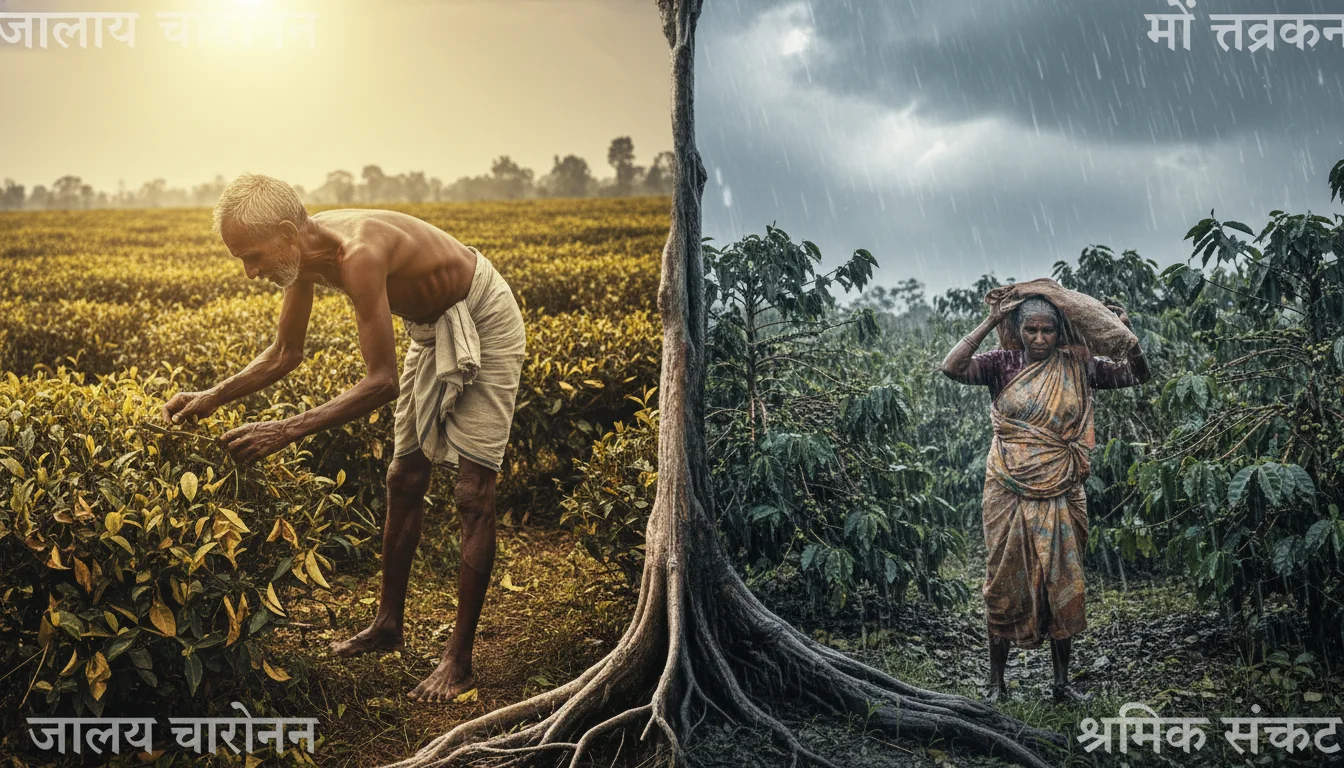
Foremost among these threats is the devastating impact of climate change on agricultural yields. The delicate agro-climatic conditions required for premium beverage cultivation are deteriorating rapidly. In Darjeeling, a region globally revered for its “Champagne of Teas,” a recorded temperature rise of 0.5 degrees Celsius and a simultaneous decline in annual rainfall have culminated in the lowest crop yields observed in over fifty years. Similarly, in Assam, erratic monsoons, prolonged dry spells, and intensified pest pressures have severely shriveled harvests, leading to widespread crop losses. Coffee producers face identical ecological hostilities; excessive monsoon rainfall has triggered unprecedented berry drops and an alarming increase in fungal diseases, stalling production outputs and compromising bean quality. These climate anomalies not only reduce total output but also inflate the costs of plant protection and agrochemical interventions, squeezing margins at the source.
Compounding the ecological crisis is a severe escalation in labor costs and widespread workforce shortages. Both tea and coffee cultivation are notoriously labor-intensive, requiring meticulous hand-plucking to ensure premium quality. In the coffee sector, labor costs constitute an overwhelming 60-70% of total plantation expenditure, a stark contrast to highly mechanized competitor nations like Brazil, where labor accounts for a mere fraction of costs. In the tea industry, estates are reporting crippling absenteeism rates ranging from 25% to 50% during peak harvest seasons. Furthermore, a highly critical report by the Comptroller and Auditor General (CAG) highlighted inadequate wages and poor living conditions among Assam tea garden workers, sparking social unrest, political intervention, and an inevitable upward pressure on statutory minimum wages that many estates struggle to absorb.
Margin compression is further exacerbated by volatile pricing dynamics and international trade pressures. While global Arabica coffee prices recently surged to historic highs of USD 4.41 per pound due to supply disruptions in Brazil and Vietnam, this volatility has forced European buyers to abandon long-term commitments in favor of short-term, opportunistic contracts, leaving Indian exporters in a state of continuous financial uncertainty. In the tea sector, a persistent oversupply of mainstream CTC black tea, combined with a significant influx of cheaper, often mislabeled imports from Nepal and Kenya, has severely depressed auction prices. Consequently, numerous legacy tea estates are currently being forced to sell their produce below the actual cost of production, driving the industry toward an unsustainable debt crisis. Additionally, exporters face impending regulatory disruptions, particularly stringent new pesticide legislation in the European Union and the United Kingdom, which threatens to paralyze traditional export pipelines unless estates rapidly pivot to highly monitored, organic agronomic practices.
Digital Landscape in India (Contextual to the Industry)
As agricultural realities become increasingly hostile and traditional wholesale margins evaporate, the digital ecosystem has emerged as the most critical frontier for the survival and expansion of Indian tea and coffee businesses. The digital transformation of the Indian consumer market provides an unprecedented infrastructure for estates to bypass archaic auction systems, eliminate predatory middlemen, and interface directly with high-value consumers on a global scale.
Internet and Social Media Usage Relevant to the Sector
The scale of digital connectivity in India has reached historic milestones, fundamentally altering the architecture of consumer discovery and commercial transaction. As of 2025, India hosts a staggering 806 million active internet users, achieving a penetration rate of 55.3% across its massive population. This environment is overwhelmingly mobile-centric, with 96% of the population accessing the internet primarily via mobile devices. Consequently, mobile platforms command a dominant 78% share of total digital media advertising expenditures, underscoring the absolute necessity for beverage brands to optimize their digital presence for smartphone interfaces.
Social media penetration has evolved in tandem with internet access, with 491 million active social media user identities recorded in the country, equating to nearly a third of the total population. The digital advertising market itself reflects this paradigm shift, having expanded by 20% year-over-year to reach ₹49,000 crore in the FY2024-25 period, thereby securing a dominant 44% share of the total Indian advertising market. The democratization of data, driven by initiatives like BharatNet and affordable 5G rollouts, has successfully bridged the urban-rural digital divide.
This has profound implications for mass-market tea brands and instant coffee producers, as rural and Tier-2/Tier-3 cities now represent rapidly expanding hubs of digital commercial activity and brand discovery.
Digital Landscape Metric
- Total Internet Users: 806 Million (55.3% Penetration)
- Social Media User Identities: 491 Million
- Digital Ad Market Size: ₹49,000 Crore
- Digital Share of Total Ad Market: 44%
- Mobile Share of Digital Ad Spend: 78%
- Primary Access Medium: Mobile Devices (96% of users)
Popular Platforms Among the Target Audience
The efficacy of digital marketing within the beverage sector relies on deploying platform-specific strategies that map accurately to consumer psychographics and commercial intent.
For premium, specialty coffee, and artisanal tea brands, visual and experiential discovery platforms such as Instagram and YouTube are the undisputed engines of brand growth. Social media has transformed the consumption of food and beverages into a visual spectacle; users do not merely seek a product, they seek an aesthetic experience. Short-form video content—such as Instagram Reels and YouTube Shorts demonstrating the meticulous pour-over coffee process, the serene landscapes of Darjeeling estates, or the vibrant preparation of matcha lattes—drives massive organic reach and emotional resonance. The algorithm’s preference for high-retention visual storytelling makes these platforms critical for acquiring the Gen Z and Millennial demographics.
Conversely, for customer retention, community building, and frictionless repurchasing, conversational commerce platforms like WhatsApp have become indispensable. Beverage brands are increasingly utilizing WhatsApp automation for subscription management, personalized promotions, and direct D2C sales, creating a highly intimate brand-consumer relationship.
For B2B marketing, which remains a massive revenue stream for bulk tea estates and green coffee exporters, LinkedIn and specialized digital trade directories are the primary arenas for lead generation. Global procurement managers, international café chains, and wholesale distributors utilize these platforms to vet suppliers based on sustainability credentials, fair-trade certifications, and technological sophistication. Furthermore, the rise of Quick Commerce (Q-commerce) platforms such as Zepto, Swiggy Instamart, and Blinkit, alongside massive aggregators like Amazon, has fundamentally collapsed the traditional marketing funnel. These retail media networks are no longer just distribution logistics; they are high-intent search engines where consumers actively seek immediate beverage gratification, necessitating aggressive algorithmic optimization and sponsored ad placements by beverage brands to win the “digital shelf”.
Consumer Online Behavior Related to Tea and Coffee
Analyzing online consumer behavior reveals a complex interplay of functional necessity, experiential indulgence, and ethical scrutiny. Modern consumers expect hyper-personalization; data indicates that 75% of consumers are significantly more likely to purchase from brands that deliver personalized digital content and curated product recommendations.
Within the coffee sector, online behavior is largely bisected into two distinct consumer psychologies: the “Functional Energy Seekers” and the “Experiential Indulgers”. The former group, primarily young urban professionals and students, searches online for high-caffeine, RTD formats, and convenient brewing solutions that serve as cognitive fuel. The latter group approaches coffee as a sensory ritual, extensively researching single-origin beans, roast profiles, and artisanal brewing equipment online before committing to a premium purchase. Furthermore, the coffee market benefits significantly from the “lipstick effect,” where consumers facing broad economic uncertainties actively choose to spend on affordable, premium digital luxuries—such as a high-end bag of Blue Tokai roasted beans—as a form of accessible indulgence.
The online behavior of tea consumers, while equally robust, leans heavily toward wellness, tradition, and prophylactic health benefits. Search intent is dominated by queries related to stress relief, immunity enhancement, and digestion, driving the massive online popularity of functional teas infused with Ashwagandha, Tulsi, and exotic spices. However, across both tea and coffee verticals, there is a powerful, unifying trend: the absolute demand for supply chain transparency and ethical sustainability. Digitally savvy consumers actively investigate a brand’s ecological footprint, analyzing online content for evidence of biodegradable packaging, fair labor practices, and carbon-neutral farming methodologies. Estates that fail to digitally document and broadcast their sustainability credentials risk severe consumer attrition in a market that increasingly votes with its digital wallet.
Digital Marketing Opportunities
The transition from conventional wholesale distribution to a digitally integrated marketing model represents the single greatest opportunity for Indian tea estates and coffee producers to secure long-term viability. Industry analysis reveals a monumental shift in capital allocation, with emerging and premium coffee brands now directing an unprecedented 60% to 75% of their total media expenditures toward digital channels, treating their products akin to lifestyle or beauty categories rather than mass-market commodities.
How Digital Marketing Can Solve Key Challenges
Strategic digital marketing directly neutralizes several of the existential threats plaguing the industry. By establishing a robust Direct-to-Consumer (D2C) e-commerce infrastructure, estates can effectively bypass the archaic, margin-crushing multi-tiered networks of brokers, auction houses, and traditional wholesalers. Selling premium, estate-origin teas or meticulously roasted specialty coffee directly to the end consumer restores the profit margins that are routinely decimated by rising agricultural input costs and labor inflation.
Furthermore, digital storytelling acts as a powerful buffer against the economic shocks of climate change. When adverse weather patterns reduce harvest yields—thereby increasing the inherent cost per kilogram—estates can utilize immersive digital content to reframe this agricultural scarcity as artisanal exclusivity. By visually documenting the challenging terrain, the selective hand-plucking process, and the unique, climate-stressed terroir that produces a highly concentrated flavor profile, producers can intellectually and emotionally justify premium pricing to the consumer, transforming a supply chain vulnerability into a marketing asset.
Digital integration also revolutionizes inventory and supply chain management. By deploying predictive data analytics, machine learning algorithms, and real-time social listening tools, brands can accurately forecast shifting consumer flavor preferences and seasonal demand spikes. This intelligence allows producers to align their manufacturing and blending runs with actual market appetite, drastically minimizing unsold inventory, reducing warehouse spoilage, and optimizing overall operational efficiency.
Best Strategies for Tea Estates and Coffee Producers
To maximize the commercial leverage of the digital landscape, producers must orchestrate a highly synchronized, multi-disciplinary marketing strategy.
Search Engine Optimization (SEO) and long-form content marketing serve as the bedrock of sustainable, organic digital growth. Rather than competing solely in bloody bidding wars for generic, high-volume transactional keywords, brands must construct “topical authority” through extensive educational content architecture. By authoring definitive, SEO-optimized guides that address high-volume informational queries—such as exhaustive comparisons between Arabica and Robusta beans, detailed tutorials on utilizing a French press, or comprehensive breakdowns of the health benefits of varied tea flushes—estates capture consumer attention at the very inception of the purchasing funnel. For B2B exporters, optimizing the technical structure of their corporate websites to rank for highly specific, localized commercial queries (e.g., “bulk organic Darjeeling loose leaf supplier India”) is absolutely critical for intercepting global procurement traffic.
Social media strategy must pivot decisively toward immersive, short-form video content. Platforms like Instagram and TikTok prioritize algorithmic distribution of Reels and Shorts, demanding highly engaging, visually captivating narratives. Producers must leverage “micro-storytelling,” showcasing the mesmerizing aesthetics of their product—from the mist rolling over the Nilgiri hills to the rich, slow drip of an artisanal cold brew. This visual continuity, anchored by a cohesive brand color palette, builds a powerful, recognizable digital identity that transcends the mere functional utility of the beverage.
The architecture of influencer marketing has also evolved; the era of exorbitant celebrity endorsements is yielding to the superior ROI of micro and mid-tier creator collaborations. These niche influencers—comprising home-brewing enthusiasts, holistic wellness advocates, and local culinary creators—possess highly engaged, deeply trusting communities. Allocating budgets to these creators not only drives authentic brand discovery but often results in significantly higher conversion rates, with creator partnerships now absorbing up to 40-50% of the digital budgets for agile D2C brands.
Finally, the deployment of Performance Advertising (PPC) and Retail Media is essential for capturing bottom-of-the-funnel intent. While Google Search ads intercept active queries, the true battleground is now within the digital marketplaces themselves.
Aggressive sponsored placements on Amazon, Zepto, and Blinkit ensure that when a consumer searches for “instant coffee” or “masala chai,” the brand’s product commands the premier “digital shelf” space, collapsing the distance between discovery and instantaneous transaction.
Local and Global Examples/Case Studies
The landscape is rich with empirical examples of brands utilizing digital ecosystems to achieve exponential growth and market dominance.
VAHDAM Teas (Global D2C Dominance)
VAHDAM systematically disrupted the 200-year-old colonial tea supply chain by engineering a digital-first, farm-to-cup global enterprise. By relentlessly cutting out intermediary brokers, VAHDAM retains higher margins that benefit both the corporation and the local farming communities. Their digital strategy relies heavily on sophisticated e-commerce integrations, utilizing tools like Amazon’s Multi-Channel Fulfillment (MCF) to achieve a staggering 400% year-over-year sales growth while reducing fulfillment costs. Marketing-wise, they excel in organic community building, leveraging the #VahdamTribe hashtag to aggregate authentic user-generated content, whilst utilizing highly polished, localized video creatives to drastically reduce their Cost Per Acquisition (CPA) across global markets.
Blue Tokai Coffee Roasters (Educational Brand Building)
Evolving from a modest bedroom roastery into India’s largest specialty coffee brand, Blue Tokai’s digital strategy is anchored in absolute transparency and consumer education. Their social media architecture bypasses corporate opacity, instead spotlighting specific farm workers, detailing meticulous roasting dates, and elaborating on the complex flavor notes of regional Indian coffee varieties. This approachable, educational tone successfully demystifies the often intimidating world of specialty coffee, fostering a deeply loyal, highly informed digital community that values craftsmanship and ethical sourcing.
Sleepy Owl Coffee (SEO and Category Creation)
Sleepy Owl successfully introduced the entirely new category of RTD cold brew to the Indian market through a masterclass in digital positioning. Rather than fighting legacy brands head-on, they dominated the digital search landscape by executing a flawless SEO strategy. By ranking for over 4,100 specific keyword phrases—such as highly trafficked educational queries like “cappuccino vs latte”—they built an authoritative digital funnel that seamlessly guides curious readers toward purchasing their proprietary brewing kits and RTD bottles. Their social media feeds are rigorously curated, featuring an earthy, consistent aesthetic heavily supplemented by authentic user-generated content, which serves as powerful social proof.
Makaibari and Glenburn Tea Estates (Experiential Tourism Marketing)
Recognizing the limitations of competing solely on commodity volume, historic estates like Makaibari and Glenburn have weaponized digital marketing to pioneer the highly lucrative “tea tourism” sector. By broadcasting high-definition, evocative visual content of their luxurious colonial homestays, rolling biodynamic plantations, and exclusive tea-tasting rituals, they attract affluent domestic and international tourists. This digital strategy not only generates substantial direct hospitality revenue but inherently elevates the global prestige and retail pricing power of their physical tea products.
Competitive Analysis
The digital arena for Indian tea and coffee is characterized by a fierce, asymmetric competition between deeply entrenched, capital-rich legacy conglomerates and highly agile, digitally native D2C disruptors. Understanding the precise digital posture of these entities is vital for identifying exploitable market gaps.
Current Digital Presence of Top Businesses in India
The landscape is starkly divided. The traditional mass market is virtually monopolized by legacy titans. In the tea sector, Hindustan Unilever (HUL)—managing iconic brands like Brooke Bond, Taj Mahal, and Lipton—and Tata Consumer Products—steering Tata Tea Premium and Tetley—command roughly 45% and 28% of the retail market share, respectively. Their digital presence is characterized by massive, broad-reach brand awareness campaigns, heavily utilizing YouTube and OTT platforms to disseminate high-production-value video content that emphasizes national integration, family values, or profound social causes (e.g., Tata Tea’s legendary “Jaago Re” civic awareness campaign). Similarly, legacy coffee brands like Nescafé and Bru execute omni-channel strategies, relying heavily on emotional storytelling regarding late-night studying or workplace camaraderie to maintain their grip on the instant coffee segment.
Conversely, the specialty and premium segments are dominated by digital-first D2C brands that treat e-commerce as their primary operational environment. Brands such as Sleepy Owl, Third Wave Coffee, and Blue Tokai in the coffee space, alongside Teabox, VAHDAM, and Chaayos in the tea vertical, operate with extreme digital sophistication. These brands possess highly optimized, headless e-commerce websites, heavily leverage Instagram for visual brand building, deploy aggressive retargeting pixels, and actively curate thriving online communities centered around product education and aesthetic lifestyle integration.
Competitor Profile
- Legacy FMCG Giants
-
- Key Market Players: Tata Consumer Products, HUL, Nescafé, Bru - Core Digital Strategy: Mass-market awareness, high-budget emotional storytelling, cause-marketing. - Digital Strengths: Unmatched reach, immense production value, strong brand equity. - Digital Weaknesses: Slower to adapt to niche trends, lack of personalized D2C engagement, opaque supply chains.
- D2C Coffee Innovators
-
- Key Market Players: Blue Tokai, Sleepy Owl, Third Wave Coffee - Core Digital Strategy: Educational content, transparency, aesthetic UGC, heavy SEO/PPC investment. - Digital Strengths: High digital agility, strong community loyalty, excellent e-commerce UX. - Digital Weaknesses: High customer acquisition costs (CAC), limited physical footprint outside major metros.
- Premium Tea Disruptors
-
- Key Market Players: VAHDAM, Teabox, Chaayos - Core Digital Strategy: Global targeting, subscription models, luxury positioning, omnichannel app integration. - Digital Strengths: World-class fulfillment tech, strong international SEO, influencer leverage. - Digital Weaknesses: Premium pricing restricts mass domestic adoption.
- Traditional Estates & Café Chains
-
- Key Market Players: Makaibari, CCD, Barista - Core Digital Strategy: Location-based marketing, hospitality promotion, brand legacy. - Digital Strengths: Strong local brand recall, physical experiential tie-ins. - Digital Weaknesses: Often lack sophisticated e-commerce infrastructure, inconsistent digital messaging.
What They Are Doing Well
The market leaders excel through several highly refined digital mechanisms. First, the integration of omnichannel synergy is profound. Brands like Chaayos utilize proprietary mobile applications not merely for transactional ordering, but as central hubs for sophisticated loyalty programs and personalized upselling, capturing invaluable first-party data to drive repeat purchases. Second, legacy brands excel at hyper-localization. Bru, for instance, successfully navigated India’s complex regional tastes by deploying highly specific digital advertising—targeting traditional filter-coffee sentiments in Southern India while simultaneously pushing accessible, milk-based sweet instant coffee recipes to tea-drinkers in Northern markets. Finally, D2C brands have mastered the art of leveraging packaging as a digital asset. By designing bold, minimalist, and highly photogenic physical products, brands like Sleepy Owl inherently incentivize their consumers to share unboxing experiences and brewing rituals on social media, thereby generating a relentless stream of high-converting, organic user-generated content.
Gaps and Opportunities to Outperform Them
Despite the formidable presence of these competitors, rigorous analysis reveals substantial strategic whitespaces that new entrants, transitioning estates, and mid-tier producers can aggressively exploit.
- The Mid-Price Quality Whitespace: A glaring polarization exists within the market; consumers are often forced to choose between highly affordable, mass-market instant sachets (under ₹100) or ultra-premium, artisanal specialty brews (over ₹250). A massive, underserved demographic craves the aesthetic and qualitative experience of specialty beverages but requires the accessibility of a mid-tier price point (₹100–₹200). Brands that can optimize their digital supply chain to deliver high-quality, estate-sourced products within this pricing bracket can rapidly capture immense market share.
- The Transparency and Traceability Deficit: While legacy giants focus their immense digital budgets on broad emotional messaging and functional utility, they systematically fail to provide deep supply-chain transparency. The modern consumer is highly skeptical of corporate opacity. Estates that can digitally trace their product—offering interactive websites detailing exact harvest dates, specific altitude profiles, verified fair-wage labor practices, and carbon-neutral farming techniques—can fundamentally outmaneuver legacy brands by capturing the rapidly expanding, fiercely loyal demographic of eco-conscious consumers.
- B2B Digital Modernization: The B2B sector remains astonishingly archaic. Countless large-scale Indian estates still rely on fragmented broker networks, physical trade shows, and manual auction houses. Developing a highly polished, technologically advanced B2B digital portal—featuring high-resolution multimedia tours of the estate, downloadable agronomic data, transparent cupping scores, and secure, automated international wholesale ordering systems—represents a virtually uncontested digital frontier that can exponentially accelerate global export volumes.
Recommended Strategy for Tea Estates and Coffee Producers in India
To successfully disrupt the market and secure a sustainable, high-margin future, tea estates and coffee producers must abandon fragmented marketing tactics in favor of a cohesive, data-driven digital ecosystem. This requires a profound understanding of target demographics, the precise deployment of high-ROI digital channels, and the creation of resonant, culturally relevant content.
Target Audience Personas (Age, Location, Preferences)
Digital campaigns must be surgically tailored to specific consumer psychographics to maximize conversion and minimize wasted ad spend. The strategy revolves around three distinct personas:
| Persona | Demographics | Psychographics & Preferences | Digital Behavior & Triggers |
|---|---|---|---|
| The Functional Urbanite | Age: 18-28. Location: Tier 1 & 2 Metro Cities. | Seeks high-caffeine, convenient fuel for intense work/study schedules. Prefers RTD cold brews, iced teas, and instant specialty blends. | Discovers brands via Instagram Reels and TikTok. Highly responsive to aesthetic packaging, influencer lifestyle endorsements, and instant Q-commerce delivery (Blinkit/Zepto). |
| The Mindful Connoisseur | Age: 28-45. Location: Metros & Affluent Suburbs. | Views beverage consumption as an experiential ritual, a luxury escape, or a health intervention. Values organic certifications, single-origin narratives, and artisanal brewing tools. | Conducts extensive pre-purchase research via Google Search and YouTube. Values long-form educational content, transparent supply-chain data, and subscribes to premium D2C delivery models. |
| The Global B2B Importer | Age: 35-60. Location: USA, EU, UAE, Russia. | Professional buyers, café chain owners, and wholesale distributors. Prioritizes supply reliability, bulk pricing, fair-trade compliance, and exact agronomic specifications. | Discovers suppliers via targeted LinkedIn outreach, optimized B2B trade directories, and highly technical corporate websites featuring detailed origin reports and seamless international communication. |
Recommended Channels and Campaign Types
A comprehensive digital marketing strategy requires a full-funnel approach, engaging the consumer from initial unawareness through to loyal advocacy.
- Top of Funnel (Awareness & Discovery): Deploy heavy visual campaigns across Meta (Instagram and Facebook) and YouTube Shorts. For coffee producers, utilize high-tempo, sensory-rich videos demonstrating the perfect crema or the aesthetic of cold brew. For tea estates, utilize breathtaking drone footage of the rolling, mist-covered plantations, emphasizing heritage and tranquility. These campaigns build initial emotional resonance and brand recall.
- Middle of Funnel (Consideration & Education): Execute a rigorous Search Engine Optimization (SEO) and Content Marketing architecture. When the mindful connoisseur searches for “benefits of organic orthodox tea” or “how to brew Indian Arabica,” the brand’s highly detailed blog posts and YouTube tutorials must rank on the first page, establishing unshakeable topical authority and trust.
- Bottom of Funnel (Conversion & Retention): Utilize aggressive Google Performance Max and Paid Search (PPC) campaigns to intercept high-intent transactional queries. Concurrently, deploy highly granular retargeting pixels across social media to remind users of abandoned carts. For retention, implement sophisticated WhatsApp automation and personalized email sequences, offering exclusive subscription discounts and early access to limited seasonal flushes, thereby maximizing Customer Lifetime Value (LTV).
Content Ideas Specific to Tea Estates and Coffee Producers
Content is the vehicle through which premium value is communicated. Producers must move beyond mere product imagery to deep, immersive storytelling.
- The Authentic Origin Story: Produce serial, documentary-style micro-content focusing on the human element. Interview the master blenders, the generational estate workers, and the farmers. Show the meticulous, labor-intensive process of hand-plucking two leaves and a bud, or the precise science behind the fermentation of coffee cherries. This transparency justifies premium pricing and fosters deep emotional loyalty.
- Agronomic and Sustainability Transparency: Publish visually engaging, easily digestible reports detailing the estate’s commitment to the environment. Highlight investments in solar infrastructure, the cessation of harmful agrochemicals, water conservation techniques, and the provision of fair wages and healthcare for workers. In an era of rampant greenwashing, verified, transparent data is a massive competitive advantage.
- The “Ritual” Education: Create high-quality, aesthetic tutorials that elevate the daily routine into a specialized ritual. Develop content series like “The Ultimate Guide to South Indian Filter Coffee at Home” or “Mastering the Darjeeling First Flush Steep.” This positions the brand not just as a vendor, but as an indispensable lifestyle educator.
Budget-Friendly Digital Marketing Approaches
For smaller estates, cooperative groups, or emerging brands operating with highly constrained marketing budgets, immense digital leverage can still be achieved through strategic resource allocation.
- The Power of User-Generated Content (UGC): Actively incentivize the existing customer base to become micro-ambassadors. Create a compelling, branded hashtag and encourage consumers to post their daily brewing rituals on Instagram. Repurposing this authentic UGC serves as incredibly powerful, zero-cost social proof that frequently outperforms expensive, highly polished corporate advertisements.
- Strategic Micro-Influencer Bartering: Bypassing the prohibitive costs of celebrity endorsements, brands should identify and collaborate with micro-influencers (creators with 10,000 to 50,000 highly engaged followers) who specialize specifically in culinary arts, wellness, or sustainable living. Offering these creators complimentary, premium, and aesthetically packaged products in exchange for honest reviews and dedicated reels generates highly targeted, high-conversion traffic at a fraction of traditional advertising costs.
- Hyper-Local SEO and Google Business Optimization: For estates that offer physical tea tourism, luxury homestays, or operate local café outlets, meticulously optimizing a Google Business Profile is a completely free strategy that guarantees dominant visibility in localized, high-intent “near me” searches, driving immediate physical footfall and direct bookings.
Keywords & SEO Opportunities
A dominant Search Engine Optimization strategy is fundamentally reliant on a bifurcated approach: aggressively competing for high-volume, commercial-intent keywords to drive mass traffic, while simultaneously dominating highly specific, long-tail queries to capture hyper-motivated, high-conversion niche audiences.
High-Intent Keywords for Ranking
High-intent keywords (often categorized as commercial or transactional) signal that the user is actively navigating the bottom of the sales funnel and is prepared to make a purchase or engage a supplier. While the SEO difficulty and Pay-Per-Click (PPC) bidding costs for these terms are substantially higher, securing a presence here is vital for direct revenue generation.
| High-Intent Keyword | Estimated Search Volume | SEO Difficulty / Competition | Primary Target Sector |
|---|---|---|---|
| coffee beans | 483,300 - 550,000 | High (Highly Competitive) | Coffee Retail/D2C |
| french press | 450,000 | High (Highly Competitive) | Coffee Equipment/Lifestyle |
| cold brew coffee | 118,400 - 289,900 | Very High (Commercial) | Coffee RTD/D2C |
| buy organic assam tea | Variable (Niche High Intent) | Medium to High | Tea Retail/D2C |
| specialty coffee roasters | 450,000 | High | Coffee Retail/B2B |
| green coffee | 97,000 | High (Wellness Intent) | Coffee/Wellness D2C |
Long-Tail Keyword Opportunities (India-Specific)
Long-tail keywords are the strategic cornerstone for estates and emerging brands. Comprising three or more words, these queries represent highly specific consumer needs. Because they are conversational, they face vastly lower competition from legacy conglomerates, are significantly cheaper to target in paid campaigns, and attract a demographic that is deeply educated and highly motivated to convert. Furthermore, optimizing for these localized, specific queries perfectly aligns with the rapid rise of natural language processing in AI-driven search engines and voice assistants.
For Indian Coffee Producers & Brands:
- best single origin arabica coffee beans in India
- how to make authentic south indian filter coffee at home
- where to buy freshly roasted coffee from chikmagalur
- health benefits of robusta vs arabica cold brew
- shade grown organic coffee estates in coorg
- wholesale green coffee bean suppliers in karnataka
For Indian Tea Estates & Brands:
- best organic first flush darjeeling loose leaf tea online
- direct from estate assam ctc tea bulk exporters
- health benefits of turmeric and ashwagandha herbal green tea
- luxury tea estate tourism and homestay packages in west bengal
- difference between oolong and orthodox black tea processing
By weaving these long-tail phrases into comprehensive blog posts, detailed product descriptions, and technical B2B portal pages, brands build an impenetrable web of topical authority that search engines highly reward.
Implementation Roadmap
The theoretical architecture of a digital marketing strategy must be translated into a rigorous, actionable, and phased implementation matrix.
Short-Term Quick Wins (1–3 Months)
Objective: Establish Foundational Digital Infrastructure, Conduct Technical Audits, and Capture Low-Hanging Fruit.
The initial phase is strictly focused on auditing and optimizing existing digital assets to ensure a frictionless user experience. During Month 1, producers must execute a comprehensive technical SEO and UI/UX audit of their primary website or e-commerce platform. This involves optimizing mobile responsiveness, drastically reducing page load speeds, and ensuring intuitive navigation architecture. Concurrently, it is imperative to implement robust data tracking protocols, specifically the integration of Google Analytics 4 (GA4) and Meta/TikTok tracking pixels, ensuring that every subsequent marketing dollar spent is accurately measured and attributed. For physical estates and cafés, immediate optimization of Google My Business profiles must be completed to capture localized commercial intent.
Entering Month 2, the focus shifts to establishing a cohesive digital aesthetic and content cadence. Brands must define a rigid visual identity (color palettes, typography) that reflects their unique terroir and brand ethos. A structured content calendar must be launched, targeting 3-4 high-quality short-form videos (Reels/Shorts) per week that highlight estate heritage, visually striking product preparation, and engaging educational snippets. This period is also critical for establishing the mechanisms to actively solicit, aggregate, and display User-Generated Content (UGC) across all digital touchpoints.
By Month 3, with the technical foundation secured and a baseline organic presence established, brands should initiate highly controlled Paid Advertising (PPC) tests. This involves deploying low-budget Google Search campaigns specifically targeting the high-converting long-tail keywords identified previously (e.g., “buy premium Darjeeling loose leaf”). Simultaneously, localized Meta (Facebook/Instagram) retargeting campaigns must be activated, specifically aimed at re-engaging users who have interacted with the brand’s content or abandoned their e-commerce carts, thereby capturing immediate, low-cost conversions.
Long-Term Strategy (6–12 Months)
Objective: Scale Operations, Automate Retention, Dominate the Digital Shelf, and Launch B2B Innovations.
The secondary phase represents the transition from foundation to aggressive scaling. During Months 4 to 6, brands must operationalize and scale their influencer marketing architecture. This entails rolling out a structured micro-influencer affiliate program, identifying 10-20 highly relevant culinary, lifestyle, or wellness creators, and providing them with custom discount codes to accurately track direct attribution and ROI. Parallel to this, sophisticated CRM and email marketing automation must be deployed. This involves building out comprehensive email and SMS workflows—including welcoming sequences detailing the estate’s history, educational drip campaigns on brewing techniques, and automated replenishment reminders—to deeply nurture leads and systematically increase Customer Lifetime Value (LTV).
As the D2C channel matures between Months 7 and 9, the strategic focus must expand to encompass advanced omnichannel integration and Quick Commerce (Q-commerce) dominance. Brands must forge partnerships with platforms like Zepto, Blinkit, Swiggy Instamart, and Amazon. Crucially, significant digital budgets must be reallocated toward “Retail Media” within these specific platforms, aggressively bidding on competitor keywords to guarantee premier placement on the digital shelf at the exact moment of consumer purchase intent.
Finally, Months 10 through 12 represent the pinnacle of digital sophistication. For consumer-facing operations, this involves leveraging AI and predictive analytics to mine accumulated consumer data, enabling hyper-personalized product recommendations, dynamic pricing, and the launch of highly customized, recurring subscription models that guarantee predictable monthly revenue. For B2B operations and bulk exporters, this phase culminates in the launch of a state-of-the-art, secure B2B digital portal. This platform must feature real-time inventory tracking, downloadable agronomic and sustainability compliance reports, and streamlined, automated international wholesale ordering systems, effectively rendering the brand an indispensable, technologically advanced partner to global procurement networks.
Conclusion
The Indian tea and coffee industries are navigating a profound and irreversible paradigm shift. The historical reliance on opaque auction systems, multi-tiered wholesale networks, and traditional mass-market advertising is proving dangerously inadequate against a confluence of modern existential threats. Escalating agricultural input costs, critical labor shortages, crippling climate volatility, and the influx of aggressive, low-cost international competitors are systematically eroding the profit margins of traditional estates and producers. In this volatile environment, digital marketing is no longer merely an ancillary promotional tactic; it has evolved into the central nervous system required for commercial survival and sustainable growth.
By fundamentally embracing a digital-first architecture—ranging from the establishment of high-margin Direct-to-Consumer (D2C) e-commerce pipelines and domination of Quick Commerce (Q-commerce) retail media, to the deployment of SEO-driven educational content and the execution of authentic, transparent social storytelling—estates and producers can decisively reclaim their autonomy. Digital integration empowers these businesses to bypass predatory middlemen, scientifically predict and cater to shifting consumer psychographics, communicate their vital sustainability and fair-trade credentials, and ultimately transform raw agricultural commodities into premium, highly sought-after global lifestyle brands.
Empowering Your Digital Transformation with Gurkha Technology
Architecting and executing a digital transformation of this magnitude requires not only deep technical proficiency but also an intimate, nuanced understanding of the regional FMCG and beverage landscapes. Gurkha Technology, an award-winning, premier digital marketing and IT solutions agency based in Kathmandu, Nepal, stands uniquely positioned to engineer this critical evolution for Indian tea and coffee enterprises.
Operating at the forefront of digital innovation since 2013, Gurkha Technology commands a vast portfolio of successful digital interventions across the APAC region, possessing specialized, localized expertise in the fast-moving consumer goods (FMCG), retail, and hospitality sectors. The agency delivers a comprehensive, data-driven suite of strategic solutions meticulously tailored to elevate and scale beverage brands:
- Advanced Search Engine Optimization (SEO): Achieve absolute dominance in organic search rankings for high-intent, lucrative beverage queries through rigorous technical SEO audits and the construction of authoritative, long-tail content architectures.
- Precision Performance Advertising (PPC): Maximize Return on Ad Spend (ROAS) through the deployment of highly calibrated, data-backed Google, Meta, and TikTok advertising campaigns, engineered specifically to capture highly qualified B2B leads and drive immediate D2C conversions.
- World-Class Web & E-Commerce Development: Design, develop, and deploy lightning-fast, high-converting digital platforms—utilizing advanced WordPress, Shopify, and custom technological stacks—to ensure a seamless, visually stunning farm-to-cup customer journey.
- Immersive Social Media & Brand Storytelling: Craft compelling, highly aesthetic digital narratives and short-form video content that authentically communicate the estate’s deep heritage, critical sustainability initiatives, and superior product quality to an engaged, global community.
By partnering strategically with Gurkha Technology, tea estates and coffee producers can harness elite digital intelligence, definitively outpace legacy competitors, secure significantly wider profit margins, and confidently conquer the modern digital economy.