Digital Marketing for Indian Maternity & Baby Clothing
Digital Marketing for Maternity and Baby Clothing Brands in India: A Comprehensive Research Report
1. Industry Overview
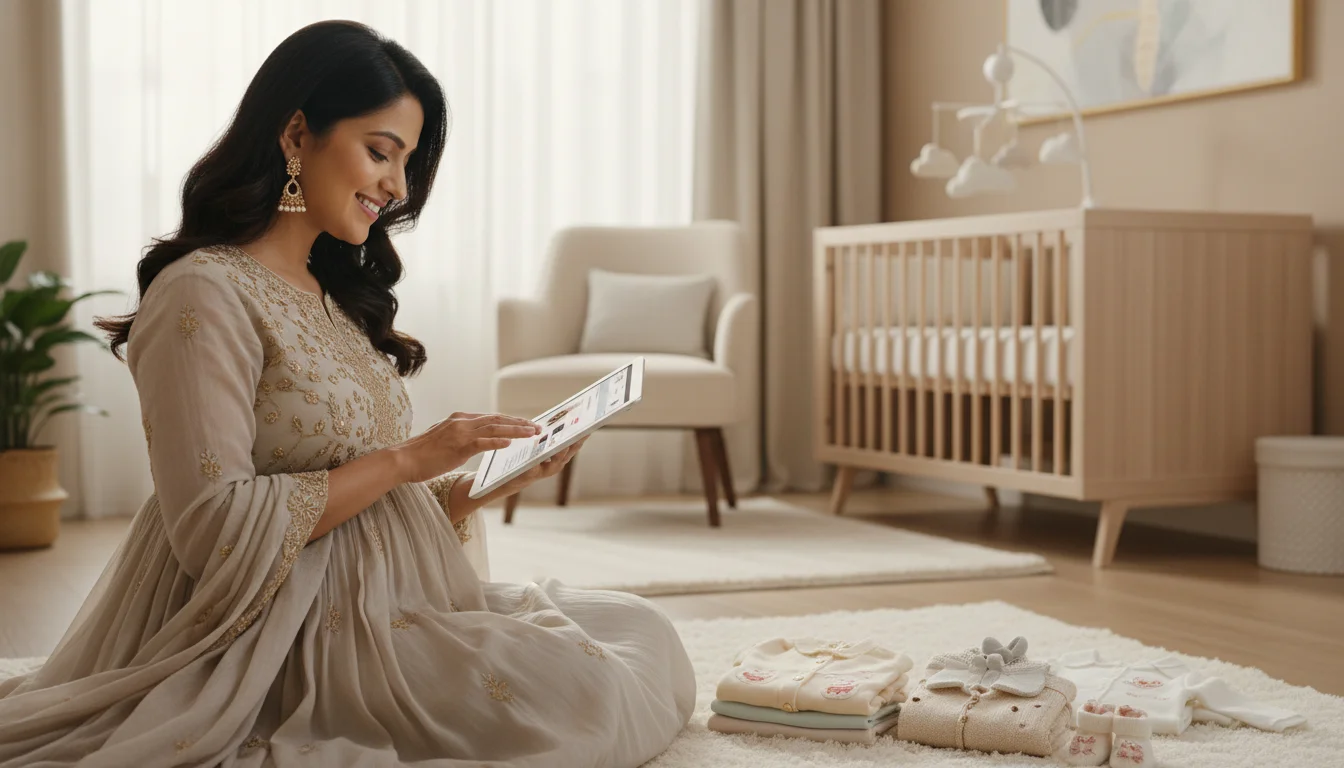
The maternity and baby clothing sector in India is undergoing a profound structural and psychological transformation. Historically, this market was characterized by a highly fragmented, unorganized retail landscape where purchasing decisions were driven primarily by basic utility, localized availability, and the deeply ingrained cultural practice of passing down garments through generations. However, the contemporary Indian market is experiencing a rapid paradigm shift. This evolution is defined by a move away from mass-market generic offerings toward a landscape of hyper-specialized integrity, where modern parents view apparel purchases not merely as acquisitions, but as critical investments in the health, safety, and psychological well-being of their children. This transition is being heavily catalyzed by the rapid penetration of digital commerce, rising disposable incomes, and shifting socio-cultural norms surrounding motherhood and pediatric care.
Current Market Size, Growth, and Trajectory
To understand the magnitude of the Indian sector, it is essential to contextualize it within the broader global framework. The global baby apparel market, which was valued at USD 44.5 billion in 2024, is projected to expand significantly to USD 71.4 billion by the year 2034, registering a steady compound annual growth rate (CAGR) of 4.9%. Concurrently, the global maternity clothing sector stood at USD 15.85 billion in 2024 and is expected to maintain a robust growth trajectory, reaching USD 21.79 billion by 2034.
India represents a critical, high-velocity growth engine within this global dynamic. The Indian baby apparel market size was estimated at USD 7.4 billion in 2024 and is forecasted to achieve a valuation of USD 11.0 billion by 2033, reflecting a consistent CAGR of 4.40%. Taking a more holistic view of the entire baby care products ecosystem—which deeply influences apparel purchasing behaviors—the Indian market was valued at USD 5.18 billion in 2025 and is projected to soar to USD 9.72 billion by 2031 at an aggressive CAGR of 11.78%. This exponential growth is fundamentally propelled by India’s consistently high annual birth rate of approximately 26 million, alongside rapid, fast-paced urbanization that is exposing a vast new demographic to modern retail and e-commerce platforms.
Simultaneously, the India maternity wear market generated revenues of USD 2,152.0 million in 2024, with projections scaling to USD 3,025.6 million by 2030 at a CAGR of 5.8%. Notably, within this segment, outerwear represents the largest revenue-generating product, while nightwear is emerging as the most lucrative and fastest-growing category.
| Market Segment | 2024/2025 Valuation | Projected Valuation (Year) | CAGR | Primary Market Drivers |
|---|---|---|---|---|
| Global Baby Apparel | USD 44.5 Billion | USD 71.4 Billion (2034) | 4.90% | E-commerce expansion, global urbanization, birth rates |
| India Baby Apparel | USD 7.4 Billion | USD 11.0 Billion (2033) | 4.40% | Rising disposable income, brand consciousness, tier-2 expansion |
| India Baby Care Ecosystem | USD 5.18 Billion | USD 9.72 Billion (2031) | 11.78% | Premiumization, hyper-specialization, digital penetration |
| Global Maternity Wear | USD 15.85 Billion | USD 21.79 Billion (2034) | 4.80% | Increased female workplace participation, focus on comfort |
| India Maternity Wear | USD 2.15 Billion | USD 3.02 Billion (2030) | 5.80% | Corporate dressing needs, shifting cultural attitudes toward pregnancy |
Emerging Trends Defining the Industry
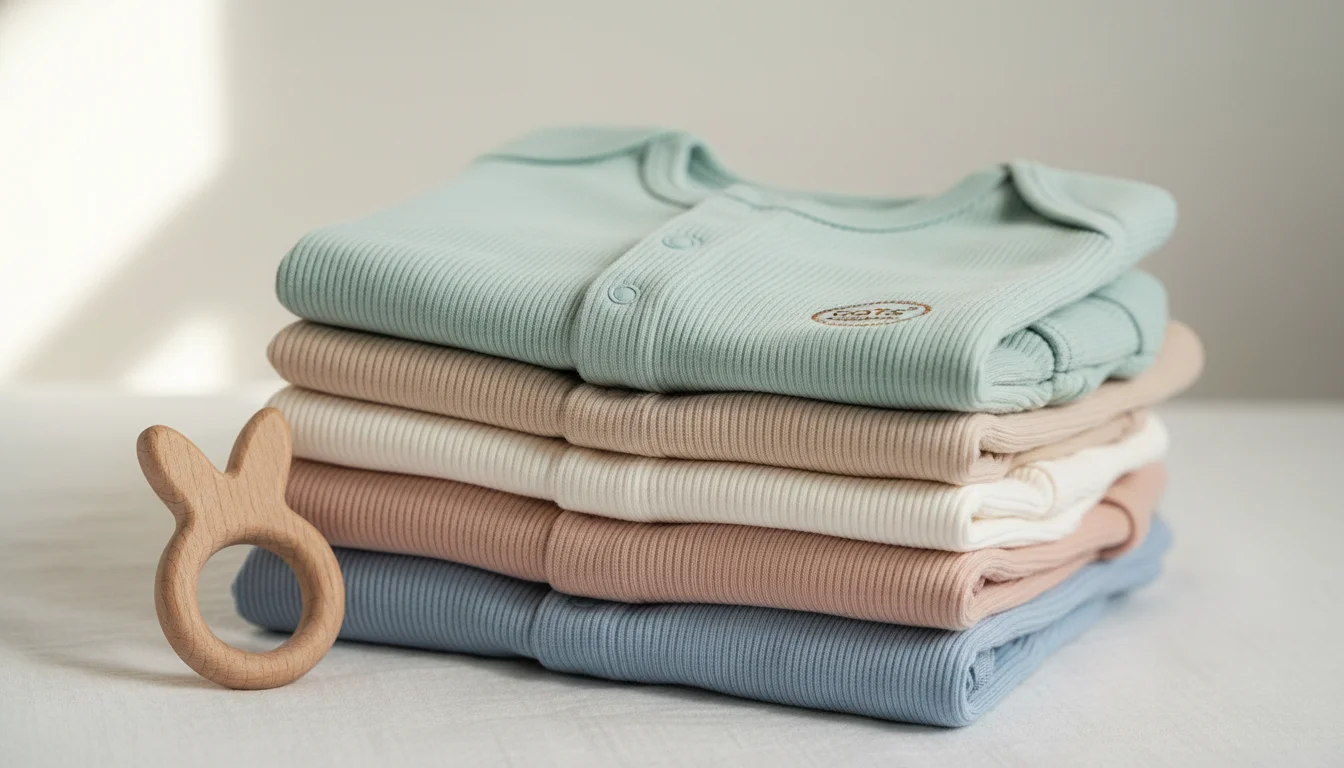
A central trend dominating the Indian baby apparel market is the uncompromising demand for premiumization and safety. Medical literature and pediatric dermatological advice are now widely accessible to digitally savvy Indian parents. This literature notes that children’s skin is approximately 30% thinner than adult skin, rendering it significantly more vulnerable to chemical irritation and toxic absorption from conventional clothing dyes. Consequently, there is an escalating demand for garments that possess legitimate certifications, such as the Global Organic Textile Standard (GOTS) and OEKO-TEX, guaranteeing the absence of pesticide residues and azo-free dyes. Furthermore, considering India’s diverse and often extreme climates—ranging from the intense humidity of Tamil Nadu to the milder terrains of Kerala—breathable fabrics like 180-200 GSM cotton, bamboo viscose, and hypoallergenic fibers are rapidly replacing synthetics that trap heat and exacerbate eczema. Another notable shift is the rising demand for unisex clothing, which represented nearly 20% of new baby fashion lines globally in 2024, appealing to modern parents seeking minimalist functionality.
In the maternity segment, the socio-economic reality of increasing female workforce participation—now surpassing 37% in Indian urban areas—has fundamentally altered apparel demands. Approximately 62% of expectant mothers now continue working actively into their third trimester, generating robust, sustained demand for office-appropriate, professional maternity wear that balances aesthetic appeal with immense physical flexibility. Furthermore, modern Indian mothers-to-be are actively rejecting the traditional, conservative practice of hiding baby bumps behind oversized clothing or dupattas. The sector is experiencing a cultural renaissance where maternity is viewed not as a restrictive phase requiring temporary, modest adaptations, but as a lifestyle requiring integrated, stylish apparel solutions that empower women and celebrate body positivity.
Key Challenges Faced by Businesses
Despite the highly lucrative projections, the industry remains fraught with structural and operational challenges. The global maternity wear market remains highly fragmented; top players account for only about 10% of the total market share, pointing to an environment saturated with intense localized competition and low market concentration.
In India specifically, businesses struggle consistently with bridging the gap between premium, sustainable offerings and the inherent price sensitivity of the broader consumer base. Quality organic garments, priced between ₹1,800 and ₹3,500, must compete against readily available budget options ranging from ₹300 to ₹800, necessitating intense educational marketing to justify the premium to the average consumer. Furthermore, the fashion and trend dynamics in children’s apparel change rapidly, requiring highly agile supply chains to prevent inventory obsolescence.
Societal pressures present an additional, uniquely Indian hurdle. Many women grapple with the psychological tension between maintaining traditional societal expectations of modesty and embracing modern, comfortable, form-fitting maternity solutions. Lastly, there is a systemic lack of comprehensive, reliable data regarding the granular online shopping behaviors of Indian consumers across vastly diverse regional landscapes, which severely hinders the development of effective, localized customer-centric marketing strategies.
2. Digital Landscape in India (Contextual to the Industry)
The digital transformation of the Indian retail sector has been historic and unprecedented. The catalyst of global health crises accelerated online clothing adoption by an estimated decade, shifting consumer buying intent drastically and permanently reducing the friction of online e-commerce. Post-pandemic analyses indicate that online sales in specific baby apparel categories tripled, alongside a profound doubling of average billing values per cart.
Internet & Social Media Usage Relevant to the Industry
India’s digital landscape is currently characterized by a massive influx of first-time internet shoppers, particularly from Tier-2, Tier-3, and Tier-4 cities. Over the past few years, approximately 12.5 crore consumers from these regional markets shopped online for the first time, and they have continued to rely heavily on these platforms. For these consumers, e-commerce is not merely an urban convenience but a critical lifeline, providing vital access to popular brands, specialized maternity wear, and safe baby products that are chronically unavailable in physical local retail markets.
Social media platforms serve as the absolute primary drivers of brand awareness and aspiration in this demographic. Approximately 62% of online users in India have initiated product trials directly based on content consumed on platforms like Facebook and Instagram. For digital disruptor fashion brands operating in India, the growth is driven almost entirely by Gen Z and Millennials, who have a remarkably high propensity to buy fashion online. Website and app data analysis shows that 70% to 80% of all traffic to these digital disruptors originates from these younger segments. The behavioral data further indicates a high propensity among mothers aged 25-40 to favor mobile-first applications, which account for up to 80% of sales for app-centric brands, highlighting the absolute necessity of mobile UX optimization.
Popular Platforms Among the Target Audience
- Instagram serves as the premier visual discovery engine, heavily utilized for aesthetic inspiration, influencer-led trend spotting, and community building.
- YouTube is the dominant platform for deep educational content.
Channels like “Mom Com India,” run by Mansi, provide critical guidance on postpartum massages, baby sleeping schedules, and developmental milestones, commanding millions of subscribers who trust these platforms over traditional medical literature for daily queries. LinkedIn is increasingly utilized by premium maternity brands to target the professional working mother who requires corporate maternity wear. Finally, WhatsApp operates not merely as a social platform, but as a fundamental digital infrastructure in India, utilized heavily for direct consumer-to-brand communication, cart recovery, and intimate community management.
Consumer Online Behavior Related to the Industry
The modern Indian parent relies heavily on the internet to resolve the information asymmetry inherent in the offline retail experience. Because physical stores often provide inadequate product information regarding fabric origins and safety testing, tech-savvy expectant mothers and new parents roll the internet to scrutinize ingredient lists, verify fabric certifications, and aggregate peer reviews before making a purchasing decision.
A critical insight for marketers is the profound behavioral divergence between metropolitan urban hubs and the “rest of India.” While urban consumers eagerly adopt UPI and prepaid digital transactions, consumers in Tier-2 and 3 cities—often characterized as “bargain and discount hunters” keen on deals—exhibit cautious curiosity. They overwhelmingly prefer Cash on Delivery (COD) to mitigate deep-seated fears of payment fraud and to ensure product quality matches the digital representations seen online. Furthermore, in these regional markets, major purchasing decisions are rarely solitary; homemakers play a highly active role in influencing the decision-making process, even if the male head of the household executes the final digital transaction.
Another major behavioral shift reshaping the landscape is the rapid adoption of “Quick Commerce” (Q-Commerce). Platforms like Zepto, Blinkit, and Swiggy Instamart, operating via dense networks of hyperlocal dark stores, have fundamentally conditioned urban Indian consumers to expect 10-to-30-minute delivery windows. The Q-Commerce market in India reached USD 5.22 billion in 2025 and is projected to grow to USD 11.15 billion by 2032 at a staggering CAGR of 13.48%. Consequently, emergency baby essentials—such as basic jablas, cotton tops, organic swaddles, and diaper rash creams—are rapidly transitioning from planned, high-friction e-commerce purchases to instant, low-friction Q-Commerce acquisitions.
3. Digital Marketing Opportunities
The digital ecosystem provides maternity and baby clothing brands with an unprecedented arsenal to combat market fragmentation, build deep emotional trust, and scale efficiently. The deployment of precision-targeted digital strategies can effectively resolve the traditional retail bottlenecks of high customer acquisition costs and low brand loyalty.
Solving Key Challenges via Digital Avenues
The primary challenge of price sensitivity versus premium value can be systematically mitigated through digital storytelling and educational content marketing. A 20% increase in customer retention has been observed for baby care brands that prioritize transparent ingredient lists and educate consumers on the specific dermatological benefits of GOTS-certified fabrics and pH-balanced formulations. By utilizing the “trusted advisor” approach—where brands actively educate newer online users rather than merely pitching products—businesses can bridge the psychological gap between price resistance and the justification of premium organic apparel.
Best Strategies for the Market
1. Emotional Content and Community-Led Marketing
A successful strategy in the maternity space pivots entirely on establishing emotional relevance and local nuance rather than relying purely on mass-market, feature-based advertising. Global conglomerates like Philips have recognized this structural shift in the Indian market, deliberately channeling up to 60% of their marketing budgets directly to digital creators to navigate India’s evolving parenting landscape. The integration of User-Generated Content (UGC)—such as unboxing videos, authentic reviews, and real-life product demonstrations by actual mothers—consistently outperforms highly polished branded creatives in both engagement rates and cost-per-acquisition (CPA) metrics. Brands executing successful community management initiatives have documented a 74% increase in brand loyalty and a 50% higher customer retention rate compared to brands that rely solely on transactional advertising.
2. Search Engine Optimization (SEO) and E-commerce Scaling
Organic search visibility remains a highly lucrative, non-negotiable asset. Deep technical SEO and e-commerce optimization tailored for high-intent queries secure long-term traffic with minimal recurring costs. A focused SEO campaign targeting parent-specific, non-branded keywords (e.g., “BPA-free baby essentials” or “organic cotton frocks”) has proven capable of expanding visibility beyond branded searches, boosting organic visitors by 27%, and increasing “Add to Cart” actions by 43% for leading mother and baby care brands.
3. Omnichannel and Phygital Strategies
The boundary between offline and online shopping is rapidly blurring. High-performing campaigns use geo-targeted performance marketing on Meta (Facebook/Instagram) and Google Ads not just for direct website conversions, but to actively drive footfall into localized physical retail outlets. This strategy has successfully generated over 300% Month-over-Month increases in physical store visits for leading Indian brands.
Local and Global Case Studies
The efficacy of these digital marketing approaches is best illustrated through several highly successful campaigns and operational pivots within the industry.
- Emotional Storytelling (Myntra Anouk & PregaNews): The Indian consumer responds exceptionally well to narratives that challenge traditional stigmas. Myntra’s ethnic wear brand Anouk ran a highly successful digital ad featuring Radhika Apte playing an expectant mother facing corporate discrimination due to her pregnancy bump. The campaign brilliantly sparked national debate on workplace equality while seamlessly showcasing their stylish maternity kurtas. Similarly, PregaNews launched the highly emotional “#Yoursecondhome” series, depicting the importance of workplace empathy and paid maternity leave for domestic workers, garnering millions of views and cementing profound emotional loyalty among Indian women.
- Honest Baby Clothing (E-commerce SEO Transformation): Struggling with static traffic hovering around 9,000 monthly visitors, the brand engaged in a rigorous 16-month e-commerce SEO campaign. By enhancing the visibility of product pages for highly competitive keywords, optimizing technical SEO for lightning-fast mobile-friendliness, and targeting high-intent organic traffic, the brand systematically increased qualified organic conversions and search engine authority.
- MiArcus (360-Degree Digital Integration): Facing stiff competition from heritage monoliths like Mothercare, the premium Indian brand MiArcus executed a multi-dimensional digital strategy. They launched the “Making Motherhood Joyful” digital community, leveraging extensive mom blogger networks and influencer marketing. Coupled with conversion-focused ad campaigns and a brand ambassadorship with Bollywood actress Kareena Kapoor, they achieved a sustained Return on Ad Spend (ROAS) of 4-5x, increased physical store footfall by 300%, and captured over 60% Search Impression Share for major competitive keywords within a 12-month timeframe.
- Hopscotch (Agile App-First Model): Moving away from the traditional e-commerce flash sales model, Hopscotch instituted a curated, high-frequency boutique strategy. By utilizing real-time digital data to localize global trends and dropping over 500 new styles daily, their mobile-first application strategy closed the discovery gap for style-seeking parents. This agile approach successfully drove 80% of their total sales through the app and captured a 35 million-strong user base.
4. Competitive Analysis
The competitive landscape in the Indian maternity and baby clothing sector is incredibly dynamic, characterized by a fierce battle between horizontal marketplace giants, agile Direct-to-Consumer (D2C) fashion challengers, and heritage retail brands transitioning their legacy trust into the online sphere.
Current Digital Presence of Top Businesses in India
FirstCry: As the undisputed marketplace giant, FirstCry dominates through an aggressive, deeply integrated omnichannel model. Operating since 2010, it leverages massive data analytics to hyper-personalize customer experiences while maintaining an expansive offline franchise footprint across India. A rigorous examination of FirstCry’s operational and financial blueprint reveals a massive enterprise that generated INR 6,575.1 crore in revenue during FY24. However, this scale is accompanied by substantial expenditures totaling INR 6,896.6 crore, culminating in a net loss of INR 321.5 crore for the fiscal year. This underscores a critical reality: achieving absolute market dominance often necessitates sustained periods of cash burn. Their strategic advantage lies in their proprietary private label, Babyhug, which specifically targets the price-to-value expectations of the Indian middle class, providing reliable affordability.
Hopscotch: A pioneer in the digital-first, mobile-centric approach, Hopscotch utilizes an “inverted pyramid” marketing tactic, leveraging strong visual hooks to drive application installations.
They excel at marrying premium design aesthetics with highly accessible pricing. Their interface prioritizes personalized push notifications and in-app merchandising tailored to mothers aged 25-40, resulting in rapid product rotation and exceptional repeat purchase momentum.
Mamaearth: Although initially rooted deeply in baby care products and skincare rather than apparel, Mamaearth’s D2C playbook serves as a masterclass for the entire industry. They built immense consumer trust without bloated celebrity ad budgets initially. Instead, they addressed parents’ profound anxieties regarding toxins directly through founder-led storytelling, active social media listening, and positioning themselves unequivocally around safety and transparency.
Heritage and Premium Brands (Mothercare, H&M, Gini & Jony, Ed-a-Mamma): Mothercare maintains massive global trust equity. Recognizing the shift toward sustainability, they recently executed a strategic partnership with Ed-a-Mamma (a brand backed by celebrity Alia Bhatt) to capture the eco-conscious maternity and kids segment, selling these collections through select physical outlets and their digital storefronts. H&M Kids leverages its massive global supply chain to offer trendy, standard-quality apparel, acting as the benchmark for global standards in India. Gini & Jony, operating since the 1980s, relies heavily on brand heritage and exclusive retail stores, supplemented by seasonal digital collections.
Emerging Niche Disruptors (Famyo, Mom & Zoey, SuperBottoms): Brands like Famyo are redefining the space by curating “mini identities” through highly aesthetic, imaginative apparel and room essentials, such as glow-in-the-dark blankets, capturing the attention of the modern, aesthetic-driven mother. SuperBottoms completely revolutionized the reusable cloth diaper segment through intensive, education-led digital marketing. Mom & Zoey focuses rigidly on chemical-free, GOTS-certified premium apparel, aiming at the highly discerning, affluent parent demographic.
Gaps and Opportunities to Outperform Them
A rigorous strategic analysis reveals several critical vulnerabilities and gaps in the execution of top incumbents:
- Linguistic and Regional Disconnect: The vast majority of major players run predominantly English-centric digital campaigns. This significantly alienates the rapidly growing Tier-2, 3, and 4 demographics who represent the next wave of hyper-growth. Brands that implement highly localized, vernacular digital campaigns and utilize culturally resonant imagery can capture this massive market share at significantly lower customer acquisition costs.
- Lack of Integrated Wellness Ecosystems: Most apparel brands isolate clothing from broader maternal wellness. There is a glaring strategic gap for brands that position themselves across the entire prenatal-to-postpartum journey, cross-selling comfortable maternity apparel with educational content, organic skincare, and mental health resources, transitioning from a vendor to a lifestyle ecosystem.
- Underutilization of Q-Commerce for Apparel: While FMCG baby products thrive on quick commerce, compact, high-value, ready-to-gift baby apparel (like premium organic swaddles or ethnic jabla sets) remains severely underrepresented on platforms like Zepto and Blinkit. Establishing dominance in the 10-minute delivery gifting segment offers an untapped revenue stream.
- Greenwashing Ambiguity: As larger, mass-market brands push vague “eco-friendly” or “natural” claims, smaller D2C brands can aggressively outperform them by highlighting stringent traceability, medical-grade dermatological testing, and legitimate certifications (GOTS, OEKO-TEX, azo-free dyes), positioning themselves as the only uncompromisingly safe option.
Recommended Strategy for Maternity and Baby Clothing Brands in India
To successfully navigate this fragmented yet highly lucrative market, new and scaling brands must abandon broad-spectrum, generic marketing in favor of highly targeted, data-backed operational frameworks. Research addressing SMEs in the Asian maternity sector advocates for the C.A.R.E. framework: Customer-Centricity, Awareness & Authenticity, Relationship Building, and Engagement & Experience. This model provides the theoretical foundation for the following actionable strategies designed to maximize ROI with limited budgets.
Target Audience Persona Profiling
Effective digital marketing requires the surgical isolation of specific consumer niches rather than broad demographic targeting. Brands must engineer their messaging to isolate specific tribes.
- Persona A: The Urban Professional Expectant Mother. Age 28-38. Residing in Tier-1 metropolitan centers (Mumbai, Delhi, Bengaluru). She is actively working into her third trimester and requires versatile dresses for multiple occasions. Pain points: Lack of stylish, office-appropriate maternity wear; extreme time scarcity. Preferences: Premium pricing is acceptable for high quality; values seamless return policies, all-season versatile fabrics, and discreet purchasing options.
- Persona B: The Value-Conscious Tier-2/3 Parent. Age 24-35. Residing in emerging cities, recently adopting digital platforms. Pain points: Deep fear of online fraud, high price sensitivity, reliance on traditional family advice. Preferences: Strictly prefers Cash on Delivery (COD), relies heavily on WhatsApp communication for trust validation, favors combo deals, and is highly influenced by Facebook community recommendations and micro-influencers.
- Persona C: The Eco-Anxious Millennial Mother. Age 26-34. Highly researched, consumes pediatric dermatological advice on Instagram, and is hyper-aware of environmental issues. Pain points: Baby eczema, heat rashes, toxic synthetic dyes. Preferences: Demands complete transparency, looks exclusively for GOTS certifications, prefers minimalist designs, and is driving the 20% surge in demand for gender-neutral apparel.
Recommended Channels, Campaign Types, and Revenue Models
To maximize lifetime value (LTV) and reduce acquisition costs, brands must deploy diverse digital revenue and engagement models.
- Freemium/Trial: Offering low-barrier entry to build trust before core conversion. Distributing free organic fabric swatches or small baby caps to expecting mothers to prove fabric softness, capturing email/WhatsApp data in return.
- Bundling & Upsell: Recommending add-ons to increase Average Order Value (AOV). Creating “Hospital Bag Essentials” kits or “Trimester-Specific” wardrobe bundles that solve the psychological burden of piecemeal shopping.
- Subscription Base: Customers subscribe for recurring deliveries, ensuring predictable revenue. Implementing a “Grow-with-Me” subscription box where parents receive the next size up of basic essentials (onesies, swaddles) every 3 months as the baby grows.
- Community/VIP: Exclusive access to loyalty programs to retain customers. Creating private WhatsApp or Facebook forums for verified buyers to discuss parenting, moderated by the brand, fostering deep advocacy and 74% higher loyalty.
Hyper-Segmented Performance Marketing (Meta & Google Ads): Leverage Meta’s algorithmic targeting for demand generation, utilizing a strict full-funnel approach. Top-of-funnel campaigns should focus purely on brand storytelling and educational video content (e.g., explaining why synthetic dyes cause rashes). Bottom-of-funnel campaigns should deploy dynamic product catalogs targeting abandoned carts. Google Search and Shopping Ads must rigorously capture high-intent queries to ensure top-of-page visibility when parents are actively ready to purchase.
Omnipresent WhatsApp Automation: In the Indian market, WhatsApp is a primary digital infrastructure. Implementing WhatsApp marketing APIs allows brands to automate cart recovery (effectively recovering 15-25% of abandoned carts), send immediate order confirmations, rigorously verify COD orders to reduce RTO (Return to Origin) losses, and request post-purchase feedback seamlessly. More importantly, it facilitates direct, personalized communication, which is absolutely vital for building trust with cautious Tier-2 consumers. For instance, providing a WhatsApp line where parents can ask sizing questions provides a “trusted advisor” dynamic.
Quick Commerce Integration: To capture the impulse and emergency buying segments, brands must optimize a subset of inventory for hyperlocal delivery. Creating compact, visually attractive, private-label “gift sets” or “emergency newborn kits” tailored for the 10-to-30-minute delivery windows of Blinkit, Zepto, and Swiggy Instamart will establish a formidable competitive edge against brands stuck in 3-to-5 day shipping cycles.
Content Ideas Specific to the Indian Market
Content marketing must transition from purely promotional material to highly functional, emotionally resonant narratives that integrate deeply with Indian culture.
Cultural & Ceremonial Integration
Indian parenthood is punctuated by specific, highly celebrated cultural milestones. Curating content and specific clothing lines around these ceremonies provides immense organic search traction.
- Godh Bharai / Valaikappu (Baby Shower): The traditional Indian baby shower requires specific attire. Content should highlight the suitability of breathable, loose-fitting Chanderi kurta sets in traditionally auspicious colors like yellow, green, or pink.

- Marketing should emphasize comfort during long rituals involving sitting on the floor, advising against heavy dupattas, and positioning the brand as culturally aware yet modernly comfortable.
- Annaprashan (First Rice Feeding): For the six-month milestone, content should feature structured yet cozy ethnic sets—such as lightweight silk Dhoti-Kurtas for boys (paired with a Bengali topor) or soft-lined frocks for girls.
Maternity Photoshoot Curations
Maternity photography is a massive, accelerating trend. Brands should collaborate with photographers and create comprehensive style guides for popular 2025 photoshoot themes. By showcasing how their apparel fits these aesthetics, they move from selling clothes to selling memories.
- Bohemian-Inspired: Flowy maxi dresses in earthy tones set in forests or beaches.
- Heritage Sites: Elegant Anarkalis or lehengas shot against architectural marvels like Amer Fort or Qutub Minar.
- Minimalist & Golden Hour: Neutral tones and simple silhouettes highlighting the natural glow during sunset, or innovative neon lighting setups for modern couples.
- Rustic Barn Themes: Denim and boho outfits in cozy farmhouse locations.
Educational Authority
Publish authoritative blogs addressing severe maternal pain points, such as “Choosing the Right Fabric GSM for Indian Summers,” “The Ultimate Newborn Checklist for First-Time Indian Moms,” or “Navigating Postpartum Comfort.” This educational positioning creates immense goodwill and organic SEO value.
Budget-Friendly Digital Marketing Approaches
For bootstrapped startups, massive ad spends are unnecessary if organic engines are highly optimized.
- Systematic UGC Collection: User-Generated Content (unboxing videos, reviews, before-and-after eczema photos) consistently outperforms branded creative. Build an automated system sending post-purchase emails asking for reviews in exchange for loyalty points. Pushing UGC into ad creatives drastically lowers CPA because customers essentially sell the product on your behalf.
- Micro and Family-Influencer Collaborations: Shift budgets entirely away from expensive celebrity endorsements toward a wide network of regional mom-bloggers, family channels, and parenting coaches. Influencers like the Aayu and Pihu Show, LittleGlove, Mansi from Mom Com India, or parenting coaches like Parikshit Jobanputra and Riddhi Deorah possess deep, objective trust within the Indian parent community. Utilizing micro-influencers (20k-100k followers) boasts much higher engagement rates and hyper-regional trust at a fraction of the cost.
- Google Business Profile Optimization: For brands with any physical retail footprint, dominating local SEO through continuous, detailed updates to Google Business Profiles (adding 3D rendering visuals, interior photos, and gathering local reviews) ensures visibility for high-converting “baby stores near me” queries without ad spend.
Keywords & SEO Opportunities
A robust SEO strategy requires a dual-pronged approach: securing high-intent, transactional keywords to drive immediate sales velocity, and capturing long-tail, informational keywords to build top-of-funnel authority over time. Furthermore, analyzing keyword structures utilized by resellers on platforms like Etsy or Poshmark reveals deep aesthetic and descriptive terminologies that consumers actually use.
High-Intent Keywords for Ranking
These keywords exhibit immediate purchasing intent and represent users situated at the very bottom of the sales funnel. E-commerce product pages, category architectures, and metadata must be rigorously optimized around these terms.
-
Corporate Maternity: “formal maternity dresses for baby shower”, “maternity office wear online India”, “spring capsule wardrobe for working moms” (Intent: Transactional Competition: Medium / High Value) -
Organic & Safe Apparel: “organic baby clothing India”, “buy GOTS certified baby clothes”, “chemical free newborn clothes”, “bpa-free baby essentials” (Intent: Transactional Competition: Low / High Value) -
Local / Navigational: “infant stores near me”, “best maternity wear shop in [City Name]”, “kids ethnic wear shop near me” (Intent: Navigational Competition: Low / Localized) -
Core Utility Apparel: “cotton jablas for newborn”, “unisex baby rompers online”, “maternity nursing tops”, “reusable cloth diapers India” (Intent: Transactional Competition: High / Medium Value)
Long-Tail Keyword Opportunities (India-Specific)
Long-tail keywords are absolutely critical for driving organic blog traffic and capturing niche cultural queries. While they possess lower search volumes, they demonstrate exceptionally high conversion rates due to their exact specificity. By anticipating seasonal changes and deep cultural events, brands can dominate the organic narrative through advanced semantic analysis.
- Cultural Milestones: “traditional godh bharai outfit for mother-to-be”, “annaprashan ceremony dress for baby boy”, “lightweight chanderi kurta for baby shower”, “punjabi godh bharai rasam dress ideas”, “kids kurta pajama sets for diwali”.
- Climate & Fabric Specific: “best cotton GSM for indian baby clothes in summer”, “breathable organic cotton clothes for humid weather”, “hypoallergenic fabrics for baby eczema India”, “azo-free dye clothes for sensitive skin”.
- Photoshoot Planning: “bohemian maternity photoshoot outfits India”, “golden hour pregnancy shoot dresses”, “heritage location maternity photoshoot styling”, “neon light maternity photography ideas”.
- Question-Based (Informational): “how many clothes do I need for a newborn baby in India?”, “is organic cotton worth the price for baby clothes?”, “what to pack in hospital bag for delivery in India?”, “how to distinguish genuine sustainable kidswear?”.
Implementation Roadmap
Executing this multifaceted strategy requires a highly disciplined, phased rollout, prioritizing immediate revenue-generating activities while simultaneously laying the architectural infrastructure for long-term brand equity and scale.
Phase 1: Short-Term Quick Wins (Months 1–3)
- Month 1: Digital Infrastructure, UX Audit, and Tracking. Conduct an exhaustive audit of the UI/UX of the existing web/app properties, ensuring mobile-page load speeds meet critical benchmarks (as 53% of mobile users abandon sites taking over 3 seconds to load). Implement foundational tracking architecture (Google Tag Manager, Meta Pixel, Conversion API) to ensure deterministic data collection. Set up, verify, and heavily optimize Google Business Profiles for all physical locations to capture immediate local intent.
- Month 2: Automation Pipelines and Bottom-of-Funnel Activation. Deploy comprehensive WhatsApp API integrations to automate abandoned cart workflows, trigger order confirmations, execute COD verification processes (to reduce fake orders), and request post-purchase feedback. Launch aggressive retargeting campaigns on Meta Ads focusing strictly on high-intent users who have visited the site in the last 30 days but abandoned their carts.
- Month 3: UGC Seeding and Micro-Influencer Onboarding. Initiate an automated post-purchase email/WhatsApp flow requesting reviews and unboxing videos in exchange for immediate loyalty discounts. Concurrently, identify and formally onboard 20-30 regional mom-bloggers and micro-influencers for product seeding and authentic review generation, prioritizing genuine engagement rates over sheer follower counts.
Phase 2: Long-Term Strategy (Months 6–12)
- Months 4-6: SEO Scaling and Content Authority. Begin publishing high-quality, long-form content targeting the identified long-tail, India-specific keywords. Focus heavily on fabric education, cultural event styling (Godh Bharai, Annaprashan), and maternity wellness. Optimize e-commerce product pages with advanced semantic analysis to aggressively capture organic market share away from larger, slower competitors.
- Months 7-9: Quick Commerce and Marketplace Expansion. Develop specialized, high-margin product bundles (e.g., “Organic Newborn Gifting Set” or “Hospital Emergency Kit”) designed specifically for the logistical constraints of Q-Commerce dark stores. Onboard these specialized SKUs onto platforms like Zepto, Swiggy Instamart, and Blinkit, utilizing specific ad-slots on these apps during high-traffic evening hours to capture the impulse buying demographic.
- Months 10-12: Community Cultivation and App Development Architecture. Transition the brand narrative from purely transactional relationships to community-led models. Establish proprietary digital forums or dedicated Facebook groups to foster intimate peer-to-peer engagement and psychological loyalty. For brands achieving high repeat purchase rates, begin the architectural planning of a proprietary mobile application to rely on zero-cost, personalized push-notification marketing.
Conclusion
The digital marketing landscape for maternity and baby clothing brands in India presents an extraordinary nexus of unprecedented opportunity and profound operational complexity. The extensive market data explicitly indicates that survival and scale in this rapidly expanding, multi-billion-dollar ecosystem no longer depend solely on manufacturing capabilities, mass-market discounting, or physical retail dominance. Instead, the market is increasingly and ruthlessly governed by digital trust, profound emotional resonance, hyper-local accessibility, and absolute transparency regarding product safety, dermatological testing, and environmental sustainability.
The modern Indian parent is a highly discerning researcher.
Adapting to Diverse Consumer Segments
As consumer behavior fractures across increasingly diverse platforms—from Tier-2 homemakers relying cautiously on WhatsApp validation and Cash on Delivery, to fast-paced urban professionals demanding 10-minute Quick Commerce emergency deliveries, and eco-anxious millennials heavily scrutinizing GOTS certifications on Instagram—brands must permanently abandon monolithic, one-size-fits-all marketing strategies. True market penetration requires immense agility. The deployment of data-driven demographic segmentation, the construction of robust, semantic SEO foundations, and the meticulous cultivation of community-led User-Generated Content are no longer optional tactics; they are the definitive, critical mechanisms for capturing, converting, and retaining the modern Indian parent. Brands that successfully navigate the cultural nuances of events like Godh Bharai while simultaneously solving the modern pain points of the working mother will inherently dominate this space.
Strategic Partnerships for Market Domination
Navigating this intricate, high-stakes web of hyper-segmented performance marketing, technical e-commerce SEO, mobile application optimization, and omnichannel integration requires specialized, proven expertise. Gurkha Technology, a leading digital marketing company in Nepal, possesses the deep technical acumen, creative execution capabilities, and strategic foresight required to architect and execute these highly sophisticated growth models. By partnering with Gurkha Technology, ambitious maternity and baby apparel brands can leverage cutting-edge data analytics, bespoke e-commerce development, and culturally nuanced digital campaigns to aggressively dominate the Indian market, ensuring sustainable operational scale and unshakeable brand loyalty in a hyper-competitive, digitally-first era.