Digital Marketing for Indian Healthcare: Hospitals & Labs
Industry Overview
Brief Description of the Hospitals and Diagnostic Labs Sector in India
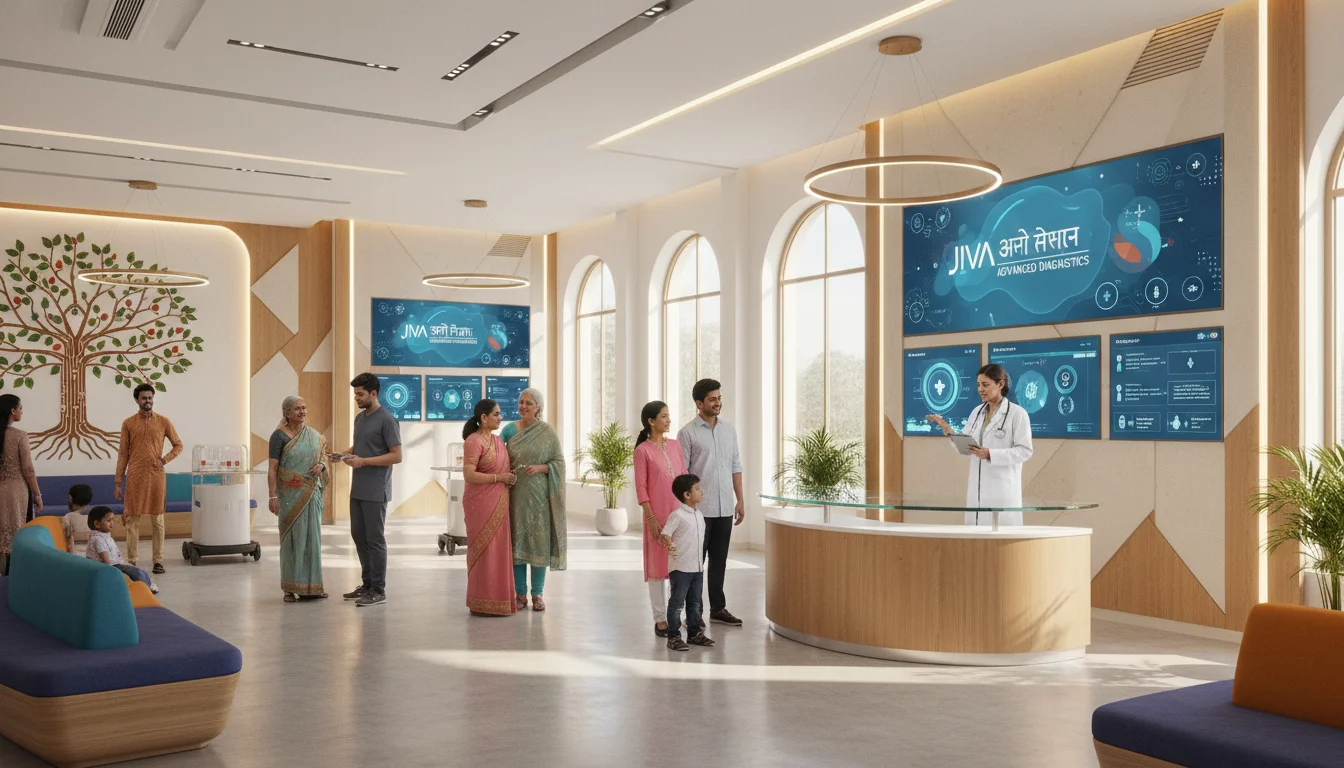
The Indian healthcare ecosystem is a vast, multifaceted network comprising hospitals, diagnostic centers, pharmacies, pharmaceutical manufacturers, and insurance providers. This sector stands at a critical juncture, characterized by rapid technological advancement, sweeping regulatory reforms, and an accelerating shift toward patient-centric digital innovations. The hospital segment serves as the fundamental backbone of healthcare delivery, providing the primary infrastructure for curative interventions, complex surgeries, and critical care management. Simultaneously, the diagnostic laboratory sector functions as the indispensable foundation for evidence-based medicine. With more than 70% of all medical decisions hinging on precise laboratory test results, diagnostic centers play a pivotal role in early disease detection, treatment formulation, and preventive health monitoring.
The industry operates within a uniquely complex epidemiological landscape defined by a “dual burden of disease.” The Indian population is simultaneously grappling with long-standing communicable diseases and a massive, rapid explosion in non-communicable, lifestyle-related conditions such as cardiovascular disease, diabetes, and oncology. This epidemiological shift is structurally altering the healthcare delivery paradigm. Driven by rising consumer affluence, expanding health insurance penetration, and transformative government initiatives like the Ayushman Bharat scheme—which serves as the world’s largest government-funded healthcare program—the sector is transitioning from a purely reactive, curative model to one that increasingly prioritizes preventive care, wellness, and early diagnostic intervention. However, the delivery landscape remains highly fragmented; while world-class corporate hospital chains operate in metropolitan hubs, approximately 85% of the diagnostic market remains fundamentally unorganized, presenting both immense challenges and unprecedented opportunities for consolidation.
Current Market Size, Growth, and Trends
The financial trajectory of the Indian hospital and diagnostic sectors indicates robust, sustained, and unprecedented expansion. This growth is heavily supported by escalating private equity investments, aggressive capacity expansion by organized players, and the integration of advanced technologies.

The hospital market in India was valued at US$ 98.98 billion in the year 2023 and is projected to expand at a robust Compound Annual Growth Rate (CAGR) of 8.0% from 2024 to 2032, reaching an estimated valuation of US$ 193.59 billion. Other comprehensive analytical models present an even more optimistic trajectory, forecasting a sustained CAGR of 11% to 12% driven by structural macroeconomic drivers. These drivers include an aging population—with the geriatric demographic expected to constitute an 11% share by 2025—rising chronic disease prevalence, and historically low hospital bed density that necessitates continuous infrastructural investment. The sector has witnessed surging confidence from private equity and strategic investors, with investments in Indian healthcare reaching Rs. 4,900 crore (US$ 572 million) across 33 distinct deals in just the second quarter of calendar year 2025 alone.
Concurrently, the medical tourism sub-segment continues to strengthen India’s position as a global healthcare hub. Valued at US$ 7.69 billion in 2024, the medical value travel industry is expected to reach US$ 14.31 billion by 2029. In 2024, over 700,000 international patients, predominantly from Africa, West Asia, and South Asia, visited India to receive high-quality, advanced medical care at a fraction of the cost of advanced economies, firmly establishing the nation as a premier destination for complex treatments.
The diagnostic laboratory market is experiencing equally impressive financial growth, fueled by the rising consumer demand for preventive healthcare packages, molecular diagnostics, and the integration of artificial intelligence into pathology and radiology workflows.
| Healthcare Sub-Sector | Baseline Valuation (Year) | Projected Valuation (Target Year) | Estimated CAGR | Key Growth Drivers |
|---|---|---|---|---|
| Overall Diagnostic Labs | USD 10.95 Billion | USD 28.53 Billion | 11.23% | Consolidation of unorganized players, insurance penetration, chronic disease burden. |
| Clinical Diagnostics | USD 2.49 Billion | USD 4.42 Billion | 10.0% | Software and services expansion, rapid instrument modernization. |
| Hospital Based Diagnostics | USD 18.41 Billion | USD 34.68 Billion | 10.90% | Integration of Next-Generation Sequencing (NGS), aging population demographics. |
| AI in Medical Diagnostics | USD 55.04 Million | USD 546.95 Million | 26.90% | Digital imaging advancements, remote pathology, predictive algorithmic models. |
Currently, the diagnostic landscape is dominated by pathology tests, which command a 65% market share, while standalone laboratories account for 42% of the provider landscape. Geographically, urban centers hold a dominant 70% share of the market, a direct reflection of the concentration of advanced diagnostic infrastructure, heightened healthcare awareness, greater insurance penetration, and elevated disposable income levels within metropolitan and tier-1 cities.
Several macroeconomic and technological trends are actively reshaping the sector. The integration of Artificial Intelligence (AI) within the Indian healthcare sector is predicted to create between 2.7 and 3.5 million new jobs by 2028, specifically for data scientists, developers, and cybersecurity specialists. The telemedicine market is also expanding rapidly, expected to reach Rs. 47,130 crore (US$ 5.4 billion) by 2025, supported by the increasing demand for remote healthcare delivery. Furthermore, government initiatives such as the Production Linked Incentive (PLI) scheme and liberalized Foreign Direct Investment (FDI) policies are aggressively fostering the local manufacturing of high-end diagnostic imaging equipment, thereby reducing reliance on costly imports and lowering overall operational costs for diagnostic centers.
Key Challenges Faced by Businesses in this Industry
Despite the profoundly optimistic growth trajectory, healthcare providers in India must navigate a labyrinth of complex systemic, operational, and infrastructural challenges that threaten to derail sustainable growth.
The foremost challenge is structural fragmentation and the intense pressure of market consolidation. With approximately 85% of the diagnostic market remaining unorganized, small standalone laboratories face existential threats from highly capitalized, organized corporate chains. These corporate entities are pursuing aggressive expansion strategies, combining organic growth with strategic acquisitions to consolidate market share, leveraging hub-and-spoke models to capture vast geographical territories. Survival for mid-sized and independent players necessitates rapid technological modernization, operational efficiency, and aggressive localized digital visibility.
Severe infrastructure and workforce shortages further compound operational difficulties. India faces a glaring disparity in healthcare infrastructure, possessing an estimated 1.4 hospital beds per 1,000 people, which falls significantly short of the World Health Organization’s recommendation of 2 to 3 beds per 1,000 individuals. Furthermore, approximately 60% of this limited bed capacity is concentrated in the private sector within metropolitan areas, leaving rural regions and smaller towns with critical shortfalls. The human capital deficit is equally alarming; despite producing a large number of medical graduates, the nation struggles with a doctor-to-patient ratio of roughly 1:1,500 and a mere 1.7 nurses for every 1,000 citizens. This profound shortage places immense, unsustainable pressure on administrative and clinical staff, leading to severe workflow bottlenecks, delayed patient responses, physician burnout, and a critical reduction in the time available for direct, empathetic patient care.
The strategic imperative to expand into ‘Bharat’—India’s Tier 2 and Tier 3 cities—presents another layer of complexity. While urban metropolitan markets are rapidly approaching saturation, the next monumental wave of healthcare growth lies in these semi-urban and rural regions. However, operators attempting to penetrate these markets face significant hurdles, including limited existing infrastructure, an acute shortage of trained professionals, deep price sensitivity among consumers, and the absolute necessity for localized, vernacular communication strategies that most corporate chains have yet to master.
Finally, the regulatory and financial environment poses continuous challenges. Healthcare marketing is uniquely constrained by stringent ethical guidelines, demanding that providers navigate the delicate balance between commercial promotion and strict regulations against misleading medical claims. Additionally, the introduction of the Digital Personal Data Protection (DPDP) Act has necessitated total overhauls in how patient data is collected, stored, and utilized for marketing, requiring heavy investments in cybersecurity and compliance frameworks. Financially, while insurance penetration is rising, out-of-pocket payments still constitute approximately 50% of private hospital revenue, highlighting a systemic vulnerability where patient affordability remains a critical friction point.
Digital Landscape in India (Contextual to the Industry)
Internet & Social Media Usage Relevant to Hospitals and Diagnostic Labs
The Indian digital ecosystem has undergone a massive, structural transformation, fundamentally altering the mechanisms through which patients seek, evaluate, and consume medical care. The ubiquity of affordable mobile data and the widespread, nationwide adoption of smartphones have created a digitally native patient population that demands immediate access to medical information.
In early 2024, India’s overall social media penetration stood at 32.2% of the total population, translating to an immense user base of approximately 462 million active individuals. While recent data indicated a slight stabilization and a minor 1.1% decline in the total user base compared to the previous year, the intensity and quality of digital engagement have deepened significantly. Finding precise, reliable information remains the primary motivation for utilizing the internet, and despite widespread media narratives to the contrary, younger demographics remain deeply reliant on search engines for complex research tasks. Social platforms like Facebook and Instagram have maintained formidable market dominance, each capturing a reach of around 25% of the total Indian population, underscoring their critical importance as primary touchpoints within the digital healthcare ecosystem.
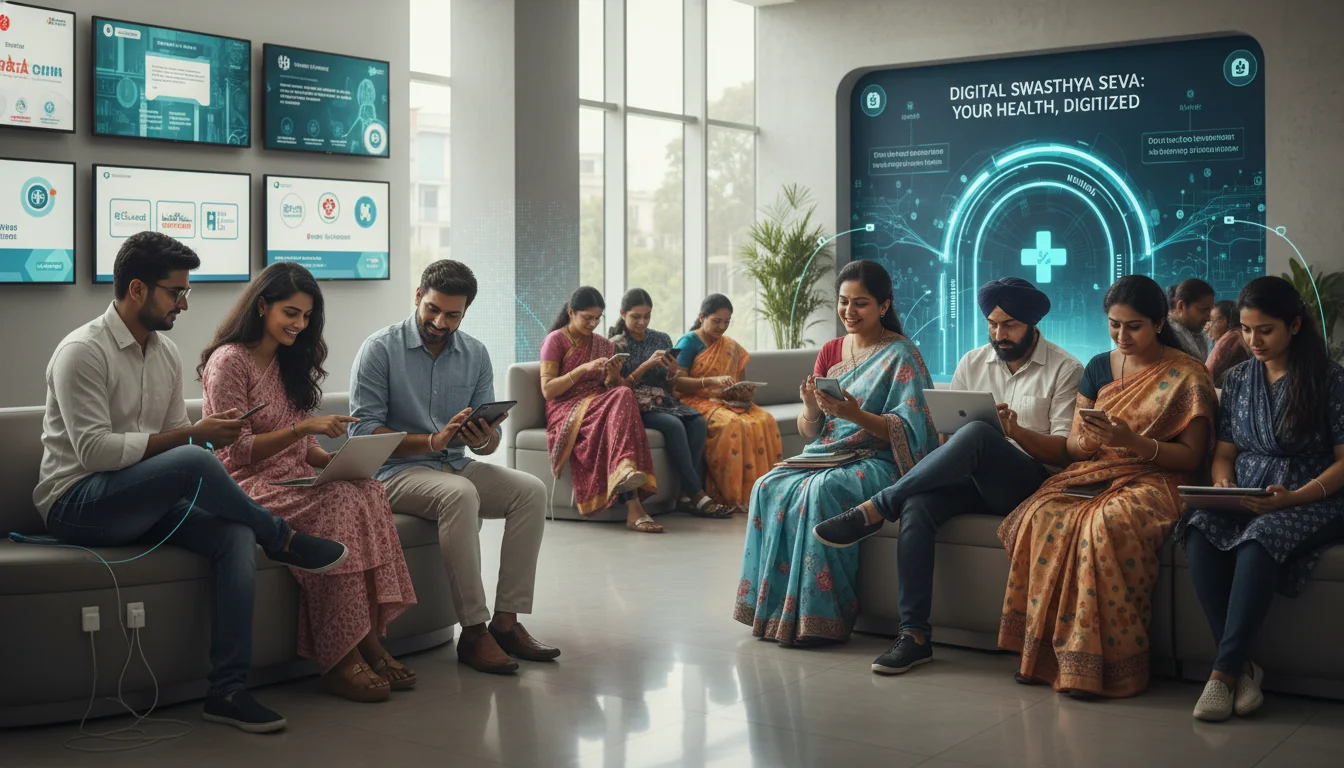
The integration of digital technology into the healthcare journey is profound and irreversible. More than 70% of patients in India now conduct extensive online research—querying search engines, scrutinizing patient reviews, and evaluating social media profiles—before committing to a medical consultation or booking a diagnostic test. The internet now functions as the “digital front door” to the hospital or clinic; the traditional reliance on passive word-of-mouth referrals has been aggressively superseded by algorithmic discovery and digital convenience. This shift is accompanied by a broader behavioral evolution where e-commerce and omnichannel shopping habits are bleeding into healthcare. Consumers increasingly expect the same level of digital convenience, transparency, and personalization when booking an MRI scan as they do when purchasing retail goods online.
Popular Platforms Among the Target Audience
The choice of digital platform heavily dictates the type, tone, and depth of patient engagement that hospitals and diagnostic laboratories can achieve. The landscape is not monolithic; different platforms serve distinct phases of the patient journey.
Google Search and the Google Business Profile (GBP) ecosystem remain the undeniable, authoritative primary touchpoints for high-intent medical queries. A staggering 46% of all Google searches carry local intent, and geo-specific queries such as “best cardiologist in Bangalore” or “diagnostic lab open now near me” dominate the initial discovery and consideration phases of the patient journey. The visibility of a healthcare provider in the local “Map Pack” is often the single largest determinant of organic footfall.
WhatsApp has transcended its origins as a simple peer-to-peer messaging application to become an essential, non-negotiable operational and marketing infrastructure for Indian healthcare. Leveraging the WhatsApp Business API, healthcare providers facilitate a wide array of automated services, including frictionless appointment bookings, the secure, encrypted delivery of laboratory results, and personalized post-operative follow-ups. WhatsApp perfectly aligns with the Indian consumer’s strong preference for immediate, conversational engagement, functioning as the primary connective tissue between the provider and the patient.
Meta Platforms, encompassing both Facebook and Instagram, serve as vital arenas for top-of-funnel brand awareness, community building, and patient education. The proliferation of short-form video content, specifically Instagram Reels, is increasingly utilized by medical professionals to dismantle health myths, share preventive care strategies, and showcase authentic patient success stories. This visual, engaging format is highly effective in humanizing the often-intimidating medical establishment and building parasocial trust with prospective patients.
YouTube acts as the world’s second-largest search engine and plays a pivotal role in complex, high-stakes medical decision-making. Patients facing major, life-altering procedures—such as joint replacements, in-vitro fertilization (IVF), or complex oncology treatments—rely heavily on long-form, educational videos hosted by senior physicians to build trust, understand treatment protocols, and alleviate pre-surgical anxiety.
Furthermore, emerging platforms such as Connected TV (CTV) and Retail Media Networks (including quick commerce platforms) are experiencing explosive growth in the Indian advertising market, presenting novel, highly targeted avenues for healthcare brands to reach affluent consumers directly in their living rooms.
Consumer Online Behavior Related to Hospitals and Diagnostic Labs
The modern Indian healthcare consumer exhibits highly specific, rapidly evolving digital behaviors that modern healthcare marketers must meticulously accommodate to remain competitive.
A monumental shift is occurring from traditional text-based searching to voice-based conversational queries, a trend heavily fueled by deepening rural internet penetration and the cultural comfort of speaking over typing. Voice search queries in India are growing at an extraordinary rate of over 35% year-on-year. Globally, approximately 45% of consumers utilize voice search on their smartphones, and roughly one in five mobile queries is now voice-based. In the healthcare context, these are typically high-intent, immediate-need questions: “Siri, what’s the closest pediatrician open right now?” or “Hey Google, find a women’s health clinic near me”. This shift dictates that patient acquisition strategies must extend beyond visual interfaces to optimize how a practice “sounds” when an AI assistant reads its data aloud.
This rise in voice search is inextricably linked to the dominance of vernacular content. Nearly 73% of Indian internet users now consume content in regional languages, creating a massive ₹4.5 lakh crore ($53 billion) market for localized digital engagement. Recognizing this, major technology providers are rapidly adapting; Google, for instance, is rolling out its advanced “AI Mode” search across seven new Indian languages (Bengali, Kannada, Malayalam, Marathi, Tamil, Telugu, and Urdu) to facilitate complex, conversational queries. For healthcare providers, communicating in the patient’s native dialect is no longer optional; it is the fundamental bridge to establishing clinical trust.
Furthermore, trust in the medical field is increasingly quantified by digital reputation metrics. An estimated 85% of patients trust online reviews as implicitly as personal recommendations from friends or family. A hospital’s inability to actively manage its Google ratings, or a diagnostic lab’s failure to respond empathetically to patient feedback, directly and quantifiably correlates to a severe loss in patient volume. The contemporary patient expects frictionless, omnichannel experiences; they desire the ability to self-schedule appointments online, receive instant WhatsApp confirmations, and access integrated telemedicine portals without encountering administrative friction. In the eyes of the consumer, delays in digital communication or a clunky user interface are viewed as direct reflections of clinical incompetence.
Digital Marketing Opportunities
How Digital Marketing Can Solve Key Challenges
When deployed strategically, digital marketing acts as a powerful, scalable lever to mitigate the severe systemic and operational challenges faced by Indian healthcare providers.
To combat the intense pressure of market consolidation, hyper-local Search Engine Optimization (SEO) serves as a potent equalizer for standalone diagnostic labs and mid-sized hospitals. While massive national corporate chains rely on broad, overarching brand equity, a localized laboratory that meticulously optimizes its digital presence for highly specific queries—such as “NABL accredited blood test center in Andheri West”—can efficiently capture high-intent, geographically restricted traffic. This precision targeting secures direct patient footfall and market share without requiring the standalone lab to outspend the corporate giant on prohibitively expensive mass media television campaigns.
Furthermore, digital automation provides a critical solution to the crippling workforce shortages and administrative burnout plaguing the sector. By implementing intelligent WhatsApp Business API chatbots and conversational AI interfaces, hospitals can automate the handling of routine, high-volume patient inquiries—such as clinic timings, standard test pricing, and pre-test fasting instructions. This technological intervention dramatically reduces the administrative burden on constrained front-desk staff, accelerating response times from hours to mere seconds, and freeing up human capital to focus exclusively on complex, in-premise patient care and critical care coordination.
To successfully penetrate the ‘Bharat’ market across Tier 2 and Tier 3 cities, digital marketing offers the precision of localized programmatic advertising and the authenticity of regional influencer collaborations. By utilizing AI-driven tools to rapidly translate and contextualize complex medical content into local vernaculars, healthcare providers can ensure their messaging resonates deeply with rural and semi-urban populations.
This strategy builds trust among demographics that are increasingly accessing preventive healthcare but possess limited English proficiency, effectively bridging the urban-rural healthcare divide.
Best Strategies for Hospitals and Diagnostic Labs
Search Engine Optimization (SEO) & Algorithmic Trust
Medical SEO is distinctively complex because it is strictly governed by Google’s “Your Money or Your Life” (YMYL) algorithmic guidelines. These guidelines demand that medical content demonstrate exceptional Experience, Expertise, Authoritativeness, and Trustworthiness (E-E-A-T). Generic content will not rank. Strategies must focus on developing comprehensive, medically precise condition and treatment pages that are either authored or rigorously reviewed by certified physicians. Local SEO requires the obsessive optimization of Google Business Profiles, ensuring that Name, Address, and Phone number (NAP) data is perfectly consistent across all digital directories, aggregators, and map services. Furthermore, optimizing site architecture for fast mobile loading is critical, as slow-loading websites lead to high bounce rates and lost appointment bookings.
Content Marketing and Video Storytelling
The marketing transition from static “posters to pixels” emphasizes the absolute necessity of trust-building content marketing. Healthcare entities should maintain a disciplined 80/20 content balance—where 80% of published material is highly educational, addressing patient pain points, and only 20% is overtly promotional. The medium is equally important; short-form video content (Instagram Reels, YouTube Shorts) featuring doctors explaining symptoms, busting common medical myths, or demonstrating hospital hygiene protocols is highly effective for building immediate, relatable rapport. Conversely, long-form, deeply researched blogs and articles are essential for capturing long-tail search traffic generated by patients researching specific, complex disease treatments.
Paid Advertising (PPC) and Data-Driven Performance Marketing
Digital advertising allows for hyper-targeted patient acquisition. Google Search Ads are highly effective for capturing bottom-of-the-funnel, commercial-intent searches (e.g., “book MRI scan online near me” or “urgent pediatric care”) delivering immediate, measurable Return on Investment (ROI). Meanwhile, Meta Ads (Facebook and Instagram) enable sophisticated demographic and psychographic targeting. For instance, an IVF clinic can deploy highly targeted video campaigns reaching women aged 25-35 residing in specific, affluent pin codes, optimizing marketing spend by eliminating wasted impressions.
Omnichannel Engagement via WhatsApp Business API
Integration of the WhatsApp Business API is no longer an optional luxury; it is a fundamental operational necessity. It facilitates a secure, end-to-end encrypted, closed-loop communication system. A patient initially acquired via a Google Search Ad is seamlessly transitioned into a WhatsApp workflow that handles appointment confirmations, delivers pre-test instructions, securely dispatches sensitive laboratory reports, and subsequently triggers automated requests for Google reviews. This continuous flywheel of engagement drastically improves the patient experience while simultaneously driving retention and referral acquisition.
Influencer and Creator Marketing
The creator ecosystem in India is expanding rapidly, with influencers driving an estimated $350-400 billion in consumer spending. For healthcare, the focus is shifting away from mega-celebrities toward micro and nano creators who produce highly authentic, vernacular content. Collaborating with local health and wellness creators to demystify diagnostic processes or review maternity facilities generates peer-level trust that traditional corporate advertising simply cannot replicate.
Local and Global Examples/Case Studies
The efficacy of these digital strategies is heavily validated by the actions of market leaders and agile challengers within the Indian ecosystem.
- Apollo Hospitals and Fortis Healthcare: As legacy corporate giants, Apollo and Fortis recognized early that clinical expertise alone is insufficient for differentiation, as failure rates for complex surgeries are uniformly low across top-tier institutions. To stand out, they executed massive digital transformations, moving beyond traditional print media to establish deep, interactive digital footprints. Their strategies involve deploying extensive online public forums where eminent doctors interact directly with the community, thereby establishing unassailable clinical authority. This is augmented by digitizing detailed patient information booklets and pre-admission instructions to streamline the digital patient experience.
- Dr. Lal PathLabs: A premier success story in the diagnostic space, Dr. Lal PathLabs utilized digital and operational transformation to scale from a regional Delhi-NCR player to a pan-India behemoth processing over 41.8 million samples for 17.6 million customers. Recognizing the operational bottlenecks of scale, they deployed custom enterprise applications, such as the Health Connect app, which facilitated seamless, real-time messaging, voice notes, and secure file sharing between referring consultants and laboratory Heads of Departments. Furthermore, they implemented highly localized SEO strategies to ensure that each of their 2,569 patient service centers ranked locally without cannibalizing the search visibility of neighboring branches.
- Metropolis Healthcare: Operating in the hyper-competitive Delhi-NCR market against national chains and massive hospital groups, Metropolis engaged a specialized healthcare digital agency to execute a sophisticated multi-location SEO strategy. The campaign successfully drove qualified patient traffic at scale across dozens of local markets simultaneously, strictly adhering to Google’s rigorous YMYL and E-E-A-T quality standards, thereby consolidating their organic search dominance without violating complex medical advertising regulations.
- KC Wellness Center: Demonstrating the power of targeted digital performance marketing, this clinic launched location-based mobile advertisements and local Google Ads specifically targeting individuals actively searching for weight loss and hormone therapy services in their immediate vicinity. Combined with concurrent on-site SEO improvements, the highly targeted campaign generated over 137,461 impressions, drastically increasing patient volume while simultaneously lowering the overall cost of marketing acquisition.
Competitive Analysis
Current Digital Presence of Top Healthcare Businesses in India
The digital landscape in the Indian healthcare sector is heavily skewed in favor of well-capitalized corporate hospital chains (such as Apollo, Max Healthcare, Fortis, and Medanta) and massive, organized diagnostic networks (such as Dr. Lal PathLabs, Metropolis, Agilus Diagnostics, and Thyrocare). These elite corporate entities dominate the critical first page of Google Search Results for broad, high-volume medical keywords. They maintain highly polished, continuous social media feeds, invest heavily in omnichannel branding campaigns that span television and digital video, and utilize sophisticated Customer Relationship Management (CRM) systems and Electronic Health Records (EHR) to meticulously track patient lifetime value and optimize engagement. Financially, these entities are highly robust, with listed corporate hospital chains commanding premium valuation multiples (EV/EBITDA ranging from mid-teens to over 30x) and experiencing strong growth in Average Revenue Per Occupied Bed (ARPOB) of 10-16% year-on-year.
What They Are Doing Well
The corporate leaders excel in several strategic dimensions that establish high barriers to entry.
- Unified Omnichannel Branding: Top players maintain a highly consistent brand voice across all touchpoints. They utilize television advertising as a “powerhouse” medium to build massive, nationwide trust, while simultaneously deploying digital performance marketing as the engine for specific lead generation and conversion.
- Proprietary App-Based Ecosystems: Giants like Dr. Lal PathLabs and Apollo have invested heavily in developing proprietary, closed-loop mobile applications. These platforms centralize patient medical records, facilitate instant test bookings, enable telemedicine consultations, and integrate wearable data, effectively locking patients into their specific healthcare ecosystem and driving immense loyalty.
- High-Volume, Authoritative Content Production: Armed with substantial marketing budgets, these chains consistently produce and publish high-quality, doctor-led video content, host large-scale webinars, and maintain comprehensive medical encyclopedias on their websites that dominate broad, informational keyword searches nationwide.
Gaps and Opportunities to Outperform Them
Despite their vast resources and market dominance, corporate chains suffer from inherent vulnerabilities related to their massive scale.
These gaps present distinct, highly lucrative opportunities for agile, mid-sized hospitals and independent diagnostic laboratories to aggressively capture market share.
Vulnerability in Large Corporate Chains
Strategic Opportunity for Mid-Sized/Local Providers
Impersonal Patient Communication
Large call centers often result in frustrating, bureaucratic patient experiences. Local providers can utilize WhatsApp automation coupled with dedicated human oversight to provide immediate, deeply personalized, and empathetic responses that large chains cannot replicate.
Generic, Broad Search Targeting
National chains often spread their digital relevance too thin across broad geographies. Local clinics can focus their entire budget on hyper-local SEO and highly specific, long-tail keywords (e.g., “pediatric asthma specialist in Andheri West”) to dominate neighborhood-level search results.
Lack of Vernacular Depth
Corporate campaigns are heavily biased toward English-speaking urban populations. Agile providers can aggressively produce regional language content, utilize local micro-influencers, and optimize for vernacular voice-search queries to capture the rapidly growing Tier 2/3 demographic that corporate chains treat as an afterthought.
Slow Mobile Optimization and Bloated UX
Enterprise-level hospital portals are often slow and difficult to navigate on mobile devices. Local clinics can gain an edge by ensuring their websites feature lightning-fast mobile load times and frictionless, zero-click booking forms, capturing the frustrated mobile-first patient.
Neglected Local Online Reputation
Massive chains struggle to manage reviews at the individual clinic level. An independent lab that actively solicits and thoughtfully responds to reviews, accumulating 500 genuine 4.9-star ratings, will consistently outrank a local corporate branch with a neglected 3.2-star average in the crucial Google Map Pack.
Recommended Strategy for Hospitals and Diagnostic Labs in India
A successful digital marketing strategy in the complex Indian healthcare context requires abandoning generic messaging and adopting a highly segmented approach. Marketing must move beyond basic demographics to deeply understand patient psychographics and archetypes, mapping specific digital channels to their unique behavioral journeys.
Target Audience Personas
Healthcare marketing fails entirely when it relies on generic tropes (e.g., “We provide world-class care”). The strategy must cater to distinct psychographic segments that reflect the shifting affluence and digital fluency of the Indian population.
The Affluent Preventive Health Consumer (Millennials & Gen Z, Urban/Tier-1)
This segment is driving the shift toward wellness. They are highly digital, rely on wearable health technology, and proactively seek to upgrade their lifestyle rather than just fix ailments.
- Preferences: App-based seamless booking, comprehensive preventive health check-up packages, absolute transparency in pricing, and rapid turnaround times.
- Motivation: Self-improvement, longevity, and avoiding the chronic issues that plagued previous generations.
The Anxious Caregiver / Adult Child (Age: 35-50, Pan-India)
This persona is typically making high-stakes healthcare decisions and managing the universal affordability crisis for aging parents or young children.
- Preferences: They conduct deep, exhaustive research on doctors’ credentials, rely heavily on detailed peer reviews, and highly value comprehensive care coordination services (such as at-home sample collection and telehealth follow-ups).
- Motivation: Ensuring maximum safety, clinical excellence, and logistical convenience for their vulnerable dependents.
The Chronic Care Senior (Age: 55+, Tier-1 to Tier-3)
This growing demographic is managing long-term conditions like diabetes or cardiovascular disease. While their digital adoption is increasing, they favorsimplicity and direct communication.
- Preferences: Voice-assisted search, regional language content, straightforward WhatsApp communication for reports, and easy-to-read medical instructions.
- Motivation: Affordability, continuity of continuous care, and establishing deep, personal trust with their primary physician.
Recommended Channels and Campaign Types
To effectively capture these diverse personas, marketing budgets must be deployed across a meticulously structured, multi-layered digital funnel:
- Bottom-of-Funnel (High Intent Conversion): To capture patients actively seeking immediate care, deploy highly optimized Google Search Ads and leverage Google Business Profiles for terms like “RT-PCR test home collection” or “Best orthopedic surgeon near me.” This captures the in-the-moment demand where conversion intent is highest.
- Mid-Funnel (Consideration & Trust Building): Utilize robust content marketing (SEO-optimized medical blogs) and dynamic retargeting advertisements. If a user visits a webpage detailing “knee replacement recovery protocols,” retarget them across the web with a reassuring video testimonial from a successful surgery patient treated at your facility.
- Top-of-Funnel (Brand Awareness): Leverage Instagram, Facebook, and emerging Connected TV platforms for broad health awareness campaigns. Utilize vernacular micro-influencers to reach local communities, emphasizing preventive healthcare packages and seasonal disease awareness (e.g., Dengue prevention during the monsoons).
Content Ideas Specific to the Industry
Content must be specifically tailored to the provider type to establish E-E-A-T:
- For Diagnostic Labs: Produce “behind-the-scenes” video tours showcasing the pristine sterility and advanced robotic automation of the laboratory equipment, which visually reinforces trust in diagnostic accuracy. Create detailed infographics comparing different types of allergy panels, and publish clear, localized FAQs on how patients should prepare for specific fasting blood tests.
- For Hospitals: Launch a “Meet the Doctor” short-form video series addressing and busting common medical myths. Provide highly valuable, downloadable post-operative care guides (PDFs) in multiple regional languages. Host live, interactive Q&A sessions on YouTube or Facebook featuring senior specialists discussing the management of rising lifestyle diseases like diabetes, PCOS, or hypertension.
Budget-Friendly Digital Marketing Approaches & Financial Focus
In 2026, healthcare marketing operates in a pressure cooker of rising operational costs and intense financial scrutiny. The era of funding “pet projects” or generic awareness campaigns without measurable returns is over; marketing must be “CFO-ready” and directly tied to revenue impact. For mid-sized players where budgets are tightly constrained, absolute efficiency is paramount:
- Maximize Google Business Profile (GBP) Ecosystem: This is entirely free and remains the most powerful local patient acquisition tool available. Regular weekly updates, posting high-quality photos of the facility, ensuring accurate operating hours, and actively managing the Q&A section directly drives physical footfall at zero media cost.
- Patient-Generated Content and Review Engineering: Implementing an automated system to collect patient testimonials and reviews requires minimal financial investment but yields maximum E-E-A-T value. Patient reviews act as free, highly persuasive marketing copy.
- WhatsApp Marketing Automation: Compared to the exorbitant costs associated with custom mobile app development, utilizing the WhatsApp Business API offers a highly cost-effective, high-ROI method to manage CRM. It automates appointment reminders, delivers reports, and drives repeat preventive check-ups at a fraction of traditional software costs.
- Ruthless Content Repurposing: Maximize the return on content production investments. A single, detailed 30-minute video interview with a head physician can be transcribed into an SEO-optimized blog post, spliced into five engaging Instagram Reels, and summarized in a patient email newsletter, ensuring one piece of content fuels multiple channels.
- Leverage Cloud Solutions and Predictive Analytics: Invest in affordable, scalable cloud-based analytics tools that integrate with existing Electronic Medical Records (EMR). This allows marketers to identify areas of waste, predict patient needs, and launch highly targeted, low-cost retention campaigns (e.g., automated reminders for annual diabetic screenings).
Keywords & SEO Opportunities
Navigating medical Search Engine Optimization requires a sophisticated dual strategy: aggressive optimization to capture high commercial intent queries, combined with the development of authoritative, long-tail content to dominate informational queries and align with conversational voice search trends.
High-Intent Keywords for Ranking (Commercial Intent)
These keywords reflect a user positioned at the absolute bottom of the decision funnel, ready to book an appointment, utilize medical insurance, or visit a diagnostic facility. Competition for these terms is fierce, requiring landing pages optimized with clear calls-to-action, pricing transparency, and rapid mobile load times.
Keyword Category / Topic Specific Keyword Examples Monthly Search Volume (Approx.”
Search Intent & Strategic Focus
General / Institutional
“Medical Center”, “Medical Clinic”
40,500 / 33,100
Broad geographic necessity; requires strong GBP and localized domain authority.
Financial / Administrative
“Medical Insurance”, “Medical Terminology”
40,500 / 33,100
Financial planning and research; content must clarify accepted insurance and pricing.
Local / “Near Me”
“Medical Clinic Near Me”, “diagnostic lab near me”
18,100
Immediate geographic necessity; relies entirely on local SEO and Map Pack optimization.
Service / Treatment Specific
“cost of knee replacement surgery in India”, “IVF center near me”
N/A (Highly Variable)
Deep comparison and financial assessment; requires clear service pages and clinical proof.
Long-Tail Keyword Opportunities (India-Specific)
Long-tail keywords are highly specific, multi-word search phrases that generally receive a small number of searches per month individually, but collectively account for the vast majority of all web traffic. In fact, keywords with fewer than 10 searches per month account for billions of queries globally. Because they address specific, nuanced queries, they boast significantly higher conversion rates. Furthermore, these keywords must reflect the integration of regional dialects and conversational voice search patterns prevalent in the Indian market.
Strategy Type
Keyword Examples (English & Transliterated Vernacular)
Content Application and Strategic Use
Condition & Treatment Specific
“natural medicine for diabetes treatment”, “can meditation make you smarter”
Long-form informational blogs demonstrating clinical expertise, satisfying strict E-E-A-T criteria.
Hyper-Local & Specialty
“best cardiologist in Chandigarh for heart surgery”, “NABL accredited pathology lab in Pune”
Highly targeted service pages detailing specific accreditations, doctor credentials, and localized authority.
Conversational / Voice Search
“symptoms of dengue fever in kids”, “mujhe aass paas sabse acha skin doctor chahiye” (Hindi: best skin doctor near me)
FAQ sections formatted with schema markup to capture Google Featured Snippets and voice assistant verbal answers.
To succeed in organic search, hospitals must ensure strict adherence to medical accuracy and ethical website practices. Black-hat SEO tactics—such as keyword stuffing or publishing unverified medical claims—not only result in severe Google algorithmic ranking penalties but critically and irreversibly damage institutional credibility and patient trust.
Implementation Roadmap
Executing a comprehensive digital transformation in healthcare marketing requires a meticulously phased approach. This roadmap ensures rapid, measurable ROI in the short term to justify marketing budgets, while simultaneously constructing the robust digital infrastructure required for long-term compounding growth.
Phase 1: Short-Term Quick Wins (Month 1 to 3)
Strategic Focus: Auditing infrastructure, fixing critical leaks in the digital funnel, maximizing local visibility, and establishing baseline patient automation.
-
Month 1: Comprehensive Digital Audit & Local Search Dominance
- Conduct a rigorous technical audit of the existing website. Prioritize fixing mobile loading speeds and ensuring responsive design, as a lack of mobile optimization is a critical mistake causing high patient drop-off.
- Define the hospital or lab’s Unique Value Proposition (UVP) to differentiate messaging from corporate competitors.
- Claim, verify, and aggressively optimize Google Business Profiles for all hospital branches and individual lab collection centers. Ensure absolute Name, Address, and Phone (NAP) consistency across all digital directories (Practo, Justdial, Sulekha).
-
Month 2: Patient Acquisition & Communication Upgrade
- Launch highly targeted, geo-fenced Google Search Ads focusing exclusively on high-margin, high-intent services (e.g., MRI scans, comprehensive preventive health packages, specialized maternity care) to generate immediate revenue and cash flow.
- Deploy the WhatsApp Business API. Implement automated, intelligent workflows for instant appointment confirmations, the dissemination of pre-test fasting rules, and the secure, encrypted dispatch of laboratory reports.
-
Month 3: Reputation Engineering and KPI Tracking
- Implement an automated review generation system via WhatsApp or SMS, prompting patients to leave a Google review immediately following a positive offline consultation or the delivery of diagnostic reports.
- Establish a strict internal protocol for administrative staff to respond to all reviews (both positive and negative) within 24 hours, ensuring strict compliance with DPDP privacy regulations.
- Establish CFO-ready reporting dashboards to track Cost Per Acquisition (CPA) and Return on Ad Spend (ROAS).
Phase 2: Long-Term Strategy (Month 6 to 12)
Strategic Focus: Establishing absolute clinical authority, dominating organic search through E-E-A-T, and driving regional expansion via vernacular localization.
-
Months 4-6: E-E-A-T Content Ecosystem Development
- Launch a robust, doctor-authored medical blog addressing the most common patient queries and high-value long-tail keywords identified in the search analytics phase.
- Begin structured production of short-form video content (Instagram Reels, YouTube Shorts) featuring senior consultants answering FAQs, humanizing the medical staff, and building parasocial trust.
-
Months 7-9: Vernacular Integration and Voice Search Optimization
- Leverage AI-assisted translation tools to localize top-performing web pages and critical patient information into the primary regional languages of the target demographic (e.g., Hindi, Bengali, Tamil), capturing the massive vernacular market.
- Optimize site architecture and dedicated FAQ pages using conversational phrasing and advanced schema markup to capture the rapidly growing volume of voice-assisted queries powered by platforms like Google’s AI Mode.
-
Months 10-12: Advanced Analytics & Omnichannel Scaling
- Deeply integrate marketing data with Hospital Information Systems (HIS) or CRM platforms. This allows for tracking the complete patient journey—from the first digital ad impression to the final clinical outcome and long-term lifetime value.
- Launch predictive marketing and retention campaigns based on historical data (e.g., sending automated WhatsApp reminders for annual diabetic screenings to existing patients).
- Conduct a year-end review to assess performance, ruthlessly cutting underperforming initiatives, and flexibly reallocating the marketing budget toward the channels demonstrating the lowest Customer Acquisition Cost and highest overall impact.
Conclusion
The Indian healthcare sector stands at a critical, defining inflection point. Driven by an unprecedented surge in digital penetration, rapidly evolving consumer expectations, the complexities of the DPDP Act, and intense corporate consolidation, the traditional methodologies of passive healthcare marketing have been rendered entirely obsolete. Digital marketing is no longer a peripheral, discretionary activity for hospitals and diagnostic labs; it has become the central nervous system of patient acquisition, operational efficiency, and institutional trust building.
For standalone diagnostic laboratories, survival against heavily capitalized corporate chains relies entirely on executing superior, hyper-local SEO, leveraging the frictionless automation of the WhatsApp Business API, and dominating the digital “near me” ecosystem. For hospitals, navigating the dual pressures of severe workforce shortages and competitive expansion requires sophisticated omnichannel branding, strict E-E-A-T-compliant content marketing, and deep regional localization that captures the voice-first, mobile-centric, vernacular Indian consumer. Organizations that fail to rapidly adapt to these digital mandates risk becoming entirely invisible to the 70% of patients who now begin their vital healthcare journey on a digital screen. Conversely, those providers who decisively embrace data-driven, patient-centric digital strategies will not only optimize their marketing budgets and achieve outsized growth, but will fundamentally elevate the quality, accessibility, and efficiency of healthcare delivery across the nation.
Call to Action: Accelerating Digital Transformation with Expert Partnership
Navigating the dense complexities of medical SEO, stringent advertising compliances, data privacy regulations, and localized patient engagement requires highly specialized digital infrastructure and strategic foresight. Attempting this transformation internally often drains clinical resources and leads to costly digital marketing mistakes.
This is where partnering with a dedicated, elite technology and marketing expert becomes an invaluable strategic asset.
Gurkha Technology, a premier digital marketing and software development company based in Nepal, offers a distinct, highly competitive strategic advantage for Indian healthcare providers seeking to dominate their markets.
- Specialized Healthcare Capabilities: From executing bespoke, hyper-local SEO strategies and managing highly compliant Google Ads, to facilitating advanced WhatsApp API integrations and developing custom, secure healthcare applications, Gurkha Technology provides the comprehensive, end-to-end technical ecosystem required to scale complex medical operations.
- Strategic Content Alignment: They excel in the production of short-form video storytelling and expert health-related content, perfectly aligning with the modern Indian patient’s demand for engaging, medically accurate, and visually compelling information.
- The Offshore Strategic Advantage: Partnering with a leading Nepal-based agency provides Indian healthcare businesses with unparalleled cultural adaptability and linguistic proximity, ensuring campaigns resonate perfectly with the vernacular and cultural nuances of the South Asian market. Furthermore, this cross-border partnership delivers sophisticated, high-tier digital marketing expertise from a highly skilled pool of English-proficient professionals at a remarkably cost-effective investment point. This allows Indian hospitals and diagnostic labs to maximize their digital marketing ROI and scale their growth engines without depleting critical operational healthcare budgets.
To secure your digital front door, dominate your local healthcare market, and fundamentally transform your patient acquisition strategy for 2026 and beyond, consult with the experts at Gurkha Technology today.