Digital Marketing for Indian Florists: Market Analysis & Trends
Industry Overview
The Floriculture and Gift Shop Ecosystem in India
The floriculture and gift shop industry in India represents a deeply ingrained cultural phenomenon that is currently undergoing a profound structural and commercial transformation. Historically characterized by fragmented, unorganized street vendors and localized neighborhood shops, the sector is rapidly evolving into a sophisticated, digitally integrated retail ecosystem. The market caters to an extensive spectrum of consumer needs, ranging from daily religious rituals and traditional festival embellishments to highly personalized, premium gifting for corporate and personal milestones. In contemporary India, the traditional boundary separating florists from generalized gift shops has effectively dissolved. Today’s consumers expect a unified purchasing experience where floral arrangements are seamlessly bundled with artisanal chocolates, bespoke jewelry, personalized keepsakes, and experiential additions. This convergence has created a highly lucrative but intensely competitive landscape where operational efficiency and digital visibility dictate commercial survival.
Current Market Size, Growth, and Trends
The financial trajectory of the Indian floriculture and gifting market demonstrates robust, sustained expansion across all measurable sub-segments. The specific segment dedicated to flower delivery services in India generated an estimated revenue of USD 274.4 million in 2024. This specific vertical is projected to reach USD 445.5 million by the year 2030, registering a Compound Annual Growth Rate (CAGR) of 8.6% from 2025 to 2030.
When examining the broader domestic floriculture sector, which includes mass cultivation and institutional sales, the market valuation is expected to expand from INR 323.8 Billion in 2025 to an impressive INR 793.1 Billion by 2034, representing a robust CAGR of 10.5%. Within the floral specificities, traditional loose flowers continue to command a dominant 64% market share due to their indispensable role in daily religious and cultural traditions, yet aesthetic cut flowers are gaining significant traction in urban centers. Notably, while the rose remains the largest revenue-generating product segment, the tulip has emerged as the most lucrative and fastest-growing product category.
Parallel to the floral sector, the broader Indian gifting market has reached a staggering macroeconomic size of approximately USD 30 billion. This overarching market is strategically segmented into personal gifting (accounting for USD 20 billion), festival gifting (USD 7.5 billion), and corporate gifting (USD 2.5 billion).
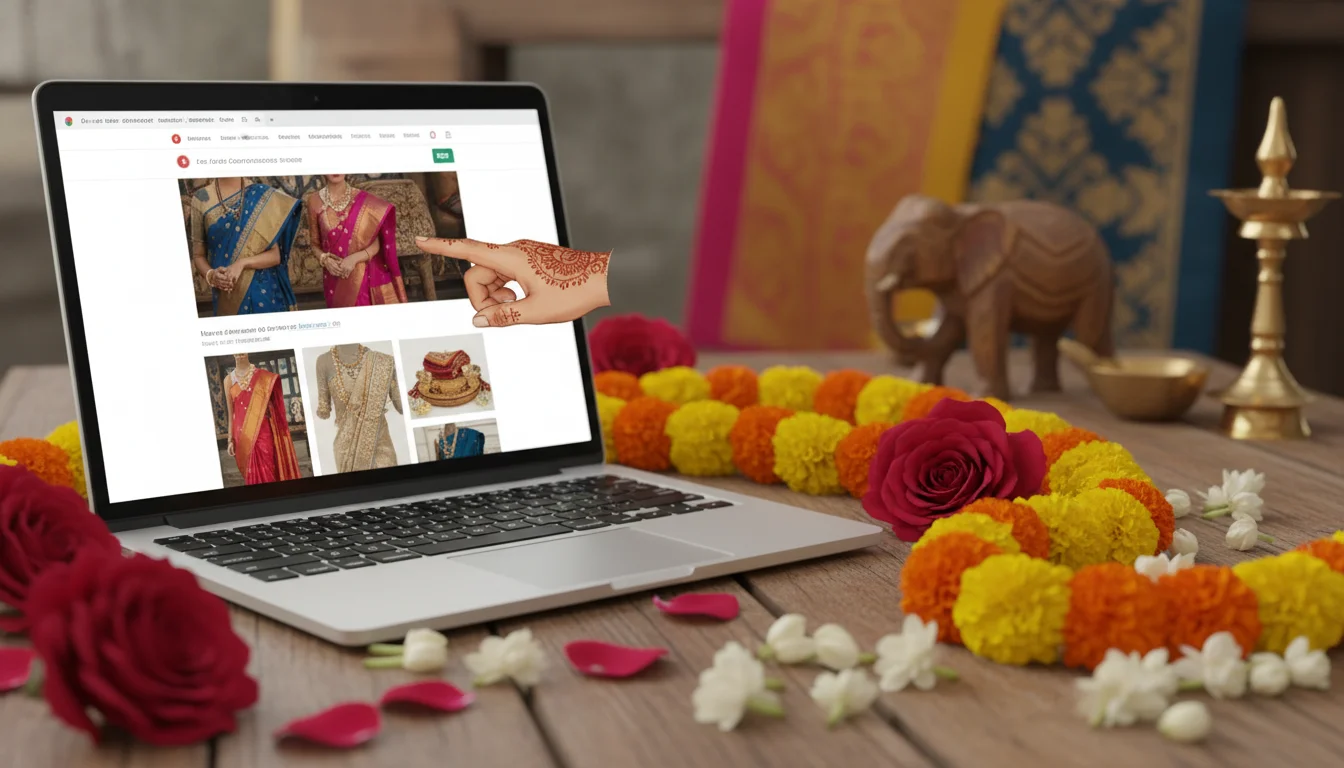
While offline channels have historically generated the bulk of this revenue, the digital space is experiencing exponential acceleration. The online gifting segment, valued at approximately USD 300.0 million to USD 309.60 million in 2024-2025, is projected to grow to over USD 398.3 million by 2033, driven by a growing middle class and the ubiquity of smartphone-enabled commerce.
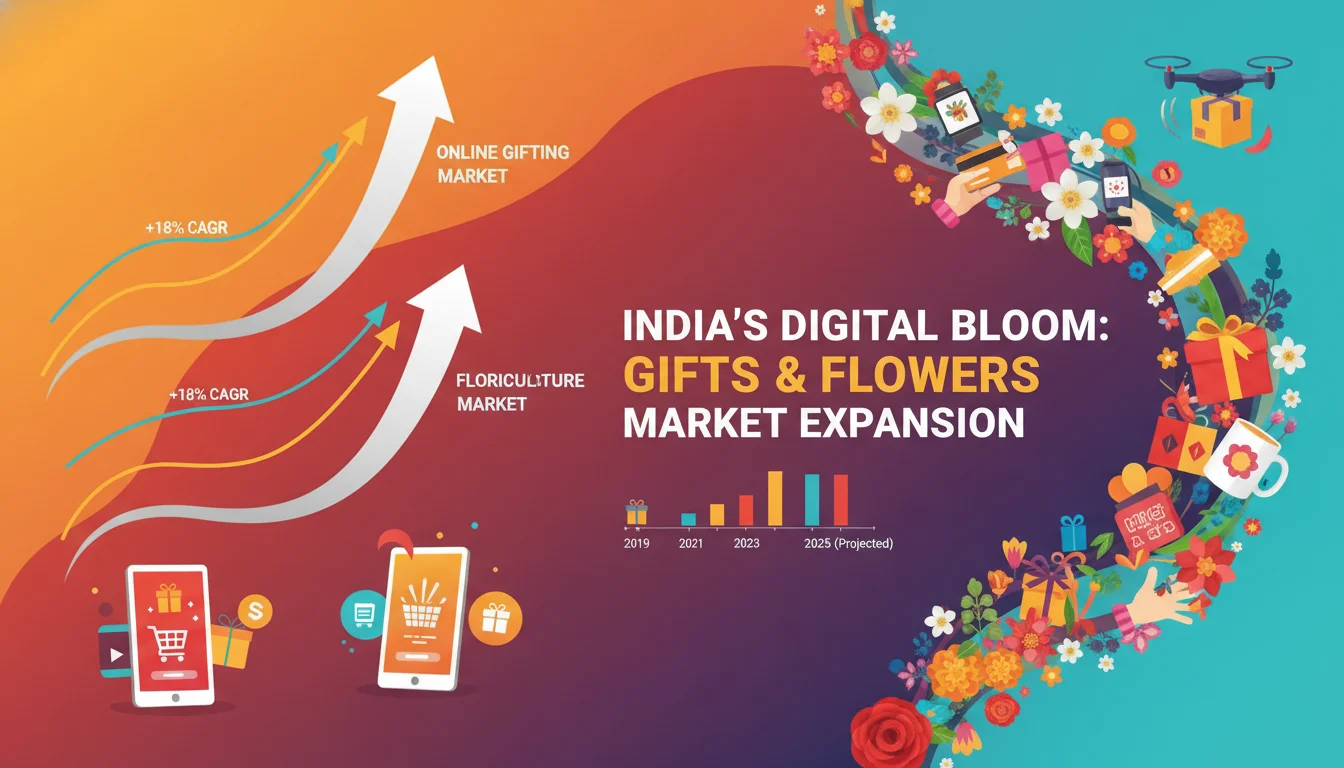
Several underlying macroeconomic and socio-cultural trends are catalyzing this growth. The rise in disposable incomes, particularly among the urban middle and upper-middle classes, has empowered consumers to shift their gifting dynamics from obligatory purchases to premium forms of personal expression. Furthermore, the market is experiencing a pronounced shift toward hyper-personalization. The personalized gifts market in India, which includes engraved accessories, bespoke corporate hampers, and customized photo gifts, was valued at USD 816.3 million in 2025 and is projected to reach USD 1,089.9 million by 2034. Purchasing behaviors are also becoming less seasonal and increasingly “de-gendered,” evidenced by reports indicating that male consumers are increasing their floral purchases by 22%. Additionally, there is a pronounced trend toward eco-conscious consumption, with 55% of users preferring eco-friendly packaging and a growing demand for ethically sourced, organic, and locally grown flowers supported by biotechnological advancements that improve color, fragrance, and longevity without excessive environmental impact.
| Market Segment | Estimated Value (2024/2025) | Projected Value (2030/2034) | Estimated CAGR |
|---|---|---|---|
| Flower Delivery Service | USD 274.4 Million | USD 445.5 Million | 8.6% |
| Domestic Floriculture | INR 323.8 Billion | INR 793.1 Billion | 10.5% |
| Overall Indian Gifting | USD 30.0 Billion | N/A | N/A |
| Online Gifting | USD 300.0 Million | USD 398.3 Million | ~3.2% |
| Personalized Gifts | USD 816.3 Million | USD 1,089.9 Million | 3.1% |
Key Challenges Faced by Businesses in this Industry
Despite the highly optimistic revenue projections, florists and gift shop operators in India must navigate a labyrinth of severe operational, logistical, and economic challenges. At the foundational level of floriculture, the industry is highly susceptible to agro-climatic fluctuations. Unpredictable weather patterns, extreme precipitation, and storm damage frequently devastate crop yields, leading to volatile raw material costs. Once the flowers are harvested, businesses face acute vulnerabilities regarding post-harvest technology. A significant portion of Indian growers and retailers continue to rely on antiquated packaging materials and sub-optimal cold-chain logistics, which results in accelerated pathogen growth, damage to delicate petals, and massive biological waste.
Beyond agricultural variables, the economic landscape presents formidable hurdles. Geopolitical disruptions and sweeping tariffs on floral imports have severely disrupted global supply chains, inflating the cost of premium exotic flowers and related hardgoods. This creates a severe profitability crisis, as businesses operate on razor-thin margins while attempting to absorb rising production costs without alienating highly price-sensitive consumers. Logistical execution remains the most critical point of failure in the consumer journey. Industry data reveals that nearly 35% of consumers report significant dissatisfaction due to delivery delays, while 40% cite high logistical shipping costs as a primary deterrent impacting their final purchase decision.
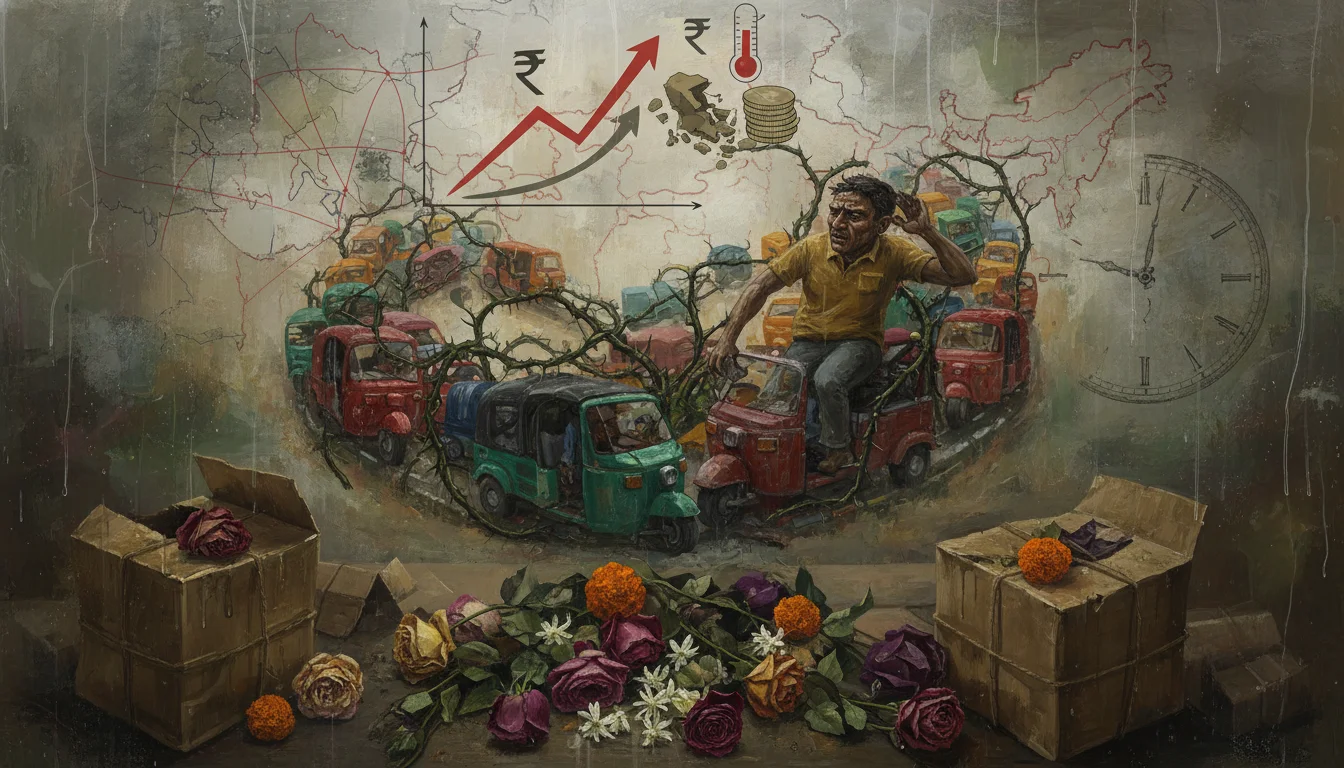
Furthermore, many of the challenges paralyzing local floral businesses are internally generated due to outdated sales paradigms. Industry analysts refer to the “Seven Deadly Sins of the Floral Industry,” which include the detrimental habit of opening sales interactions by interrogating customers about their budget rather than focusing on the emotional sentiment of the occasion, or alienating buyers by utilizing complex botanical terminology rather than discussing accessible color palettes. To survive, modern florists and gift shops must balance the high fixed costs of perishable logistics with consumer expectations for affordability, aesthetic perfection, sustainability, and immediate gratification.
Digital Landscape in India (Contextual to the Industry)
Internet and Social Media Usage Relevant to the Industry
The digital landscape in India has evolved from a nascent urban luxury into a ubiquitous, nationwide infrastructure that fundamentally dictates retail success. The proliferation of affordable smartphones and the widespread availability of low-cost data have democratized internet access, shifting the geographical center of digital commerce outward. While Tier 1 metropolitan hubs such as Delhi, Mumbai, Bengaluru, and Chennai boast mature e-commerce ecosystems and high internet penetration, the most explosive growth is currently localized in Tier 2 and Tier 3 cities, such as Jaipur, Indore, Surat, Coimbatore, and Nagpur. These emerging markets, characterized by rapid urbanization and rising disposable incomes, are projected to drive 70% of the national GDP by 2025, encompassing a consumer base of over 580 million individuals.
Consumers in these non-metro regions spend an average of 2 hours and 25 minutes online weekly, relying almost exclusively on their mobile devices for product discovery, validation, and purchasing. This mobile-first paradigm is critical for florists and gift shops, as the visual nature of their products perfectly aligns with the consumption habits of the Indian internet user. Furthermore, the integration of digital payment ecosystems, most notably the Unified Payments Interface (UPI), has drastically reduced transactional friction across all geographic tiers, allowing consumers to seamlessly execute impulse purchases directly from their smartphones.
The Vernacular Web: Popular Platforms and Linguistic Shifts
The most consequential development in the Indian digital marketing landscape is the explosive rise of regional language consumption. India is a nation of profound linguistic diversity, boasting 22 official languages and hundreds of regional dialects. According to recent demographic analyses, Indian language internet users have reached 536 million, officially surpassing the number of English-speaking users. This linguistic shift has rendered English-only marketing strategies obsolete, as they leave vast, high-potential audiences completely untapped.
Consumers exhibit significantly higher engagement rates, brand recall, and conversion velocity when interacting with content presented in their mother tongue. Consequently, platforms that support and amplify vernacular content have become the primary battlegrounds for consumer attention. WhatsApp stands as the undisputed titan of digital communication in India, boasting over 500 million active users.
It has evolved far beyond a mere messaging application; according to industry data, an astounding 72% of product discovery in India currently occurs directly on WhatsApp. The platform’s language-agnostic capabilities allow businesses to communicate fluently in Hindi, Tamil, Gujarati, and other regional languages, effectively obliterating communication barriers.
Simultaneously, visual platforms such as Instagram and Pinterest are highly popular among the target audience. Instagram, with its emphasis on short-form video content (Reels), serves as the premier platform for aesthetic discovery, brand storytelling, and influencer collaborations. YouTube Shorts also commands massive viewership, particularly for regional language creators who garner millions of views across non-metro demographics.
2.3 Consumer Online Behavior Related to Florists and Gift Shops
Understanding the nuanced online behavior of the Indian consumer is essential for optimizing digital touchpoints. The digital gifting consumer is highly driven by the desire for convenience and emotional resonance. Research indicates that 33% of Indian consumers strictly prefer ordering gifts online to be shipped directly to the recipient, bypassing the physical retail experience entirely. Furthermore, the demand for immediate gratification is escalating, with 45% of online buyers explicitly demanding same-day delivery services for their floral and gift purchases.
Consumer behavior is also heavily segmented by demographic profiles. Families tend to exhibit “batch buying” behaviors, with nearly 44% of families with young children purchasing gifts in bulk to manage hectic schedules. Conversely, young couples and unmarried professionals are highly prone to last-minute shopping. Approximately 36% of this demographic purchases gifts just in the nick of time, often executing transactions mere days or hours before a scheduled event, anniversary, or holiday.
Additionally, search behavior is becoming increasingly sophisticated. Consumers rarely use broad, single-word queries. Instead, they rely heavily on long-tail, conversational queries to find highly specific solutions, a trend accelerated by the adoption of voice search via virtual assistants. Finally, the modern Indian consumer evaluates brand credibility not just through product imagery, but through digital social proof. Positive online reviews, user-generated content, and transparent communication regarding product sourcing and delivery timelines are non-negotiable prerequisites for securing consumer trust.
3. Digital Marketing Opportunities
3.1 Solving Key Industry Challenges Through Digital Integration
Digital marketing and modern technological integration offer direct, quantifiable solutions to the most pressing challenges faced by Indian florists and gift shops. The profitability crisis, driven by high biological waste and narrow margins, can be mitigated through Artificial Intelligence (AI) and advanced data analytics. By integrating AI into their digital infrastructure, florists can optimize delivery routes to reduce fuel costs, analyze historical digital sales data to execute highly accurate demand forecasting, and ultimately ensure that delicate floral inventories align precisely with consumer demand, thereby drastically reducing biological waste.
Furthermore, digital platforms inherently solve the geographical limitations of traditional retail. Small, localized floriculture firms and neighborhood gift shops can utilize e-commerce platforms to bypass traditional intermediaries, expanding their reach to explore new domestic and even international markets. This digital infrastructure not only increases revenue but directly empowers rural farmers and local artisans by connecting them with a massive, digitized consumer base.
3.2 Best Strategies for Florists and Gift Shops in India
The WhatsApp Conversational Commerce Engine
In the Indian context, WhatsApp marketing is the most potent strategy for driving immediate sales and fostering deep customer retention. However, businesses must transition from the basic WhatsApp Business App to the robust WhatsApp Business API to truly scale their operations. The API allows for unlimited agent access, shared inboxes, comprehensive CRM integration, and the deployment of advanced AI chatbots. A sophisticated WhatsApp strategy categorizes interactions into utility messages (order confirmations, delivery alerts) and marketing messages (personalized promotions, interactive product catalogs). By integrating tools like Pabbly Chatflow, a florist can build a chatbot that operates 24/7, instantly sharing catalog images, capturing delivery details, processing UPI payments, and suggesting add-on items like cakes or personalized notes. Deploying “Click-to-WhatsApp” advertisements on Meta platforms channels high-intent social media traffic directly into a personalized chat, resulting in a reported 61% improvement in return on ad spend (ROAS) and a 22% higher average order value.
Influencer Marketing: Micro and Nano Paradigms
Influencer marketing in India is maturing rapidly, with industry valuations projected to grow by 25% in 2025 as brands shift budget allocations away from traditional advertising. The strategy has evolved beyond expensive celebrity endorsements; modern consumers are highly adept at detecting inauthentic collaborations. Consequently, the most effective strategy for local florists and gift shops is to leverage Micro (10,000–100,000 followers) and Nano (1,000–10,000 followers) influencers. These regional creators offer deeply engaged, hyper-local audiences at highly affordable rates. A standard Instagram Reel from a Nano-influencer costs between ₹2,000 and ₹5,000, while a Micro-influencer may charge between ₹5,000 and ₹25,000. By offering complimentary floral arrangements or personalized gift hampers in exchange for authentic reviews and short-form video content, gift shops can generate high-quality User-Generated Content (UGC) that can be repurposed across their owned digital channels, establishing profound localized trust.
Advanced Social Media and Experiential Content
To capture the attention of younger demographics, particularly Gen Z, brands must transition from static imagery to immersive, short-form video content. Platforms like Instagram Reels and YouTube Shorts are video-first consumption engines where authenticity outperforms high-production perfection. Content strategies should focus on “behind-the-scenes” narratives, such as time-lapse videos of complex floral arrangements, the meticulous packaging of a personalized gift hamper, or the daily reality of sourcing fresh flowers from local markets.
Furthermore, integrating advanced technologies like Augmented Reality (AR) provides a massive competitive advantage. Forward-thinking florists are developing AR filters for Instagram and Snapchat that allow users to virtually visualize how a specific bouquet will look in their living room or enable users to “try on” virtual floral crowns. This level of interactive content drastically increases engagement metrics and sets a brand apart in a crowded marketplace.
3.3 Empirical Case Studies in Digital Transformation
The transformative power of these strategies is validated by several compelling case studies within the Indian and Southeast Asian markets:
- Black Tulip Flowers (Bangalore, Delhi, Mumbai): Operating in the slow retail segment, this floral gifting brand sought to rapidly scale its e-commerce sales. They executed a comprehensive digital overhaul by upgrading their technological stack, integrating WooCommerce with essential tools like Google Tag Manager, Meta Pixel, and automated WhatsApp messaging via FunnelKit. Coupled with a premium visual rebranding to elevate their aesthetic perception, these strategic digital initiatives resulted in a 300% increase in website traffic, a 23% increase in social media profile visits, and an exceptional Return on Ad Spend (ROAS) exceeding 2.3x during seasonal campaigns.
- Luxury Florist Turnaround Strategy: A high-end luxury florist struggled with a digital presence that showcased beautiful imagery but failed to communicate specific value, resulting in high traffic but dismal conversion rates. By re-engineering their entire digital ecosystem to focus on the emotional psychology of gifting rather than merely displaying products, the brand dramatically transformed its metrics. Website traffic more than tripled, the cost-per-purchase dropped significantly, and the average order value rose exponentially as customers shifted from impulsive browsing to emotional purchasing, establishing predictable revenue flows even during historically low-season months.
- Andira Florist (Semarang) & Auriel Florist (Surabaya): Academic analyses of regional micro, small, and medium enterprises (MSMEs) highlight the absolute necessity of digital integration for survival. Andira Florist successfully combated intense market competition by establishing a highly synergistic communication strategy, utilizing Instagram as its primary digital channel to showcase bespoke arrangements while simultaneously maintaining offline collaborations with local wedding vendors. Similarly, quantitative research on Auriel Florist demonstrated that targeted digital marketing campaigns had a highly significant positive impact on establishing brand awareness, which served as the primary catalyst driving final purchasing decisions among local consumers.
4.
Competitive Analysis
To formulate an unassailable digital strategy, an exhaustive forensic analysis of the digital architecture deployed by the apex players in the Indian market—Ferns N Petals (FNP), Indian Gifts Portal (IGP), and FlowerAura—is absolutely essential.
Ecosystem Dominators: Current Digital Footprints and Strengths
Ferns N Petals (FNP): FNP commands massive digital authority through aggressive, hyper-localized Search Engine Optimization (SEO) and a relentless focus on mobile application engagement. They have systematically mapped the Indian geography, maintaining dedicated, keyword-optimized landing pages for major metropolitan areas and over 19,000 specific PIN codes, ensuring dominance in local search results. Their user experience (UX) is meticulously engineered for urgency and convenience, prominently featuring specialized delivery verticals including 60-minute delivery, 2-hour delivery, same-day delivery, and highly popular midnight deliveries. FNP also categorizes its extensive inventory using high-intent, long-tail architectures, sorting products not just by item type, but by highly specific recipient personas (e.g., “Gifts for Plant Lovers,” “Spiritual Gifts”) and exact micro-occasions (e.g., “50th Birthday”). To capture the premium segment, they operate “FNP Luxe,” and to modernize the market, they offer experiential digital gifts such as virtual serenades by guitarists and elaborate balloon decoration services.
IGP (Indian Gifts Portal): IGP distinguishes itself through technological sophistication, deep personalization, and absolute dominance in the corporate gifting sector. Their B2B corporate portal provides end-to-end bulk gifting solutions for modern tech and finance companies, offering branded tech platforms, personalized quotes, and integrated logo branding on premium tech gadgets (e.g., smartwatches, wireless headphones) and gourmet hampers. For the retail consumer, IGP provides granular navigation, allowing users to filter gifts by highly specific relationships, ranging from “Wife” and “Brother” to nuanced categories like “Elderly Couples”. A standout feature of their digital UX is absolute transparency; delivery timelines (e.g., “60-Min Delivery,” “Next Day Delivery”) are explicitly overlaid directly onto product thumbnails, instantly managing customer expectations and reducing checkout abandonment. Furthermore, IGP utilizes an aggressive content marketing strategy, hosting a comprehensive blog with detailed guides (e.g., “07 Expert Flower Choosing Tips”) to capture early-stage informational search intent.
FlowerAura: FlowerAura leverages a hybrid digital-marketplace model, heavily promoting its franchise network to achieve a sprawling physical footprint while maintaining rigorous digital centralization. They explicitly guarantee growth to their franchise partners by utilizing a proprietary “Smart Delivery App” that monitors Service Level Agreements (SLAs) and delivery staff performance in real-time. From a consumer-facing perspective, FlowerAura utilizes trust signals impeccably; they prominently display FSSAI certifications for their cakes, showcase verified customer testimonials, and offer a transparent, albeit strict, cancellation policy (imposing a 5% fee on cancellations made within 24 hours). Their digital retention strategy is anchored by a proprietary “Refer and Earn” program and the aggressive promotion of their feature-packed mobile app via on-site QR codes.
Strategic Gaps and Opportunities to Outperform
Despite their massive scale and logistical prowess, these industry conglomerates present significant vulnerabilities that agile, independent florists and regional gift shops can exploit to capture market share:
- Linguistic and Regional Alienation: The major portals operate almost exclusively within an English-language paradigm, utilizing highly polished, homogenized marketing copy. This presents a massive gap. Independent businesses that invest deeply in localized, vernacular content—communicating natively in Hindi, Tamil, Bengali, or Kannada—can capture the rapidly expanding, high-growth Tier 2 and Tier 3 demographics far more effectively, establishing emotional resonance that sterile English websites cannot achieve.
- The Authenticity Deficit: The digital assets of the industry giants rely heavily on perfect, studio-shot imagery. However, modern consumer preference is decisively shifting toward unfiltered authenticity. Smaller operations can heavily leverage user-generated content (UGC), behind-the-scenes Instagram Reels, and direct founder-to-consumer storytelling to build deep, parasocial emotional connections that highly corporate brands lack.
- Algorithmic vs. Human-Led Personalization: While large portals utilize automated algorithms to suggest complementary gifts, these systems often feel impersonal. A local florist utilizing a robust WhatsApp Business API can provide genuine, human-driven consultation. By combining automated catalog delivery with live, consultative chat support regarding floral color psychology or specific cultural traditions, a small business can offer a bespoke concierge experience that algorithms simply cannot replicate.
Recommended Strategy for Florists and Gift Shops in India
Target Audience Personas
To ensure that digital marketing budgets yield maximum return on investment, campaigns must be ruthlessly targeted toward specific, data-backed buyer personas:
- The Urban Gen Z / Millennial Digital Native: Aged 18–35, residing in Tier 1 and rapidly growing Tier 2 cities. This demographic is deeply influenced by social media aesthetics, highly eco-conscious, and values ethical sourcing and sustainability. They frequently exhibit last-minute purchasing behaviors and expect seamless technological integration. Preferences: Sustainable essential kits, minimalist diffusers, organic skincare, and experiential gifts. They respond highly to Augmented Reality (AR) try-ons, short-form video content, and transparent communication regarding the environmental impact of their purchases.
- The Vernacular Tier 2/3 Aspirer: Aged 25–50, residing in emerging regional hubs (e.g., Surat, Coimbatore). This consumer is experiencing rising disposable income but balances a desire for premium quality with inherent price sensitivity. They rely heavily on regional language communication and place immense value on trust and local community validation. Preferences: Traditional festival hampers, culturally specific floral arrangements, and robust, reliable delivery. They respond best to WhatsApp conversational commerce, hyperlocal Nano-influencers, and advertisements delivered in their mother tongue.
- The Corporate HR / Logistics Liaison: Aged 30–55, tasked with managing bulk gifting for employee onboarding, festival celebrations (Diwali), and client appreciation. Preferences: Premium tech gifts (e.g., power bank diaries, wireless charging organizers), gourmet hampers, and bespoke branding. They require absolute logistical reliability and respond best to LinkedIn outreach, B2B case studies, and highly professional, downloadable product catalogs featuring clear Minimum Order Quantities (MOQs) and pricing tiers.
Recommended Channels and Campaign Types
An integrated, omnichannel approach is necessary to capture consumer intent across the entire digital ecosystem:
- Hyperlocal Search & Google Business Profile (GBP): Given the perishable nature of flowers and the urgency of gifting, searches are intensely localized. Maintaining a meticulously optimized GBP with updated hours, precise GPS coordinates, and a continuous stream of verified reviews is the foundation of local visibility.
- Social Commerce Integration (Instagram & Pinterest): Transform social media profiles from mere visual galleries into direct transactional engines. Implement “Instagram Shopping” with full catalog integration to allow users to purchase directly from a post. Utilize Pinterest to capture high-intent users who are actively curating mood boards for weddings, anniversaries, and major life events.
- Conversational WhatsApp Marketing: Deploy the WhatsApp Business API to execute full-funnel marketing. Utilize click-to-WhatsApp ads on Meta platforms to drive traffic into a chat, where an automated flow can qualify the lead, present the digital catalog, process the UPI payment, and schedule the delivery—all within the messaging app.
- Zero-Party Data Collection: Implement interactive digital tools, such as a “Gift Finder Quiz” on the website, to collect specific data regarding user preferences and important dates (e.g., spouse’s birthday). Utilize this zero-party data to execute highly personalized, automated SMS and email retention campaigns.
Content Ideas Specific to the Indian Market
Content must transcend standard promotional imagery to provide genuine value and establish brand authority:
- Educational & “How-To” Content: Publish detailed guides on floral care (e.g., “How to extend the vase life of your Orchids in Indian summers”) or recipe integrations (e.g., “Easy Matcha Cake Recipe for Beginners”) to draw organic traffic.
- Color Psychology & Cultural Symbolism: Create content explaining the cultural significance and emotional meaning behind specific floral colors, helping consumers make educated choices for specific occasions like weddings, sympathy, or romance.
- Trend-Focused Showcases: Produce high-quality visual content highlighting the top trending gifts for 2025/2026, such as sustainable home decor hampers, customized jewelry unboxings, and premium corporate tech accessories.
Budget-Friendly Digital Marketing Approaches
For independent operations lacking massive venture capital, resource allocation must be highly efficient:
-
Review Solicitation Engines: Word-of-mouth remains critical.
- Implement automated WhatsApp messages post-delivery requesting a review on Google or Facebook, incentivizing the action with a minor 5% discount on their next purchase.
- Nano-Influencer Barter Campaigns: Instead of paying exorbitant fees to macro-influencers, partner with 10–15 local Nano-influencers. Provide them with complimentary, high-aesthetic floral arrangements in exchange for honest reviews, Instagram Stories, and the rights to repurpose their content as UGC on the brand’s own channels.
- Content Fractionation: Maximize the return on content creation by repurposing a single asset. A long-form blog post regarding “Diwali Gifting Trends” can be segmented into a Twitter thread, five distinct Instagram Reels, a Pinterest infographic, and a WhatsApp broadcast message.
Keywords & SEO Opportunities
Semantic Search and High-Intent Keyword Mapping
Search Engine Optimization (SEO) represents the most sustainable, high-ROI acquisition channel. However, targeting broad, short-tail keywords such as “flower shop” (Search Volume: 823,000) places small businesses in direct, futile competition with national conglomerates. Instead, optimization must focus rigorously on high-intent, transactional keywords that signal the consumer has their credit card in hand and is ready to execute a purchase immediately.
| High-Intent Keyword | Estimated Search Volume | SEO Competition Strategy |
|---|---|---|
| Send flowers | 110,000 | Highly competitive; focus on localized variations. |
| Same day flower delivery | 90,500 | Target urgency; feature prominently on landing pages. |
| Order flowers online | 40,500 | Transactional intent; optimize product schema markup. |
| Sympathy flowers | 33,100 | Occasion-specific; create dedicated sympathy landing page. |
| Send flowers online | 27,100 | Transactional intent; pair with location modifiers. |
Data aggregated from specialized florist keyword research analytics.
The Nuanced Power of Long-Tail Keywords
A massive 91% of all web searches consist of highly specific, multi-word phrases known as long-tail keywords. These queries face significantly lower competition and boast vastly superior conversion rates because they perfectly capture precise consumer intent. Furthermore, the rise of voice search and AI-driven conversational engines means consumers are speaking full sentences into their devices (e.g., “Where can I find an open coffee shop near me?”).
India-Specific Long-Tail Opportunities:
- Hyper-Localized Queries: Instead of targeting “wedding flowers,” target “best florist for wedding arrangements in”.
- Cultural and Vernacular Specificity: Optimize for festival-specific, localized phrasing. For example, targeting “Diwali pooja decoration flowers online 2026” or “Best customized romantic gifts for wife in Mumbai”.
- Product and Attribute Specificity: “Midnight eggless chocolate cake and red rose delivery near me” captures a highly specific, high-intent user who knows exactly what they want.
To seamlessly integrate these long-tail phrases without compromising the readability of product titles, businesses should utilize User-Generated Content (UGC). By collecting detailed customer reviews, websites naturally populate their product pages with the exact, descriptive, natural language phrases that future customers will type into search engines.
Implementation Roadmap
Executing a comprehensive, omnichannel digital marketing strategy requires a highly structured, phased approach to ensure foundational stability before scaling complex advertising campaigns.
Phase 1: Short-Term Operational Foundations (Months 1–3)
Objective: Audit existing infrastructure, capture immediate local demand, and establish a frictionless digital checkout experience.
- Month 1: Technical SEO and Local Visibility: Conduct a comprehensive technical audit of the e-commerce website to ensure absolute mobile responsiveness, rapid load times, and clean navigational architecture. Claim, verify, and aggressively optimize the Google Business Profile, ensuring strict consistency of the business Name, Address, and Phone number (NAP) across all digital directories. Crucially, integrate secure, localized payment gateways (such as UPI, eSewa, and Khalti) to eliminate any friction at checkout.
- Month 2: Conversational Architecture: Migrate customer service operations to the WhatsApp Business API. Map out and deploy automated conversational chat flows, including personalized welcome messages, instant digital catalog delivery, automated order confirmations, and real-time delivery tracking updates. Simultaneously, integrate the full product catalog into the backend of Meta platforms to enable seamless Instagram and Facebook Shopping functionalities.
- Month 3: Review Generation and Content Seeding: Launch automated email and WhatsApp sequences that trigger 24 hours post-delivery, politely requesting a customer review to build essential social proof. Begin executing a consistent short-form video strategy on Instagram Reels, focusing on behind-the-scenes shop operations and aesthetic floral arrangement tutorials.
Phase 2: Long-Term Strategic Expansion (Months 6–12)
Objective: Expand geographic reach, penetrate the B2B sector, and establish profound cultural resonance through vernacular marketing.
- Months 4–6: Vernacular Translation and Influencer Activation: Identify the primary regional languages spoken by the target demographic. Translate high-converting landing pages, advertisement copy, and social media content into these vernacular languages (e.g., Hindi, Bengali, Tamil) to drastically improve engagement rates. Initiate a structured Nano-influencer outreach program, partnering with 10–15 local lifestyle creators for product seeding and the generation of authentic UGC.
- Months 7–9: Advanced SEO and B2B Portal Development: Develop a comprehensive, SEO-driven content blog targeting long-tail, occasion-specific keywords to build deep domain authority. Concurrently, launch a dedicated, hidden B2B corporate gifting portal on the website, featuring tiered bulk pricing, downloadable corporate catalogs, and options for custom brand engraving on premium items like tech gadgets and wooden diaries.
- Months 10–12: Loyalty Integration and AI Deployment: Implement a formalized, omnichannel loyalty program that rewards customers with points for repeat purchases and successful referrals, thereby maximizing Customer Lifetime Value. Deploy AI-driven product recommendation engines on the website to analyze browsing behavior and automatically suggest personalized cross-sells and upsells.
Annual Event and Promotional Marketing Calendar
The floriculture and gifting industries are inherently cyclical and event-driven. A proactive, strategically mapped calendar ensures inventory readiness and aligns marketing expenditure with periods of maximum consumer demand.
| Marketing Event / Season | Timeline | Key Product & Keyword Focus | Recommended Marketing Strategy |
|---|---|---|---|
| Lunar New Year | Late January | Orchids, premium imported blooms | Target international diaspora; emphasize fresh beginnings and prosperity. |
| Valentine’s Day | Mid-February | Premium red roses, couples’ perfumes | Launch early-bird pre-order discounts; deploy AR virtual gifting try-ons; execute couples’ Micro-influencer campaigns. |
| Holi | March | Colorful loose flowers, traditional sweets | Deploy vibrant, vernacular social media campaigns; emphasize community and organic, eco-friendly color promotions. |
| Mother’s Day | May | Personalized jewelry, indoor plants | Launch highly emotional video storytelling campaigns; trigger automated SMS reminders to the existing customer database. |
| Raksha Bandhan | August | Rakhi gift combos, chocolates | Target siblings with high-intent keywords (“gifts for brothers/sisters”); promote early-bird global shipping options. |
| Diwali | Oct / Nov | Grand gourmet hampers, traditional decor | Execute aggressive outbound B2B corporate outreach; utilize high-volume WhatsApp broadcast catalogs for bulk orders. |
| Christmas & New Year | December | Poinsettias, tech accessories, diaries | Focus on end-of-year corporate appreciation; promote customized 2026/2027 wooden diaries and desktop organizers. |
Conclusion and Strategic Call to Action
The Indian floriculture and gift shop market stands at a critical, highly lucrative inflection point. As traditional, unorganized street-level retail rapidly gives way to a highly connected, mobile-first, and geographically dispersed digital ecosystem, the implementation of advanced digital marketing ceases to be an optional growth lever—it has become the fundamental prerequisite for commercial survival. The modern Indian consumer is evolving rapidly; they demand absolute aesthetic perfection, immediate logistical gratification, highly personalized emotional resonance, and above all, digital communication delivered seamlessly in their native linguistic context.
Businesses that remain tethered to outdated, English-only static websites, generic discount-driven advertising, and manual sales processes will invariably lose market share to technologically agile competitors. The empirical data unequivocally demonstrates that the future of this industry belongs to brands that harness the power of conversational commerce via the WhatsApp Business API, cultivate deep community trust through localized Nano-influencers, dominate local search visibility through high-intent long-tail keywords, and deliver a frictionless, omnichannel purchasing experience from discovery to delivery.
Executing this level of digital sophistication requires intricate technical infrastructure, continuous data analysis, and strategic foresight that often falls significantly outside the core competencies of traditional florists and gift retailers.
Building high-speed e-commerce platforms, optimizing complex SEO architectures, and managing AI-driven advertising campaigns demand specialized, professional intervention. This is where specialized expertise becomes an indispensable asset. Gurkha Technology represents the ideal strategic partner to architect, deploy, and manage this digital transformation. Operating with profound regional insights across South Asian digital markets, Gurkha Technology provides comprehensive, end-to-end digital solutions explicitly tailored for modern retail success. From engineering robust, hyper-fast WordPress e-commerce websites integrated with seamless local payment gateways (such as eSewa and Khalti), to deploying AI-driven Search Engine Optimization and high-converting Meta and TikTok advertising campaigns, their methodologies are grounded in rigorous, data-driven performance.
By leveraging Gurkha Technology’s extensive capabilities in custom UI/UX design, localized social media management, strategic brand identity, and advanced Performance Max Google Ads management, florists and gift shops can confidently navigate the complexities of the digital landscape. Partnering with digital marketing experts ensures that businesses can outmaneuver the competition, scale their operations exponentially, and cultivate enduring, highly profitable relationships with India’s rapidly evolving consumer base.