Consensus, Conflict, and Collaboration: Lessons from Model ICANN
Following my last post on the Model ICANN experience, I want to drill down into the core mechanism that makes it work: Consensus.
In Nepal, we often view “conflict” as something to avoid. We are polite. We don’t like to argue in public.
But in Internet Governance, I learned that Conflict is a Feature, Not a Bug.
The IETF Mantra: “Rough Consensus and Running Code”
The engineers who built the internet (IETF) have a famous motto: “We reject: kings, presidents and voting. We believe in: rough consensus and running code.”
What does Rough Consensus mean?
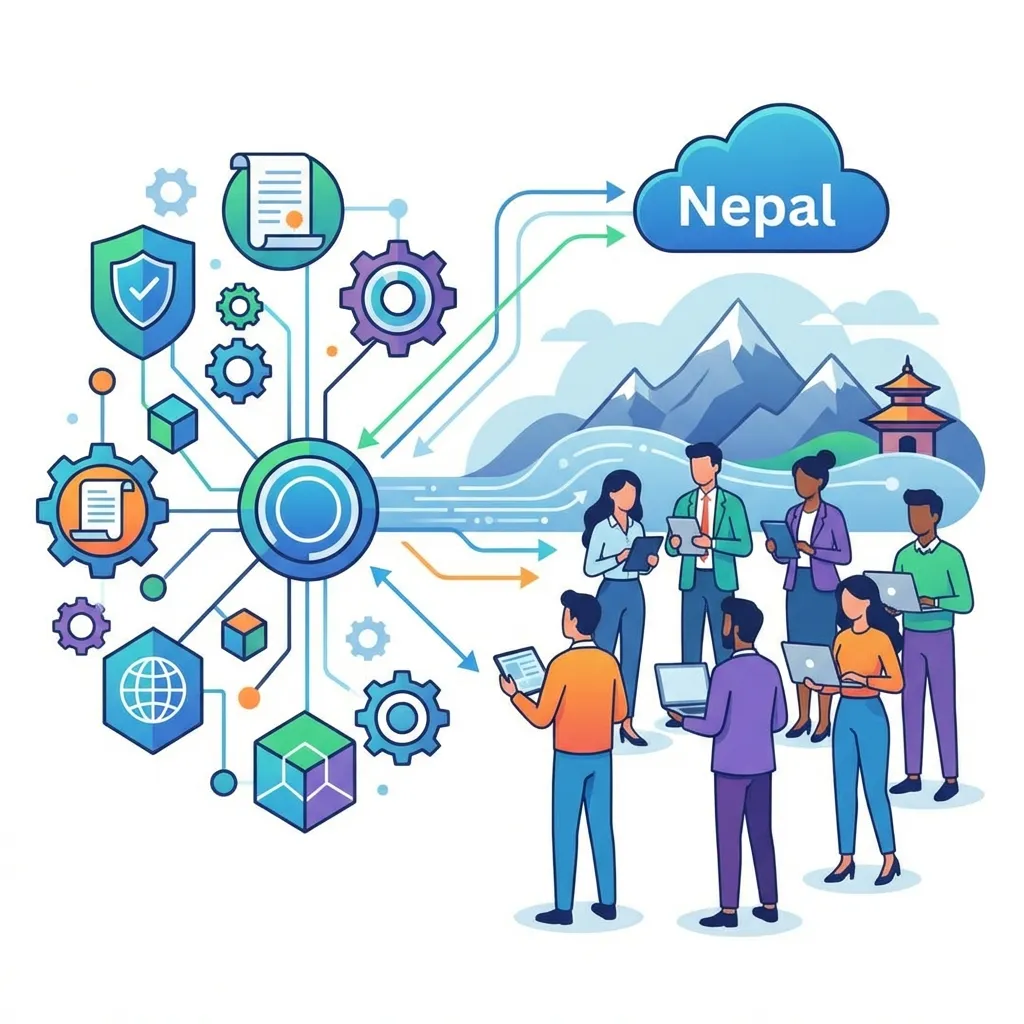
It means we don’t need 100% agreement. There can be a few people grumbling in the corner. But we need to make sure:
- Everyone has been heard.
- The objections have been addressed (even if not solved).
- The dominant view is strong enough to move forward without breaking the community.
graph TD
    A[Rough Consensus Process] --> B{Are all voices heard?};
    B -- Yes --> C{Are objections addressed (even if not solved)?};
    C -- Yes --> D{Is the dominant view strong enough to proceed?};
    D -- Yes --> E["Decision Reached: Community Moves Forward"];
    D -- No --> F["Further Discussion / Re-evaluation"];
    C -- No --> F;
    B -- No --> F;
Figure 1: The Rough Consensus Process
Why Voting Fails
Why not just vote? In complex technical issues, the majority is often wrong. If 90% of people vote that “Pi = 3” because it’s easier to do math, bridges will collapse. The 10% of engineers who know “Pi = 3.14159…” must be listened to.
In IG, voting creates losers. And in a voluntary global network, if you make powerful losers (like a government or a major tech company), they might just leave and build their own internet. Consensus keeps everyone in the tent.
The Art of the Compromise
During APIGA, I saw that the best delegates weren’t the loudest speakers. They were the Synthesizers.
They were the ones who said: _“Okay, Group A wants Privacy. Group B wants Security. What if we encrypt the data (Privacy) but allow access with a court order (Security)?
graph TD
    A["Conflicting Interest 1: Privacy"] --> S(Synthesizer);
    B["Conflicting Interest 2: Security"] --> S;
    S --> C["Identify Common Ground / Core Needs"];
    C --> D[Propose 'Third Way' Solution];
    D --> E["Collaborative Outcome / Shared Ownership"];
Figure 2: The Synthesizer’s Approach to Finding the ‘Third Way’
“_
They found the “Third Way.”
Applying This to Your Career
This lesson applies everywhere, not just in policy.
- In Client Meetings: Don’t try to “win” the argument against your client. Find the consensus between their budget and your quality standards.
- In Team Projects: Don’t vote. Discuss until you find a solution the whole team can support, even if they don’t love it.
Collaboration is messy. It takes longer. But the result is something everyone owns. And that is why the internet has survived for 40 years without a CEO.
Related Posts and Resources
- Digital Marketing in Nepal (Complete Guide)
- Google Ads in Nepal: Practical Strategy
- SEO Analytics for Nepali Businesses
- eCommerce Analytics Setup in Nepal
- eCommerce Metrics That Matter
- Email Marketing Guide for Nepal
- Email Marketing ROI in Nepal
- Facebook Ads Budget Guide (Nepal)
- Cultural PPC Strategy for Nepal
- Competitor Analysis Framework for Nepal