Unit 8.6
Prescriptive Analytics: How to Guide Business Decisions
Learning Objectives
By the end of this session, you will be able to:
- ✅ Define Prescriptive Analytics and the key question it answers.
- ✅ Explain how prescriptive analytics builds on predictive analytics.
- ✅ Describe the main techniques used, such as optimization and simulation.
- ✅ Provide business examples, including dynamic pricing and next best action.
The Analytics Journey 📊
🔍 Descriptive
"What happened?"
Past-focused. Summarizes historical data (e.g., dashboards, reports).
🔮 Predictive
"What will happen?"
Future-focused. Uses statistical models and forecasting (e.g., sales forecast).
🎯 Prescriptive
"What should we do?"
Action-focused. Recommends decisions to achieve goals (e.g., optimal price).
Interactive: Classify the Analytics Type
Click a scenario chip to select it, then click the correct analytics category bin.
🔍 Descriptive
🔮 Predictive
🎯 Prescriptive

What is Prescriptive Analytics?
Prescriptive Analytics is the most advanced form of analytics. It goes beyond predicting the future by recommending specific actions to achieve a desired outcome.
It's about moving from insight to automated, guided action.
It answers the fundamental question: "What should we do about it?"
How It Works: From Prediction to Action
Prescriptive analytics combines predictions with business logic to find the best path forward.
Key Technique: Optimization
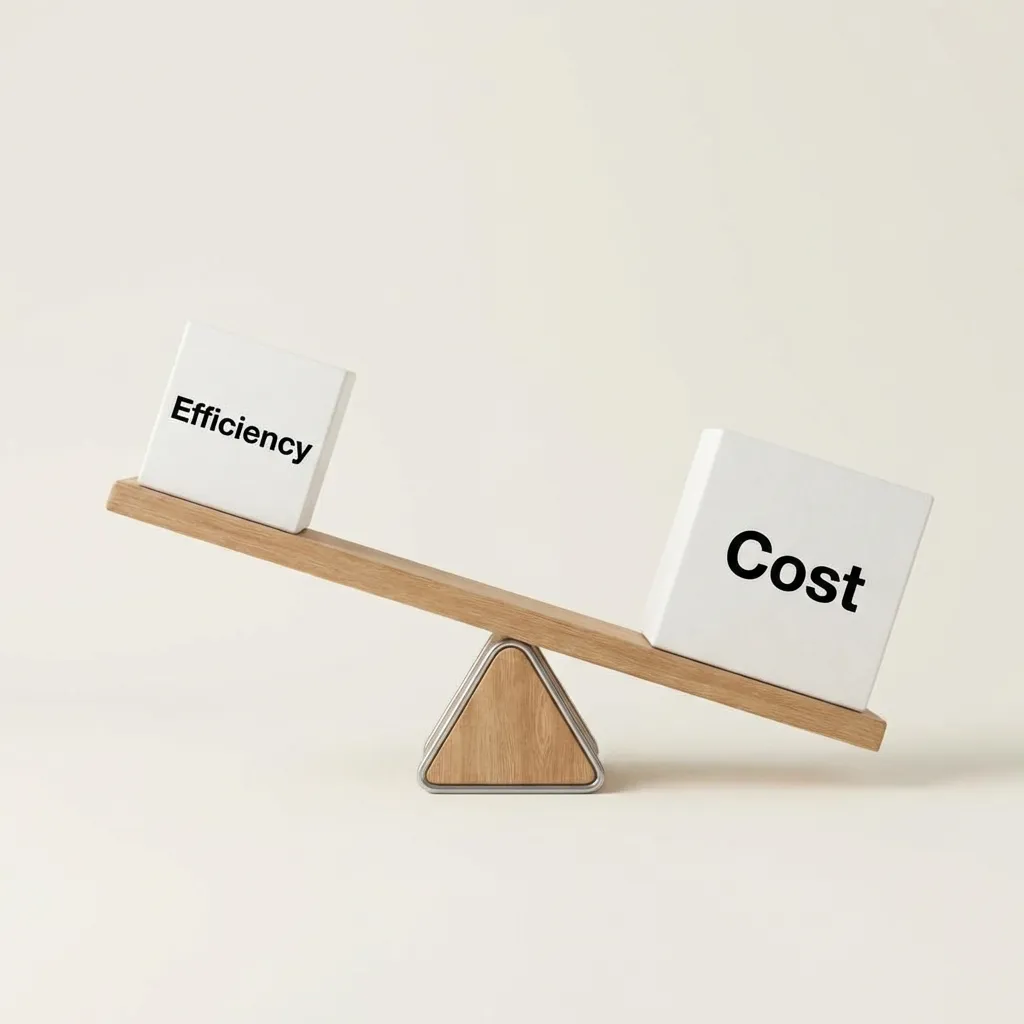
Optimization: The core of prescriptive analytics. It is the process of finding the best possible solution from a set of alternatives, given a specific set of constraints.
- Goal: Maximize profit, minimize cost, increase efficiency.
- Constraints: Budget, time, resources, production capacity.
- Example: What is the optimal production schedule to meet demand while minimizing manufacturing costs?
Interactive: Production Optimization Calculator
Adjust production quantities within the constraints to maximize profit.
Profit: 200 NPR/unit
Labor: 2 hrs/unit | Material: 3 kg/unit
Profit: 300 NPR/unit
Labor: 4 hrs/unit | Material: 2 kg/unit
Max Labor: 40 hrs
Max Material: 36 kg
Key Technique: Simulation
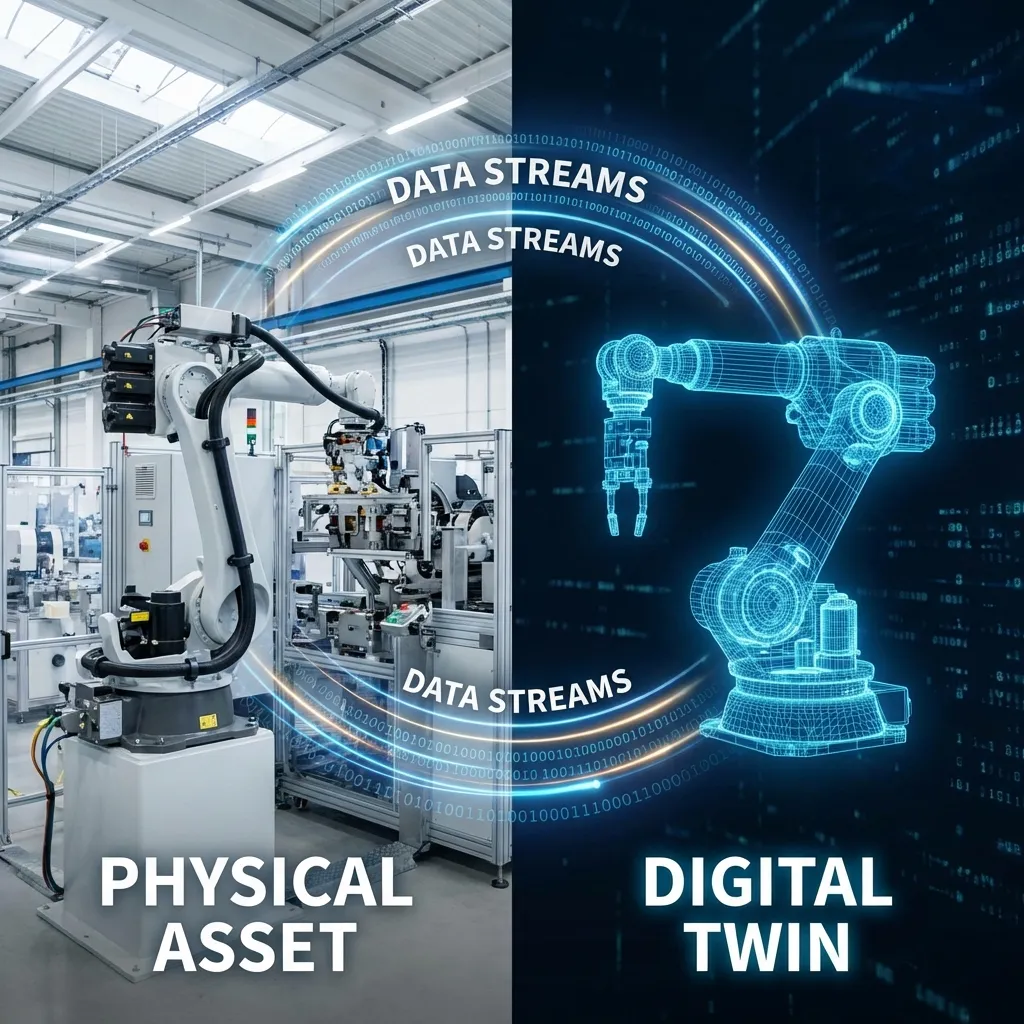
Simulation: Creating a computer model of a real-world system to test different scenarios and actions in a virtual, risk-free environment.
- Allows businesses to ask "What if...?" questions.
- Example: Simulating a supply chain to see how a factory closure in one country would impact delivery times worldwide.
- Helps evaluate the outcome of recommended actions before implementation.
Interactive: Supply Chain What-If Simulator
Toggle disruptions to simulate their impact on global delivery time.
Other Key Techniques
Rule-Based Systems
Uses a set of predefined "IF-THEN" rules to automate decisions.
Example: "IF a customer's cart value > 5000 NPR, THEN offer free shipping."
A/B Testing
A randomized experiment comparing two variants (A and B) to see which performs better.
Example: Showing two different website layouts to users to see which one leads to more sign-ups.
These techniques help translate analytical insights into concrete, testable business actions.
Interactive: IF-THEN Rule Builder
Build a prescriptive rule by choosing condition values, then see what action is recommended.
Example 1: Dynamic Pricing ⚡
Scenario: A ride-sharing app needs to set prices.
- Predicts: Future ride demand and driver supply in a specific area.
- Constraints: Maximize completed rides, ensure driver availability.
- Prescribes Action: Recommends an optimal price ("surge pricing") to balance supply and demand.
- Nepal Context: Think of Pathao or inDriver adjusting fares during peak traffic hours in Kathmandu or during a festival.
Interactive: Surge Pricing Simulator
Adjust ride demand and driver supply to see how prescriptive analytics sets the optimal surge fare.
Example 2: Next Best Action (NBA)
Scenario: A telecom company wants to retain a customer.
- Analyzes: Customer profile, call history, data usage, and recent complaints.
- Predicts: Likelihood of the customer switching to a competitor.
- Prescribes Action: Recommends the "next best action" for the customer service agent.
- Nepal Context: Ncell or Nepal Telecom could use this to proactively offer a specific data pack or a loyalty discount to a high-value customer at risk of leaving.
Example 3: Supply Chain Optimization
Scenario: An e-commerce company planning deliveries.
- Predicts: Traffic conditions, weather, delivery time windows.
- Constraints: Fuel costs, driver hours, vehicle capacity.
- Prescribes Action: Recommends the most efficient delivery route for each truck.
- Nepal Context: Daraz or Sastodeal optimizing delivery routes across the valley during the Dashain shopping season to ensure timely delivery and minimize costs.
Discussion & Ethical Considerations
- What is the relationship between predictive and prescriptive analytics? How do they depend on each other?
- Google Maps recommending the fastest route is a prescriptive action. What data does it use? What are the constraints?
- What are the potential ethical concerns of using prescriptive analytics for dynamic pricing? Could it lead to unfairness?
Summary: Key Takeaways
- 🎯 Prescriptive analytics answers "What should we do?" by recommending specific actions.
- 🔗 It builds on predictive analytics by adding optimization, simulation, and business rules.
- 💡 Key applications include dynamic pricing, next best action, and supply chain optimization.
- 🤖 It represents a major shift from supporting human decisions to guiding and automating them.
Thank You!
Questions?
Next Topic: Unit 8.7: Data Presentation Tools: Dashboards and Reports | IT 233