Unit 7.1
Unit 7 Intro: CRM and Supply Chain Management (SCM)
Learning Objectives
By the end of this introductory lecture, you will be able to:
- ✅ Define Customer Relationship Management (CRM) and its core goal.
- ✅ Define Supply Chain Management (SCM) and its scope.
- ✅ Differentiate between the primary focus of CRM and SCM.
- ✅ Recognize the role of Information Systems in enabling both CRM and SCM.
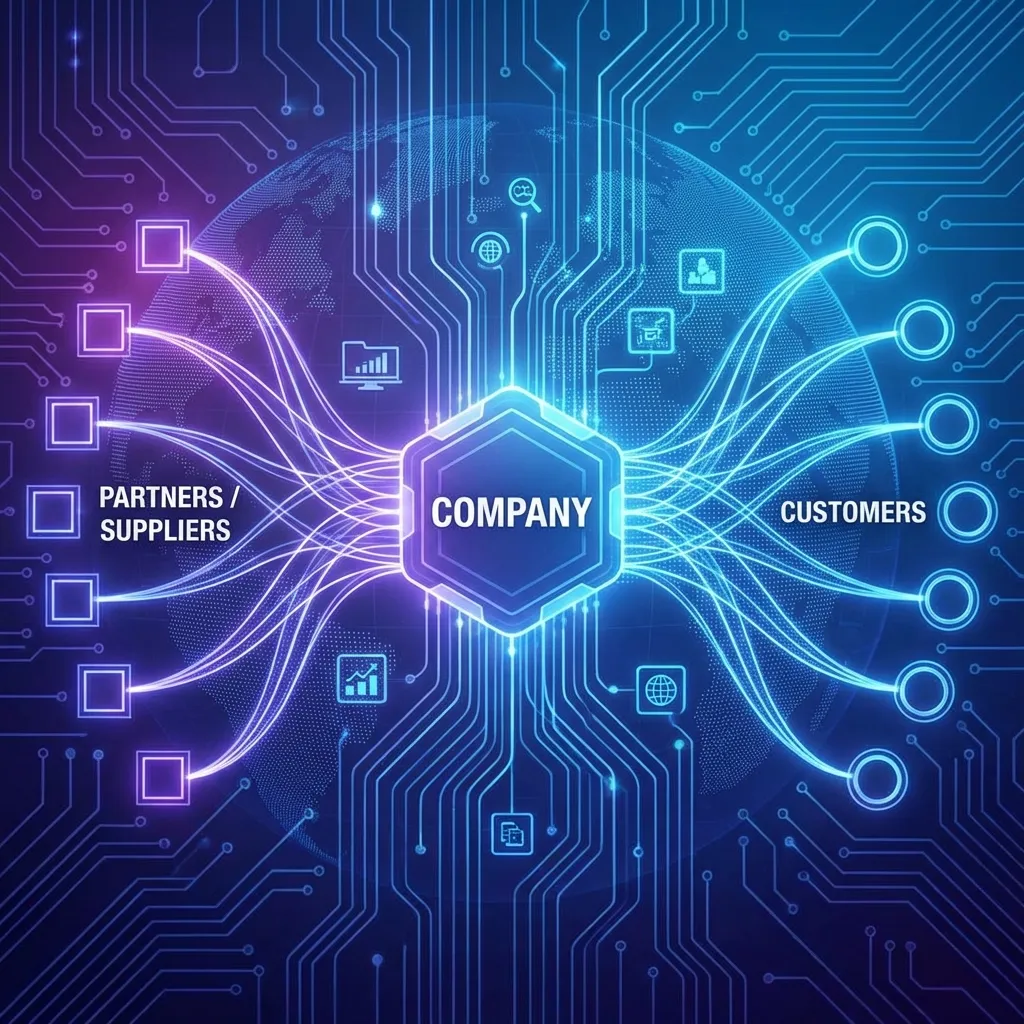
Beyond the Organization's Walls
Modern business success isn't just about internal efficiency.
It's about managing a complex network of external relationships.
Customers
Building loyalty, understanding needs, and driving sales.
Partners & Suppliers
Ensuring collaboration, resilience, and efficient operations.
Two key information systems manage these external relationships: CRM and SCM.
🔍 What is CRM?
Customer Relationship Management
Definition: A strategy for managing all of a company's relationships and interactions with its customers and potential customers.
It's more than just software; it's a business philosophy centered on the customer.
🎯 The Core Goal: Improve business relationships to grow the business.
Why is CRM so Important?
- Customer Retention: It costs 5x more to attract a new customer than to keep an existing one.
- Personalized Service: Understand customer history to provide better, faster support.
- Increased Sales: Identify opportunities to upsell (better products) and cross-sell (related products). 📊
- Process Automation: Streamline sales, marketing, and service tasks to improve efficiency.
CRM Impact: Retention vs. Acquisition Calculator
Adjust the inputs to see how much a business can save by retaining customers instead of replacing them.
🚚 What is SCM?
Supply Chain Management
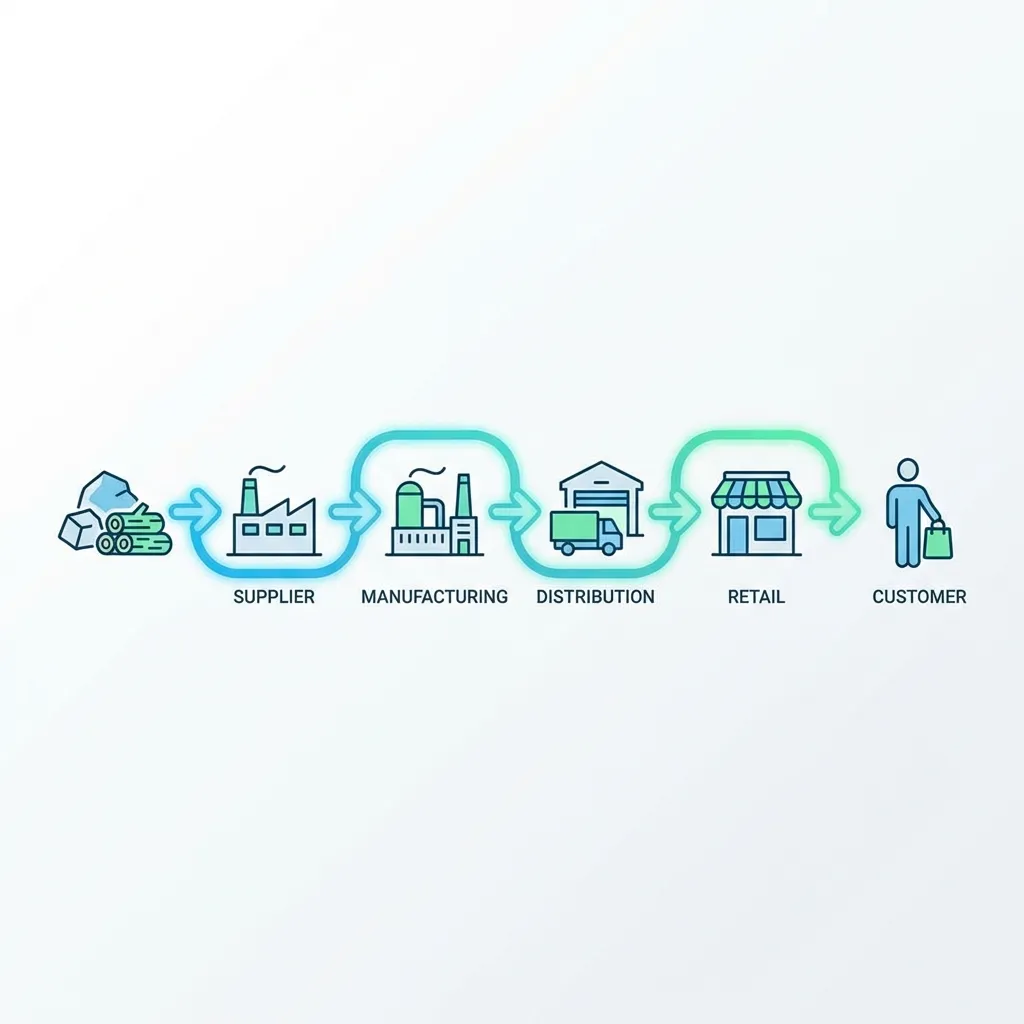
Definition: The management of the flow of goods and services, from the procurement of raw materials to the delivery of the final product to the consumer.
It's the entire "source-to-consumer" journey of a product.
🎯 The Core Goal: Create an efficient, resilient, and cost-effective supply chain.
Visualizing the Supply Chain Flow
SCM coordinates every step from beginning to end:
⚡ Information Systems are the digital thread connecting each stage, providing visibility and control.
Supply Chain Builder: Put It in Order
Click the supply chain stages in the correct order from start to finish. Build the chain!
CRM vs. SCM: A Core Distinction
CRM (Front-Office)
Focus: Demand Generation
Manages: The customer lifecycle (marketing, sales, service).
Key Question: "How do we find, win, and keep our customers?"
SCM (Back-Office)
Focus: Demand Fulfillment
Manages: The product lifecycle (sourcing, making, delivering).
Key Question: "How do we efficiently make and deliver our product?"
CRM or SCM? Scenario Sorter
Click each scenario card to classify it as CRM or SCM. Click again to toggle. Then check your answers!
The Role of Information Technology
IT provides the essential support for modern CRM and SCM:
- Data Centralization: A single source of truth for customer info (CRM) or inventory levels (SCM).
- Process Automation: Automating marketing emails, order processing, and logistics alerts.
- Analytics & Forecasting: Predicting customer trends (CRM) and future demand (SCM). 📊
- Collaboration & Visibility: Connecting internal teams and external partners in real-time.
IT Capabilities: Match the Use Case
Click an IT Capability (left), then click the matching use case (right). Match all 4 pairs!
Practical Application in Nepal
Example: A Nepali Beverage Company (e.g., a popular juice brand)
CRM in Action:
- Running loyalty programs for Kirana Pasals (local shops).
- Using social media to engage with customers and get feedback on new flavors.
- Tracking sales data from different cities to plan marketing campaigns.
SCM in Action:
- Sourcing fruits from farmers in the Terai region.
- Managing production schedules at the factory in Hetauda.
- Coordinating truck deliveries to distributors across all 7 provinces. 🚚
Key Takeaways
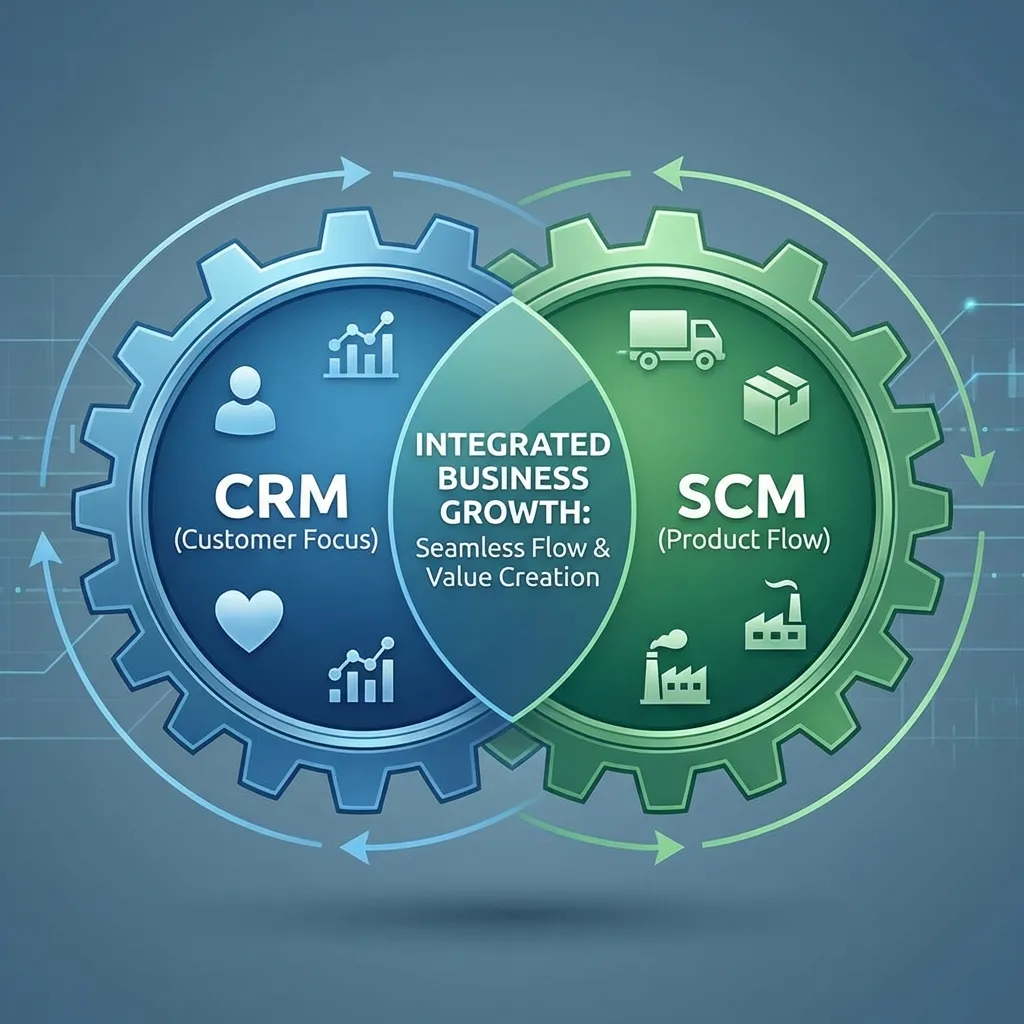
- CRM is outward-facing, focusing on the customer relationship to drive revenue and loyalty.
- SCM is inward and outward-facing, managing the entire flow of goods and services for efficiency.
- They are separate but deeply interconnected. A happy customer (CRM) needs their product delivered on time (SCM).
- Information Systems are not optional; they are the backbone of effective CRM and SCM strategies in today's business world. ⚡
Final Knowledge Check
Choose the best answer for each question. Score yourself at the end!
Thank You
Questions?
Next Up:
Unit 7.2: A Deeper Dive into CRM Systems & Strategies