Unit 5.4
Social Shopping and Social Marketing
Learning Objectives
By the end of this chapter, you will be able to:
- ✅ Define social marketing and its key components.
- ✅ Define social shopping (social commerce) and its key components.
- ✅ Explain the importance of ratings, reviews, and influencer marketing.
- ✅ Understand how shoppable social media is changing e-commerce.
The Big Shift: From Monologue to Dialogue
Social computing has fundamentally changed how businesses interact with customers.
Broadcast Advertising (Old Way): One-way communication. Companies talk AT customers.
Social Engagement (New Way): Two-way conversation. Companies talk WITH customers.
What is Social Marketing?
Social Marketing: The use of social media platforms to promote a product or service by building relationships and creating a community around a brand.
Key Components:
- 🔍 Social Listening
- 📝 Content Marketing
- 🌟 Influencer Marketing
- 💬 Community Management
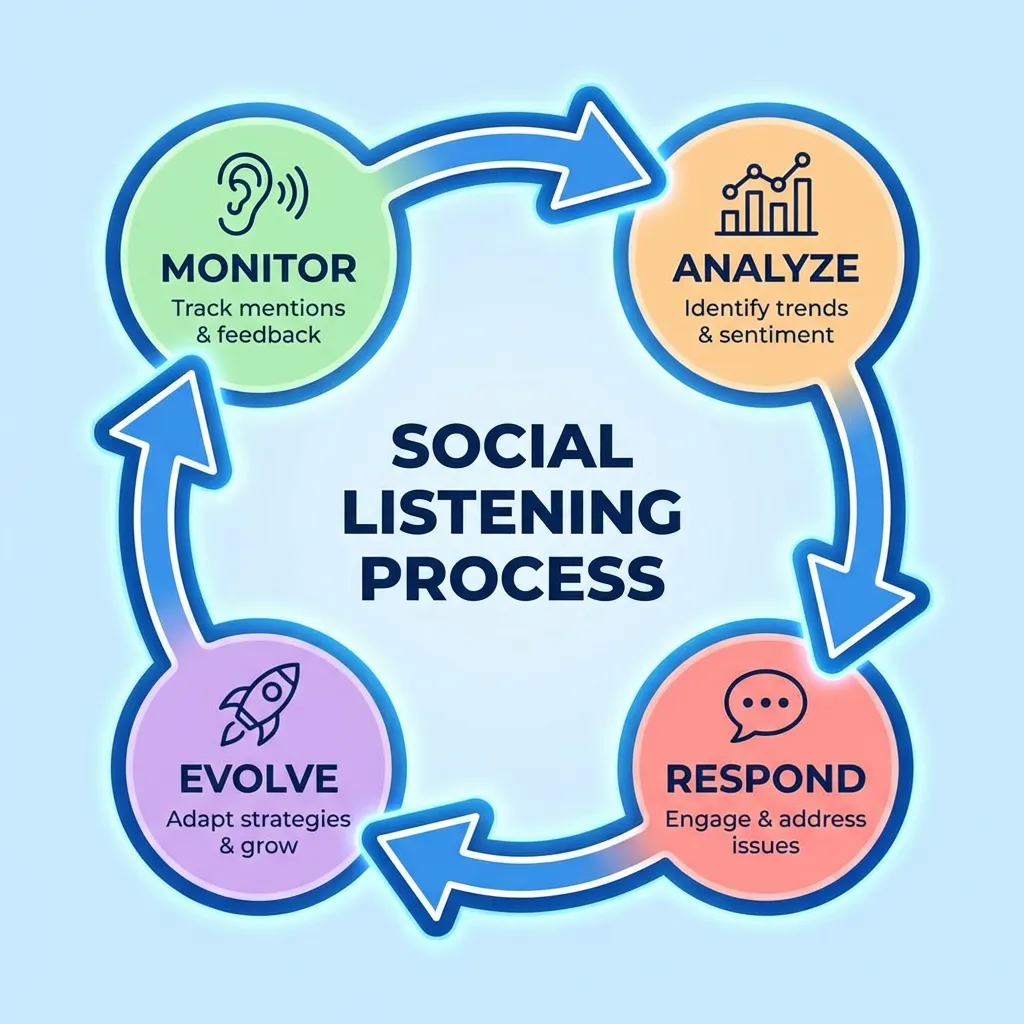
Component 1: Social Listening 🔍
Why "listen"?
- Gain valuable insights into customer sentiment (what people really think).
- Identify emerging trends and opportunities.
- Proactively address customer service issues before they escalate.
- Evolve: Adapt strategies based on feedback.
Try It: Social Listening Simulator
Type a customer comment below and discover its sentiment — exactly what social listening tools do at massive scale.

Components 2 & 3: Content & Influencer Marketing
📝 Content Marketing
Creating and sharing valuable, relevant content (blogs, videos, infographics) to attract an audience.
Goal: Provide value, build trust, and establish the brand as a thought leader, not just a seller.
🌟 Influencer Marketing
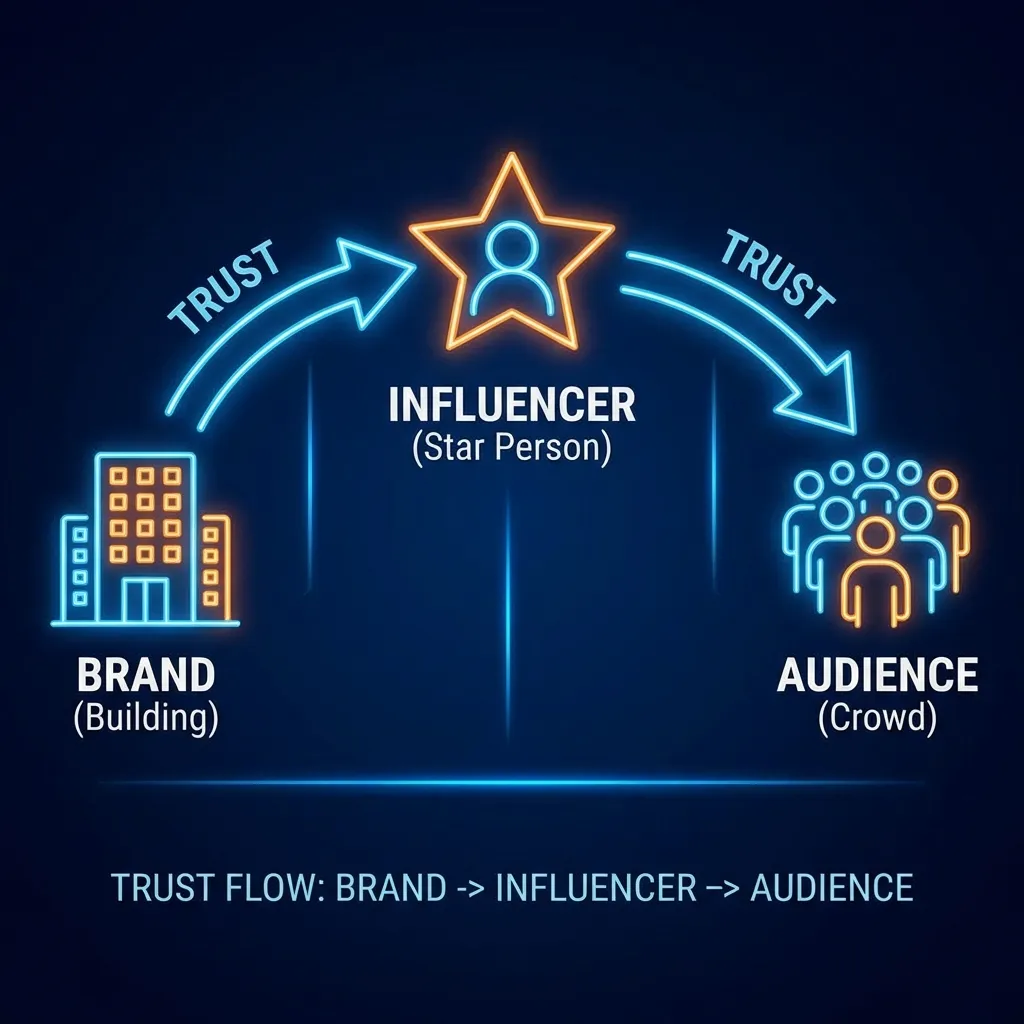
Collaborating with individuals who have a large, engaged social media following.
Goal: Leverage the influencer's trust and reach to introduce your product to their audience authentically.
Interactive: Influencer Tier Comparison
Click an influencer tier to explore its typical reach, engagement, and cost.
Select a tier above to see details.
Component 4: Community Management 💬
The process of building, growing, and managing an online community around a brand.
A community manager is the "voice" of the brand.
- Engages with the audience (responds to comments, DMs).
- Fosters a positive and interactive environment.
- Gathers feedback for the product team.
- Turns customers into loyal advocates.

What is Social Shopping? (Social Commerce)
Social Shopping: Integrating social media features directly into the e-commerce experience, making shopping more interactive and community-oriented.
Key Components:
- ⭐ Ratings and Reviews
- 🛒 Shoppable Social Media
- 🤝 Social Recommendations & Referrals
- 👥 Group Buying
Component 1: Ratings and Reviews ⭐
User-generated ratings and reviews are a critical part of the modern purchasing decision.
Social Proof: A psychological phenomenon where people assume the actions of others reflect correct behavior. Positive reviews act as powerful social proof.
📊 Statistic: Over 90% of consumers read online reviews before making a purchase.
Interactive: Social Proof Rating Simulator
Click a star to add your rating. Watch how social proof builds as reviews accumulate.
Rate this product:


Component 2: Shoppable Social Media 🛒
Social platforms are now e-commerce channels, creating a seamless path from discovery to purchase.

Shoppable posts and stories with product tags.

Dedicated "Shops" tab on business pages.

"Product Pins" that link directly to checkout.
Interactive: The Social Shopping Journey
Step through a customer's path from social media discovery to completed purchase. Click Next Step to continue.

Practical Application: The Nepali Context
Daraz & Reviews
Platforms like Daraz rely heavily on user ratings and reviews. Nepali consumers often check seller ratings and product reviews before buying, demonstrating the power of social proof.
Influencers in Nepal
Local influencers on Instagram and TikTok are key for marketing. They promote everything from restaurants in Kathmandu to clothing from Nepali brands, directly driving sales from their followers.
Community Commerce: Facebook groups like "Foodies in Nepal" act as informal social shopping platforms, where recommendations and reviews directly influence where thousands of members decide to eat.
Key Takeaways 🎯
- Social marketing is about engagement and community, not just broadcasting ads.
- Social listening provides invaluable, real-time insights into customer sentiment.
- Ratings and reviews act as powerful social proof and are essential for building trust.
- Shoppable social media creates a seamless path from discovery to purchase, reducing friction for the customer.
Chapter Review Quiz
Test your understanding. Select the best answer for each question.
Discussion Questions
- Have you ever purchased a product because you saw it promoted by an influencer? What made the promotion effective?
- How much do ratings and reviews influence your online shopping decisions? Are you more likely to trust a 4.8-star product with 1000 reviews or a 5-star product with 10 reviews?
- What are the potential downsides for a business that relies too heavily on social marketing?