Unit 4.1
Unit 4 Intro: Wireless, Mobile Computing, and M-Commerce
Learning Objectives 🎯
By the end of this introduction, you will be able to:
- ✅ Define the core wireless technologies that power our mobile world.
- ✅ Explain the key principles of mobile computing and its business impact.
- ✅ Describe the rise of mobile commerce (m-commerce) and its applications.
- ✅ Understand the foundational concept of the Internet of Things (IoT).
The "Untethered" World
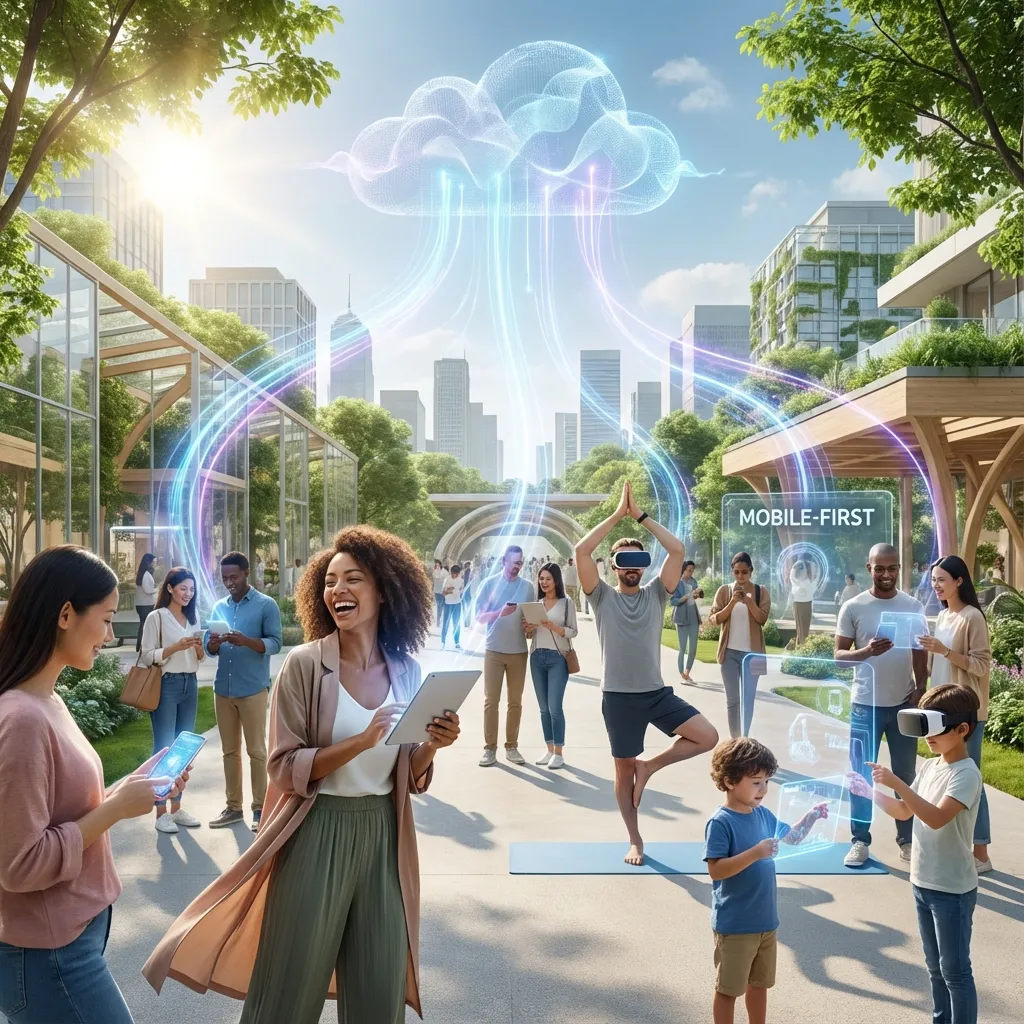
We've shifted from wired, desktop-based computing to a new reality.
Mobile-First Paradigm: This means designing for mobile devices first, then adapting for larger screens. It's a fundamental change in business and technology strategy.
This shift has created new industries, disrupted old ones, and introduced a new set of rules for business success.
Foundation: Wireless Technologies ⚡
These are the invisible highways that connect our mobile devices, forming the backbone of the mobile revolution.
Wi-Fi (Wireless Fidelity)
- Uses radio waves for high-speed networking
- Covers short ranges (WLAN - Wireless Local Area Network)
- Ideal for homes, offices, cafes
- Connects devices to an internet router
Cellular Networks
- Uses distributed cell towers for connectivity
- Covers wide areas (WWAN - Wireless Wide Area Network)
- Ideal for on-the-go connectivity
- Generations: 3G, 4G, and now 5G
🎯 Wireless Tech: Match the Scenario
For each scenario select whether Wi-Fi or Cellular networking is most appropriate:
A Closer Look: Why 5G is a Game-Changer
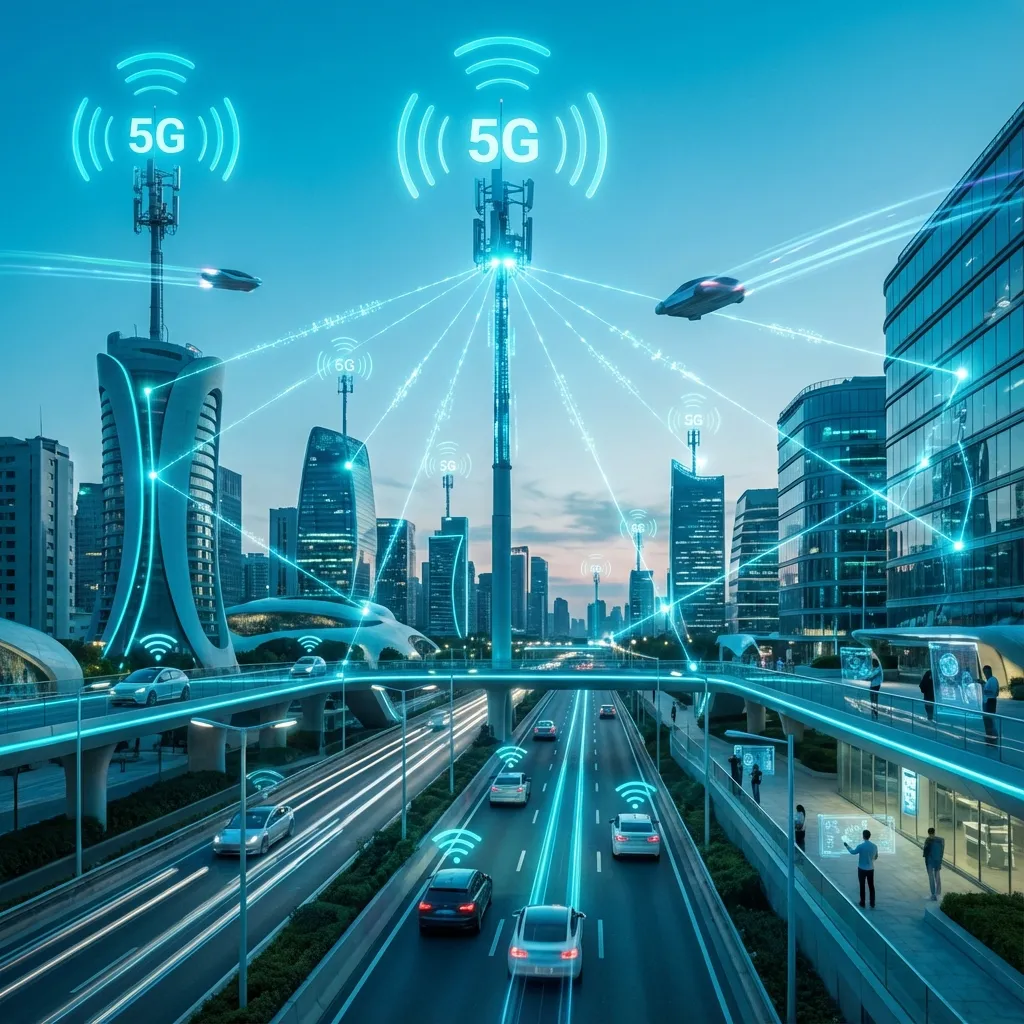
5G is more than just faster downloads. It's the enabling technology for future business innovations.
🚀 High Speed
Up to 10 Gbps, allowing for 4K streaming and large file transfers in seconds.
⏱️ Low Latency
Near-instantaneous response times, critical for self-driving cars, AR/VR, and remote surgery.
🔗 Massive Connectivity
Can support millions of devices per square kilometer, essential for the Internet of Things (IoT).
🎯 5G Speed Calculator: Real-World Impact
Click a file type to compare 3G / 4G / 5G download times:
Principle: Mobile Computing 📱
Definition: A real-time, wireless connection between a mobile device and other computing environments, such as the internet or an intranet.
It's defined by key characteristics:
- Ubiquity: Computing anytime, anywhere.
- Portability: Small, powerful, easy-to-carry devices.
- Connectivity: Always-on or easily established connection to networks.
- Personalization: Content and services tailored to the individual user's location and preferences.
🎯 Identify the Mobile Computing Property
Which mobile computing property does each scenario demonstrate?
Application: Mobile Commerce (M-Commerce) 🛒
M-commerce is the buying and selling of goods and services through wireless handheld devices.
Think about your own usage...
Have you used your phone in the last week to:
- Order food? (e.g., Foodmandu)
- Pay a utility bill? (e.g., eSewa)
- Book a ride? (e.g., Pathao, inDrive)
- Browse an online store? (e.g., Daraz)
This is all M-Commerce in action!
Practical Application: The M-Commerce Boom in Nepal 🇳🇵
Mobile wallets and payment gateways have transformed Nepal's digital economy, moving it towards a cashless society.
Key Players
- eSewa
- Khalti
- IME Pay
- Fonepay Network
Business Impact
- Increased Financial Inclusion
- Streamlined Cashless Transactions
- Explosive Growth of E-commerce
- New Service Delivery Models (e.g., government services)
This shift was accelerated by widespread mobile phone penetration and affordable data plans from providers like NTC and Ncell.
🎯 Nepal Digital Payment Simulator
Simulate a mobile wallet payment — try paying for different services:
The Next Frontier: The Internet of Things (IoT) 🌐
Definition: A world where virtually every object has processing power and is connected to a global network, allowing them to collect and transmit data.
It's not about phones or computers, but about connecting everyday items:
- Smart Homes: Lights, thermostats, security cameras
- Wearable Devices: Fitness trackers, smartwatches
- Connected Cars: Real-time diagnostics, GPS
- Smart Cities: Intelligent traffic lights, smart waste management
How IoT Works: A Simple Flow 🔍
IoT systems connect the physical and digital worlds in a continuous cycle.
1. Sensors/Devices
Collect data from the physical environment (e.g., temperature, location, motion).
2. Connectivity
Data is sent to the cloud via Wi-Fi, Cellular (5G), Bluetooth, or other networks.
3. Data Processing & Action
Software processes the data to generate insights, trigger alerts, or automate actions.
SENSE ➡️ COMMUNICATE ➡️ ANALYZE/ACT
🎯 IoT Smart Nepal: Explore Real Deployments
Click a device to trace its IoT flow (Sense → Communicate → Analyze/Act) in a Nepal context:
Unit 4.1: Key Takeaways 📊
Here's what you need to remember from this introduction:
- The world operates on a mobile-first paradigm, powered by wireless networks like Wi-Fi and 5G.
- Mobile Computing provides ubiquitous, on-the-go access to information and services, changing how we work.
- M-Commerce leverages mobile computing for business transactions, transforming economies like Nepal's.
- The Internet of Things (IoT) is the next wave, connecting everyday physical objects to create data-rich, smart environments.
Thank You
This concludes our introduction to the mobile revolution.
Next Topic: Unit 4.2: A Guide to Wireless Technologies: From Bluetooth to 5G | IT 233