Unit 6.case
Case Study: Instagram-First Fashion Brand in Kathmandu
Learning Objectives
By the end of this case study, you will be able to analyze how a startup leveraged social, mobile, and local marketing principles to build a successful e-commerce brand from the ground up.
- ✅ Analyze the "Instagram-First" direct-to-consumer (D2C) model.
- ✅ Deconstruct the key growth loops used in social commerce.
- ✅ Connect the brand's tactics to core concepts from Unit 6.
- ✅ Evaluate the strategic evolution from manual processes to scalable e-commerce infrastructure.
Interactive: Engagement Rate Calculator
Enter typical metrics for this brand's Instagram account to calculate its engagement rate and see how it benchmarks.
Your Metrics
Enter values to calculate your engagement rate.
The Genesis: An Instagram-First Launch
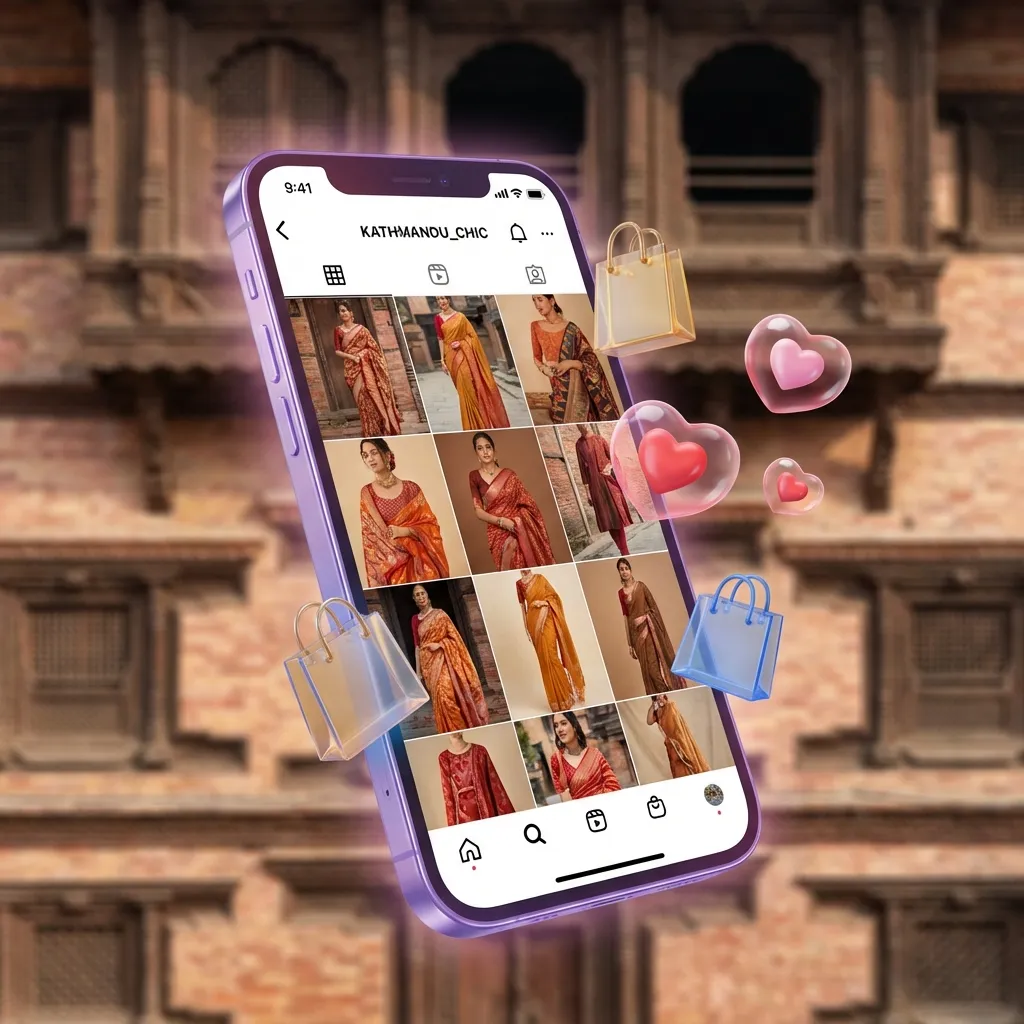
This Kathmandu-based apparel brand bypassed traditional websites, launching directly where their target audience lived: Instagram.
Initial Strategy Breakdown
- 🎯 Primary Channel: Instagram feed, stories, and reels.
- 📢 Marketing Engine: Collaboration with local micro-influencers and encouraging User-Generated Content (UGC).
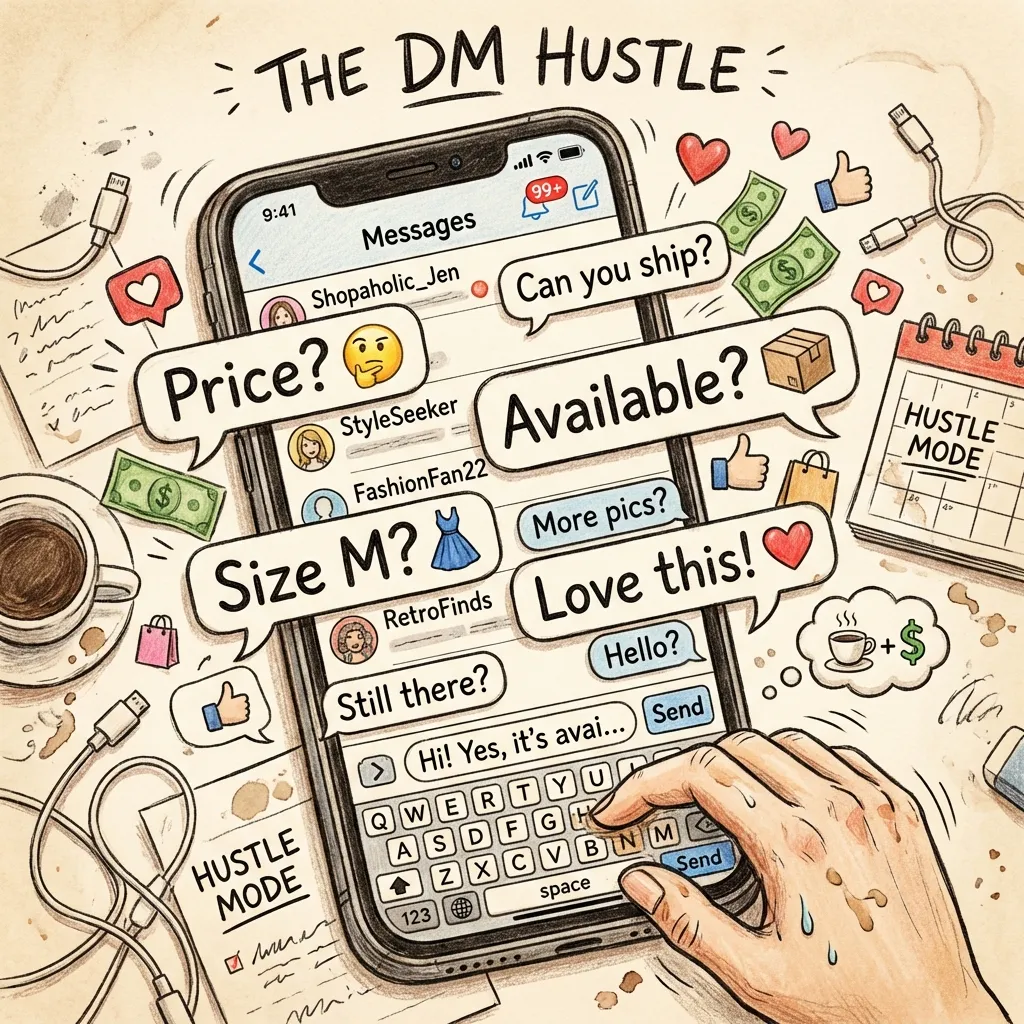
- 🛒 Sales Mechanism: Direct Message (DM) to place orders.
- 💰 Payment Method: Cash-on-Delivery (COD), a trusted method in the local market.
The Initial Funnel: DM-to-COD
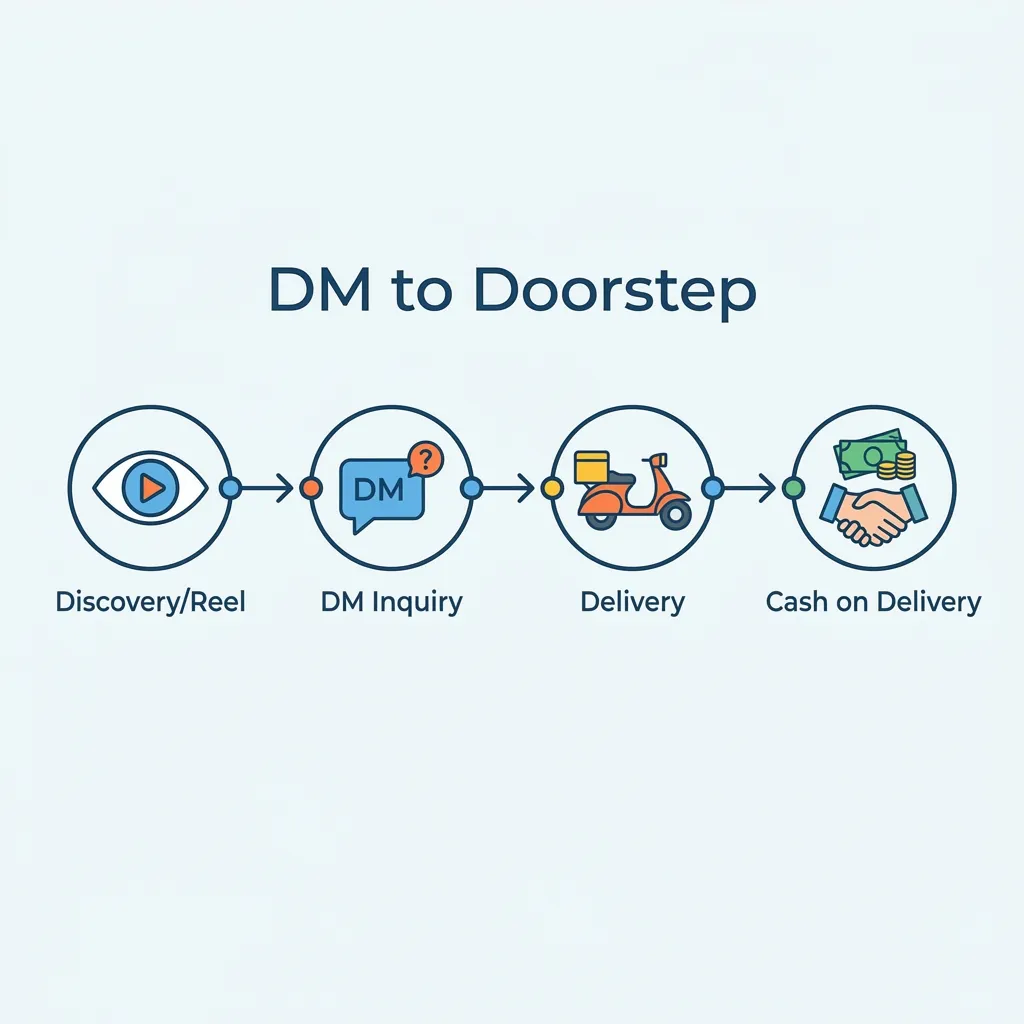
The initial customer journey was simple, manual, and highly conversational, building trust with every interaction.
Customer Journey 🚶♀️
- Discovery: Sees a new "drop" in a Reel or creator post.
- Inquiry: Sends a DM asking for size, price, and availability.
- Order: Confirms order and provides delivery address in the chat.
- Payment: Pays cash to the delivery rider upon receipt.
Business Process ⚙️
- Monitoring: Manually tracks all incoming DMs for orders.
- Logistics: Coordinates with a local delivery service (e.g., Pathao).
- Fulfillment: Packages the order and hands it off for delivery.
- Reconciliation: Manually tracks payments received via COD.
Key Insight: This "scrappy" approach minimized initial tech costs and built a strong community, but was not scalable for high volume.
Interactive: DM-to-COD Funnel Simulator
Adjust the conversion rate at each funnel stage to estimate how many paying customers result from 1,000 Instagram impressions.
Building Growth Loops ⚡
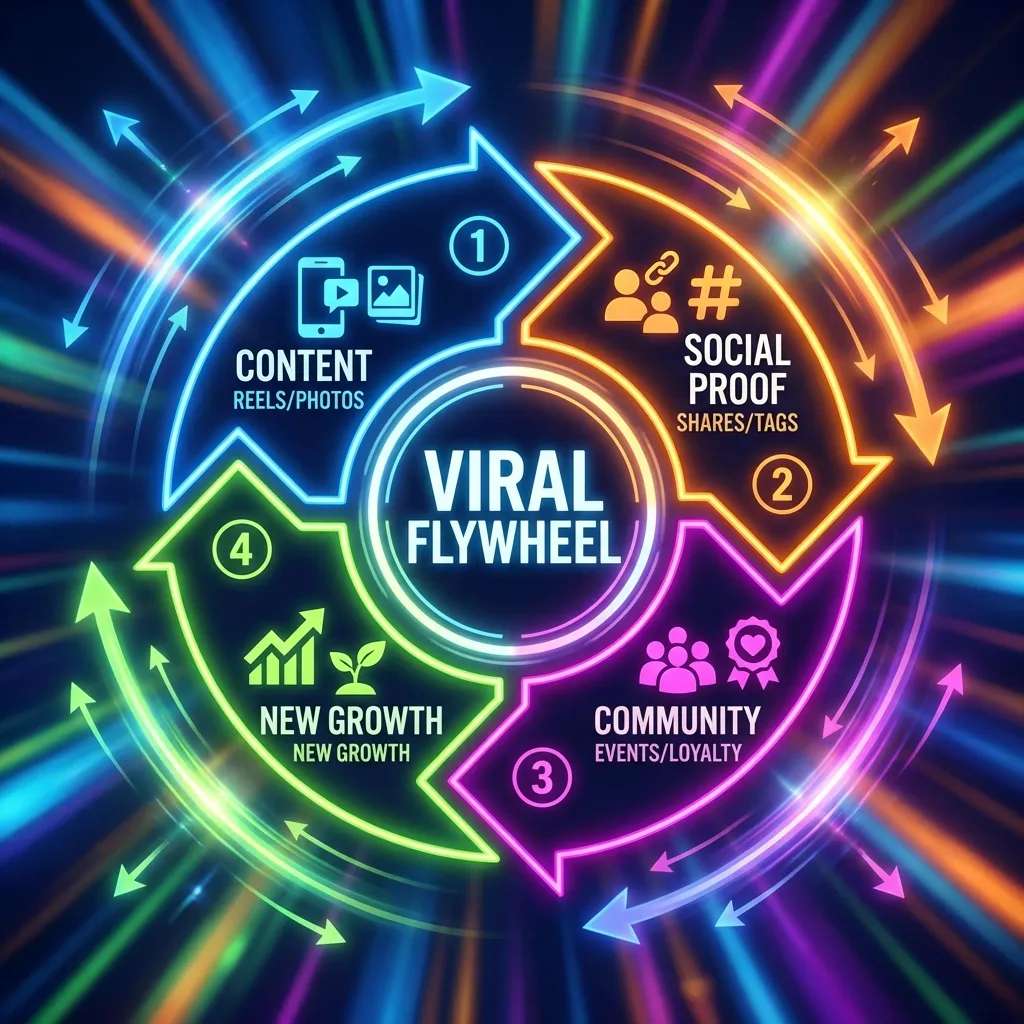
The brand didn't just acquire customers; it built a self-reinforcing system to attract and retain them.
1. Content & Hype
- Weekly Drops: Creates urgency and repeat visits.
- Try-On Reels: Shows product fit and styling, reducing purchase anxiety.
2. Social Proof & Reach
- Creator Seeding: Provides authentic reach via trusted micro-influencers.
- UGC Highlights: Features customer photos, turning buyers into advocates.
3. Community & Exclusivity
- Pop-Up Events: Local try-on events to bridge the online-offline gap.
- VIP WhatsApp Groups: Offers early access and exclusive deals to top customers.
Interactive: Growth Loop Strategy Rater
Rate each tactic's effectiveness (1 = low, 5 = high) to see which growth loop pillar is the brand's strongest.

Evolution: From Manual to Automated
As order volume grew, the brand graduated from manual DMs to a more streamlined, scalable system.
Phase 1: Manual DM Flow
- Manual size/quantity checks
- Copy/paste address capture
- Prone to human error
- Time-consuming
- Limited to COD
Phase 2: Hybrid/Automated Flow
- DM automation for initial queries
- "Link-in-bio" to a simple checkout page
- Integrated digital payments (eSewa, Khalti)
- Better data tracking and inventory sync
- Frees up staff for customer service
Interactive: Scale-Up Readiness Checker
Answer these 5 questions about the brand's current state. Find out whether it should stay with the manual DM flow or upgrade to the automated Phase 2 system.
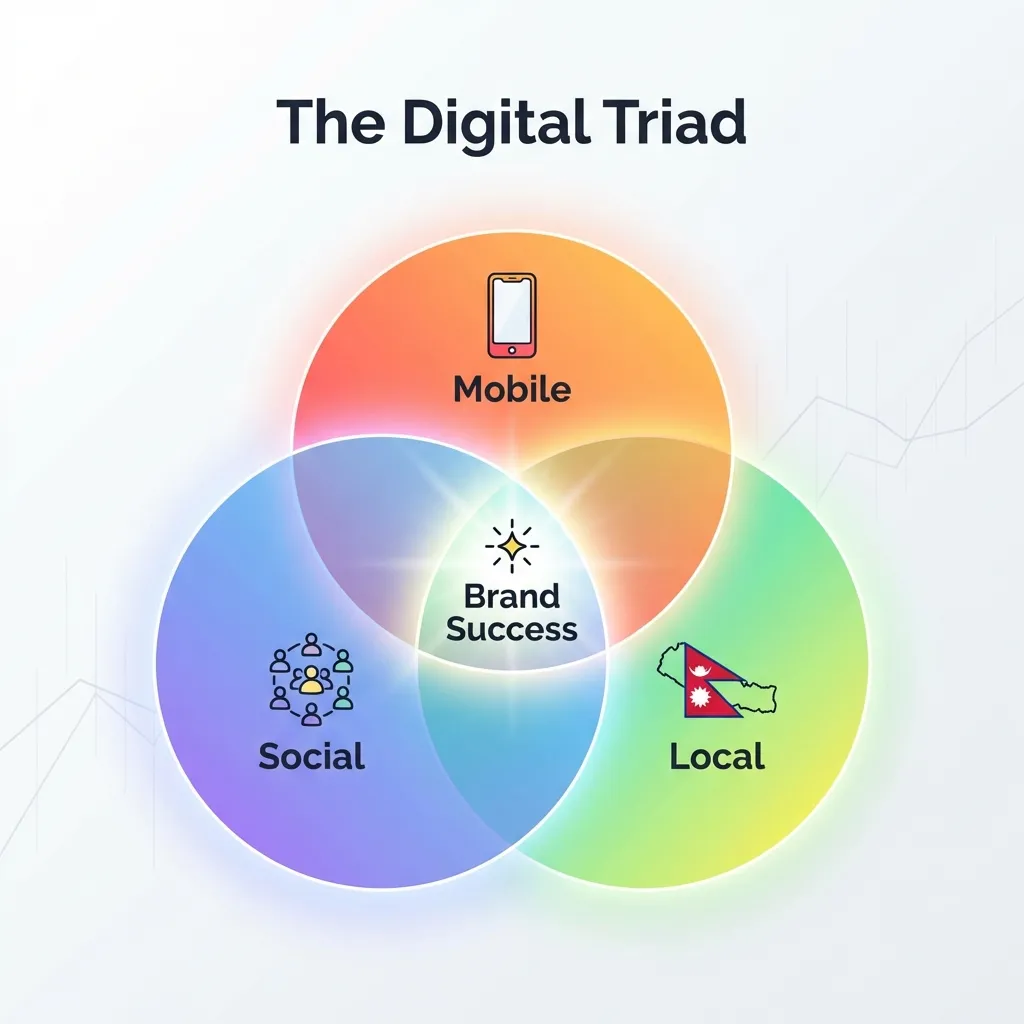
Connecting to Unit 6 Theory
This case study is a practical application of the core principles of social, mobile, and local marketing.
Social Marketing (6.1): The focus on community building, UGC, and creator seeding over traditional advertising demonstrates a strong understanding of social commerce dynamics. Community > Impressions.
Mobile Marketing (6.2): The entire funnel—from discovery on the Instagram app to ordering via DM—was mobile-native. This meets customers where they are, on the devices they use most.
Local Marketing (6.3): The use of COD, pop-up events in Kathmandu, and local delivery partners shows a strategy tailored specifically to the geographic and cultural context of its market.
🔍 Outcomes & Impact
The Instagram-first strategy yielded significant, measurable results in the brand's early stages.
Quantitative Wins 📊
- Rapid follower growth driven by viral reels and creator content.
- 35-45% of total sales were generated directly through Instagram DMs and links.
- Reduced dead inventory due to better demand forecasting from pre-orders on drops.
Qualitative Wins ✨
- Strong brand community and high customer loyalty.
- Direct line of communication with customers for instant feedback.
- High brand authenticity and trust within the local market.
Interactive: Case Study Reflection Quiz
Test your understanding of the case study. Select the best answer for each question, then reveal the explanation.
Key Takeaways 🎯
The success of this Kathmandu brand provides several key lessons for modern e-commerce.
- Start Lean & Scrappy: You don't need a complex website to start selling. Validate your product-market fit using accessible tools like Instagram DMs.
- Community is Your Moat: An engaged community that creates UGC is a powerful, cost-effective marketing engine and a strong competitive advantage.
- Embrace Local Context: Success in e-commerce often depends on tailoring your strategy to local payment preferences (COD), logistics, and cultural norms.
- Evolve Your Tech Stack: Graduate from manual processes to automation and dedicated storefronts as your business grows and processes become bottlenecks.
Thank You
Next: Unit 7 - The Future of E-Commerce: AI and Personalization