Unit 6.1
Unit 6 Intro: Social, Mobile, and Local Marketing
Learning Objectives
By the end of this introductory chapter, you will be able to:
- ✅ Define the core concepts of social, mobile, and local marketing.
- ✅ Explain how these three trends converge into the "SoLoMo" marketing model.
- ✅ Describe the unique opportunities and context for SoLoMo in Nepal.
- ✅ Identify the key components of each marketing type.
The Modern Marketing Trifecta
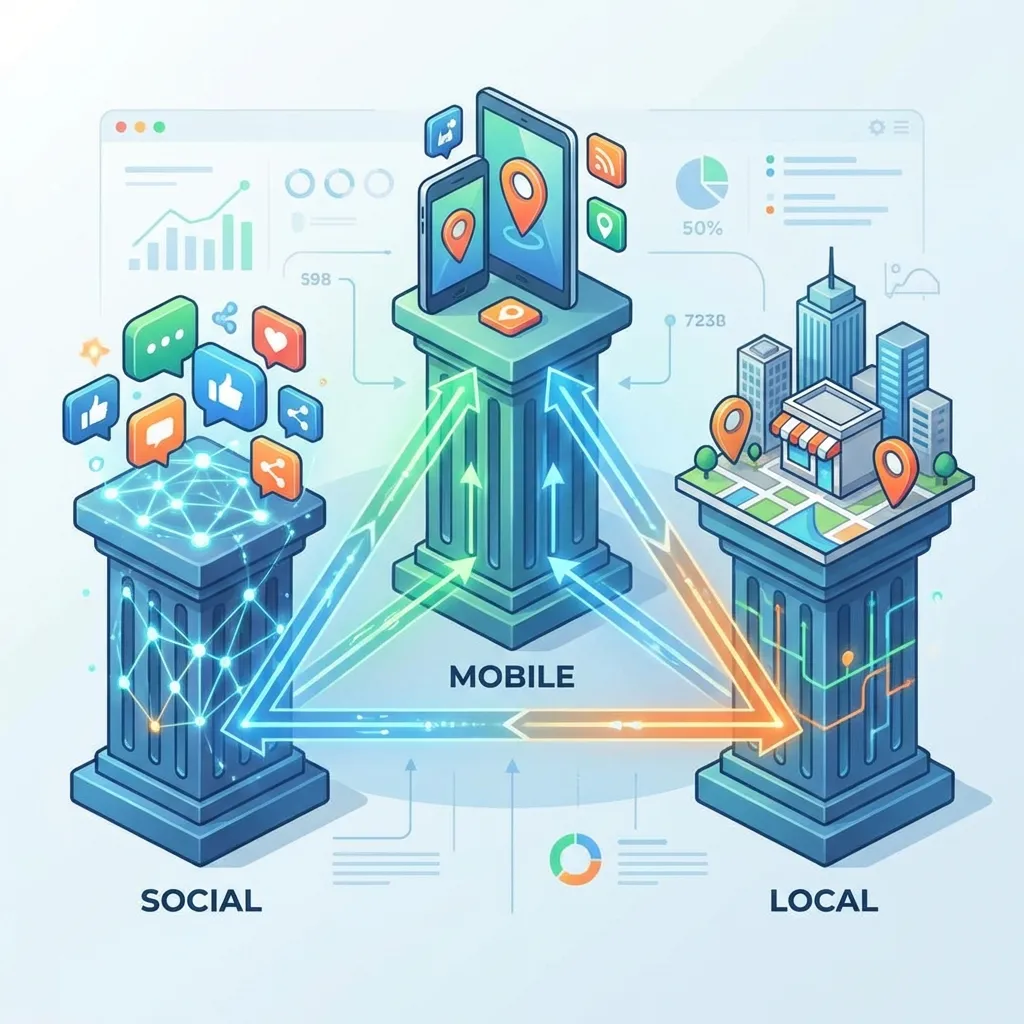
Three interconnected trends are reshaping e-commerce marketing.
🤝 Social
Using social media to build brands, connect with audiences, and drive sales.
📱 Mobile
Reaching consumers directly on their personal devices like smartphones and tablets.
📍 Local
Targeting customers based on their physical geographic location for high relevance.
Quick Check: Match the Pillar
For each description, click the correct marketing pillar.
Building brand presence and driving sales using platforms like Facebook and Instagram.
Targeting consumers based on their physical geographic location for high relevance.
Reaching an audience on their smartphones, tablets, or other portable devices.
The Convergence: So-Lo-Mo
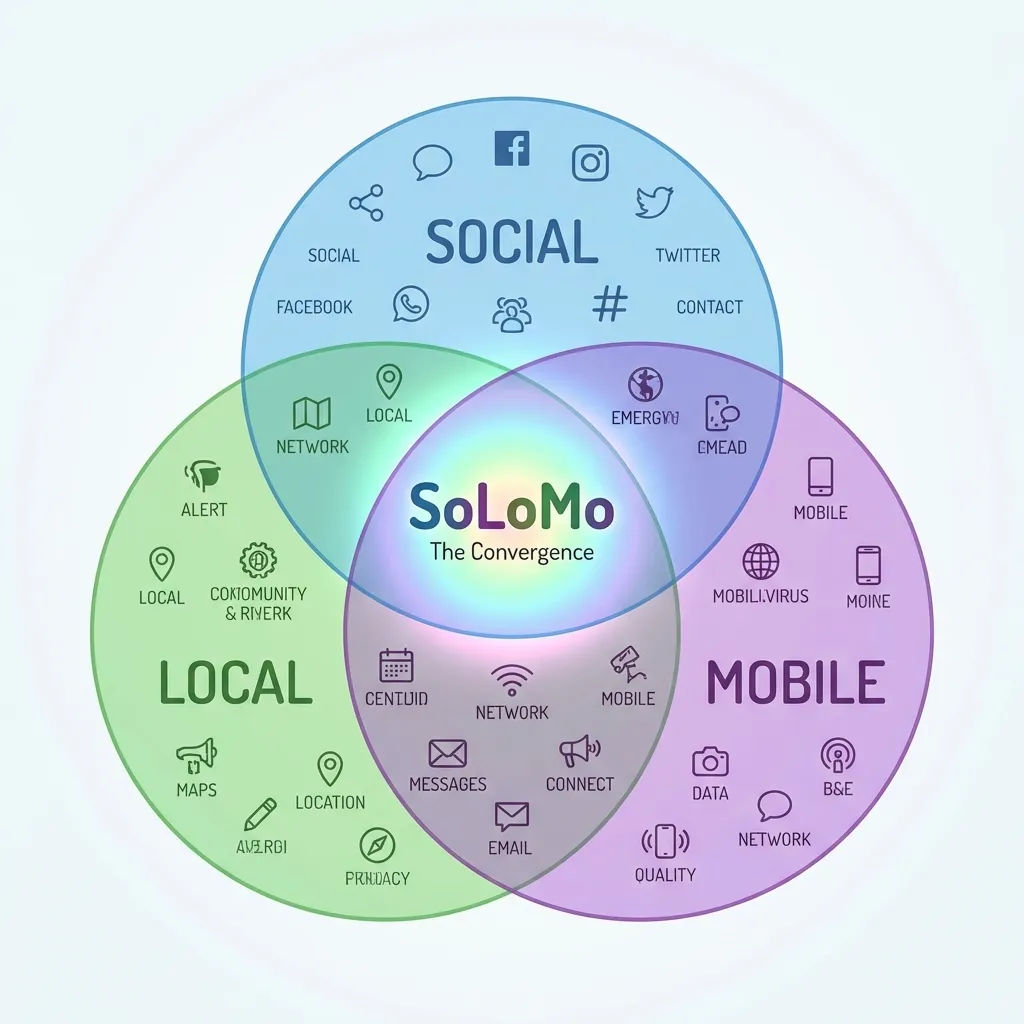
These trends are no longer separate. Their power lies in their integration.
SoLoMo: The term used to describe the convergence of Social, Local, and Mobile marketing into a unified strategy.
This creates a new marketing landscape that is more personal, contextual, and immediate than ever before.
Decode the SoLoMo Acronym
Click each segment below to reveal what it stands for.
Social
Using social media to build brand awareness, engage communities, and drive conversions through shared content and relationships.
Local
Using geographic context to deliver relevant messages — targeting consumers based on their current or frequent physical locations.
Mobile
Optimizing all marketing for smartphones — the primary device through which users interact with social platforms and local services.
1. What is Social Marketing? 🤝
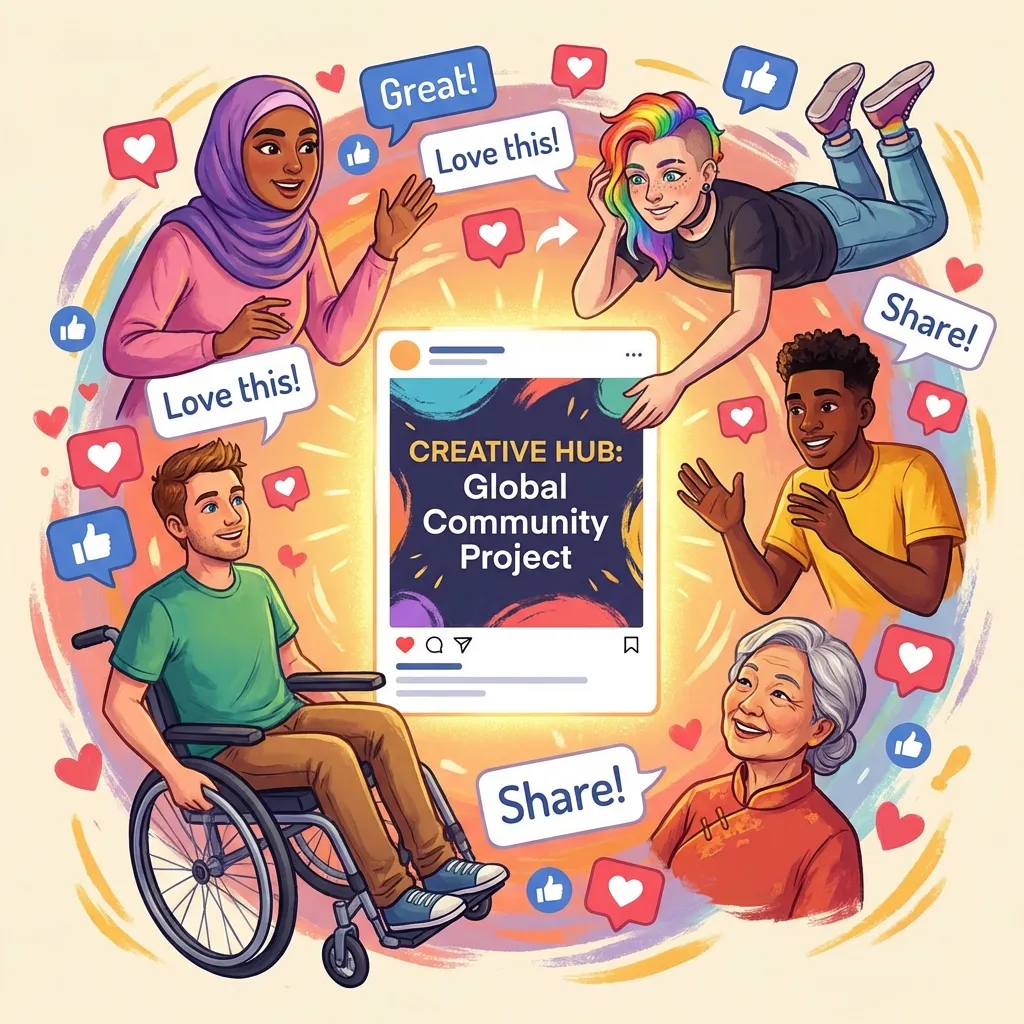
Definition: The use of social media platforms to connect with your audience to build your brand, increase sales, and drive website traffic.
Key activities include:
- Publishing engaging content (posts, videos, stories)
- Listening to and engaging with followers
- Analyzing performance with platform analytics
- Running targeted social media advertisements
2. What is Mobile Marketing? 📱
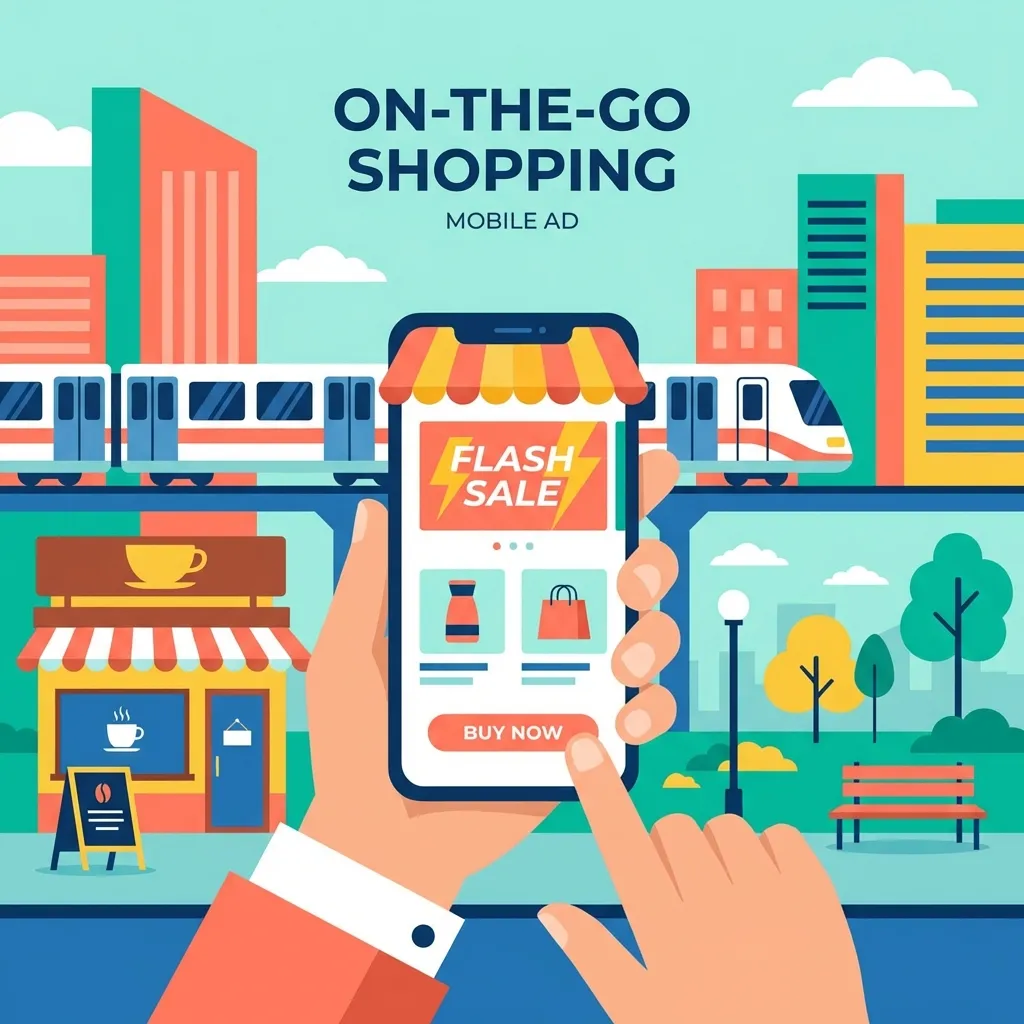
Definition: A multi-channel digital strategy to reach an audience on their smartphones, tablets, or other mobile devices.
Primary Channels:
- Mobile-friendly Websites
- Email & SMS/MMS
- Social Media Apps
- Dedicated Mobile Apps
🎯 Key Principle
Mobile is not just a channel, it's a context. Marketing must be optimized for small screens, on-the-go usage, and immediate interaction.
Mobile Marketing: True or False?
Click True or False for each statement.
Mobile marketing is only effective when you have a dedicated app.
SMS/MMS is considered a primary mobile marketing channel.
Mobile is "just a delivery channel" — the same message works equally well on desktop and mobile.
Mobile marketing must be optimized for small screens, on-the-go usage, and immediate interaction.
3. What is Local Marketing? 📍
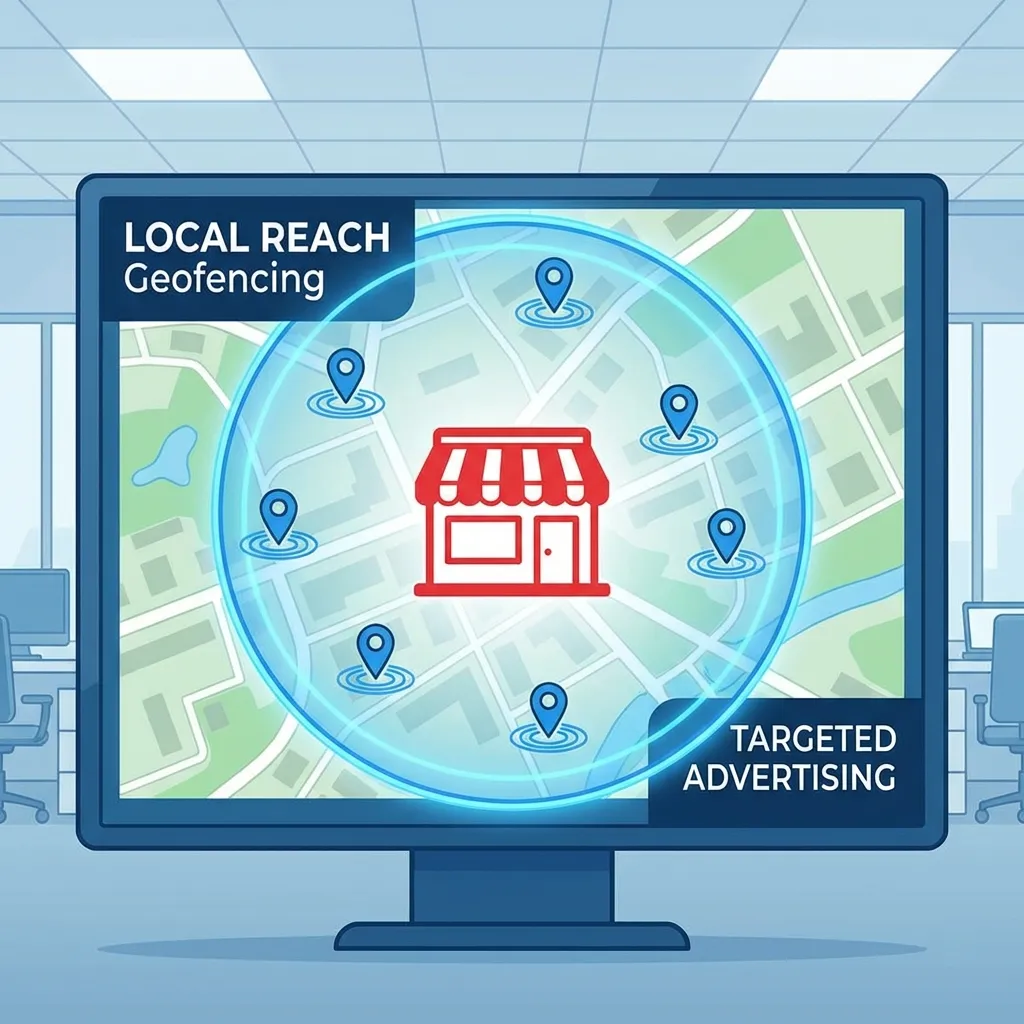
Definition: A marketing strategy that targets consumers within a specific radius of a business's physical location. Also known as neighborhood marketing.
Leverages a user's location to provide relevant offers:
- Geotargeting: Targeting ads to users in a specific city, zip code, or area.
- Geofencing: Creating a virtual perimeter around a location to trigger actions (e.g., push notifications) when a user enters or leaves.
- Local SEO: Optimizing for searches like "restaurants near me."
Identify the Location Technique
For each scenario, click the correct location-based marketing method.
A user walks within 300m of a clothing store in New Road and instantly receives a push notification: "You're nearby — enjoy 10% off today!"
A hotel in Pokhara runs Facebook ads targeted exclusively at users currently located in Kaski District.
A Thamel restaurant adds its address, hours, photos, and category to Google Business Profile so tourists find it when searching "restaurants near me."
Practical Application: SoLoMo in Nepal 🇳🇵
The SoLoMo trend is highly relevant due to high smartphone penetration and social media popularity.
Social Dominance
Platforms like Facebook, Instagram, and TikTok are central to daily life. Businesses use them for branding and targeted ads.
Mobile First
Mobile is the primary way Nepalis access the internet. A mobile-friendly website or app is essential for any business.
Local Relevance
Crucial for small businesses. Location-based marketing helps drive foot traffic to physical stores, from cafes to retail shops.
Nepal SoLoMo Context: Knowledge Check
Three questions about the SoLoMo landscape in Nepal. Select the best answer.
1. What is the primary way most Nepalis access the internet?
2. Which social platforms are described as central to daily life in Nepal?
3. Why is location-based marketing especially valuable for small Nepali businesses?
The SoLoMo Synergy in Action ⚡
Let's see how these elements combine for a powerful, personalized experience.
Example Scenario: A Kathmandu Retailer
- SOCIAL 🤝: A user follows a clothing store on Instagram and has shown interest in their posts about hiking gear.
- LOCAL 📍: The user is walking through Thamel, within 200 meters of that store's physical location.
- MOBILE 📱: The user receives a targeted push notification or Instagram ad: "Hi [User]! Gearing up for a trek? Get 15% off all hiking boots today, only at our Thamel store. We're just around the corner!"
Key Takeaways 📊
What to remember from this introduction:
- Three Pillars: Social, Mobile, and Local are the foundational trends of modern e-commerce marketing.
- Convergence is Key: Their true power is unlocked when used together in a unified "SoLoMo" strategy.
- Context Matters: SoLoMo allows for highly personalized and context-aware marketing that is more effective than traditional methods.
- Local Relevance: The SoLoMo model is especially powerful in markets like Nepal with strong mobile and social media adoption.
Thank You
This concludes our introduction to Social, Mobile, and Local Marketing.
Next Up: Unit 6.2 - A Deep Dive into Social Marketing