Unit 5.1
Unit 5 Intro: E-commerce Marketing and Advertising
Learning Objectives
By the end of this chapter, you will be able to:
- ✅ Define the core purpose of e-commerce marketing and advertising.
- ✅ Describe the characteristics of the global and local online audience.
- ✅ Explain the key stages of the online consumer decision process.
- ✅ Analyze unique consumer behavior trends in the Nepali e-commerce market.
The Post-Launch Challenge
Your e-commerce site is built. It's live. Now what?
The Core Challenge: How do you attract visitors and convert them into paying customers?
This unit explores the strategies and technologies to bridge the gap between your site and your customers.
What is E-commerce Marketing?
Definition: The process of using digital channels to drive traffic to an online store, converting that traffic into customers, and retaining those customers post-purchase.
It's about understanding and engaging with customers at every step of their online journey.
Key Goals 🎯
- Build brand awareness
- Drive qualified traffic
- Increase conversions (sales)
- Foster customer loyalty
Key Channels 📡
- Search Engines (Google)
- Social Media (Facebook, Instagram)
- Display Advertising
Activity: Sort It! Goals vs. Channels
Each item is either a marketing Goal or a marketing Channel. Click the correct button on each card, then check your answers.
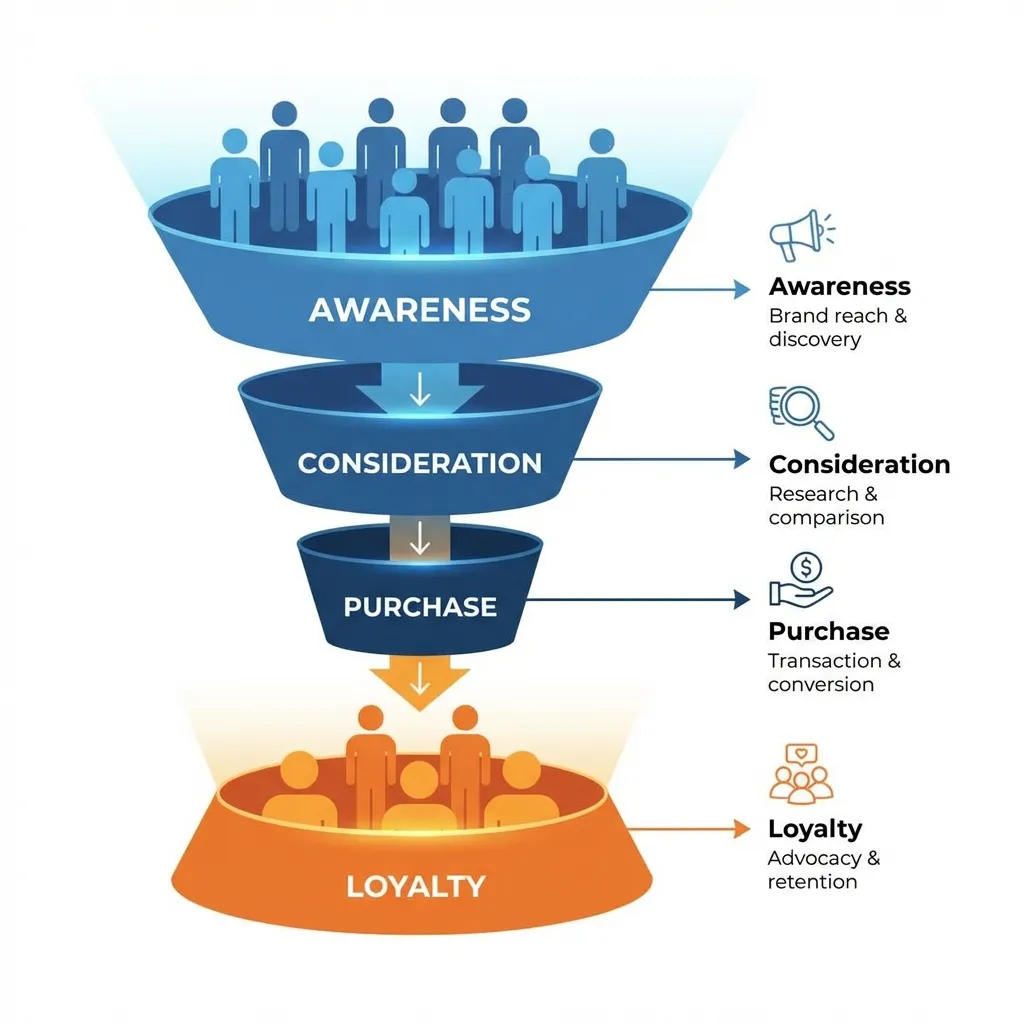
Explore the Marketing Funnel
Click each funnel stage to reveal what marketers do there and a Nepal-specific example.
Nepal example: A Daraz seller runs Facebook video ads showcasing a new product to reach users across Kathmandu Valley.
Nepal example: An electronics store shares YouTube reviews and WhatsApp product demos to help customers compare brands.
Nepal example: HamroBazaar provides a COD option and a "limited offer" countdown timer to push the customer to confirm.
Nepal example: Sastodeal sends SMS notifications about repeat-purchase discounts and loyalty points to previous buyers.
The Online Audience: A Global Snapshot 📊
The internet provides unprecedented access to a global marketplace.
5+ Billion
Internet users worldwide as of 2023. A massive, growing potential customer base.
Effective marketing starts with understanding who these users are and how they behave online.

Understanding Consumer Behavior 🔍
Consumer Behavior: The study of how individuals, groups, and organizations select, buy, use, and dispose of goods, services, or experiences to satisfy their needs and wants.
In e-commerce, we analyze the digital footprint of this behavior to make informed marketing decisions.
The Consumer Decision Process
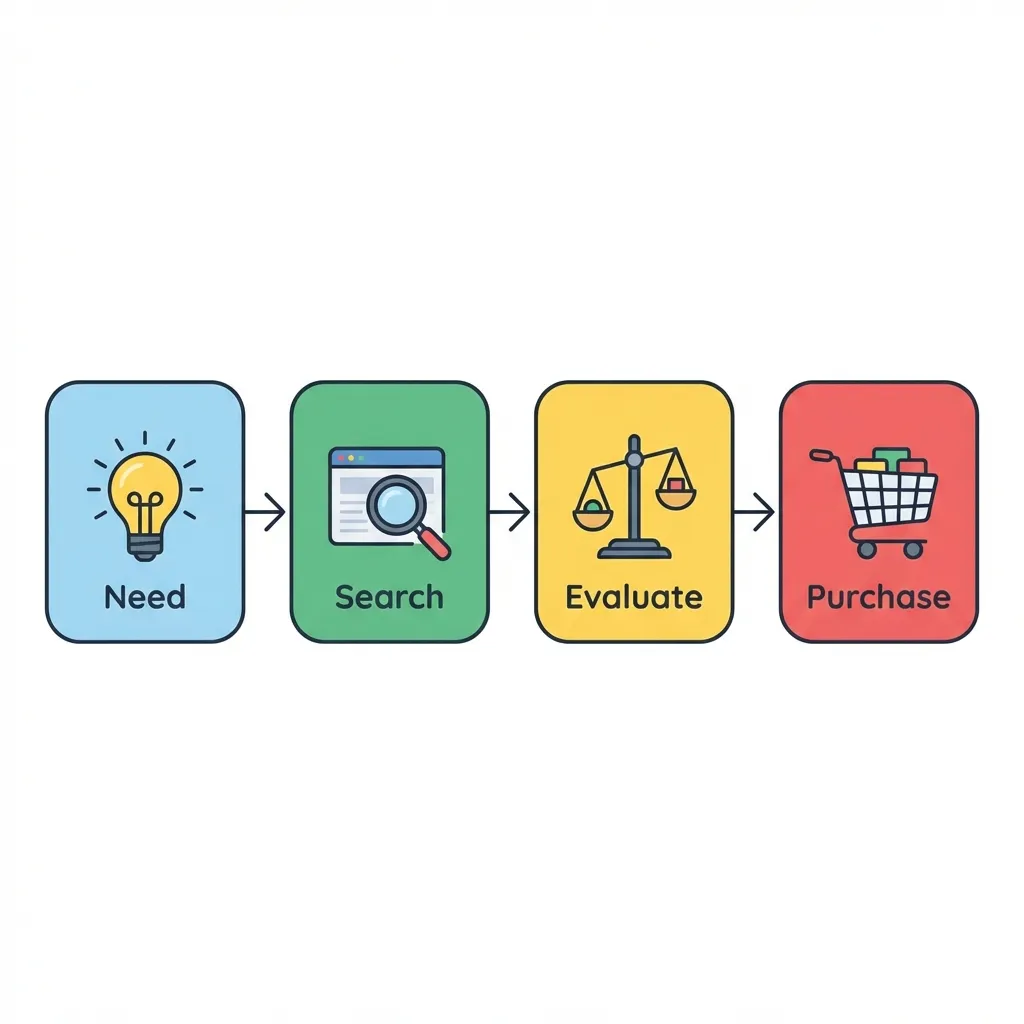
Consumers typically follow a 4-stage process when making an online purchase.
- Need Recognition: The "I need/want something" moment.
- Example: "My old phone's battery is dying too fast."
- Information Search: Seeking solutions.
- Example: Googling "best smartphones 2024", watching YouTube reviews.
- Evaluation of Alternatives: Comparing options.
- Example: Comparing Samsung vs. iPhone based on price, camera, and reviews on an e-commerce site.
- Purchase Decision: The final choice.
- Example: Clicking "Add to Cart" and completing the checkout.
Activity: Match the Scenario to the Stage
Read each scenario. Click it to select it, then click the correct decision stage to match them. Four matches total.
Practical Application: The Nepali Online Audience 🇳🇵
Global principles apply, but local context is everything.
Audience Growth & Demographics
- 30+ Million Users: A large and rapidly growing market (NTA data).
- Diversifying Audience: No longer just young, urban men. A growing number of women, older people, and rural users are online.
Evolving Demand
- Beyond Electronics: Strong growth in demand for fashion, beauty, and home goods.
- This signals a maturing e-commerce market with broader consumer trust.

Key Characteristics of Nepali Online Consumers
Three core behaviors define the e-commerce landscape in Nepal:
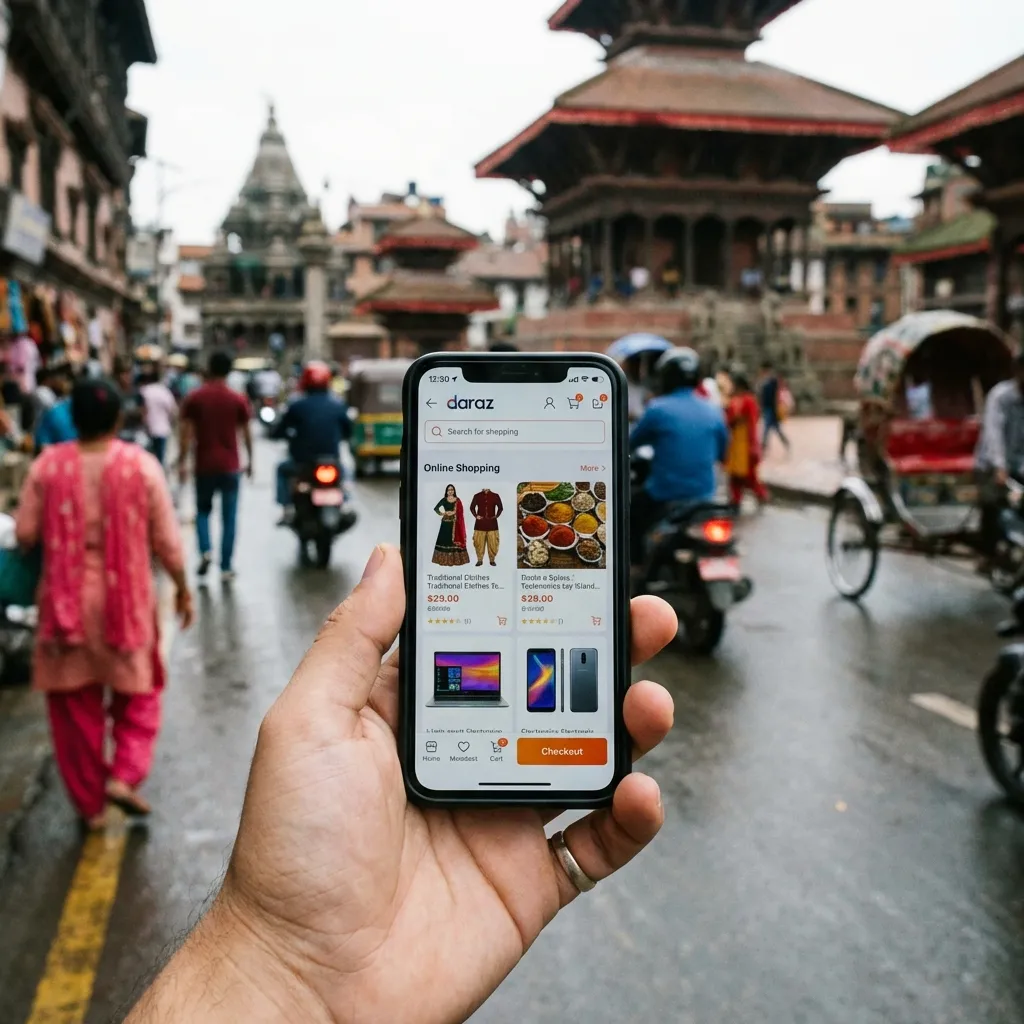
📱 Mobile-First
The majority of online shoppers in Nepal use their mobile phones to browse and make purchases. A mobile-responsive site isn't optional; it's essential.
👍 Social Media Influence
Social media (Facebook, Instagram, TikTok) is a primary channel for product discovery and validation through recommendations from friends and influencers.
💵 Cash on Delivery (COD)
Despite the rise of digital wallets, COD remains the most popular payment method due to established habits and trust factors. This impacts logistics and operations.
Quiz: True or False — Nepali E-Commerce
Click True or False for each statement. See your score when all five are answered.
Chapter 1: Key Takeaways ⚡
- E-commerce success after launch depends on effective marketing and advertising to attract and convert customers.
- Understanding the consumer decision process (Need → Search → Evaluate → Purchase) is fundamental to creating effective marketing funnels.
- While the online audience is global, marketing must be tailored to local behaviors and preferences.
- The Nepali e-commerce market is uniquely defined by its mobile-first, social-driven, and COD-preferring consumer base.
Chapter Review: Quick Quiz
Four questions covering the whole chapter. Select an answer for each, then click Submit.
Thank You!
Next, we will dive deeper into...